What Happens If You Order the Wrong Size Car Cover? Here's the Exchange Process
Published

The Quick Answer: You Can Exchange It
Ordered the wrong size car cover? It's not a dead end. Most retailers, including CarCovers, will let you exchange it within a set return window as long as the cover is unused and still in its original packaging. That's the short version.
What happens if you order the wrong size car cover depends a little on how fast you catch the mistake and what kind of cover you bought. This article walks through how to spot a bad fit before you assume the product itself is defective, what to do (and not do) before you contact anyone, and the actual steps for getting it swapped out. We'll also cover why universal covers and custom-fit covers handle exchanges a bit differently, and how to sidestep the whole problem on your next order.
Signs You Ordered the Wrong Size
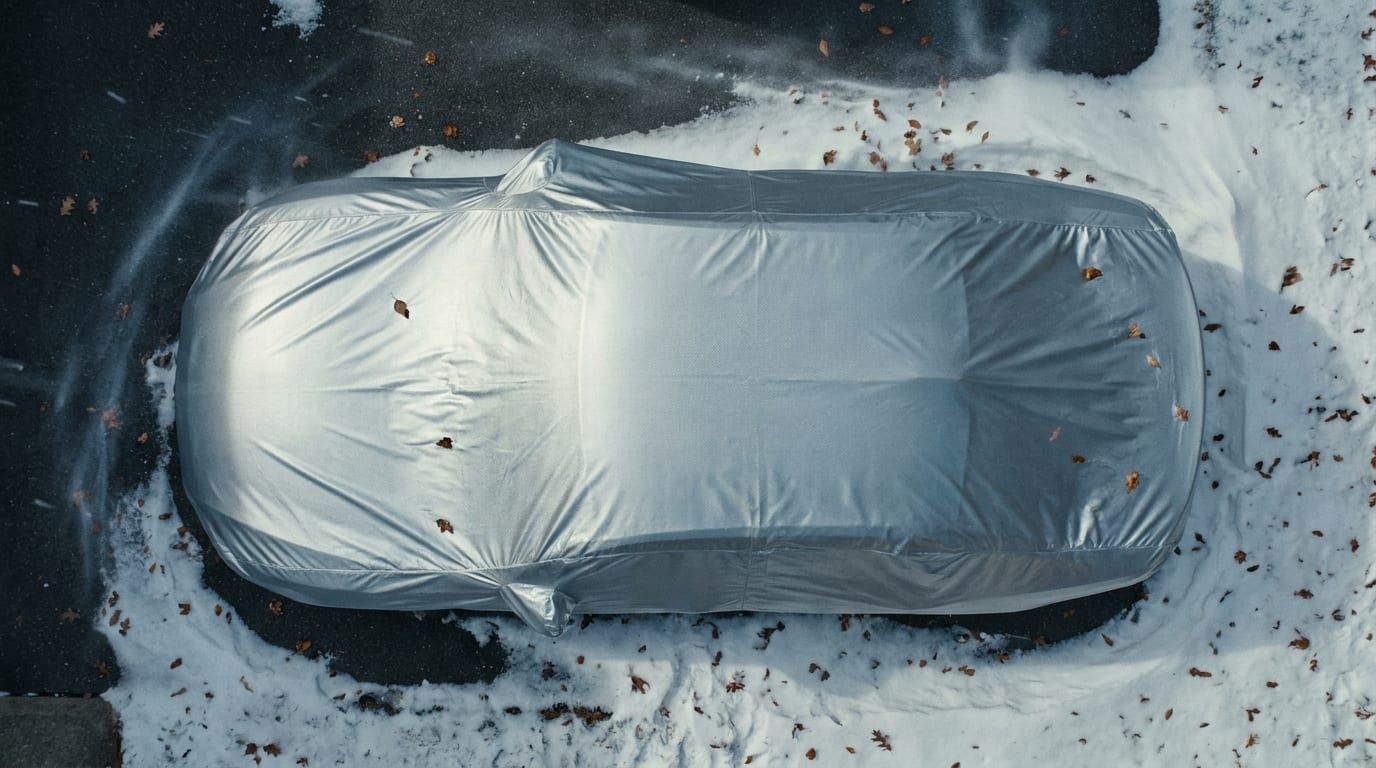
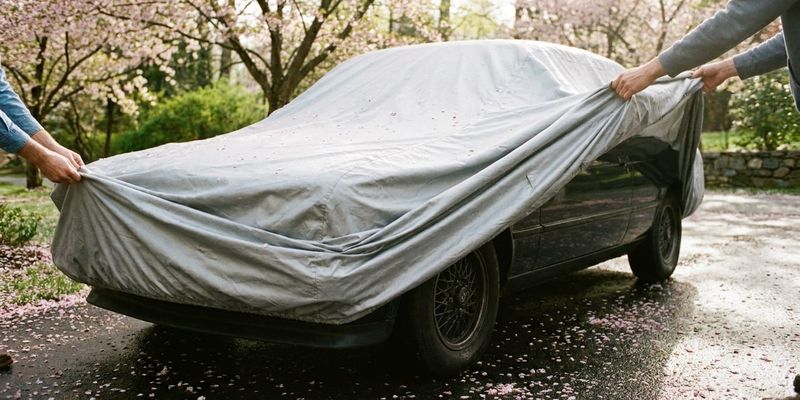
A wrong-size cover usually announces itself pretty quickly. If it's ballooning in the wind or flapping loose at the edges, it's too big. If the elastic hem sits well above your rocker panels, same problem. On the flip side, a cover that won't stretch fully over the body, or that you have to fight to get the mirror pockets anywhere near your actual mirrors, is too small.
Antenna cutouts and mirror pockets are good diagnostic tools here. If they land three inches off from where your hardware actually is, that's not a defect, that's a fit mismatch.
The most common cause, by far: picking a size range instead of your exact vehicle. Universal covers are often sold as "fits sedans 180-195 inches" or similar, and it's easy to guess wrong if you're estimating your car's length instead of checking it. Before you conclude the cover is faulty, go back and double-check it against the product listing's size chart or your order confirmation. Nine times out of ten, a loose or tight fit traces back to that range selection, not a manufacturing issue.
Before You Do Anything: Don't Install or Alter It
Here's the part people get wrong. Don't force a too-small cover onto the car, and don't start cutting or modifying a too-large one to make it work. Both of those moves can void your exchange eligibility, and once you've altered the product, it's no longer in sellable condition, which most return policies require.
Keep the cover, the storage bag, and any tags exactly as they arrived. Don't wash it, don't fold it a hundred different ways trying to make it fit. If you want backup documentation, lay the cover out next to your vehicle and snap a few photos showing the mismatch, mirror pockets in the wrong spot, excess fabric pooling at the bumper, whatever the issue is. That's useful if a return ever needs a second look.
While you're at it, dig up your order number and confirm the purchase date. Exchange windows are time-limited, so knowing where you stand on that clock matters before you do anything else.
The CarCovers Exchange Process, Step by Step
Once you've confirmed it's a sizing issue and you've left the cover untouched, the process itself is straightforward.
Step 1: Check eligibility. Review the return policy for the timeframe you're working with, and confirm the cover is unused, unwashed, and still in its original packaging. This is the gate that determines whether an exchange is even on the table.
Step 2: Contact support with the right details. Start the return through the help center or reach out directly, and have your order number ready along with the correct vehicle details, year, make, model, and body style. This is also where you fix whatever went wrong the first time around, so be specific.
Step 3: Ship the wrong-size cover back. Follow the return shipping instructions you're given. Depending on the circumstances, return shipping costs may or may not be on you, so it's worth confirming that detail when you first reach out rather than assuming.
Step 4: Get the correct size out the door. Depending on the policy terms at the time, the exchange may process automatically once the return is received, or you may need to place a new order for the correct size. Either way, this is where double-checking your vehicle details against a cover finder tool before resubmitting saves you a second round trip.
If you're unsure where you stand on any of this, the no-hassle guarantee is the relevant backstop for sizing mistakes specifically. It's worth reading the full terms there rather than guessing at what's covered.
Universal vs. Custom-Fit Covers: Does the Exchange Process Differ?
A little, yes. Universal and semi-custom covers (the ones sized by vehicle length range) are the most common source of fit mistakes, mostly because the sizing relies on you estimating where your car falls on a chart. The upside is these are also the easiest and fastest covers to exchange, since stock sizes are sitting on the shelf ready to ship.
Custom-fit covers work differently. These are built to a specific year, make, model, and trim, so an exchange isn't about picking a different letter off a size chart, it's about re-verifying those vehicle details were entered correctly in the first place. A mismatch on a custom-fit order is usually a data problem (wrong trim selected, wrong body style) rather than a true sizing error. That's exactly why providing exact trim and body style details upfront matters so much more here than on a universal cover. Get the details right at checkout, and you mostly skip this whole conversation.
One more thing worth separating out: a sizing exchange is not the same thing as a warranty claim. If the cover fits correctly but has a manufacturing flaw like stitching that's coming apart or a seam that failed, that's a warranty issue, not a sizing one, and it runs through a different process entirely. Don't send a warranty claim through the exchange channel or vice versa. You'll just slow things down.
How to Get the Right Size the First Time

The best fix for a wrong-size order is not ordering the wrong size in the first place. Obvious, but worth saying, because the tools to avoid it are right there and most people skip them.
Start with a cover finder tool that matches your cover to your exact year, make, and model instead of eyeballing a universal length chart. It takes the guesswork out entirely.
If you do go the universal route, measure your vehicle first: bumper to bumper, and including the mirrors if the cover has mirror pockets. Compare that number against the listed dimensions on the product page before you check out, not after the box shows up.
It's also worth reading a fit guide that breaks down sizing for different vehicle types. SUVs, trucks, and vans don't all follow the same rules a sedan does, and a chart built around sedan lengths can steer you wrong if you're covering something taller or boxier.
One rule of thumb if you're stuck between two sizes on a universal cover: size up. A slightly loose cover with a cinch strap is a minor annoyance. A cover that's too tight will strain seams and won't fully protect the car.
Final Takeaway: A Wrong-Size Order Isn't the End of the Road
So, what happens if you order the wrong size car cover? You exchange it. That's really the whole story, as long as the cover's kept in its original, sellable condition and the request comes in within the return window. It's a routine fix, not a crisis.
Before you place a replacement order, run your vehicle details through the cover finder one more time. A few extra seconds there is a lot cheaper than a second exchange.
Got questions about a specific order? Reach out through contact us or check the FAQ for quick answers, and if you're still deciding what to buy, it's worth browsing the sizing guide before you check out.