


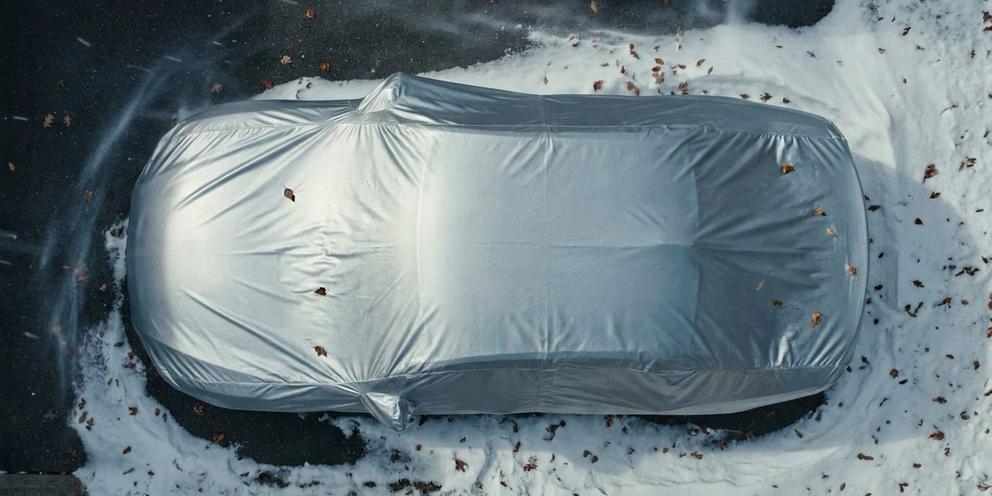
How Much Is a Car Cover for a Honda Civic? Price Guide by Fit and Feature
How Much Does a Car Cover for a Honda Civic Cost?
A car cover for a Honda Civic runs anywhere from $50 for a basic universal-fit option to $350 or more for a custom-fit, multi-layer weatherproof cover. That's a wide range, and it's not random. Where you land in it depends on three things: how closely the cover is shaped to your Civic, what the material is actually built to handle, and where the car spends its time when it's parked.
The Civic itself isn't the reason for the spread. It's a common sedan and hatchback shape, one of the most produced vehicles on the road, so you're not paying a rarity tax for weird sizing like you might with an obscure import. The variation in price comes almost entirely from fit type and fabric tier, not from anything specific to the Civic's dimensions.
So if you've searched "how much is a car cover for a Honda Civic" and gotten a dozen different numbers, this is why. This guide walks through what actually pushes the price up or down, so you can pick the tier that matches your situation instead of guessing and either overpaying for features you don't need or underbuying and replacing the cover in a year.
What Drives the Price of a Honda Civic Car Cover
Four factors do most of the work here.
Fit type is the biggest one. Universal covers are cut to a size range (compact sedan, midsize, etc.) and are the cheapest option because one design fits a bunch of different cars, loosely. Semi-custom covers are sized more specifically to a body style, like Civic hatchback versus Civic sedan, and cost more because there's more precision in the pattern. Custom-fit covers are patterned to the exact year and trim, hug the body lines, and sit at the top of the price range because of that added manufacturing precision. You can compare custom-fit car covers against looser options if you want to see the difference in person.
Material and layers come next. A single-layer polyester or polypropylene cover is going to be cheaper than a multi-layer laminated fabric with UV inhibitors and a waterproof membrane baked in. More layers means more manufacturing cost, but it also means the cover actually survives sun and rain instead of degrading after a season.
Extra features add up too. Built-in soft fleece lining, elastic hems for a snugger fit, grommets for running a cable lock, an antenna patch, mirror pockets. None of these are deal-breakers on their own, but a cover with all of them is going to cost noticeably more than a bare-bones version.
Storage environment rounds it out. A cover that only needs to handle garage dust is lighter and cheaper to build than one that needs to survive daily sun exposure, downpours, and snow load.
Price Breakdown by Cover Type and Tier
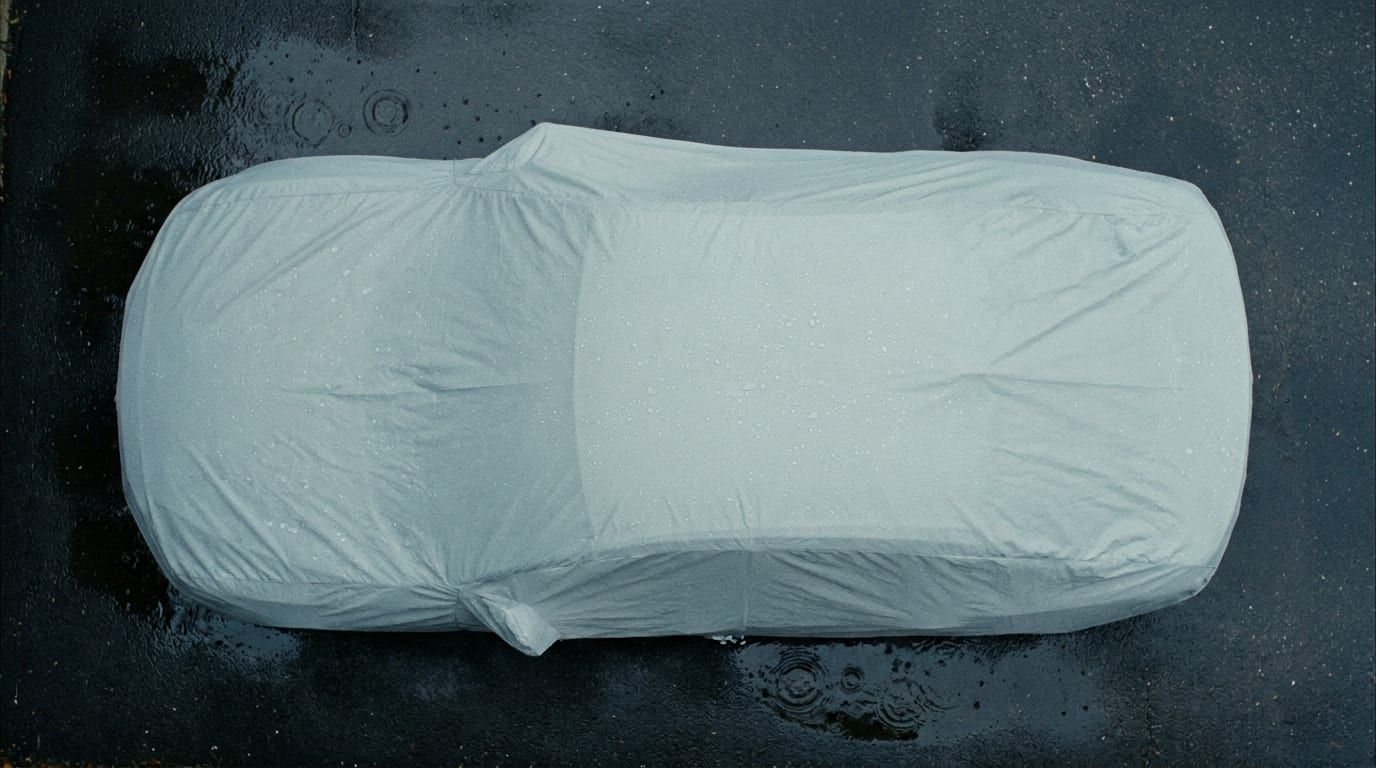
Here's roughly how the tiers break down for a Civic:
| Tier | Best for | What you're paying for |
| Basic outdoor | Occasional outdoor parking | Light rain and dust protection, single-layer fabric |
| Mid-tier/deluxe | Regular outdoor exposure | Added waterproofing, UV resistance, handles sun and light snow |
| Premium/platinum | Daily outdoor storage | Combined protection against sun, heavy rain, snow, and wind |
| Indoor satin | Garage-only use | Soft, non-abrasive fabric, no weatherproofing needed |
The basic outdoor tier sits at the low end and is fine if your Civic only sees the elements occasionally, like on a weekend trip or the odd night you can't fit it in the garage. Once you're parking outside regularly, the mid-tier deluxe covers make more sense: they add real waterproofing and UV resistance so the fabric doesn't chalk out or leak after a few months in the sun.
If your Civic lives outside full-time, the premium or platinum tier is where you want to be. These are built to handle sun, rain, snow, and wind all in combination, which is a much harder job than blocking just one of those. And if the car's garaged and you just want to keep dust and light scratches off the paint, the indoor satin tier gets you a soft, non-abrasive fabric without paying for weatherproofing you'll never use.
Browse the full car covers lineup to see current pricing across these tiers side by side. It's the fastest way to gauge where your budget actually lands once you know your storage situation.
Fit Considerations for Different Civic Generations and Body Styles
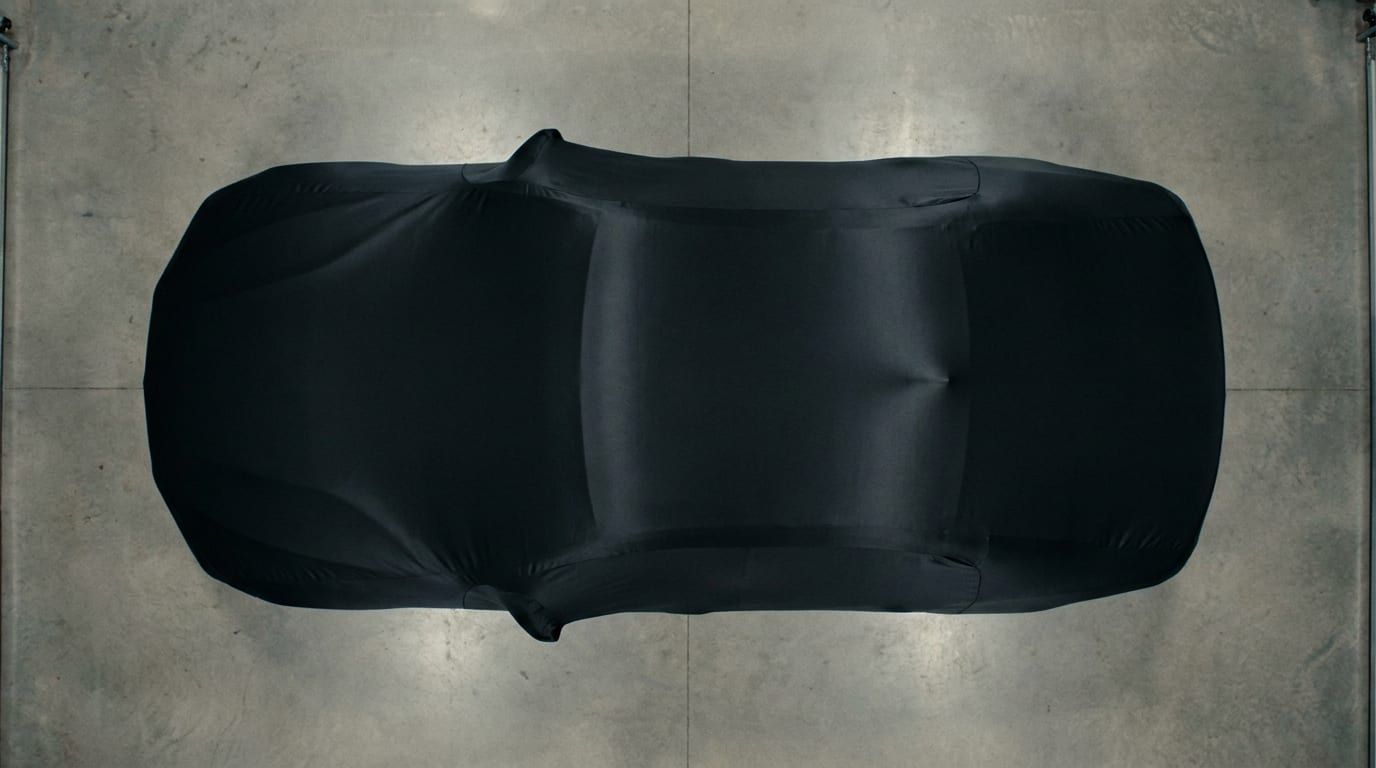
Not every Civic is shaped the same. The sedan, the hatchback, and the Si or Type R variants all have different rooflines, rear ends, and in some cases spoilers or wider body kits. A semi-custom or custom-fit cover sized to your specific generation is going to sit tighter and perform better than a generic universal cover draped over the top.
This matters more than it sounds like. A loose universal cover flaps in wind, and that flapping isn't just annoying, it grinds fine grit against your clear coat every time the wind picks up. Paying a bit more for a cover that's actually shaped to your Civic often saves the paint job that a cheap cover was supposed to protect in the first place. I'd rather spend an extra $50 upfront than deal with swirl marks from a cover that never fit right.
Check the Honda vehicle page to see what's available for your specific Civic, and use the car cover sizing guide to confirm fit before you buy. If your Civic is an Si or Type R with a rear wing, or if you've added a roof rack, look at the fit notes for that listing first. Some designs need a cutout or an add-on accessory to clear a spoiler cleanly, and it's a lot easier to check that before the cover shows up than after.
Indoor vs Outdoor Use: Does It Change the Price?
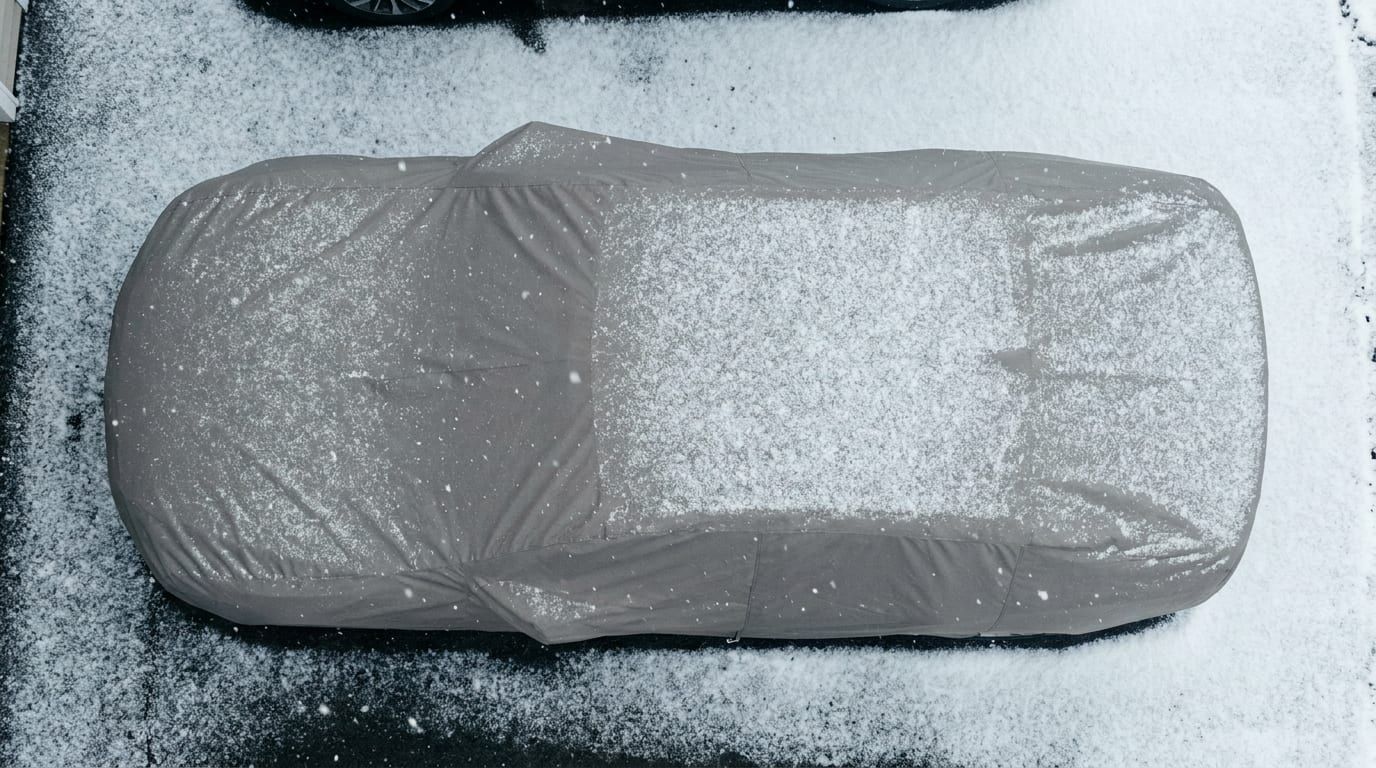
Yes, and this is one of the clearest cost levers you have. Indoor covers cost less because their job is simple: block dust, prevent light scratches from brushing against garage clutter, maybe stop a curious cat from using the hood as a scratching post. No UV shielding, no waterproofing, so less material and lower price.
Outdoor covers scale up with exposure. A cover for occasional outdoor parking doesn't need to be built the same way as one protecting a Civic that sits outside 365 days a year. The daily-exposure cover needs heavier laminated fabric, sealed seams, better UV resistance, and that costs more to produce.
The mistake I see people make is buying the premium all-weather cover "just in case," even though the car's garaged five nights out of seven. That's overpaying for protection you're not using. Match the cover to how you actually park the car, not to a worst-case scenario that rarely happens. Compare the indoor car cover guide against the outdoor car cover guide to see exactly what feature set you're getting at each price point before you commit to a tier.
Protecting Your Investment: Warranty and Care
A higher price tag only makes sense if the cover actually lasts. Before buying anything above the basic tier, check what the warranty actually covers. Some manufacturing defects show up months in, not on day one, and you want to know you're covered if the seams fail early or the coating starts flaking.
Care matters just as much as price tier. A $300 cover that gets balled up wet and thrown in a corner will wear out faster than a $100 cover that's washed and stored properly. Shake off debris before folding, avoid harsh detergents, let it dry fully before storage. Small habits, but they're the difference between a cover lasting three seasons or eight.
CarCovers backs its covers with a lifetime warranty, and the cover cleaning guide walks through washing and storage so you're not guessing. Think of proper care as the thing that actually justifies spending mid-tier or premium money upfront: it's usually cheaper over three or four years than replacing a $50 cover every single season because it degraded in the sun.
Finding the Right Cover and Price for Your Civic
The decision path here isn't complicated once you break it down. Figure out where the Civic actually sleeps at night, garage or driveway or street. Pick a fit type based on that: universal if budget is tight and fit precision doesn't matter much, semi-custom or custom-fit if you want it snug and want the paint protected. Then choose the tier that matches your actual weather exposure, not the most expensive option on the shelf.
If you want to skip the guesswork, the cover finder tool matches your Civic's exact year and body style to the covers that'll actually fit, along with current pricing.
Take a look at the Honda covers page or browse top-rated car covers to see what other Civic owners are landing on. Spending a bit more upfront for the right fit and weatherproofing almost always works out cheaper than replacing a cover that failed a year in. If you found this useful, stick around the CarCovers blog for more guides like it before you make your next purchase.
Updated