


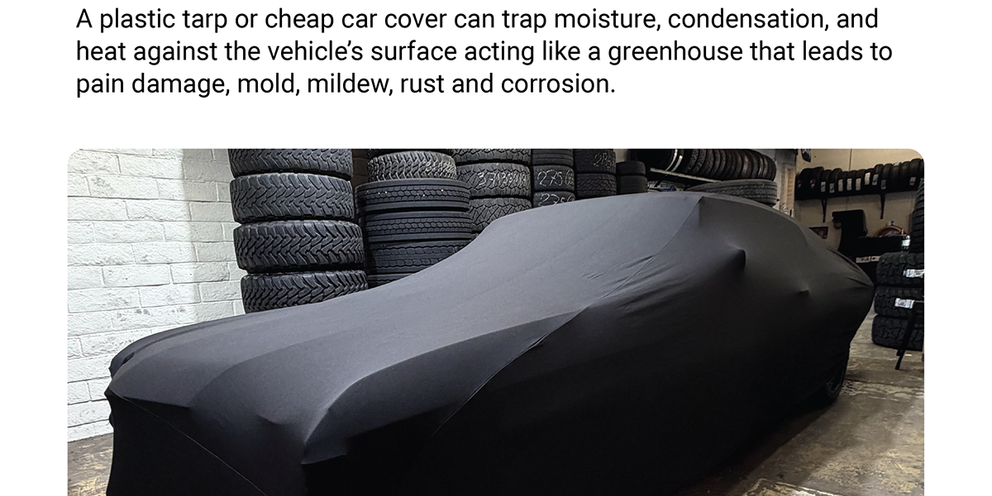
How Much Is a Car Cover for a Honda Odyssey? Price Ranges Explained
How Much Is a Car Cover for a Honda Odyssey?
A car cover for a Honda Odyssey typically runs $60 to $120 for a basic universal-fit cover, $120 to $200 for a semi-custom fit, and $200 to $300 or more for a fully custom-fit, multi-layer weatherproof cover. That's the honest range you'll see across most retailers, and where you land in it depends less on the badge on the box than on how precisely the cover is cut and how much weather it's built to handle.
So when people ask how much is a car cover for a Honda Odyssey, the real answer is: it depends on fit precision and protection level, not brand prestige. A $250 cover isn't better because of the name printed on the tag. It's better because it's using more layers, tighter tolerances, and better waterproofing than a $70 one.
Worth knowing up front: the Odyssey is a minivan, and at roughly 203 inches long, it sits toward the larger end of what universal sizing charts account for. That length (plus the sliding doors and boxier roofline) means a generic "van" cover sized loosely for the category will fit worse on an Odyssey than it would on a compact sedan. That's part of why semi-custom and custom options tend to earn their higher price on this vehicle specifically.
What Actually Drives the Price of an Odyssey Cover
Three things move the number on the price tag, and it's rarely just one of them in isolation.
Fit type is the biggest factor. Universal covers are cut to a general size range (say, "fits vans 200-210 inches") and are the cheapest because one pattern serves dozens of vehicles. Semi-custom covers narrow that down to the minivan class specifically, accounting for typical roofline and mirror placement. Custom-fit covers are patterned to the actual Odyssey generation and trim, which costs more to produce but fits the way a tailored jacket fits versus something off the rack.
Material and layer count matter just as much. A single-layer polypropylene dust cover is thin, light, and cheap. It'll keep dust and casual scuffs off the paint but won't do much in real weather. Multi-layer laminated fabrics with UV and waterproof coatings cost more to manufacture and sit at the top of the price range for good reason: they're doing more work.
Use case splits the pricing too. Indoor-only covers skip waterproofing and UV treatments entirely, which keeps costs down. Outdoor all-weather covers need to survive rain, sun, and temperature swings, so they carry the added cost of the waterproof car covers category rather than the lighter indoor tier.
Then there are the extras that nudge a specific product up in price: built-in cable locks, grommets for tie-downs, reflective panels, and mirror pockets cut for the Odyssey's side mirrors. None of these are essential, but they add real cost to manufacture, and you'll see them concentrated in the mid-to-premium tiers.
Price Breakdown by Cover Tier
Here's roughly how the tiers shake out for an Odyssey specifically.
| Tier | Price range | What you get |
| Basic/economy | $60-$120 | Lightweight single-layer material, universal minivan sizing, dust and short-term indoor protection only |
| Mid-tier/all-weather | $120-$200 | Multi-layer woven fabric, water-resistant coating, semi-custom sizing that accounts for sliding doors and roofline |
| Premium/custom-fit | $200-$300+ | Custom pattern for the specific model year, waterproof and UV-treated shell, reinforced grommets, included cable/lock |
The basic tier is fine if you're storing the van short-term in a garage or just want to keep pollen and dust off it between weekend drives. It's not designed to fight rain or sun, so don't expect it to.
The mid-tier is where most Odyssey owners parking outside at least part-time should be looking. It's built with the Odyssey's sliding doors and boxy roofline in mind, which matters more than it sounds like it should. A cover that doesn't account for those features tends to gap around the door tracks.
The premium tier is for owners who want the cover to last years, not seasons. Custom-fit means it's patterned to your specific Odyssey generation, and the reinforced hardware (grommets, included lock) is meant for daily outdoor use in rough weather.
One caveat: sale pricing and bundled accessories, like a cover care kit thrown in, can shift where an individual product actually lands within these ranges. Don't assume list price tells the whole story.
Why the Odyssey's Size and Generation Matter
Honda's changed the Odyssey's body shape more than once. The 4th generation (roughly 2011-2017) and the 5th generation (2018 onward) don't share the same exterior dimensions, so a cover cut for one won't sit right on the other. A truly custom-fit cover needs to match the correct generation to wrap snugly around the doors, mirrors, and rear liftgate.
This is where a mismatched universal cover shows its weaknesses. If it's too loose, wind gets underneath it and it flaps, which over time wears at the fabric and can scratch the paint underneath. Water can also pool near the sliding door tracks if the cover doesn't seal against the body there. That's exactly the problem semi-custom and custom sizing solve, and why they cost more. Before buying anything, it's worth running your VIN or model year through a vehicle cover size finder rather than assuming "minivan" sizing is close enough.
Trim differences add another wrinkle. Roof rails, running boards, or aftermarket add-ons on certain Odyssey trims can throw off an otherwise good fit. Check the sizing details on the listing rather than assuming one size fits every trim year to year. For Odyssey owners who want a cover actually built around the vehicle's real dimensions, Honda van covers is the place to start narrowing things down.
Indoor vs. Outdoor Use: Where to Spend More

If your Odyssey lives in a garage, don't overspend. A lower-cost indoor car cover focused on dust and light scratch protection does the job. You're not fighting rain or sun in there, so there's no reason to pay for waterproofing you won't use.
If it's parked outside year-round, this is where spending more actually pays off. A waterproof, UV-resistant outdoor car cover prevents sun fading on the dashboard and paint, and cuts down the rust risk that comes from moisture getting trapped against the body. Skimping here tends to cost more in the long run through paint damage and interior wear than it would have cost to just buy the right cover upfront.
Climate should guide the decision too. If you're in a hail-prone or high-UV region, the premium tier is worth it. If your Odyssey mostly sits under a carport or in a mild, low-sun climate, you can probably get away with the mid-tier and save the difference.
Fit, Warranty, and Care: What to Check Before You Buy
A few things worth confirming before you check out.
First, make sure the listing actually specifies Honda Odyssey and the correct model year range, not just "minivan" or "van" generic sizing. That distinction is the difference between a cover that fits and one that flaps.
Second, look at the warranty. A longer warranty usually signals the manufacturer trusts the material to hold up, and that durability is part of what you're paying for at the higher end. Check the lifetime warranty coverage details on any cover you're seriously considering before you commit to the premium tier.
Third, factor in care requirements. A cover that needs special cleaning or careful folding into a storage bag takes more upkeep, and skipping that upkeep shortens its life regardless of what you paid. The guide to cleaning a car cover is worth a quick read before your first wash, since some materials shouldn't go anywhere near a standard detergent.
Find the Right Cover for Your Odyssey
Bottom line: expect to pay $60 to $300 or more for a Honda Odyssey cover, with custom-fit outdoor covers at the top of that range and basic dust covers at the bottom. Fit precision and weather protection are the two levers that actually move the price, not the brand name on the label.
Before you compare prices side by side, run your exact Odyssey model year through a fit finder tool so you're comparing covers that would actually fit your van, not just ones labeled "minivan." It's a five-minute step that saves you from buying twice.
If you want to go deeper on why a properly fitted cover matters in the first place, our guide on why you should buy a car cover is worth a read, and it's a good one to bookmark or share if you're still deciding what tier makes sense for how and where you park.
Updated