


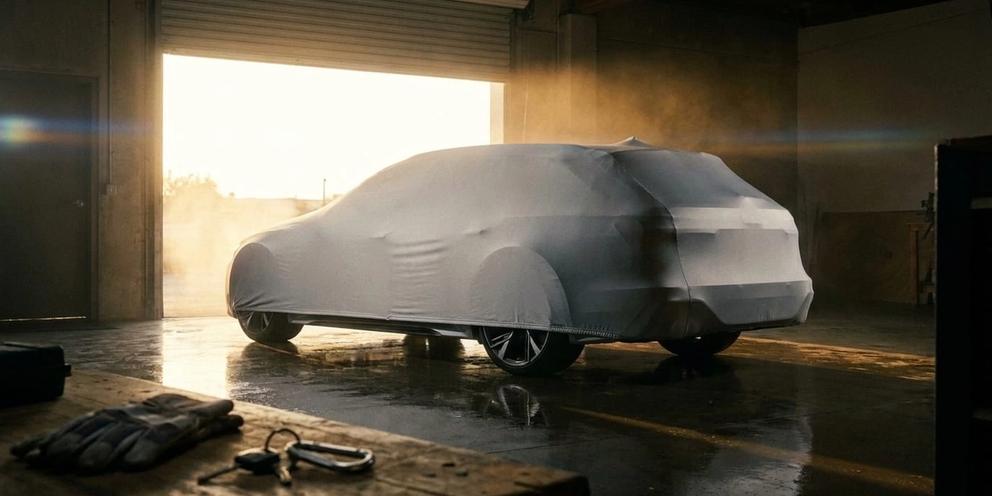
How Much Is a Car Cover for a Subaru Outback? Price Guide by Type
A car cover for a Subaru Outback runs anywhere from $50 for a basic universal-fit cover to $350 or more for a custom-fit, multi-layer weatherproof version built for your exact model year. If you're wondering how much is a car cover for a Subaru Outback worth spending, the honest answer depends less on brand and more on where the car sleeps at night. A garage-kept Outback in Arizona has very different needs than one parked on a Minneapolis driveway through January.
How Much Does a Subaru Outback Car Cover Cost?
Here's the general breakdown: basic universal-fit covers land around $50 to $80. Semi-custom covers, sized for the Outback's general body class rather than its precise contours, run $120 to $220. Custom-fit covers, built from the Outback's actual dimensions with multiple weatherproof layers, go for $200 to $350 or more.
Generation matters here too. The 2010-2014 Outback, the 2015-2019 redesign, and the 2020+ model all have slightly different lengths and roofline shapes. A cover cut for one generation won't sit right on another, which is why a "universal wagon fit" cover often leaves gaps around the hatch or mirrors no matter which year you own. Custom patterns account for those differences; universal ones just split the difference and hope for the best.
So when someone asks how much is a car cover for a Subaru Outback, the real question underneath it is: how much protection do you actually need? A cover that lives in a garage and only fights off dust doesn't need the same armor as one that sits outside through hail season. Price should track your actual exposure, not whatever cover has the biggest logo on it.
What Actually Drives the Price Up or Down
Four things move the number more than anything else.
Fit type. Universal covers are cheap because they're made in bulk to roughly fit a size category. Semi-custom covers narrow that down to "midsize wagon" or similar. Custom-fit covers use the Outback's own pattern, which costs more to produce but actually stays put and protects the paint instead of rubbing against it in the wind.
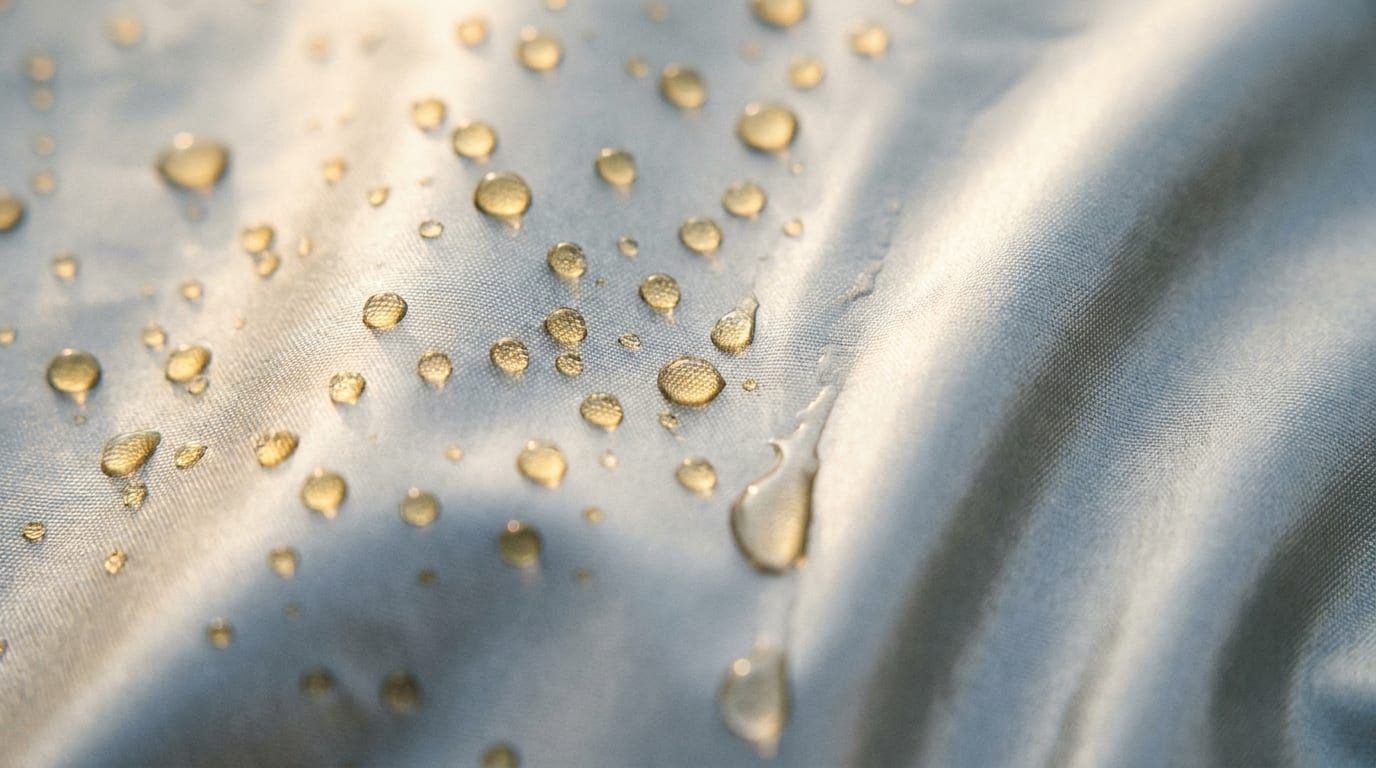
Material layers. A single-layer indoor cover is basically soft fabric meant to catch dust. Multi-layer outdoor covers add UV-blocking film, a waterproof middle layer, and a breathable lining so moisture doesn't get trapped underneath. More layers, more cost, but also a cover that actually survives a season outside instead of degrading after a few months of sun.
Hardware. Grommets for a cable lock, built-in straps, or a cinching system at the mirrors all add a few dollars but cut down on theft risk and wind-lift, which is the main reason cheap covers end up in a ditch two houses down after a storm.
Climate. A dust cover and a cover rated for snow and hail are not the same product, even if they look similar folded up in a bag. The ones built for harsher weather carry extra laminate and reinforced seams, and that shows up in the price.
Price by Cover Type: Indoor, Outdoor, and All-Weather
Breaking it down by use case makes the pricing easier to map to your situation.
| Cover Type | Price Range | Best For |
| Indoor/dust cover | $50 to $90 | Garage-kept Outbacks, light dust and scratch protection, not waterproof |
| Outdoor all-weather cover | $130 to $250 | Daily outdoor parking, mixed climates, UV and water resistance |
| Premium/heavy-duty cover | $250 to $350+ | Harsh climates, long-term outdoor storage, hail-level protection |
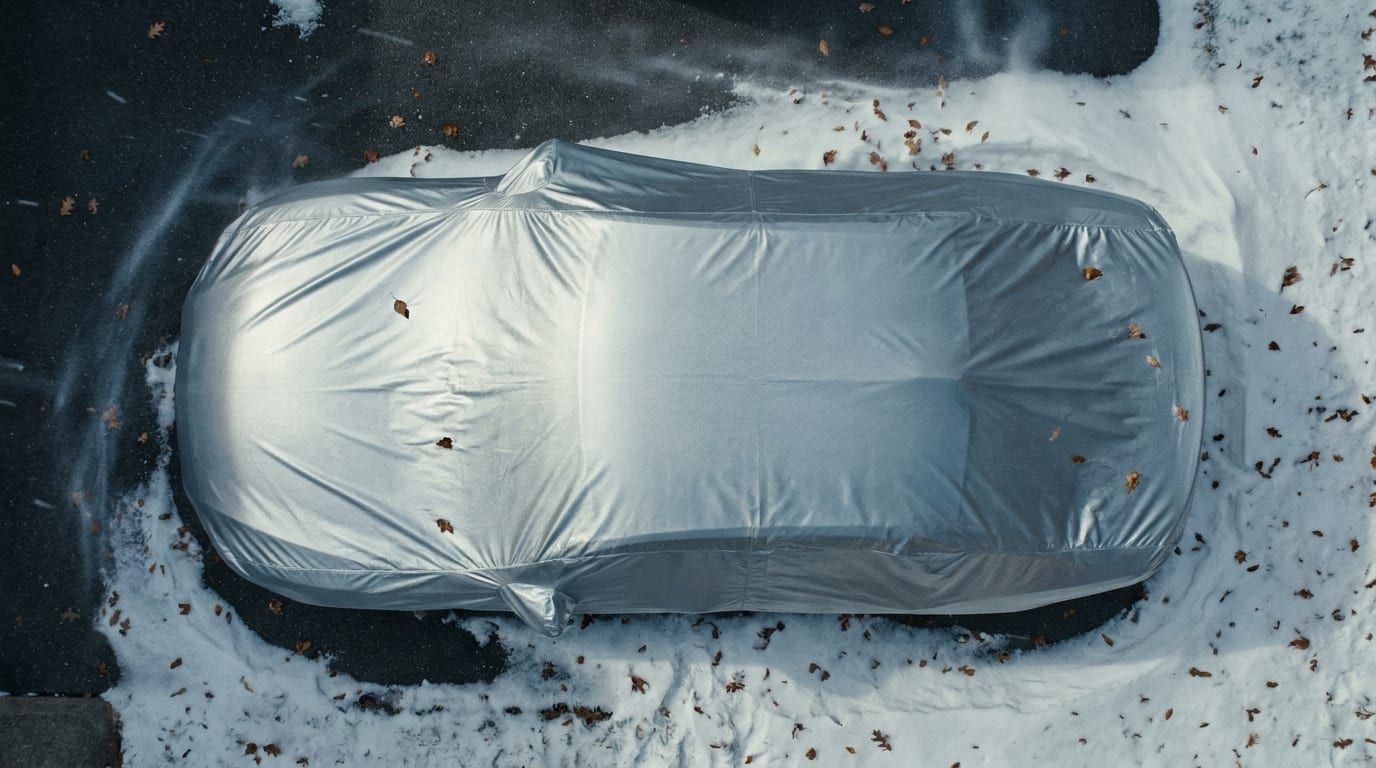
If your Outback never leaves the garage, don't overspend on a heavy-duty outdoor car cover. A basic indoor cover does the job and protects the clear coat from dust scratches during cleaning. But if the car sits on a driveway through rain, sap, and bird droppings, the $50 option is a short-term fix at best. Layered, waterproof car covers cost more up front because they're doing more work, blocking moisture while still letting trapped humidity escape so you don't trade rain damage for mildew.
Owners in genuinely rough climates, think regular hail, heavy snow load, or intense coastal sun, should budget for the premium tier. It's the one place where spending more up front is a straightforward trade, not a marketing upsell.
Custom-Fit vs. Universal: Is the Price Difference Worth It for an Outback
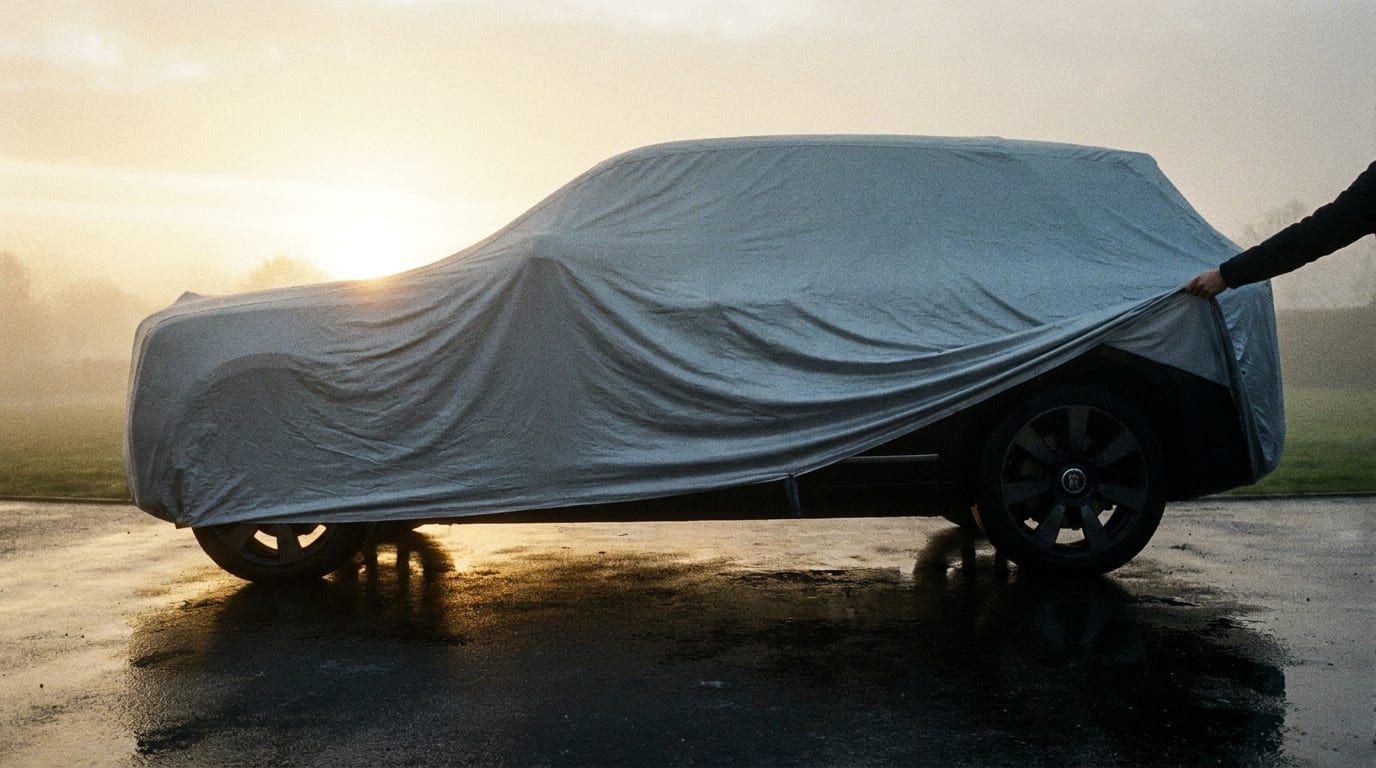
Universal covers win on price. That's really their only advantage. They're loose by design, which means wind gets underneath them, and a loose cover flapping against the hood for months will leave fine scratches in the paint. The Outback's wagon-style roofline and rear hatch also make universal covers prone to gapping right where water collects.
A custom-fit car cover costs more, sometimes double a universal option, but it's cut to match the Outback's mirrors, roof rails, and rear spoiler if your trim has one. Less flapping means less abrasion. Tighter seams mean less water pooling in the wrong spot.
The real question isn't "which is cheaper." It's how long you're keeping the car and how much outdoor exposure it gets. If you're planning to sell in a year and the car's garaged most of the time, universal is fine. If this is a long-term vehicle parked outside regularly, the custom-fit premium pays for itself in avoided paint correction work alone.
Where to Find the Right Fit and Price for Your Outback
Rather than guessing which tier fits your situation, it's worth checking Subaru-specific cover options directly, since pricing and fit vary by generation and trim. Subaru also makes the Outback in an SUV-adjacent body style depending on the model year, so it's worth glancing at the Subaru SUV cover lineup too if you're not sure which category your exact trim falls under.
If you'd rather not scroll through every option, the cover finder tool narrows results down by your exact Outback year and trim instead of leaving you to guess. And if you're still unsure whether your situation calls for custom or universal, there's a sizing guide that walks through the tradeoffs in more detail than a product page usually bothers to.
Protecting the Purchase: Warranty and Care
A $300 custom-fit cover sounds steep next to a $60 universal one, until you look at warranty length. Custom covers typically carry longer coverage periods, which changes the real math. A cover that costs five times more but lasts three times longer and comes with a stronger warranty isn't actually the expensive option over a five-year ownership period.
It's worth checking the warranty terms before buying anything, because that's part of the real cost, not a footnote. A cheap cover with no warranty that needs replacing every year will cost more over time than it looks like on the price tag.
Basic care matters too. Covers that get cleaned properly instead of left to collect grime last noticeably longer, regardless of tier. Dirt and tree sap left to sit will wear down even a good multi-layer fabric faster than normal UV exposure would on its own. Five minutes with a hose and mild soap every few weeks stretches the life of whatever cover you bought, which quietly lowers your real cost per year of protection.
Bottom Line: What to Budget for a Subaru Outback Cover
If you're still asking how much is a car cover for a Subaru Outback before you buy, here's the short version: budget buyers with a garage-kept car do fine with a $50 to $90 indoor cover. Most Outbacks parked outdoors regularly land comfortably in the $130 to $250 outdoor tier. If you're dealing with hail, heavy snow, or intense sun for months at a time, plan on $250 or more for a premium, reinforced cover.
Shop by your actual Outback year and trim rather than grabbing the first wagon-shaped cover you find. Outbacks tend to stay in families for a decade or more, and a cover that actually fits is one of the cheapest ways to protect that resale value over the long haul. If you're the type who likes to read up before buying, it's worth browsing a few more car care guides while you're at it. The right cover is a small expense next to what it's protecting.
Updated