


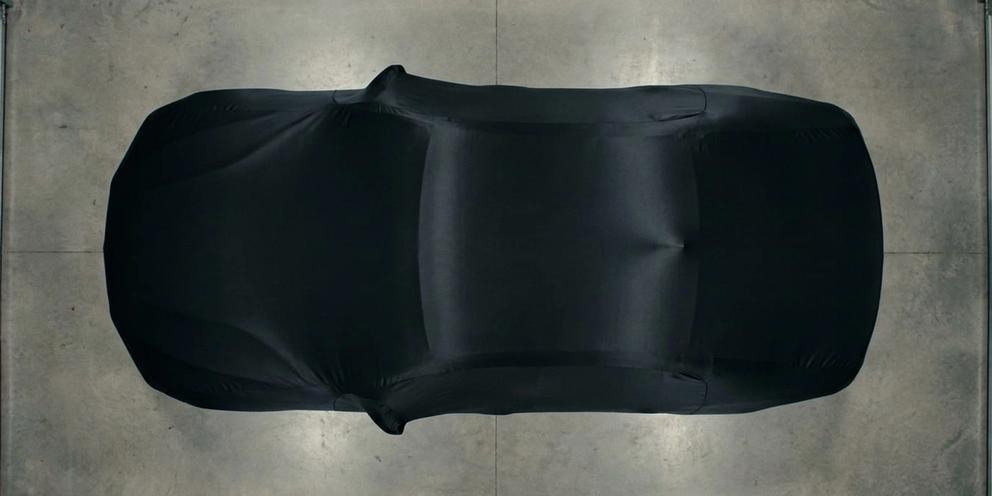
Indoor Car Cover for Ford Bronco: Soft-Lining Dust Protection for Garage-Kept Rigs
Leave a Bronco uncovered in the garage for a few weeks and you'll notice it: a fine gray film across the hood, dust settled into the cowl, maybe a smudge on the windshield from a shop rag someone grabbed off the shelf. None of that comes from weather. It comes from just existing in a space with airflow, foot traffic, and stuff stacked against the walls. An indoor car cover for Ford Bronco owners isn't about keeping rain off. It's about keeping that daily layer of grit from turning into scratches the next time somebody wipes it down dry.
Why Your Garage-Kept Bronco Still Needs an Indoor Cover

A closed garage feels sealed off, but it isn't. Dust, pollen, drywall particles, sawdust from a weekend project, they all drift in through the door seams and settle on flat surfaces overnight. Wipe that off with a dry towel and you're basically running sandpaper across your clear coat. Most swirl marks on a garage-kept vehicle come from cleaning, not from the garage itself.
Then there's everything else sharing that space. Rodents love engine bays and wheel wells. Pets brush past bumpers. Bikes lean against fenders, tool handles swing a little too close, moving boxes gets messy fast. An uncovered Bronco parked next to a workbench is exposed to more contact than most owners realize.
This is where indoor covers earn their keep, and where they differ completely from the outdoor kind. Outdoor covers are built to fight rain, UV, and wind. Indoor covers are built to fight dust and abrasion with a soft lining that won't work against the paint. If you're browsing SUV covers for a Bronco specifically, that distinction should drive the whole buying decision: lining quality and fit matter more than any weatherproof rating you'll see on the box.
What Makes an Indoor Cover Different From an Outdoor Cover
Outdoor covers are heavy for a reason. Laminated shells, taped seams, waterproof coatings, all of it adds weight and stiffness to survive rain and sun. Indoor covers skip that entirely. They're built from lighter, breathable fabric with a soft fleece or satin-style inner lining, because the only job is protecting paint from dust and light contact, not surviving a thunderstorm.
That doesn't mean breathability stops mattering once you're indoors. It doesn't. A garage can still trap humidity, especially if it's attached to the house or sits near a water heater. A cover that doesn't breathe traps that moisture against the paint and can leave faint marks over time, the same way a plastic tarp left on a car creates condensation rings. So the fabric still needs to move air, it just doesn't need to block it.
If you want the full breakdown of when indoor makes sense versus outdoor, this guide to using car covers inside walks through it in more depth than we can here. Worth a read before you commit to either type, especially if your Bronco splits time between a covered carport and a fully enclosed garage.
Ford Bronco Fit Considerations: Hardtop, Softtop, and Roof Racks
The Bronco isn't a one-size vehicle, and covers shouldn't pretend it is. A two-door and a four-door have meaningfully different body lengths, so seams, elastic hems, and mirror pockets all need to sit in different spots depending on which one you own. A cover cut for the four-door will hang wrong on a two-door, bunching fabric at the rear and leaving a slack pocket that flaps against paint.
Roof setup matters just as much. Hardtop Broncos with roof racks or antennas need extra clearance built into the pattern, or a patch-compatible design that doesn't force fabric down against hardware it wasn't shaped for. Softtop models are trickier still: press a cover down against soft top fabric for weeks at a time and you risk creasing or transfer marks where the two materials rub. And then there are the fender flares, wide and distinctly Bronco, which need a cutout that clears them cleanly instead of dragging fabric across the edge every time you pull the cover on or off.
None of this is exotic engineering, but it does mean a generic SUV pattern won't cut it. If you want to see what's actually built around Ford's specific body lines, the Ford vehicle cover page is the place to start browsing by trim.
Dust and Scratch Protection: What the Lining Should Actually Do
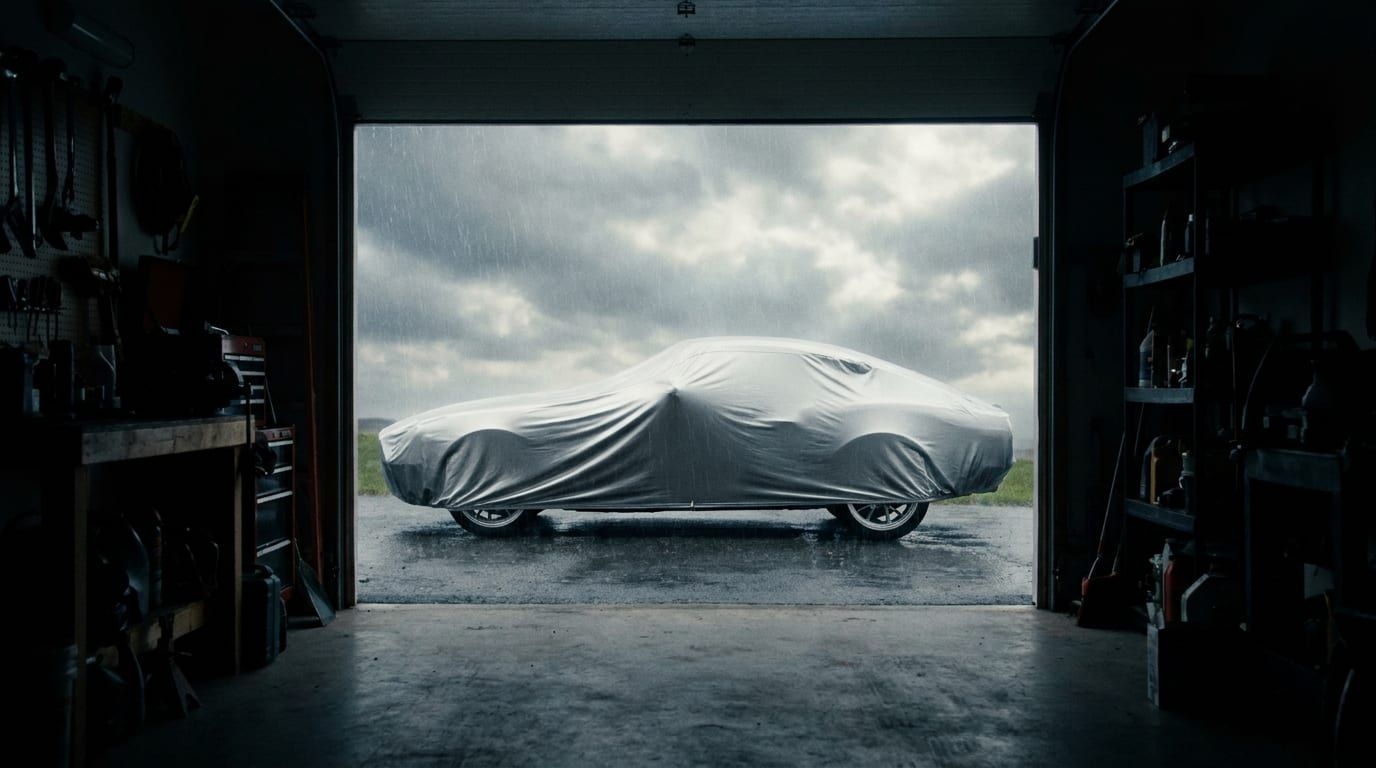
Here's the part that actually determines whether a cover protects paint or just protects it in theory: the lining. A soft fleece or micro-brushed inner layer keeps the fabric itself from grinding whatever dust it's picked up into the clear coat every time it shifts, and it will shift, even sitting still.
The high-friction zones are where this matters most. Hood edge, roofline, door creases, anywhere the cover naturally settles and re-settles as it's installed or removed. A rough lining at those points is basically a scouring pad in slow motion. A good one glides.
Static resistance plays a bigger role here than most buyers expect. Fabric that holds a static charge pulls in more airborne dust and holds it against the paint between uses, which defeats the purpose of a soft lining before it even does its job. And fit ties into all of this too: a cover that's snug but not skin-tight resists the small air currents that come from a garage door opening or an HVAC vent kicking on, which means less fabric movement against the paint overall. Products like the indoor black satin cover lean into this exact combination, non-abrasive lining plus a fit close enough to limit shifting.
Custom-Fit vs. Universal Indoor Covers: Which One a Bronco Owner Should Buy
This is really the whole decision, boiled down. Custom-fit covers follow the Bronco's actual body lines, flare cutouts included. Universal covers are cut to a generic size range and left to figure it out, which usually means loose fabric bunched at the front, sagging at the back, flapping a little anywhere the shape doesn't match.
That loose fabric is the problem. Even with a soft lining, fabric that moves against paint over time will eventually leave its mark, just slower than an abrasive cover would. A custom fit removes most of that movement before it starts. It's also just faster to use: covers built for a specific model come with marked panels and mirror pockets that go on the same way every time, instead of the shuffle-and-adjust routine a universal cover demands.
Universal covers do cost less upfront, no argument there. But they tend to get replaced sooner, worn through at the same friction points a custom fit avoids entirely. For a Bronco specifically, with its flare width and rack variations across trims, custom-fit car covers are the more sensible default for daily garage storage, and the lifetime warranty on car covers makes that upfront cost easier to justify since you're not gambling on a cover that wears out in a season.
Sizing It Correctly the First Time
Don't size a Bronco cover off a generic "mid-size SUV" chart. Measure by year and trim, because the Bronco's dimensions shift enough across configurations that a chart built for SUVs broadly will get you close but not right.
Accessories change the math too. A roof rack, a light bar, oversized mirrors, any of these can push you toward a different size or a cutout variant than the base listing assumes. Skip this step and you'll end up with a cover that's technically the right model but wrong for your actual truck.
The sizing guide for car covers walks through measuring points if you're not sure where to start. And here's a quick sanity check once your cover arrives: look at the storage bag. A true custom fit usually ships in a bag sized to that specific product, not a generic one-size sack that fits everything from a sedan to a full-size SUV. If the bag looks like an afterthought, the fit probably is too. Worth knowing that returns are an option if what shows up doesn't match what you measured.
Installing and Caring for a Soft-Lining Indoor Cover
Wash and dry the Bronco before the first time you cover it. Sounds obvious, but skipping this step means trapping road film or dust under the fabric on day one, which undercuts the whole point of a soft lining before it's even had a chance to do its job.
Between uses, fold the cover back into its storage bag rather than draping it over a shelf or leaving it bunched on the floor. A lining that's collecting its own dust pile in storage isn't doing you any favors the next time it goes on the vehicle.
When it's time to actually clean the cover itself, don't just toss it in with a load of towels. The cover cleaning guide covers what actually works without breaking down the lining, and it's worth following closely. High heat in the dryer and harsh detergents both degrade that soft inner layer over repeated washes, and once it's damaged, it starts acting more like the abrasive fabric you were trying to avoid in the first place.
Get the Right Indoor Cover for Your Bronco
The combination that actually protects a garage-kept Bronco is simple: custom fit, soft breathable lining, nothing more complicated than that. Skip either half and you're either fighting loose fabric or fighting a lining that's rough enough to work against you.
If you're on the fence about spending more upfront, remember that a cover backed by a real warranty is a different purchase than a cheap universal tarp that needs replacing in a year. It's worth taking a few extra minutes to browse Bronco-compatible indoor covers and run your measurements through the sizing guide before you check out. And if you're still unsure about fit, ordering isn't a big risk, most of these purchases can be adjusted or returned if something's off. Take the time to get it right once, and your Bronco's paint will thank you every time that garage door opens.
Updated