


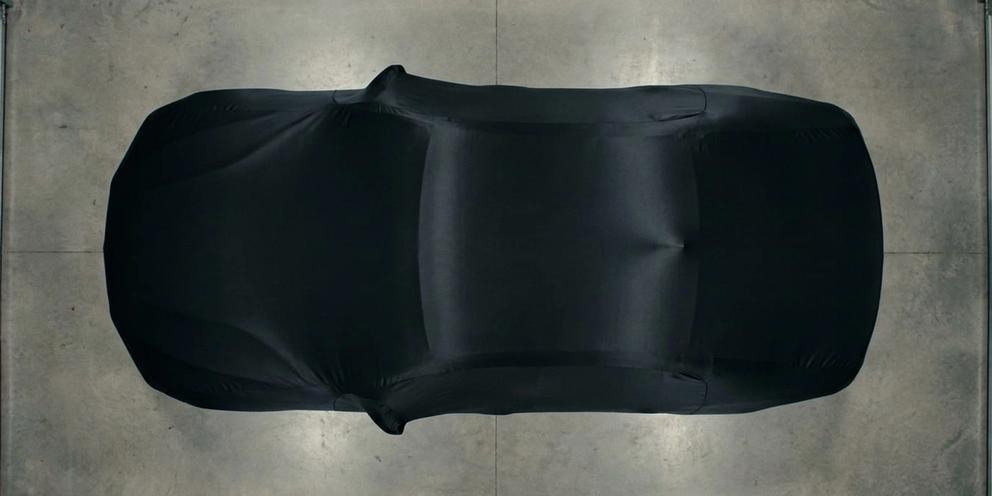
Indoor Car Cover for Ford Explorer: Soft Lining & Dust Protection for Garage Storage
Your Ford Explorer lives in the garage, doors down, keys hung up, and you figure it's safe. It mostly is. But "mostly" is doing a lot of work in that sentence. Dust doesn't care that the door's closed, and neither does the fine grit that settles on paint overnight. That's the gap an indoor car cover for Ford Explorer owners is built to close, and it's a smaller, more specific job than most people assume a cover needs to do.
Why Your Garage-Kept Ford Explorer Still Needs an Indoor Cover
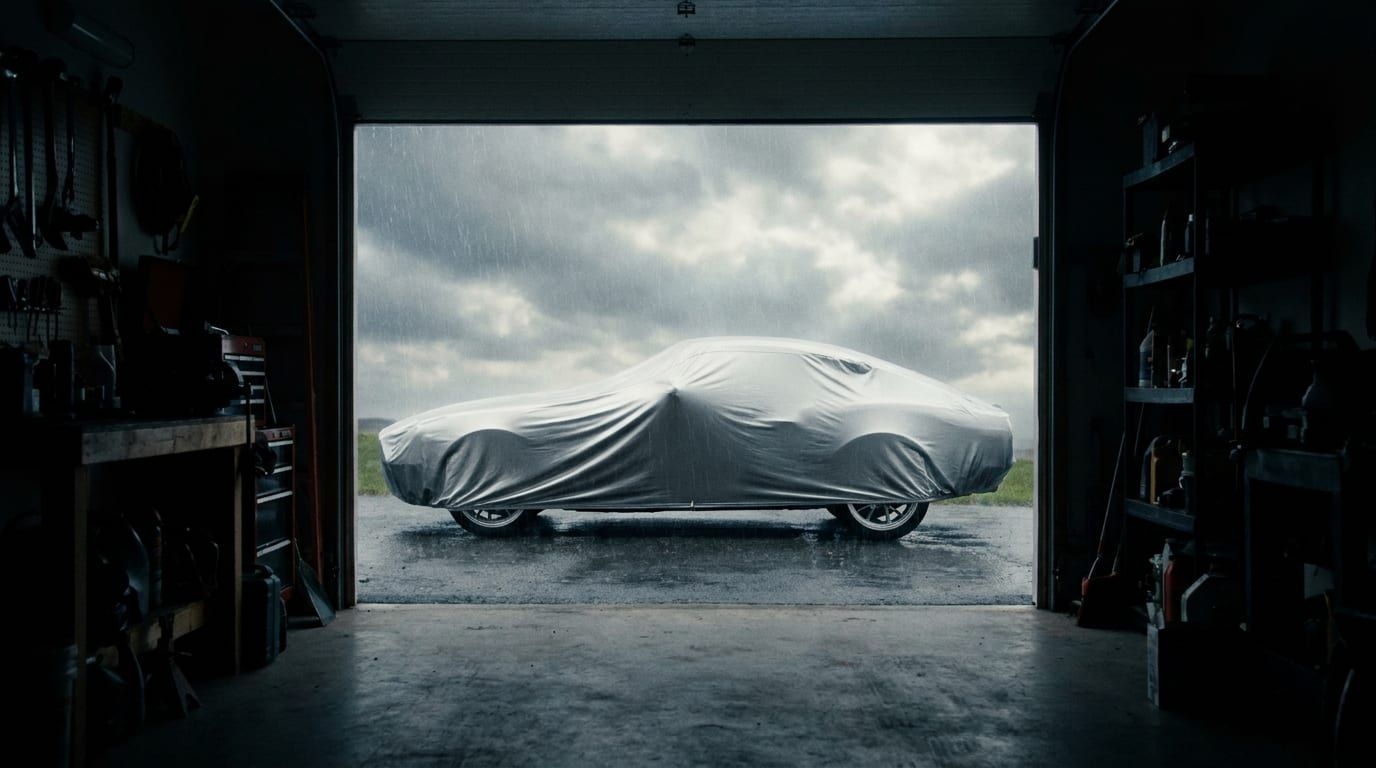
A closed garage isn't a clean room. Dust, pollen, and whatever else is floating around settle on horizontal surfaces constantly, and a parked Explorer has plenty of those: hood, roof, liftgate glass. Give it a few weeks and that dust isn't just sitting there anymore. It's a fine, gritty layer that acts like sandpaper the moment anything brushes against it, including your hand wiping it off.
Garages also do something drivers don't think about much: they hold onto humidity and temperature swings. A cold night followed by a warmer morning can put condensation right on your paint and interior trim, even with the door shut tight. And if the garage is shared space, doubly so if it's also storage for bikes, tools, or a workbench, the odds of a scuff or a paint swirl go up every time someone squeezes past the Explorer's flank.
None of this is rain. None of it is UV damage. It's dust, light moisture, and the occasional bump, and that's exactly the problem set a soft-lined indoor cover is built to solve. It's not trying to be a suit of armor against a hailstorm. It's trying to keep your paint the way it looked the day you parked it.
What Makes a Cover 'Indoor-Grade': Soft Lining Explained
Here's the distinction that actually matters: indoor covers use a brushed or fleece-backed lining on the inside, the side that touches your clear coat. Outdoor covers usually don't bother, because they're built around a single tougher layer meant to shed water and block sun. Against static, still air in a garage, an outdoor fabric can actually be rougher on paint than you'd expect, especially if the cover shifts even slightly.
The lining also needs to breathe. A garage is an enclosed space, so any moisture that does form has to have somewhere to go. Lightweight, breathable material lets that happen instead of trapping it against the paint.
This is where a lot of buyers get it backwards. They assume waterproof is always better. Indoors, it isn't. A waterproof membrane keeps moisture out, sure, but it also keeps it in, and condensation trapped between a sealed cover and your paint is worse than no cover at all. Outdoor covers are built to fight rain and sun. Indoor covers are built to be soft and breathable. Different jobs, different materials, and trying to make one product do both usually means it does neither well. You can see the difference laid out more fully in CarCovers' guide to indoor car covers.
Custom Fit for the Ford Explorer: Why Universal Covers Fall Short
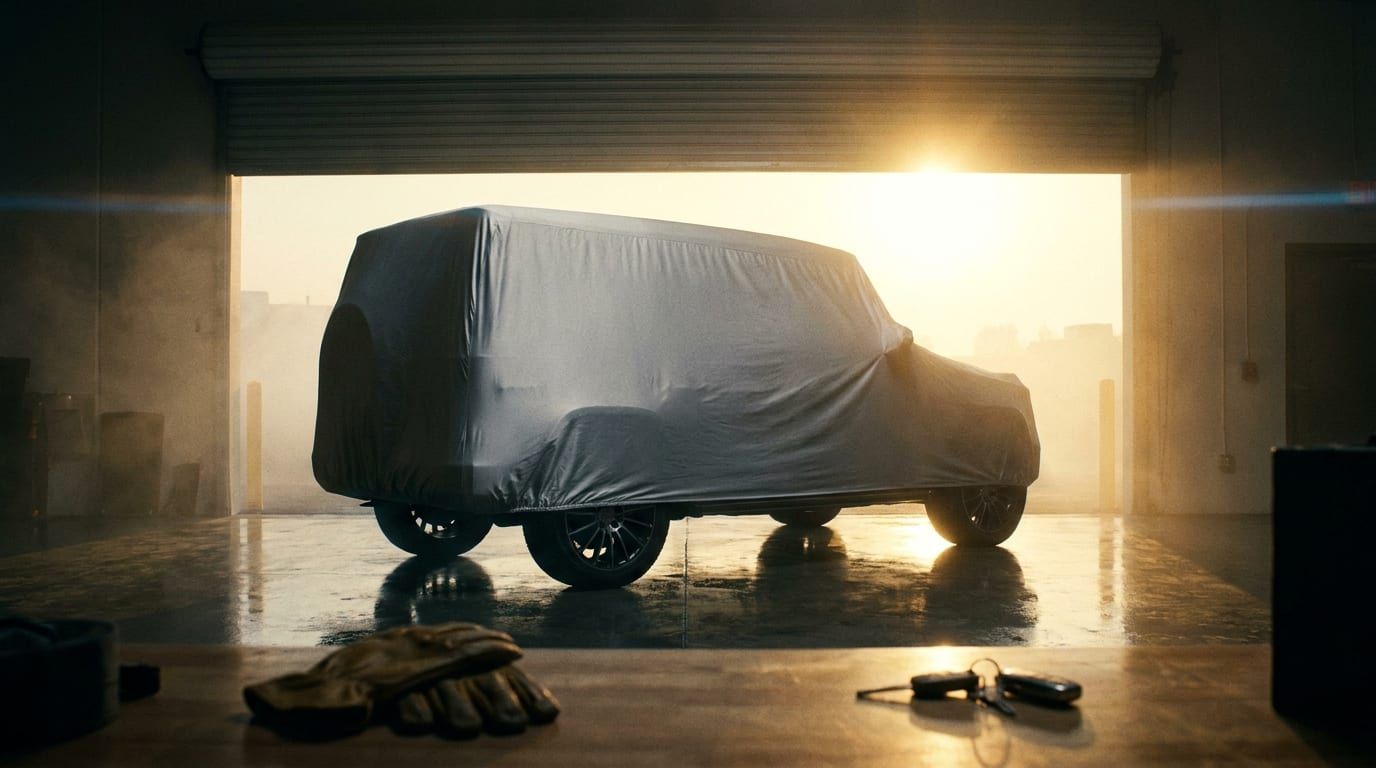
An Explorer isn't shaped like a generic "midsize SUV" template, whatever that means. There are roof rails on some trims, a sloped liftgate, and dimensions that shift across generations. A universal, one-size-fits-most cover doesn't know any of that. It just drapes over the top and leaves loose fabric flapping wherever the body doesn't match the pattern.
That loose fabric is the actual problem. It rubs. Even a light breeze from a garage fan, or just the vehicle settling slightly, is enough to create a slow back-and-forth friction that puts fine scratches into clear coat over time. A custom-fit car cover follows the Explorer's actual contours instead, which means there's no slack fabric hanging around to do that.
Fit problems show up worst at the wheel wells and mirrors, the tightest and most detailed parts of the body. A universal cover gaps there, and that gap is precisely where dust likes to collect and blow in. If you're not sure which generation or trim your Explorer falls into for sizing purposes, it's worth checking the size and fit guide before you buy anything.
Indoor Cover vs. Outdoor Cover vs. No Cover: Which Fits Your Garage Setup
Not every Explorer owner needs the same setup. Some vehicles never leave the garage. Others go from garage to driveway to street and back. The right cover depends on which of those you're actually doing.
| Factor | Indoor Cover | Outdoor Cover | No Cover |
| Dust protection | Soft lining traps dust off paint | Coarser weave, less scratch-safe against still paint | Dust settles directly on clear coat |
| Moisture handling | Breathable fabric vents condensation | Waterproof layer can sweat indoors | Dew forms directly on the surface |
| Cost | Lighter weight, generally lower cost | Heavier-duty, priced for UV and water resistance | Free, but paint pays the price over time |
| Best use case | Garage-only, daily in-and-out storage | Vehicle moves between garage and outdoors | Not recommended for long-term storage |
If your Explorer is a strict garage resident, an indoor car cover for Ford Explorer owners is the more sensible buy. You're not paying for waterproofing and UV resistance you'll never test. If it splits time outside, an outdoor or all-weather cover is the better call, since it's built for a job an indoor cover isn't designed to do. Going with nothing at all is the one option that guarantees the dust problem, every time.
Choosing the Right Indoor Cover for Your Explorer
Start with fit. Trim and generation matter here, especially with third-row cargo length and whether your Explorer has a roof rack, since both change how the cover needs to sit. Run those details through the sizing guide before you order anything.
After that, look at how the cover actually stays on. Elastic hems or built-in straps are what you want indoors. You don't need cable locks or grommets rated for wind gusts, that's overkill for a garage. What you do want is a snug fit that won't shift overnight.
Check the stitching too, particularly around mirror pockets and antenna cutouts if your Explorer has one. Loose stitching in those spots is usually the first place a cheap cover starts to fail.
And take the warranty seriously as a signal, not just a safety net. A lifetime warranty on a car cover tells you the maker expects the fabric to hold up to years of daily use, not just survive a season before it thins out. That's a meaningful data point when you're comparing two covers that look similar on paper. CarCovers has been building fitted covers since 2008, and its Ford SUV cover lineup is a reasonable place to start narrowing down options for your specific Explorer.
Keeping the Cover and Your Explorer Dust-Free Long-Term

A cover that's covered in dust doesn't help you much. When you take it off, shake it out and fold it away from the car first, not over it. Otherwise you're just redepositing everything the cover trapped right back onto your paint, which defeats the point.
Wash the cover periodically, too. Fleece linings lose their softness if they're left dirty long enough, and a lining that's stiff with grime isn't doing the gentle job it's supposed to. Follow the fabric's actual care instructions rather than tossing it in with a regular laundry load. There's a full cover-cleaning guide if you want the step-by-step version.
Between uses, store the cover in a clean bag or bin. Leaving it balled up on the garage floor means it's picking up the same dust and grit it's supposed to be keeping off your Explorer, so it starts the next use already dirty.
Get the Right Indoor Cover for Your Ford Explorer
Soft lining plus a fit that actually matches your Explorer's body, that's the combination that stops dust and scuffs in a garage. Not waterproofing, not UV coating. Just the right material sitting snug against the paint instead of sliding around on it.
If you're ready to look, filter by indoor and satin options built specifically for Ford SUVs, and don't sweat the decision too much. A no-hassle return policy and warranty backing means picking the wrong size isn't the end of the world. If you're still unsure which model year or trim you've got, run it through the fit finder first. And if you just want to keep learning before you buy, our articles page has more on car care and storage worth a look.
Updated