


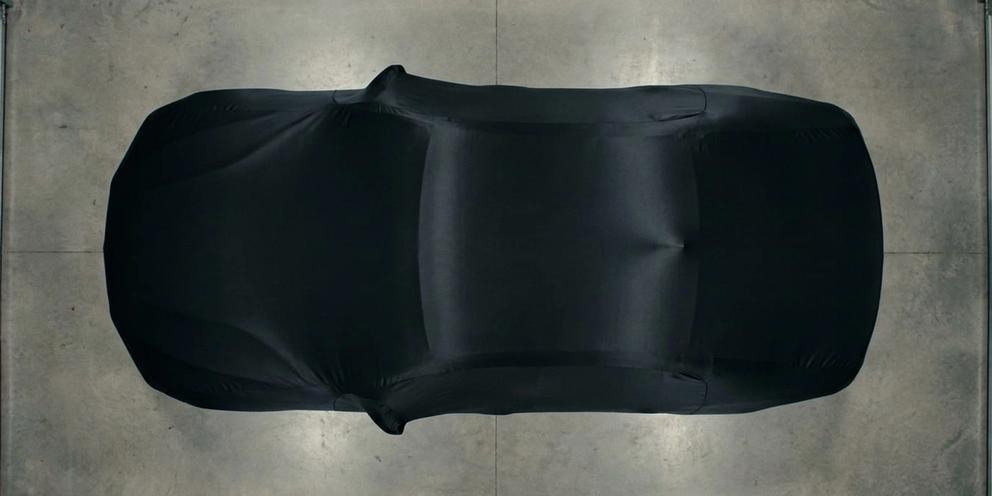
Indoor Car Cover for Hyundai Sonata: Soft Lining & Dust Protection for Garage-Kept Cars
Park a Hyundai Sonata in a garage and it's easy to assume the car is untouchable. No rain, no sun baking the clear coat, no hail dents to worry about. But garages aren't clean rooms. Dust settles out of the air around the clock, drywall particles drift over from storage shelves, pollen rides in on shoes every time the side door opens, and a quiet corner of the garage is exactly where mice and spiders like to set up shop. An indoor car cover for Hyundai Sonata owners isn't solving a weather problem. It's solving a slow, invisible grime problem that builds up whether you notice it or not.
Why a Garage-Kept Hyundai Sonata Still Needs an Indoor Cover
Most people picture their garage as sealed off from the outside world. It isn't. Every time the garage door rolls up, dust and pollen come in with it. Over weeks, that dust doesn't just sit on the hood, it settles into every seam and panel gap of the car. Add in drywall dust from a home project, sawdust from a workbench, or a bag of fertilizer stacked a little too close, and you've got a constant low-level source of grit sitting on your Sonata's paint.
Scratches are the other quiet threat. Lean a bike against the fender, brush past with a rake, or have a kid toss a basketball near the car, and you've got a fine scuff that wasn't there yesterday. Garage windows let in more UV than people expect, too. It's not direct sun exposure like an outdoor-parked car gets, but it's enough ambient light over months and years to dull a finish if nothing's protecting it.
So the real question for a Sonata owner isn't whether you need protection. It's which kind. The rest of this guide walks through the material, fit, and care choices that actually matter for a car that lives mostly indoors.
What Makes an Indoor Cover Different From an Outdoor Cover
Indoor and outdoor covers solve different problems, and swapping one for the other usually backfires. Outdoor covers are built heavy: waterproof shells, UV-treated outer layers, grommets for wind straps. All of that bulk exists to survive rain, sun, and wind.
None of that is useful inside a garage, and some of it works against you. A heavy, waterproof outdoor cover thrown over a Sonata indoors can trap humidity against the paint instead of letting it breathe. The stiffer outer shell can also create friction points that leave fine swirl marks on the clear coat over time, especially if the cover shifts even slightly.
An indoor cover does one job well: it's soft where it touches the car and it blocks dust from settling directly on the paint. The inner lining is what matters most here. Satin or fleece linings glide across the finish instead of grinding against it, while the outer weave acts as a dust barrier that keeps the exterior clean between washes. Check the full breakdown of indoor car covers if you want to see how these are built before buying.
Getting the Right Fit for a Hyundai Sonata
A universal-fit cover is the budget option, and it looks like one. Loose fabric bunches at the mirrors, flaps near the wheel wells, and shifts every time a draft moves through the garage. That shifting is exactly how dust gets ground into paint, since a loose cover rubs back and forth instead of sitting still.
A sedan-specific or custom-fit cover solves this by contouring to the Sonata's actual body lines, mirrors, and rear spoiler if your trim has one. Less fabric movement means less friction, and less friction means fewer fine scratches over a year of storage.
Before ordering, confirm your exact model year and trim. The Sonata's body has changed shape across generations, so a cover sized for an older sedan body won't sit right on a newer one, and vice versa. Pull up the Hyundai cover selection and match it against your year to avoid guessing. A properly sized cover also seals tighter at the base, which keeps dust and crawling insects from sneaking under the hem overnight. That's the detail generic covers almost always get wrong. For more on how sizing actually works, the custom-fit car covers guide and the sizing guide are both worth a read before you buy.
Soft Lining Materials Compared
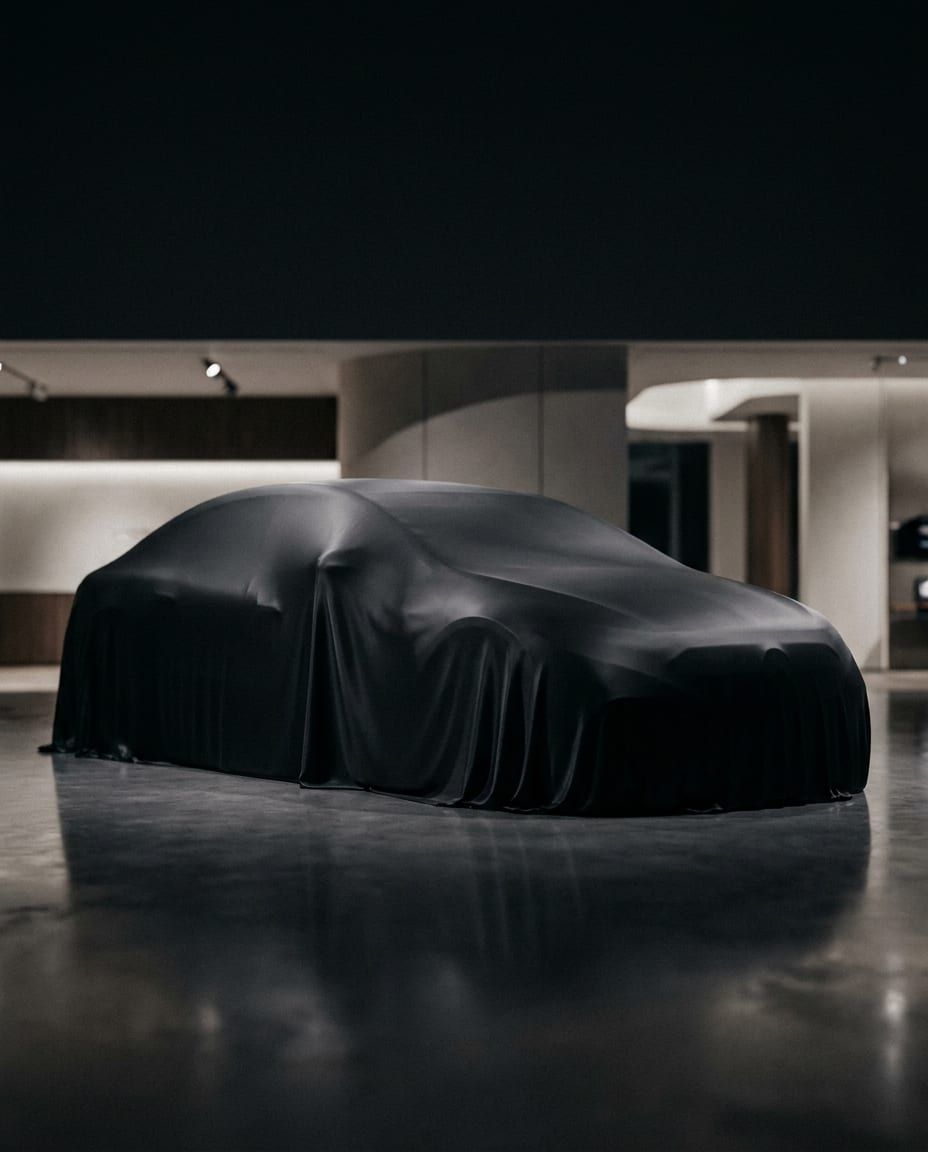
Not all "soft" linings are equal. Satin and fleece-lined fabrics sit at the top for indoor use, while basic flannel-backed covers are a step down in both feel and breathability.
| Lining type | Softness against paint | Breathability | Best for |
| Satin-lined | Very soft, minimal friction | Good | Daily cover/uncover routines |
| Fleece-lined | Soft, slightly thicker | Good | Long-term storage, extra cushioning |
| Flannel-backed basic | Moderate, coarser weave | Lower | Occasional use, budget storage |
If you're pulling the cover on and off your Sonata every day, go with satin. It handles repeated handling without wearing thin, and it's gentle enough that daily friction doesn't turn into visible marks. If the car is parked for weeks or months at a stretch, fleece adds a bit more cushion against anything that might brush the car in the meantime.
Black satin is the common indoor choice for a reason: it hides the light dust that settles between cleanings better than lighter colors, and it looks right in a garage setting. Just factor in fabric weight. A heavier satin weave feels more substantial but breathes a little less in a closed-up garage, so if your space runs warm or humid, a lighter weave helps air move under the cover instead of trapping it. The indoor black satin cover option is a solid starting point if you're deciding between weights.
Keeping Dust, Scratches, and Pet Hair Off a Stored Sonata
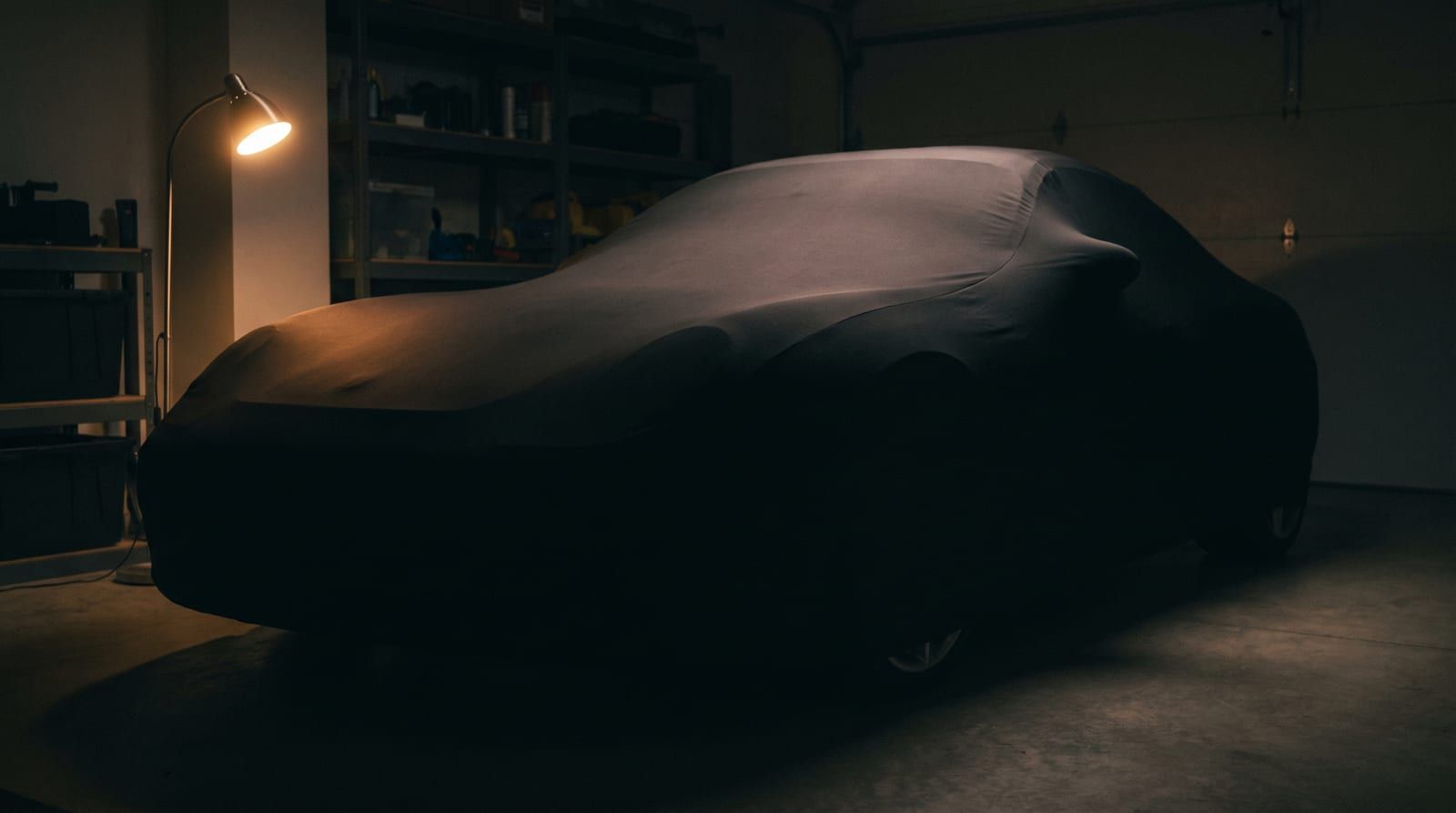
Dust is the main enemy, but it's not the only one. Garages are full of hazards that have nothing to do with weather: a cat that jumps up for a nap, a bike leaned against the bumper, a ladder stacked a little too close to the quarter panel. A soft-lined cover acts as a buffer against all of it, catching scuffs and scratches that would otherwise land straight on the clear coat.
Pet claws are a real concern if you've got a cat or dog that treats the car as furniture. A snug, breathable cover takes the scratching instead of the paint, which is the whole point of using one. If that's a recurring issue in your garage, the guide on protecting a car from cat and animal scratches covers it in more detail.
Here's the payoff that's easy to overlook: a properly fitted indoor cover cuts down how often you need to wash the car at all. Dust that would normally settle directly on paint instead collects on the cover's outer layer, where it's far easier to deal with. One habit makes a real difference here: brush or vacuum the cover's exterior periodically instead of just shaking it out against the car. Shaking a dusty cover right next to the Sonata just redistributes grit back onto the panels you were trying to protect.
Caring for Your Indoor Car Cover

Cover maintenance is simple, but skipping it defeats the purpose of owning one. Before folding the cover up, shake it out outdoors to knock loose dust free. Spot-clean any marks with mild soap and water rather than tossing it in the washing machine, unless the manufacturer specifically labels the fabric as machine-washable. Harsh detergents and hot cycles can break down the soft lining faster than normal use would.
How often you clean it depends on how the car's actually used. A Sonata that's parked and covered daily picks up more handling dust and needs a wipe-down or light wash monthly. One that's stored long-term under the cover for weeks at a time can usually get by with a seasonal cleaning, since there's less friction and handling to work dust into the fabric in the first place. Full steps are laid out in the car cover cleaning guide if you want a specific routine to follow.
One thing people miss: how you store the cover when it's not on the car matters too. Tossing it in a heap on a shelf turns it into its own dust source, which just reintroduces grit the next time you put it back on the Sonata. Fold it loosely and store it somewhere clean and dry instead. For a broader look at using covers indoors day to day, the guide to using car covers inside is a good companion read.
Warranty, Fit Guarantee, and Making the Final Call
A lifetime warranty on a car cover typically covers material defects and stitching failures, the kind of problems that show up regardless of how carefully you use the product. It won't cover normal wear from years of daily handling, and it won't cover damage from improper care, like machine-washing a cover that was never meant to go through a washer. Knowing that distinction up front saves a headache later. The lifetime warranty details spell out exactly what's included.
Before you buy, run through a short checklist:
- Confirm your Sonata's exact year and trim so the fit is accurate, not approximate
- Pick satin lining for frequent daily use, fleece for longer-term storage
- Check the fabric's breathability rating, especially if your garage runs warm or humid
- Confirm warranty coverage before checkout, not after a problem shows up
CarCovers has been building fitted covers since 2008, and that history shows up in the fit details that matter most, like where the fabric contours around mirrors and spoilers. The premium covers page and the full car covers lineup are both worth a browse if you want to see the range before deciding.
Your Sonata deserves better than a loose sheet from the hardware store. Take a few minutes to match the right lining and fit to how you actually use the car, and dust stops being something you wipe off every weekend. If you're still weighing options, browse the full lineup and subscribe for more garage-specific car care guides as they come out.
Updated