


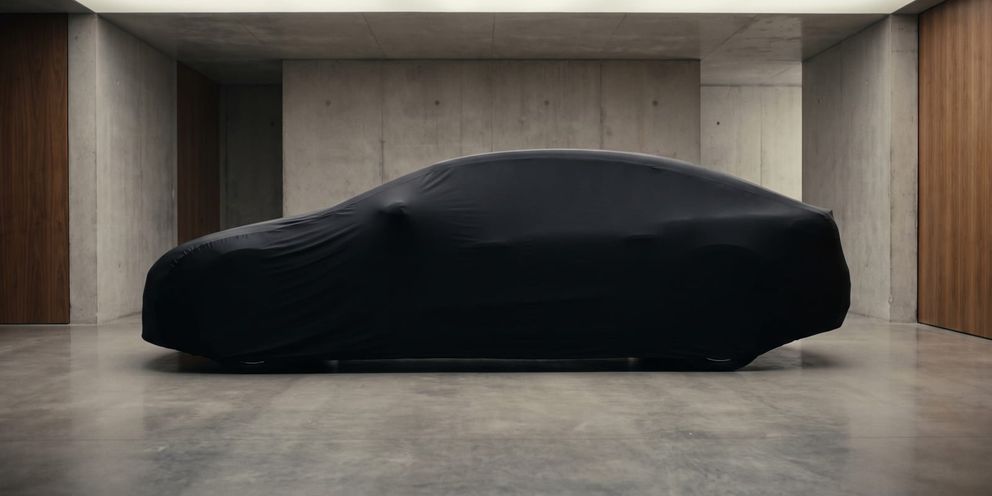
Indoor Car Cover for Tesla Cybertruck: Soft-Lining Protection for Garage-Kept Trucks
A garage door closing doesn't mean the dust stops moving. It settles anyway, on shelves, on concrete, on whatever's parked underneath the bulbs. If that's a Cybertruck, every fine particle that lands on the hood or bed is a potential scratch waiting for someone to wipe it off with a dry rag. That's the real case for an indoor car cover for Tesla Cybertruck owners: not protection from rain, but protection from the garage itself.
Why a Garage-Kept Cybertruck Still Needs an Indoor Cover
There's a common assumption that once a vehicle is inside, it's safe. Mostly true for weather. Not true for dust, pet hair, drywall particles, or whatever settles out of the air overnight. A parked Cybertruck collects a fine film of grit within days, cover or no cover, just from sitting in a space people and pets move through.
Here's where the Cybertruck's design works against it. That exposed stainless steel body doesn't hide imperfections the way a painted, clear-coated panel does. Wipe dust off a painted hood with a dry cloth and you might get away with it. Do the same on bare stainless and you're grinding grit into a surface that shows every swirl mark under the right light. Micro-abrasion from dust-wiping is a real, visible risk here, more so than on almost any other vehicle on the road right now.
Add in the usual garage hazards, a bike leaned the wrong way, a dropped tool, someone squeezing past with a ladder, and the case for a physical barrier gets stronger. An indoor cover won't stop a direct impact, but it adds a layer between careless contact and the finish.
That's the whole premise of this guide: indoor-specific covers earn their keep through soft interior lining, not waterproofing or UV resistance. That one construction detail is what separates a cover built for garage duty from one built for the driveway.
What 'Soft Lining' Actually Means (and Why Stainless Steel Makes It Non-Negotiable)
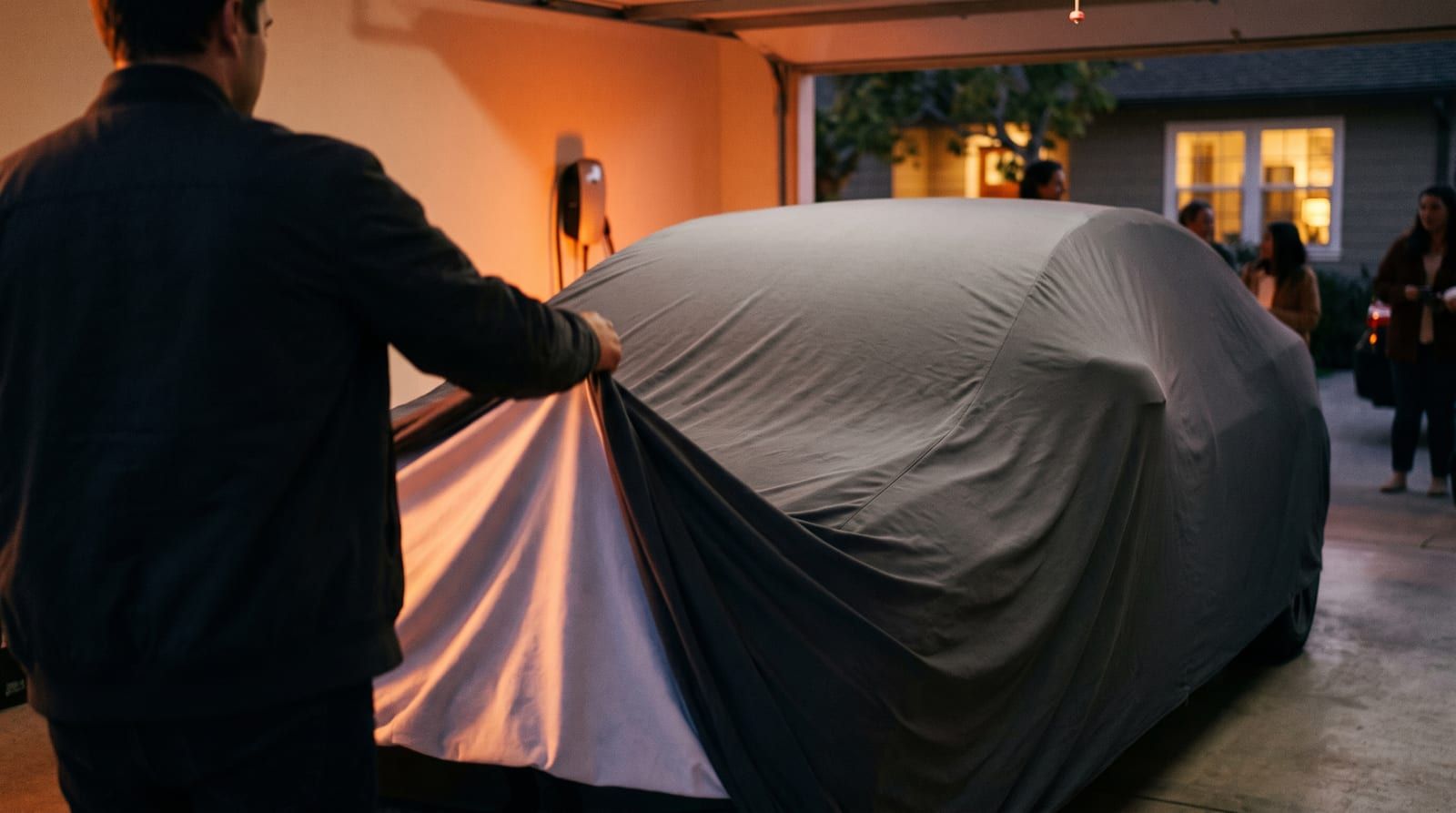
Outdoor covers are built from the outside in: tough, weather-resistant shells designed to survive sun, rain, and wind. Indoor covers flip that priority. The shell fabric matters less than what's touching the paint, or in this case, the metal. Good indoor covers use a fleece or satin inner lining, a soft, napped layer stitched to the underside of the shell, so the surface actually resting against the vehicle is cushioned, not abrasive.
Think about what happens every time you drape or pull off a cover. The fabric drags across the body as it settles or lifts. On a single-layer shell with no lining, any grit trapped in that fabric scrapes along for the ride. On a lined cover, the soft nap acts like a buffer, keeping debris from grinding directly against the panel.
This matters more on a Cybertruck than on almost anything else in a driveway. Painted cars have a sacrificial clear coat that can take a little abuse before it shows. Stainless steel doesn't have that cushion. It's also not a slick, factory-smooth surface in the way people assume, it marks easily, and once a swirl pattern is etched in under certain light, it's there for good. A stiff or gritty lining is a bigger liability here than it would be on almost any painted vehicle.
One more detail worth checking before you buy: breathability. A lining that traps moisture against bare metal invites condensation, and condensation sitting on stainless overnight can leave its own marks. Look for a lining material that lets air move, not just one that feels soft in the showroom.
Custom Fit vs. Universal Fit for the Cybertruck's Shape
Universal truck covers are cut to accommodate a wide range of trucks, which means they're cut to fit none of them precisely. The Cybertruck's angular panels, low front overhang, and flat-plane surfaces don't drape the way a rounded, conventional truck body does. A generic cover tends to tent, bunch, or gap at the corners, and every gap is an opening for dust to settle right where you didn't want it.
A custom-fit indoor cover is patterned to the Cybertruck's actual dimensions, bed and tonneau included, so the fabric follows the body lines instead of fighting them. That tighter contour means less airborne dust finds its way underneath, and less fabric flapping loose that could drag grit across a panel as it shifts.
The hem and strap details matter too, just for a different reason indoors than out. Outdoor covers rely on elastic hems and straps to resist wind. Indoors, there's no wind to fight, but you still want the hem snug enough to keep the cover in place and keep dust from drifting in underneath while it sits for days at a time. A loose universal hem defeats that purpose even in a perfectly still garage.
If you're not sure which fit category your trim needs, it's worth checking a sizing guide for your specific vehicle before ordering, and reading up on the difference custom-fit car covers make versus a generic pattern. For a direct look at what's built specifically for this truck, the Tesla truck cover lineup is the place to start.
Indoor Cover Options Compared: Satin vs. Fleece vs. Stretch
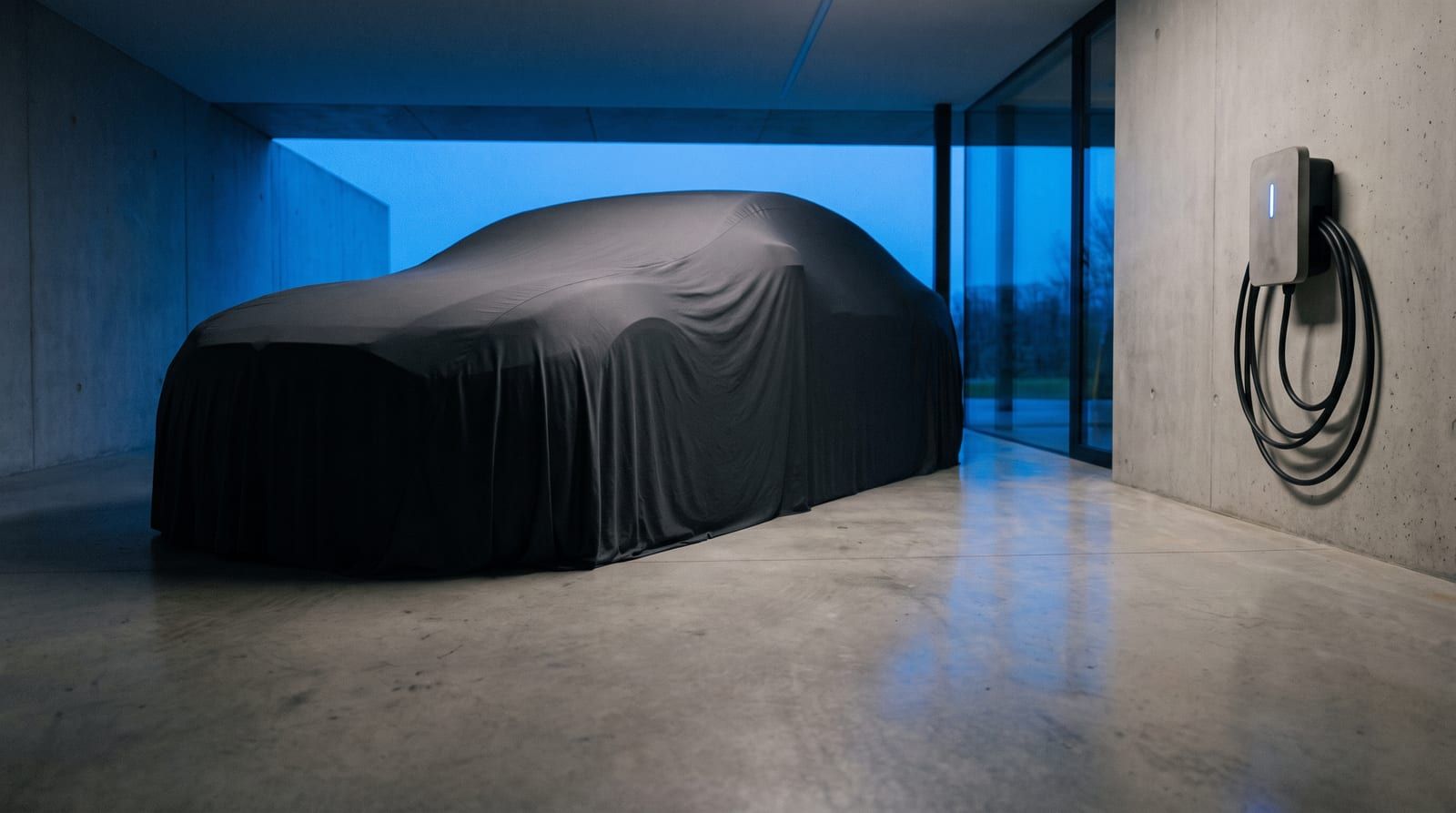
Not all indoor covers are built the same way, and the differences aren't cosmetic. Here's how the three common constructions stack up for a garage-kept Cybertruck.
| Feature | Satin shell / soft lining | All-fleece | Stretch-knit |
| Surface feel on stainless | Smooth, gentle, low friction | Very soft, slightly thicker | Soft but can cling and shift |
| Dust protection | High, tight weave blocks fine particles | High, dense nap traps dust well | Moderate, looser knit breathes more |
| Fit precision | Available in Cybertruck-specific custom patterns | Often semi-custom or universal | Mostly universal, stretches to fit |
| Price tier | Mid to upper, reflects custom patterning | Mid-range | Typically lowest |
| Best use case | Daily in-and-out garage use | Long-term seasonal storage | Occasional short-term indoor use |
The satin-shell option with a soft inner lining tends to be the gentlest choice for stainless panels, since the outer surface itself is smooth and the lining does the protective work underneath. All-fleece covers are plush and great at trapping dust over weeks of storage, but they can run bulkier, which matters if you're folding and unfolding one daily. Stretch-knit covers are the easiest to throw on and off and usually the cheapest, but the looser weave means more fine dust gets through over time, and the clingy fit can drag slightly across panels as you work it into place.
For a daily driver that goes in and out of the garage every night, lightweight satin or fleece with precise, custom-fit car covers patterning makes the routine faster and safer. For a Cybertruck parked for a month or more, the denser fleece option earns its keep. CarCovers' own indoor black satin cover line is worth a look if you want to see what that satin-and-soft-lining combination looks like in person.
Installing and Living With an Indoor Cover Day-to-Day
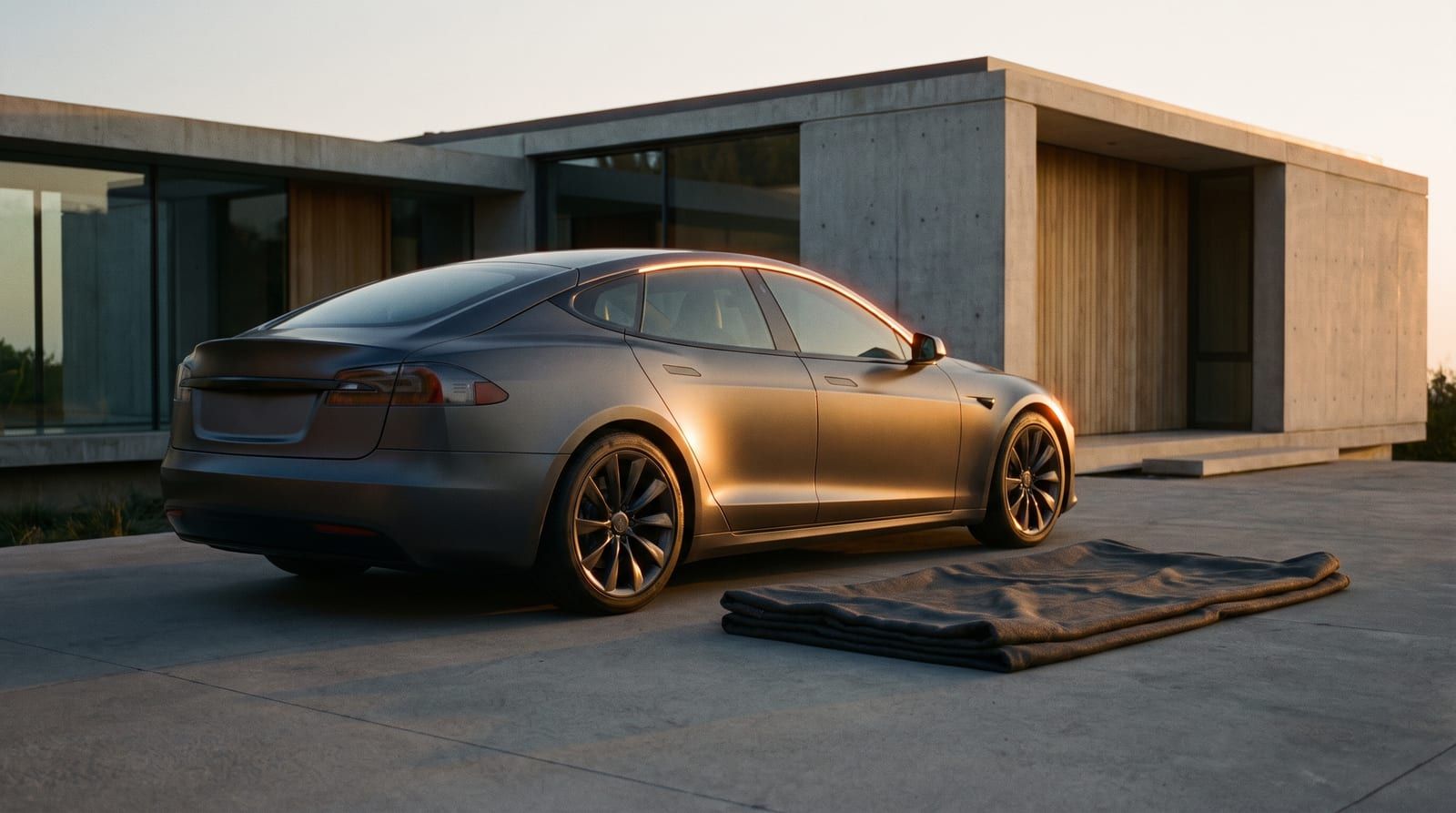
Putting the cover on correctly matters as much as buying the right one. Here's the basic routine:
- Unfold the cover fully before it ever touches the truck. Shaking out a folded cover near the vehicle just redistributes whatever dust collected during storage.
- Starting at the front, lay the cover down and gently work it back rather than dragging it across the hood or doors. Lifting and placing beats sliding, every time.
- Secure any hem elastic or straps evenly around the base so the fabric sits snug without pulling tight in one spot.
- Check the mirrors, charge port, and tonneau area for proper seating. Gaps there are where dust finds its way in first.
For a daily-driven Cybertruck, this becomes a nightly habit, which is exactly why weight matters. A heavy outdoor-rated cover becomes a chore fast. A lightweight indoor cover with soft lining folds down smaller, goes on quicker, and doesn't turn into a two-person job. That's really the practical argument for an indoor car cover for Tesla Cybertruck owners who drive the thing daily rather than storing it for weekends only: the lighter build is what makes the routine sustainable.
Basic care matters too. Shake the cover out before folding it away, so you're not packing grit into the fabric for next time. Spot-clean the lining if it picks up anything oily or sticky, rather than waiting for it to need a full wash. And store it somewhere dry and enclosed between uses, not balled up on a workbench where it'll pick up more dust than it keeps off the truck. For a deeper look at keeping the fabric in good shape long-term, there's a full guide on how to clean a car cover, and a broader rundown on using car covers indoors if you want the full routine beyond just the Cybertruck.
Buying Decision: What to Check Before You Order
Before you check out, confirm the cover is actually patterned for the Cybertruck, not a generic full-size truck shape stretched to fit. A listing that just says "fits most full-size trucks" is the universal-fit compromise from earlier in this guide, and it'll show up as gaps and loose fabric once it's on the vehicle. Look specifically for Cybertruck-named fitment, not a size range.
Fit problems are the number one reason indoor covers get returned, so check the warranty and return terms before you buy, not after. A cover that doesn't sit right should be easy to send back without an argument.
This is where CarCovers' policies actually matter for a final decision. The lifetime warranty on car covers covers the product for as long as you own it, and the no-hassle guarantee backs that up if the fit or fabric isn't right once it arrives. Between those two and a straightforward return policy, there's not much risk in ordering the wrong size by mistake, since it's correctable.
If you're ready to look at options, the truck covers category has the full range, and the Cybertruck-specific indoor listing is the one to pull up directly for this particular truck.
Protecting a garage-kept Cybertruck isn't complicated, it's really about matching the cover to the surface you're protecting. If you found this useful, stick around the blog for more guides like this one on keeping a vehicle in showroom shape between drives.
Updated