


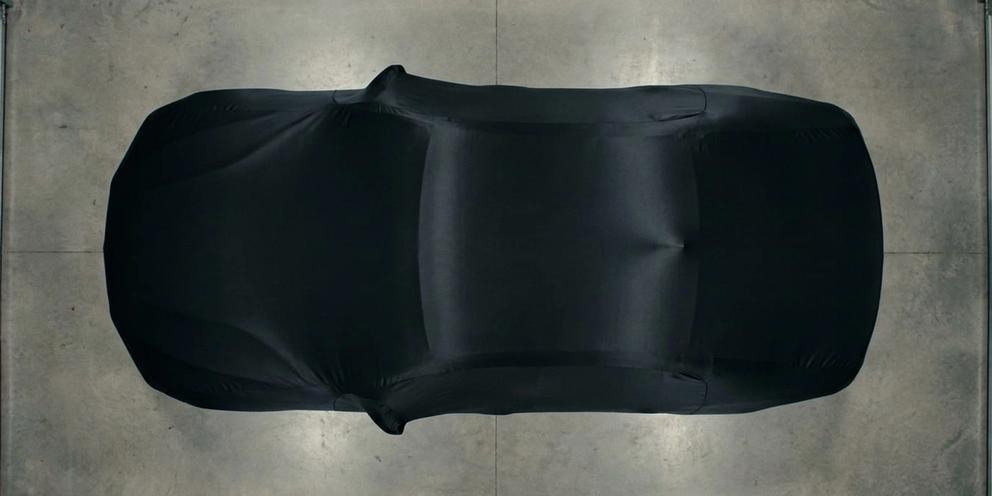
Indoor Car Cover for Tesla Model 3: Soft-Lining & Dust Protection for Garage-Kept Cars
Does a Garage-Kept Tesla Model 3 Really Need an Indoor Cover?
A garage feels like a sealed box. It isn't. Dust from drywall, pollen that rode in on your shoes, sawdust from the last shelving project, flakes of whatever's stored on the top shelf, it all drifts down and settles on the nearest flat surface. Over weeks, that's your paint. An indoor car cover for Tesla Model 3 owners is less about weather and more about this slow, invisible accumulation.
The Model 3 makes a worse case for going uncovered than most cars. Flush door handles collect grit in the seams. The glass roof shows every bit of dust under direct light. Matte trim pieces, if your car has them, etch and dull in ways that gloss paint hides more easily. These are small surfaces with nowhere for debris to hide, and they show wear fast.
Then there's the garage itself. Bikes leaned against a wall. A rake that falls over. A kid's scooter, a curious cat, a neighbor borrowing a ladder and brushing past your fender. None of that is dramatic, but a thin layer of soft fabric between your paint and the world absorbs a lot of accidental contact that would otherwise become a scuff you notice six months later. Compared to a full detail or paint correction, a cover is cheap. On a car where resale value leans hard on cosmetic condition, like most EVs do, that math works out easily.
What Makes an Indoor Cover Different From an Outdoor One
People assume a car cover is a car cover. It isn't. Outdoor covers are built heavy: waterproof shells, UV-resistant coatings, grommets for tie-downs so wind doesn't rip them off. That's the right spec for a driveway or a carport open to the elements.
Indoors, none of that is doing you any favors. A waterproof outdoor cover doesn't breathe well, which means any trapped moisture (from a car that wasn't fully dry, or just garage humidity) has nowhere to go. That heavier shell fabric can also feel abrasive against clear coat if it shifts in a draft from the garage door opening and closing.
An indoor cover is built for a different job: soft lining, light weight, enough breathability to let the car's surface stay dry. Most use a brushed tricot or fleece-backed interior, something that won't grind against the paint even if the cover moves a little. If you want the deeper breakdown on materials and construction, the indoor car cover buying guide covers it in more detail than we need to here.
Indoor Cover Materials Compared: Satin, Fleece, and Microfiber for the Model 3
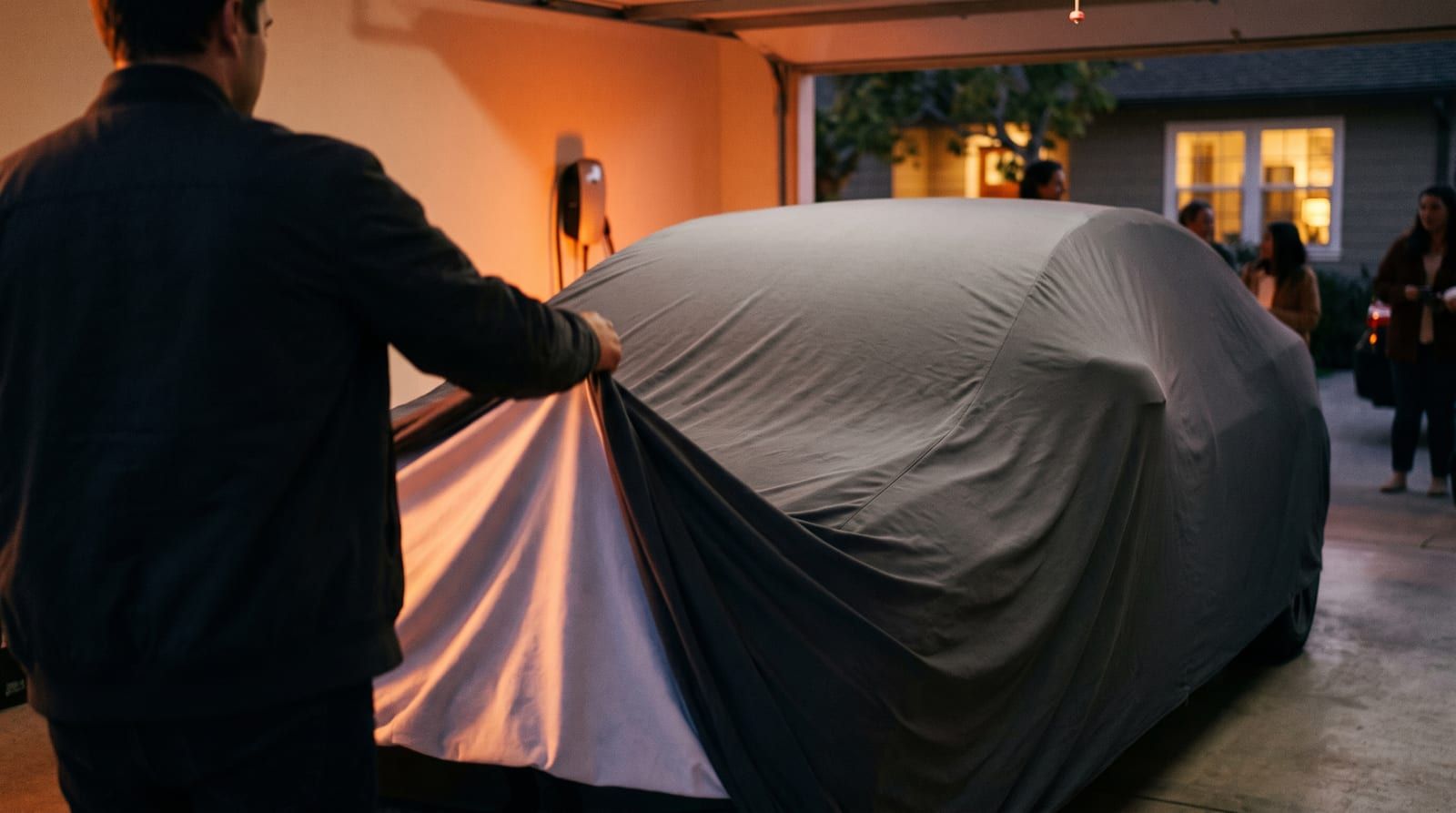
Not all indoor covers are made the same, and the difference matters more than people expect once the cover's actually sitting on the car.
- Satin shell with fleece underside: smooth, tight-weave outer layer with a soft inner lining. Blocks fine dust well because the weave is dense, and the fleece side is gentle against the Model 3's paint and matte trim.
- All-microfiber: very soft to the touch, good at trapping dust rather than letting it slide around, but typically thinner and less durable for everyday on-off use.
- Basic knit: the economy option. Loose weave lets finer dust particles through, so you're still getting some settling on the paint, just less than with no cover at all.
| Material | Dust Protection | Breathability | Typical Price Tier |
| Satin with fleece lining | High (tight weave) | Good | Mid to premium |
| All-microfiber | Moderate to high | Moderate | Mid |
| Basic knit | Lower (loose weave) | Good | Budget |
For a daily-driven Model 3 that's covered and uncovered constantly, satin with a fleece lining earns its price. It handles repeated handling without pilling, and the tighter weave matters most on a car that sits for days at a time between drives. If you're covering a rarely-moved car, a collector-style setup where the Tesla might sit for a month, a lighter microfiber option is probably enough, and it's easier to fold and store.
Breathability deserves a specific mention here because of the glass roof. On humid garage days, condensation can form under a cover that doesn't let air move, especially around the frunk seam and roof edges. A breathable lining keeps that from turning into water spots baked on by the next warm afternoon.
Fit Matters More Than Fabric: Model 3-Specific Considerations
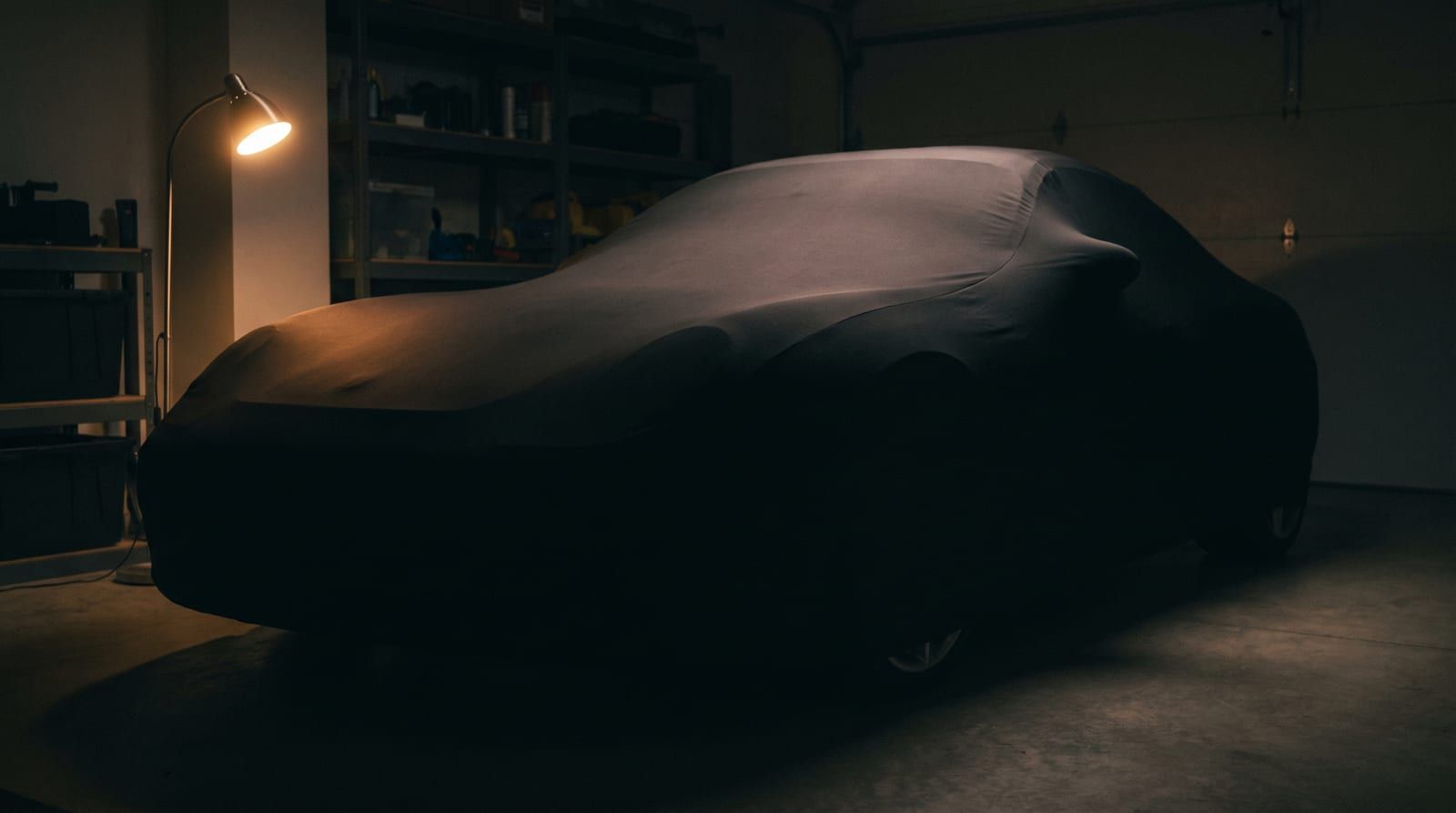
You can buy the softest fabric on the market and still scratch your car if the cover doesn't fit right. The Model 3's low, sloped nose and frameless windows are the two spots where a generic, stretch-to-fit cover tends to bunch up or sag, and loose fabric flapping against the body is exactly the abrasion you bought the cover to prevent.
A few fit details that actually matter on this car:
- Charging door access: you want a cover with a cutout or flap, not one you have to fully remove every time you plug in.
- Roof sensor clearance: Autopilot cameras and sensors need room so the fabric doesn't rest directly on them.
- Rear spoiler trim: a cover cut for a sedan without a spoiler notch will pull tight and stress the seams, or ride up at the rear.
- Elastic hem and strap placement: in a shared garage where people walk past the car, you need the hem snug enough that foot traffic or a brushing shoulder doesn't shift the whole cover sideways.
If you're not sure what size or cut your Model 3 needs, the sizing guide walks through measuring it properly, and a custom-fit cover is worth the extra step over a generic universal one for a car with this many distinct body lines. Worth checking the Tesla-specific coverage page too, just to confirm your exact Model 3 trim and year is accounted for before you order.
Daily-Use Habits That Keep the Cover (and the Paint) in Good Shape
The cover only does its job if you use it right, and most of the mistakes happen in the thirty seconds before you drape it on.
Let the car cool and dry fully first. Pulling a soft-lined cover over a warm, slightly damp car traps that moisture right against the paint, which defeats the entire purpose of a breathable indoor cover. Give it a few minutes.
Shake the cover out before each use. Sounds basic, but loose grit sitting in the folds from last time is exactly the kind of thing that grinds against clear coat when you lay the fabric down and smooth it out. Takes five seconds and saves you a swirl mark.
Fold it the same way every time, and keep it in a bag or on a hook rather than balled up on the garage floor between uses. The lining itself collects dust sitting around just like the car does, so a dusty cover reintroduces the problem it's meant to solve.
Wash it periodically, too. The cover cleaning guide has the specifics on doing this without wrecking the soft interior finish, since regular laundry detergent and a hot dryer cycle are the two fastest ways to ruin a fleece lining. And if there's a cat or dog with garage access, it's worth a look at the pet scratch protection guide before claws find the hood a comfortable place to nap.
Making the Purchase Decision: Price, Warranty, and What's Included
Before you buy, check four things: lining material, whether straps and an elastic hem come included, cutouts for the Model 3's sensors and charging door, and whether the cover is genuinely custom-fit or just "semi-custom" sized across a few body styles.
A lifetime warranty on stitching and material defects matters more than it sounds like it should, especially on a cover that's going on and off the car daily. Daily handling is where seams fail first, and a warranty that actually covers that wear takes the risk off your shoulders.
Fit sight-unseen is always a little nerve-wracking, so a reasonable return policy is worth checking too, in case the cover you order doesn't sit right on your specific trim.
If you're buying for a daily-driven, garage-kept Model 3: go with a satin-lined custom-fit indoor cover. If the car is more of an occasional driver that sits covered for weeks at a stretch, a lighter microfiber option gets the job done without the added cost.
Final Take: Protecting Your Model 3 Between Drives
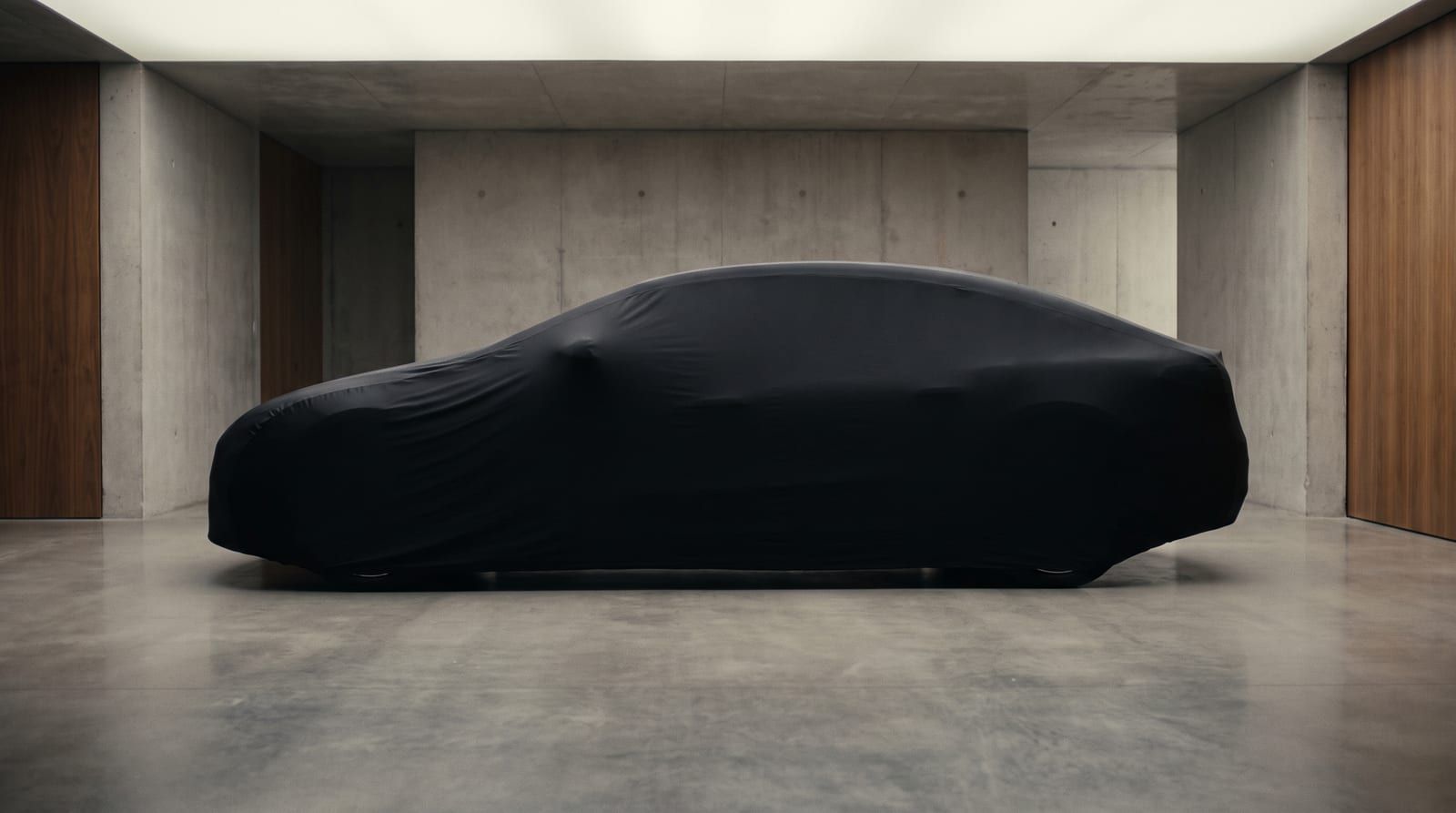
A garage doesn't mean dust-free, and it definitely doesn't mean scratch-free. Even a Model 3 that never sees rain picks up grit, foot traffic, and the odd bump from whatever else lives in that garage with it. A soft-lined indoor cover handles all of that quietly, in the background, without you thinking about it.
Get the fit right first, then worry about the fabric. A perfectly soft lining on a cover that doesn't sit snug against the car's body is still going to flap and rub. Once you've nailed the fit for your specific Model 3, the lining question is the easy part.
If you're ready to look at options, browse indoor car covers and confirm your Model 3's year and trim are covered before you order. For daily garage use, the indoor black satin cover is worth a look, it's built for exactly this kind of on-off routine.
Updated