


Indoor Car Cover for Toyota Tundra: Soft Lining & Dust Protection for Garage-Kept Trucks
A Toyota Tundra parked in the garage every night is already ahead of most trucks on the road. No sun bleaching the dash, no hail dents, no tree sap baked into the clear coat. But "garage-kept" doesn't mean "protected." Dust settles on horizontal surfaces whether a truck sits outdoors or in, and garages come with their own hazards: drywall dust from a weekend project, pollen tracked in on a bike tire, a rake handle that slips and taps the bed rail. An indoor car cover for Toyota Tundra owners isn't overkill here. It's the difference between wiping down a clean surface and grinding grit into your paint every time you pull a cloth across the hood.
This guide is for the point where you've already decided a cover makes sense and you're ready to buy the right one. Two things matter most for indoor use: a soft interior lining that won't scuff the finish, and a breathable barrier that keeps dust off without trapping moisture underneath.
Why a Garage-Kept Tundra Still Needs a Dedicated Indoor Cover
Garages solve the big, obvious problems. Rain, UV, snow load, they're handled the moment the door closes. What they don't solve is the slow accumulation of fine particulate that settles on every flat surface in the building, your truck included. Drywall grit, sawdust, pollen blown in during the two minutes the door was open, even carpet fibers if the garage connects to the house. None of it looks like much day to day.
The problem shows up when you go to wipe it off. A thin, dry film of dust acts like sandpaper under a rag, and swirl marks on a Tundra's clear coat from a "quick dust-off" are more common than owners think. Add in the practical hazards of shared garage space, a bike leaning the wrong way, a ladder that shifts, a kid's scooter rolling free, and you've got real reasons to keep a barrier between your truck and the room around it.
Indoor vs. Outdoor Covers: What Actually Changes for a Tundra Owner
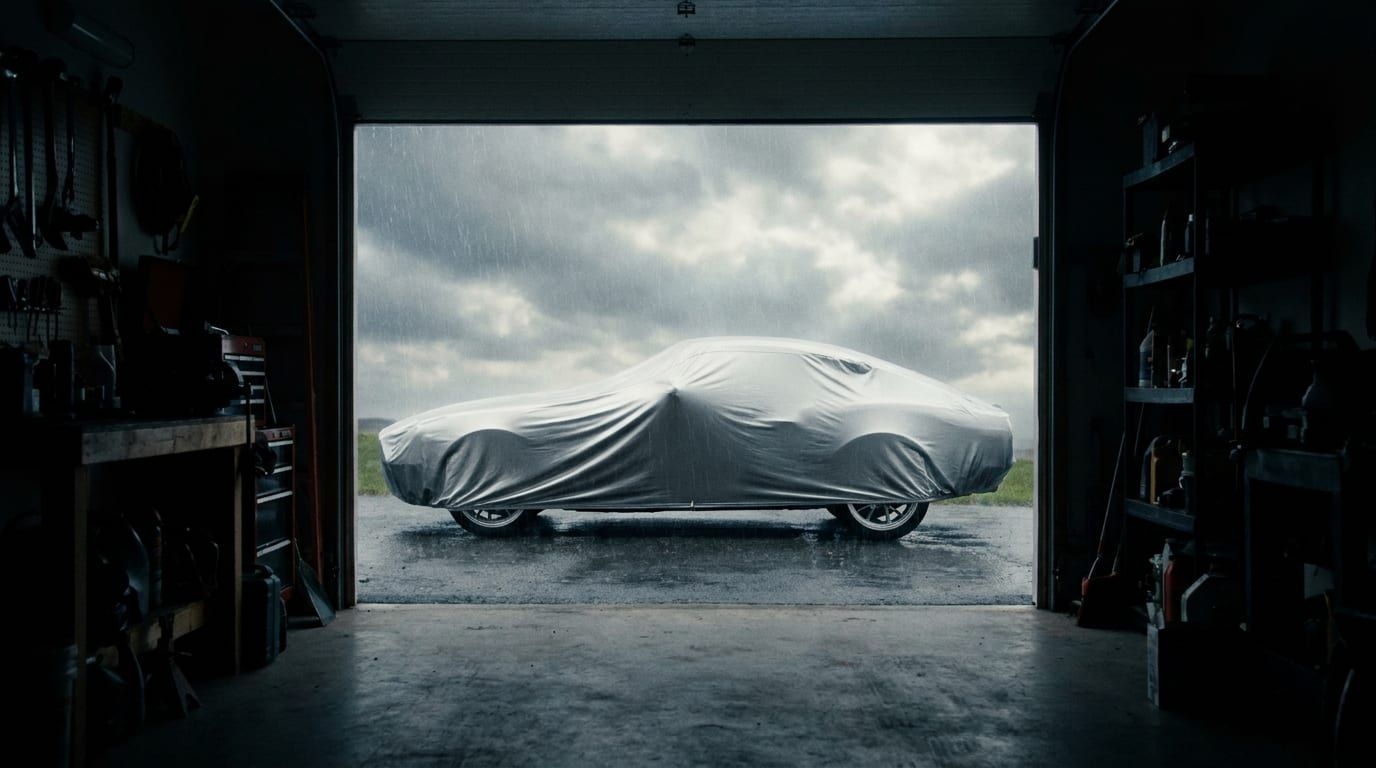
Outdoor covers are built for a fight. Heavier fabric, waterproofing treatments, UV-resistant coatings, grommets and straps to keep the whole thing from blowing into the next yard during a storm. All of that adds bulk and stiffness, because it has to survive weather.
Indoor covers don't need any of that. Your Tundra isn't getting rained on in the garage, so waterproofing is dead weight. What it needs instead is a soft, breathable layer that guards against dust and light contact without adding thickness or stiffness. A fleece or satin-lined interior matters more here than any water-resistance rating ever would, since the fabric touching your paint every single day is what determines whether the cover helps or slowly hurts your finish.
Breathability still counts indoors, though it's easy to overlook. Garages hold humidity, especially in colder months when a warm truck cools overnight and condensation forms. A cover that can't breathe traps that moisture against the paint. That's part of why grabbing an old outdoor cover for indoor use is a mistake: the heavier, stiffer fabric holds in heat, resists airflow, and can cause the kind of micro-scratching you bought a cover to avoid in the first place. If you want the full breakdown of how indoor-specific covers differ from outdoor ones, this guide to using car covers inside goes deeper into the mechanics.
Must-Have Features When Buying an Indoor Cover for a Toyota Tundra
Not every cover marketed as "indoor" actually delivers what a Tundra owner needs. A few features separate the ones worth buying from the ones you'll regret:
- Soft-touch inner lining. Flannel, fleece, or satin, something that won't mar clear coat during the daily on-and-off routine. This is the single biggest factor in an indoor cover's long-term value.
- Lightweight, breathable outer shell. It should resist dust and light scuffs without being heavy enough to feel like a chore to fold and store.
- Model-specific fit. A Tundra SR5 Double Cab and a TRD Pro CrewMax with a long bed are not the same shape. A cover cut for the actual body style sits close to the truck instead of sagging or bunching.
- Properly sized elastic hem or cinch points. Even indoors, a garage door opening creates a gust of air. A loose hem lets the cover shift and drag on the paint.
- Reinforced grab handles and a compact storage bag. You're likely covering and uncovering this truck often. Handles that don't tear off after a month and a bag that doesn't take up half a shelf make the daily habit stick.
Browsing custom-fit car covers built around these features is a faster way to narrow the field than scrolling generic listings.
Getting the Right Fit for Your Tundra's Cab and Bed Configuration
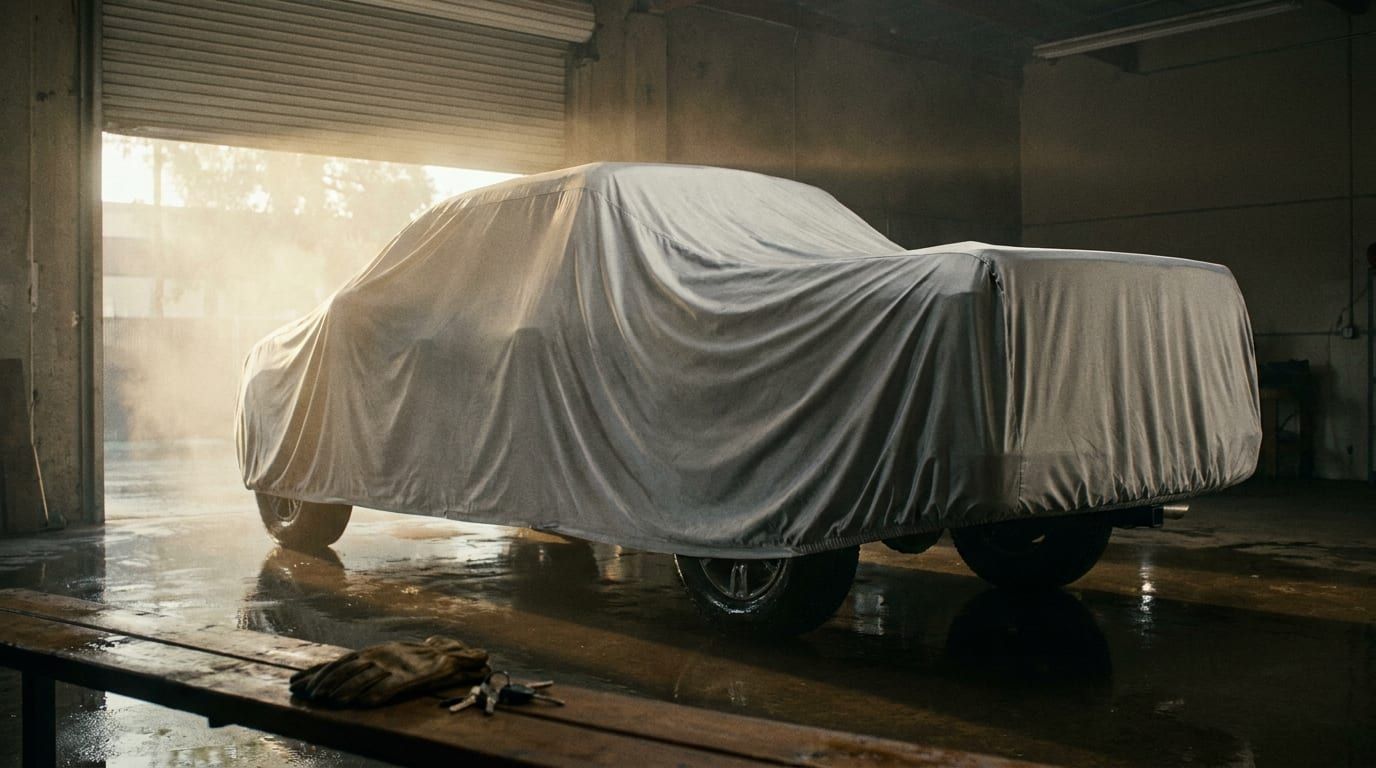
Tundras come in more shapes than the trim name suggests. Double Cab and CrewMax bodies have different roof and cab lengths, and Toyota pairs them with standard or long beds depending on the year and configuration. A cover sized for the wrong combination won't sit right, full stop.
Guessing based on trim level alone is how people end up with a cover that's two inches short at the tailgate or billowing loose over the bed rails. Measure first. Bed length and cab style are the two numbers that matter most, and they're worth confirming before you check out rather than after the cover arrives and doesn't fit.
This isn't just a cosmetic issue, either. A loose, universal-fit cover defeats the purpose of dust protection, because gaps around the wheel wells and mirrors are exactly where dust gets pulled in. If you're not sure how your Tundra's dimensions match up, the truck bed size guide and the sizing resource for confirming cover fit are both worth checking before you buy.
Custom-Fit vs. Universal: Which Makes Sense for Indoor Storage
Custom-fit covers are shaped around the actual truck: the grille contour, the mirror pockets, the bed rail lines. On a Tundra, that shaping is what keeps the cover snug enough to stay put without straps, which matters a lot in a garage where every inch of clearance counts.
Universal covers cost less upfront, and that's really their only advantage here. The looser fit means excess fabric can rub against the paint in a tight garage, and the same looseness that makes them "one size fits most" is what lets dust in around the edges instead of keeping it out.
For a Tundra that's covered and uncovered daily, custom-fit is the better call. You're handling this cover constantly, and loose fabric that drags across the hood every time you pull it off is exactly the kind of slow damage an indoor cover is supposed to prevent. Universal covers still have a place, just not this one. Think occasional short-term dust protection, a weekend at a relative's garage, not the day-to-day setup for a truck you park at home every night.
Installing and Caring for Your Indoor Tundra Cover

Putting the cover on sounds simple until you drag it across the hood and pick up whatever grit is sitting on the garage floor. Fold it first, lay it down starting from the roof or cab, and work outward instead of pulling the whole cover across the paint in one motion. Installing over a support pole, if your setup uses one, keeps material off the windshield entirely. The truck support pole installation guide covers that setup if you're using one on your Tundra.
Wipe the truck down before covering it. Trapped dust under the cover gets pressed and rubbed against the paint every time you drive off and re-cover, so five minutes with a microfiber towel now saves you swirl marks later.
The cover itself needs care too. Soft linings hold their texture better with a gentle wash cycle or hand wash, not harsh detergent or a hot dryer that can flatten the fleece. Full washing steps are laid out in the car cover cleaning guide if you want specifics on detergent and drying.
Between uses, store the cover in its bag on a shelf. Leaving it balled up on the garage floor puts it right back in contact with the same dust and grit you're trying to keep off the truck.
Find the Indoor Cover Built for Your Toyota Tundra
The formula isn't complicated. Soft lining protects the paint from the cover itself. A breathable barrier keeps garage dust and grit from settling in. Custom fit is what ties the two together, so the cover actually stays where it belongs instead of shifting, sagging, or leaving gaps.
Match those three, and you've solved the real problem a garage-kept Tundra actually has. Browse the full lineup of truck covers and select your Tundra's year and trim to get matched with the right fit, backed by a lifetime warranty and a no-hassle guarantee if it's not the right one. If you're still weighing options or just want more on cover care in general, our articles section has more to dig into. Otherwise, go find the cover built for your Tundra and get it on the truck tonight.
Updated