


Outdoor Car Cover for Toyota Sienna: Waterproofing & UV Protection Compared
Why Your Sienna Needs a Real Outdoor Cover, Not Just Any Tarp
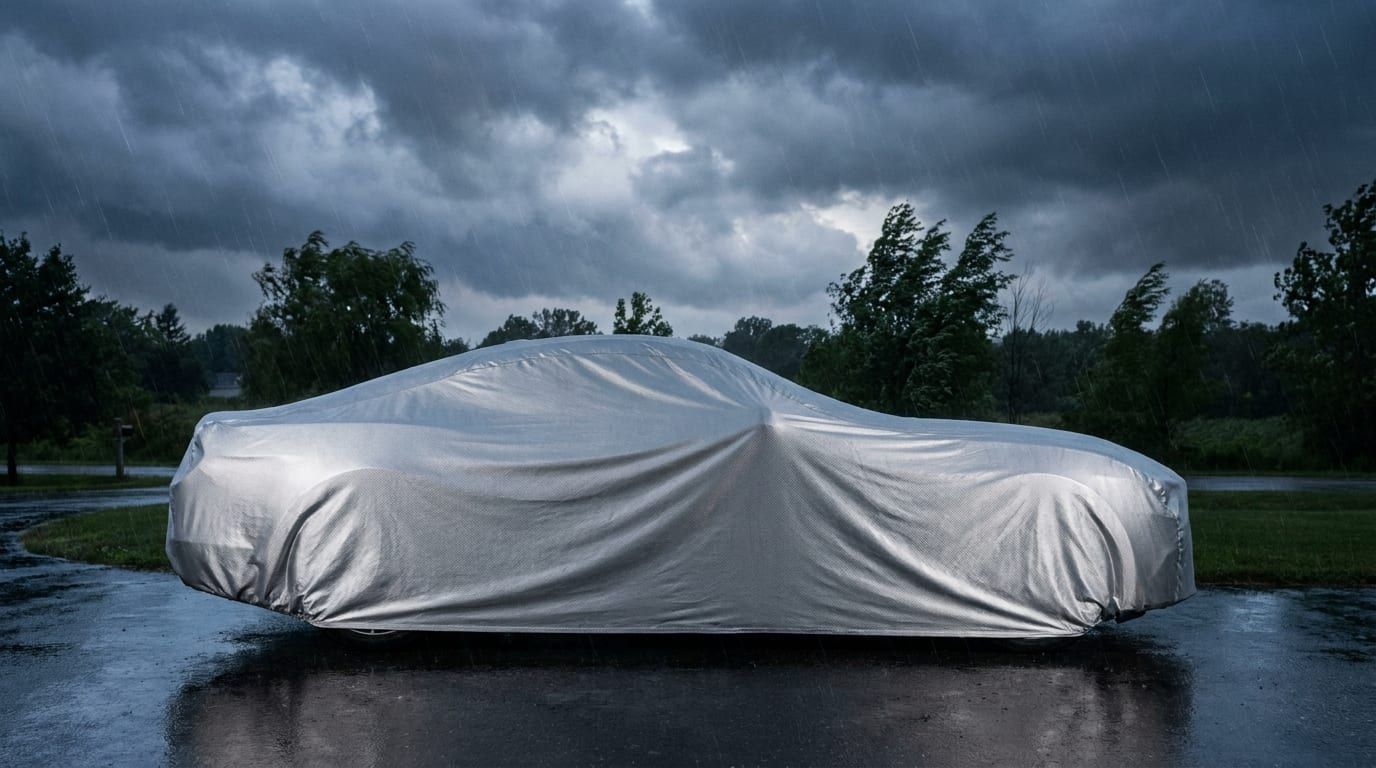
A Sienna isn't built like a sedan, and that matters more than most owners realize. Minivans sit lower to the ground, and between the windshield, the roof, and all that glass along the sliding doors, there's a lot more exposed surface catching sun and rain than on a typical car. Water finds its way into gaps you didn't know existed. UV rays cook the clear coat on flat panels faster than you'd think.
If you're parking in a driveway or on the street, add tree sap, bird droppings, pollen, and road grime to the list. Left uncovered, all of that sits on the paint and slowly etches it. A blue tarp from the hardware store won't stop any of it, and it'll probably scratch the finish while it's at it.
This guide assumes you've already decided to buy an outdoor car cover for Toyota Sienna and just need to figure out which one. Two things drive that decision: how waterproof the cover actually is, and how much UV protection it offers. Everything else, fit, straps, price, follows from those two calls.
What Actually Makes a Car Cover Waterproof
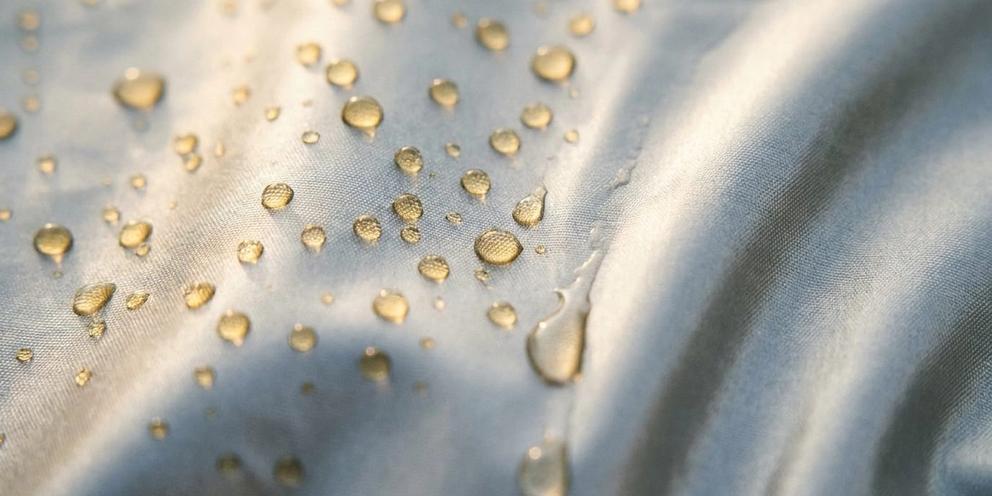
"Waterproof" gets thrown around loosely in this industry. Water-resistant covers use a DWR (durable water repellent) coating that beads up light rain and morning dew but eventually soaks through in a downpour. Fully waterproof covers use multi-layer laminate fabrics with taped or sealed seams, built to keep water out even in sustained rain.
Here's the part people miss: breathability matters just as much as the waterproofing rating. A cover that seals out 100% of water but can't vent moisture traps condensation underneath, right against the Sienna's paint. That's worse than no cover at all in some climates. The good covers balance both, keeping rain out while letting trapped moisture escape.
On a Sienna specifically, check where the seams sit and how the elastic hem and grommets wrap around the sliding doors and that low front bumper. Those are the leak points. A cover with sloppy seam placement around the door tracks will let water wick in exactly where you don't want it. For a deeper technical breakdown of laminate layers and coating types, the waterproof car covers guide walks through it in more detail, and the waterproof fabrics article covers the material science if you want to go further.
UV Protection: What Stops Sun Damage on a Sienna's Large Panels
UV-stabilized outer shells block more than fading. They slow oxidation and stop the trim and paint from getting brittle over years of sun exposure. Basic polyester covers do none of this. They shield from direct rain but let UV rays pass right through, so the fabric protects the car from weather while doing almost nothing for sun damage.
The Sienna's hood and roof are big, flat, and directly in the sun's path most of the day. So is that windshield. Those panels show fading and clear-coat stress faster than a smaller car with more curves and shadow lines. A cover without real UV treatment is basically decorative here.
There's an interior benefit too. Covering the van blocks sun from baking through the windshield and side glass, which cuts down on dash cracking and seat fading, especially if you're parking somewhere hot for hours at a stretch.
One thing worth knowing before you shop: UV protection level and waterproofing thickness usually scale together across a manufacturer's tiers. You're rarely choosing one without the other, the fabric that blocks more sun is generally the same fabric built to handle heavier rain.
Comparing Outdoor Cover Tiers for the Toyota Sienna
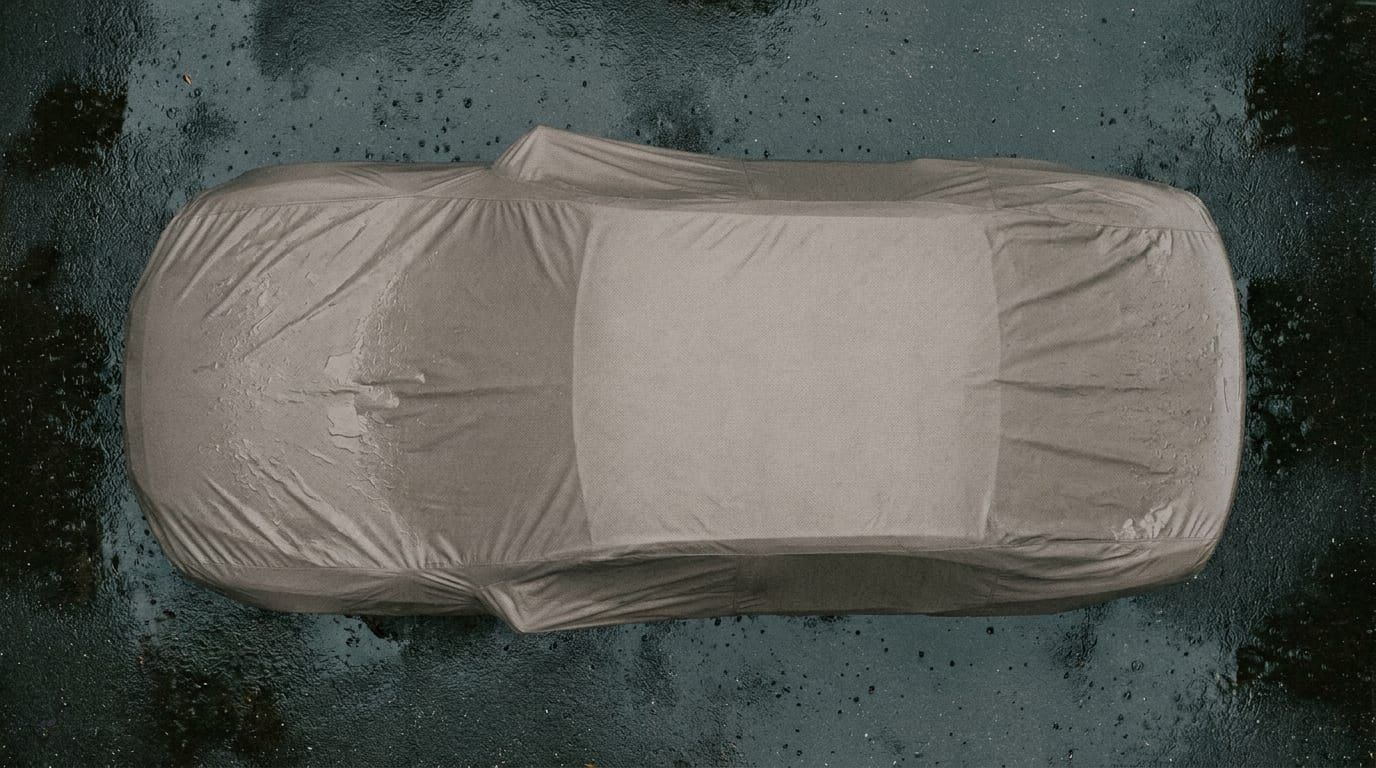
Outdoor covers for the Sienna typically break into three tiers, and picking the right one comes down to matching the fabric to where and how you park.
| Tier | Waterproofing | UV Protection | Best For |
| Entry/basic | Light-to-moderate rain, DWR coating | Basic UV coating | Mild climates, garage-adjacent parking |
| Mid/deluxe | Heavy rain and snow, laminate construction | Heavier-duty UV-resistant shell | Daily street parking, mixed weather |
| Top/platinum | Full all-weather waterproofing | Maximum UV block | Year-round exposure, harsh climates |
The entry tier works fine if your Sienna spends most of its time under a carport or only sits outside occasionally. It's the lightest option and the easiest on the wallet, but it's not built for weeks of steady exposure.
The mid tier adds a heavier shell and usually extra strap or grommet points for wind resistance, which matters once you're dealing with storms and not just drizzle. This is the one most daily street-parked Siennas end up needing.
The top tier is for owners in genuinely harsh climates, think desert sun combined with monsoon season, or coastal humidity plus salt air. Reinforced panels and grommets hold up to repeated on/off use without the fabric fatiguing.
Warranty length tends to track with tier, too, longer coverage on the higher tiers signals the manufacturer trusts that fabric to last. It's worth checking the lifetime warranty terms before you commit, since a shorter warranty on a cheaper cover isn't necessarily a red flag, it's just an honest reflection of expected lifespan.
If you're parking under a covered structure most nights, entry or mid tier covers it. Fully exposed street parking in a wet or sun-heavy region, go mid or top. For a broader look at what separates outdoor covers from indoor ones, the outdoor car covers guide is a good starting point, and the Toyota van cover page has Sienna-specific sizing across all three tiers.
Getting the Fit Right on a Minivan Body Style
A generic "fits all vans" cover is a gamble. The Sienna's sliding doors and mirror shape don't match a full-size cargo van or a smaller minivan from another brand, and a loose universal fit leaves gaps right at the door seams. Those gaps are exactly where water gets in and UV rays hit unprotected trim.
Custom-fit and semi-custom options solve this by mapping to the Sienna's actual dimensions. Precision fit means fewer loose flap points, and a tighter seal specifically at the sliding door tracks, which is where a loose cover struggles most. It's not just about looking better, it directly affects how well the waterproofing performs in practice.
Before buying, confirm sizing using your Sienna's exact year and trim rather than guessing off "minivan" as a category. Body changes between generations affect where the mirrors sit and how the roofline curves, small differences that matter for fit. The sizing guide walks through how to measure if you're not sure which path applies, and the custom-fit car covers page breaks down what precision fit actually includes compared to semi-custom.
Installing and Securing the Cover Against Wind and Rain
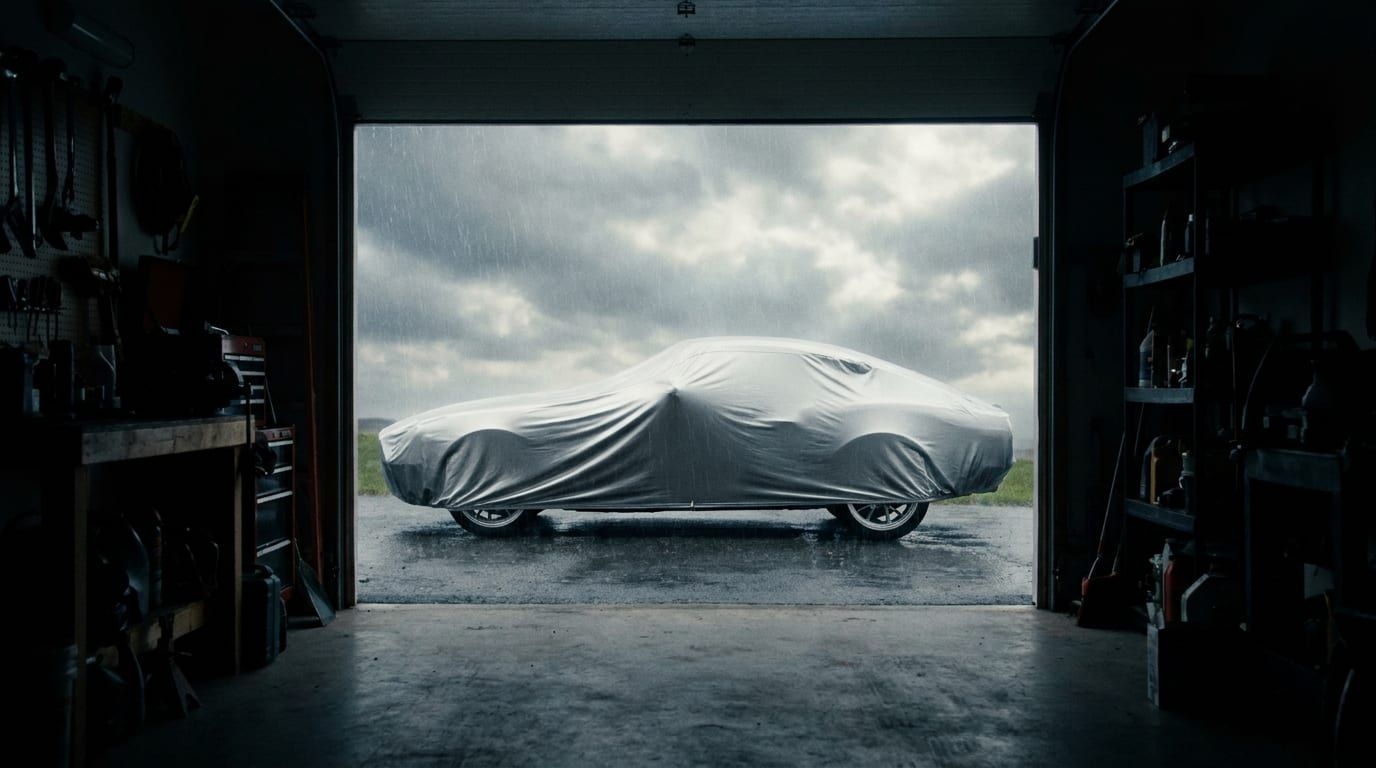
Even a cover rated for heavy rain fails if it's not secured properly. A loose fit lets wind get underneath, and once that happens, the cover flaps and water wicks in at every edge, no matter how good the fabric is. The waterproofing rating on the tag doesn't mean much if the cover isn't sealed against the car.
This is where gust straps and cable locks earn their keep. Straps run under the vehicle and cinch the cover down against wind, while cable locks keep the hem secured and deter anyone from lifting the cover off. Both are worth adding if you're in an area that gets regular wind, which is most places at some point in the year. The gust strap installation guide covers the setup step by step.
Before you throw the cover on, do a quick pass, wipe down the Sienna if it's wet or dusty, and make sure there's no moisture sitting on the paint. Covering a wet car traps that moisture underneath, which defeats the purpose of a breathable fabric. Start at the windshield, work back over the roof, then pull down and secure the front and rear separately so the fit sits even on both ends before you start clipping straps.
Maintaining Waterproofing and UV Protection Over Time
Coatings wear down with washing, especially if you're using the wrong detergent. Stick to a mild soap made for outdoor fabrics, skip anything with bleach or heavy degreasers, and let the cover air dry fully before folding it away. Harsh detergents strip the DWR coating faster than sun exposure ever will.
You'll know the coating is wearing out when water stops beading on the surface and just soaks in instead, or when the fabric starts feeling stiff and brittle to the touch. At that point, a re-treatment spray can extend the cover's life a bit longer, but if the fabric itself feels thin or cracked, it's time to replace it rather than patch it. The cover care guide has the specifics on wash frequency and what products are safe to use.
Between uses, don't stuff a damp cover into a bag and forget about it. Mildew sets in fast in a sealed, humid environment, and once it takes hold it degrades both the waterproof coating and the UV resistance of the fabric underneath. Let it dry completely first, always.
Choosing and Buying Your Sienna's Outdoor Cover
Boil it down and the decision checklist is short: how exposed is your parking spot, how harsh is your climate, and how long a warranty do you want backing the fabric. Those three answers point pretty directly to a tier.
If you're still unsure about fit before buying, that's a reasonable thing to hesitate on, a cover that doesn't fit right defeats the whole purpose. Buying from a place with a solid return policy takes some of that risk off the table, so you're not stuck with a cover that gaps around the doors.
Take a look through the rest of our car care and cover guides if you want to keep digging into fit, maintenance, or seasonal storage before you commit to anything. It's worth getting right the first time.
Updated