


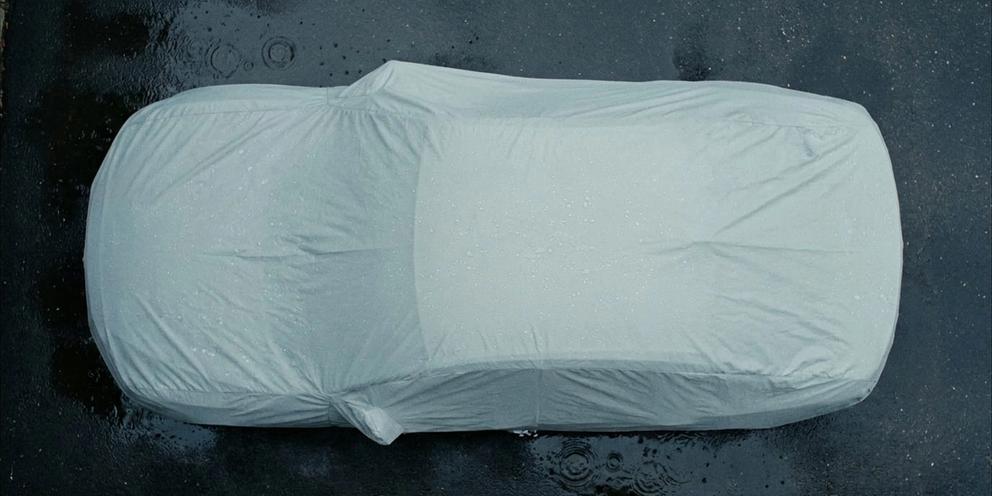
The Most Affordable Car Cover for Your Chevrolet Bolt (Without Cutting Corners)
Why Bolt Owners Are Looking for a Budget-Friendly Cover
If you drive a Chevrolet Bolt, you already made one budget-conscious decision buying the car. Looking for an affordable car cover for your Chevrolet Bolt is really the same instinct carrying over: you want real protection, not a markup for a badge on the box.
Bolts bring their own quirks worth covering for. Long charging sessions often mean sitting still in direct sun for hours, which is exactly when clear coat starts to fade and plastic trim gets brittle. Street parking or driveway charging also means sap, bird droppings, and tree debris have plenty of time to settle in before you drive off. And nobody wants grit or moisture working its way into the charge port door seal over months of exposure.
This guide walks through price tiers, points out where spending a little more actually pays off, and lands on a minimum spec you shouldn't go below no matter how good the deal looks.
What 'Affordable' Should Actually Mean (Not Just 'Cheapest')
Here's the trap: a $20 cover that shreds after two months of wind and sun isn't affordable. It's just an expensive way to buy the same cover twice, maybe three times, before you give up and spend real money anyway.
So set a floor. Any cover worth considering for a Bolt should have multi-layer woven fabric, not the single-ply polyethylene tarp material that cracks in cold weather and goes brittle under sun. It should have a UV-stabilized coating so the fabric itself doesn't degrade from sitting outside. Seams should be double-stitched, not single-pass stitching that unravels at the first stress point. And the hem needs an elastic edge or strap system, because a cover that isn't cinched down will flap itself apart in any kind of wind.
Hit those four marks and you're in real affordable territory. For a compact hatchback like the Bolt, that generally lands somewhere between $60 and $150 for a decent semi-custom or custom-fit option. Anything under $30 is almost always cutting one of those four corners, usually more than one.
Features Worth Paying a Little Extra For on the Bolt

Not every upgrade is worth it. A few actually are.
Mirror pockets matter more than people expect. Without them, wind gets under the cover at the mirrors first, and that's where tearing usually starts. A tailored hatchback profile matters too, especially if you're ever parked near a road, since a baggy cover balloons at speed and acts like a sail.
If your Bolt lives on the street, look for grommets or openings that work with a cable lock. It's a small feature that does a lot of quiet work in neighborhoods where opportunistic theft of wheels or badges is a thing.
Breathability is the one people skip and regret. A non-breathable tarp cover traps moisture underneath, and that's worse for your paint than no cover at all in a lot of cases, especially if the Bolt sits in a driveway near a garage where dew and condensation build up overnight.
Last one: fit. A snug, model-specific cover sized to the Bolt beats a generic "compact car" universal cover every time. Universal covers are cut loose to fit a range of shapes, and that looseness is exactly what rubs paint raw over a season of wind.
Custom-Fit vs. Universal Covers: The Real Price-to-Protection Tradeoff
Universal and semi-custom covers cost less upfront. That's the whole pitch. But loose fit means more fabric movement, and more movement means more friction against your clear coat every time the wind picks up.
A custom-fit car cover built to the Bolt's actual dimensions sits closer to the body. Less flapping, less chafing, less wear at the mirrors and edges over time. It usually costs a bit more going in, but it often works out to better value per year of use, since you're not replacing it as often.
Here's a simple way to decide: if your Bolt is garage-kept and budget is the deciding factor, a semi-custom cover is a reasonable call. If it's parked outside daily, rain or shine, lean custom-fit. The math favors it.
Matching the Cover to How and Where You Park

Where your Bolt sleeps at night changes what "affordable" should mean for you.
Parked outside every day? Waterproofing and UV resistance matter more than how light the fabric is. You want a dedicated outdoor car cover built to handle sun and rain, not a thin indoor-style sheet pretending to do that job.
Garage or carport? You don't need the heavy-duty stuff. A lighter, breathable indoor car cover costs less and does the job fine, since you're mostly guarding against dust and the occasional scratch, not weather.
Live somewhere with real weather swings, rain, snow, and brutal sun in the same year? Don't assume all "weather-resistant" covers perform the same. Check the actual waterproof rating before you buy, because that label gets used loosely across cheaper product lines.
Getting the Size Right the First Time
Guessing on size is how affordable purchases stop being affordable. A cover that's returned, exchanged, then returned again has already cost more in shipping and hassle than just measuring right the first time.
For a compact hatchback like the Bolt, you need three numbers: overall length bumper to bumper, width at the widest point (usually the mirrors), and height at the roofline. Most sizing issues come from skipping the mirror width or forgetting the Bolt's hatchback shape doesn't match a sedan's taper at the rear. If you're not sure where to start, the car cover size guide walks through it step by step.
And don't assume bigger is safer. A cover that's too large flaps and gathers extra fabric at the ends, which wears just as fast as one that's too tight and strains at the seams. Ill-fitting is ill-fitting either direction, no matter what you paid for it.
Making a Budget Cover Last Longer
Buying smart is half the equation. Caring for it is the other half, and it's the part people skip.
Shake off leaves and debris before you fold the cover up. Dragging it across pavement to get it on or off is a fast way to wear through the underside fabric, so lift it instead. And let it dry completely before you store it folded up. A damp cover sealed in a trunk or bag for a few days is how mildew smell and weak spots start.
If you're dealing with pollen season, sap-dropping trees, or road salt in winter, clean the cover more often than you think you need to. Built-up grit grinds against the fabric every time it flexes in the wind, which accelerates wear from the inside out. The cover cleaning guide has the specifics on what's safe to use.
None of this is complicated. But it's genuinely the difference between a budget cover lasting one season or three. Proper care can roughly double the usable life of a cover you already paid for, which is the real way to make an affordable purchase actually affordable.
Bottom Line: The Smartest Affordable Pick for Your Bolt
Don't go below the floor: multi-layer fabric, UV-stabilized coating, double-stitched seams, and a fit built for the Bolt's actual shape. Below that line, you're not saving money, you're just delaying the real purchase.
Spending a bit more for a proper fit, and for a cover backed by an actual warranty, almost always beats buying a throwaway cover three times over. A lifetime warranty on a cover tells you something about how long the maker expects it to last, which a $20 tarp cover can't claim.
If you want to see what a genuinely affordable car cover for a Chevrolet Bolt looks like in practice, it's worth browsing Chevrolet-specific cover options and running your measurements through the size guide before you buy. Worth bookmarking the articles section too, if you want more guides like this one before you commit to a purchase.
Updated