


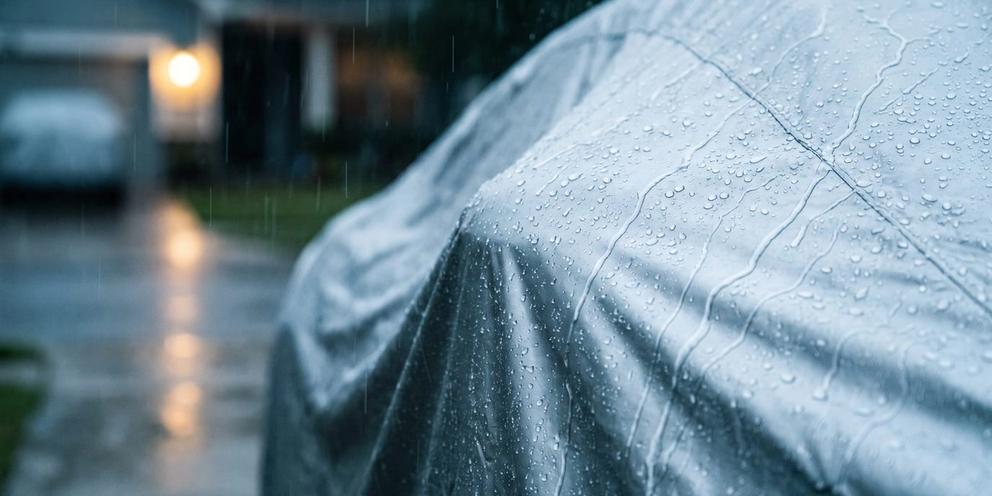
Waterproof Car Cover for Buick Enclave: Climate-Specific Protection Guide
Why Your Buick Enclave Needs a Truly Waterproof Cover
The Enclave isn't a small vehicle. Three rows, a long roofline, a wide stance, all of that adds up to a lot of exposed sheet metal and glass for rain, snow melt, and morning dew to sit on if it's parked outside. More surface area means more places for water to collect, pool, and eventually find its way in.
If you're parking in a driveway, an apartment lot, or anywhere without a garage, you're the one with the most exposure and the most to lose. Trapped moisture works slowly but does real damage: mildew creeping into interior fabric, rubber door seals going soft and brittle, paint etching from minerals left behind after water evaporates. None of that shows up overnight. It shows up six months later when you're wondering why the headliner smells musty.
Here's where a lot of buyers get tripped up. "Water-resistant" and "waterproof" get used almost interchangeably in cover marketing, but they're not the same thing. Water-resistant fabric slows moisture down. Waterproof, seam-sealed construction actually stops it. That distinction, more than brand name or price tag, is the real decision point when you're shopping for a waterproof car cover for your Buick Enclave.
And the right answer isn't universal. It depends on where you live. A cover built for Arizona sun doesn't need to do the same job as one built for Cleveland winters, so before you buy, it helps to think about your climate first and the cover second.
Matching Cover Protection to Your Climate
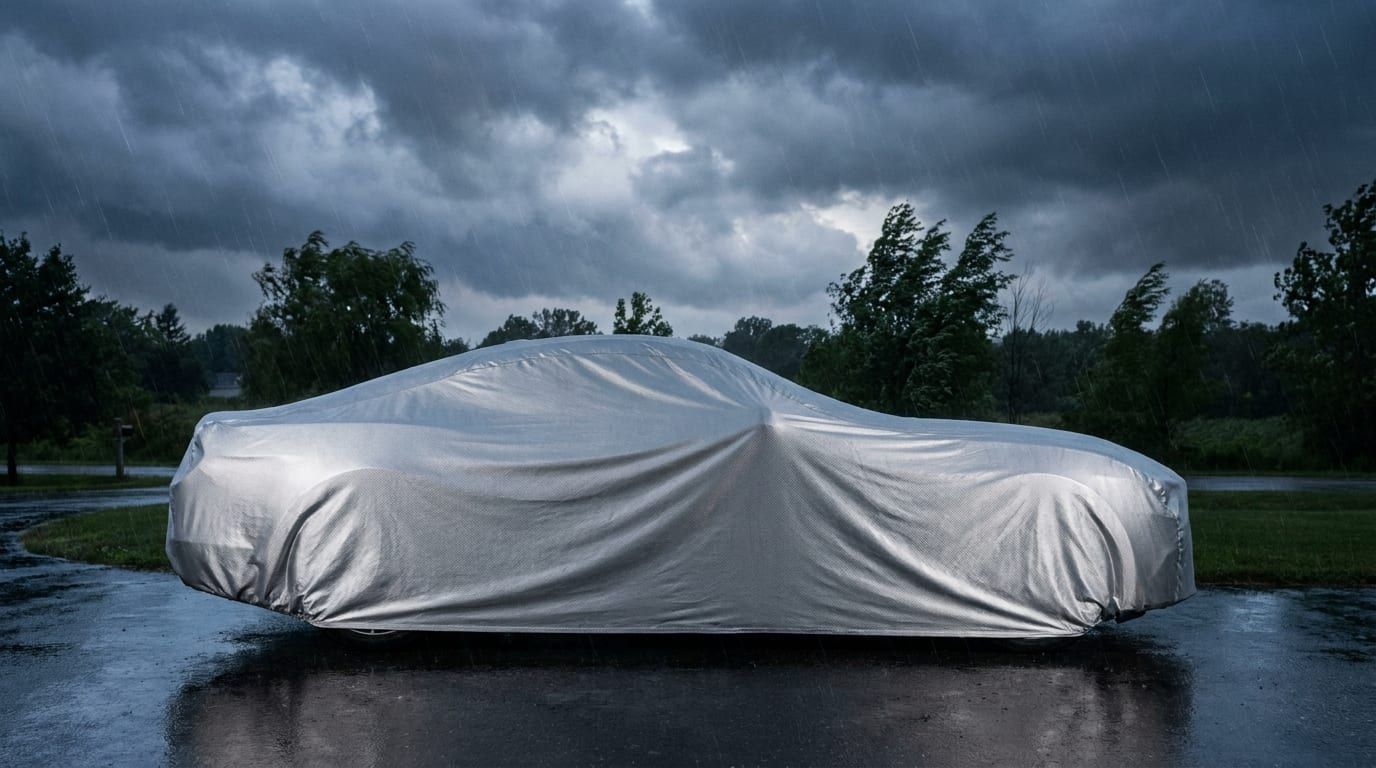
If you're in a humid or rainy region, think Southeast, Pacific Northwest, the fabric needs to do two jobs at once: shed rain and let trapped condensation escape. A cover that's fully sealed against water but doesn't breathe will hold moisture underneath just like a raincoat left zipped up in the sun. Mildew loves that environment.
Snow and freeze climates are a different puzzle. Here you want a cover rated to handle actual snow load without stiffening up or cracking in the cold, and a fit tight enough that meltwater doesn't pool on the roof and refreeze overnight. A loose cover in a snowy climate is basically an ice tray sitting on your Enclave's roof.
Hot, arid climates still need waterproofing, monsoon season and heavy dew don't care that you live in the desert, but UV protection becomes just as important. Intense sun breaks down fabric fibers over time and fades whatever's underneath. A cover doing double duty against both water and sun exposure needs a UV-treated outer layer, not just a waterproof one.
Coastal and salt-air regions add a wrinkle most people don't think about: corrosion. Salt-laden moisture trapped against trim, wheels, and undercarriage areas speeds up rust in a way inland humidity doesn't. Waterproofing matters here just as much, but so does making sure the cover isn't sealing salt air against the metal for days at a time. For more on how outdoor exposure factors like wind, sun, and moisture interact, the guide to using a car cover outdoors walks through it in more detail.
What Actually Makes a Car Cover Waterproof
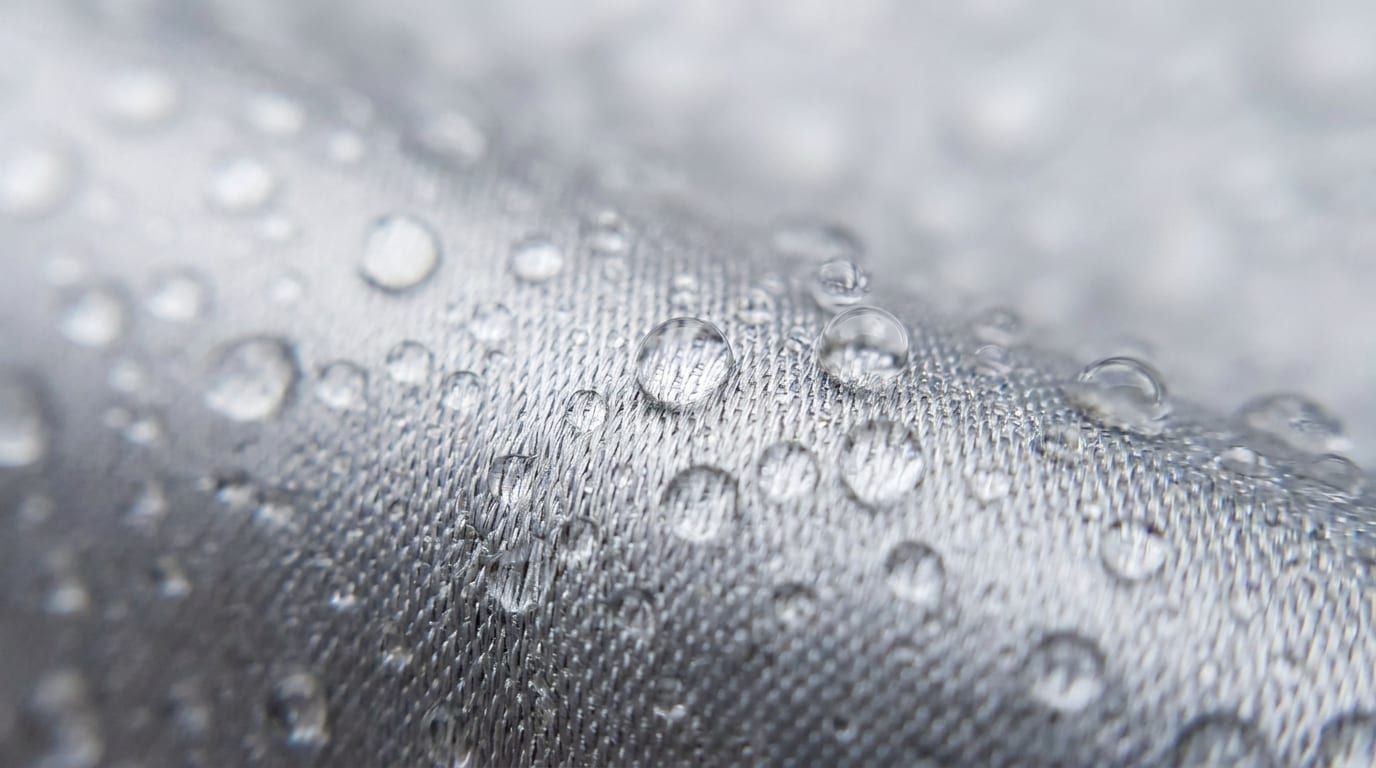
Most of the difference between a cover that works and one that doesn't comes down to construction, not marketing copy. Multi-layer fabric, an outer waterproof shell paired with a soft inner lining, does a fundamentally different job than a thin, single-layer water-resistant material. The layered approach blocks water on the outside while protecting paint on the inside. A single layer is trying to do both jobs with one piece of fabric and usually does neither well.
Seams are where cheap covers actually fail. You can have great fabric and still get soaked through if the stitching isn't taped or sealed properly, because water finds the needle holes before it finds a way through the material itself. If a cover doesn't mention seam-sealing anywhere in its description, assume it doesn't have it.
Breathability matters more than people expect. A cover that's completely sealed with zero airflow can trap moisture underneath just as badly as leaving the Enclave uncovered, maybe worse, because now that moisture has nowhere to evaporate. The goal isn't "as sealed as possible." It's water out, vapor out, in that order. Our breakdown of waterproof fabric types covers how different materials balance that trade-off.
Reflective or UV-treated outer layers are a nice bonus if you're dealing with both rain and strong sun, which describes a lot of the country for at least half the year. It's not strictly a waterproofing feature, but it's worth having if the option exists.
Getting the Right Fit for a Buick Enclave
Fit isn't a cosmetic detail here, it's part of the waterproofing itself. A loose, universal-fit cover flaps in the wind, and every gap it creates is a place for wind-driven rain to sneak in underneath. A snug, semi-custom or custom fit keeps the fabric taut against the body, which means fewer low spots where water can pool and sit.
The Enclave has a few specific shapes a generic cover won't account for well: roof rails that need clearance instead of a cover cinched flat against them, a boxy rear hatch with a third row that adds bulk most sedan-shaped covers weren't cut for, and mirrors that need actual pockets rather than a cover just draped over them. Get any of those wrong and you've got a gap right where wind and rain hit hardest.
Elastic hems and a proper grommet or strap system do the rest of the work, cinching the cover down so it stays put in gusty, wet weather instead of working itself loose overnight. If you're not sure which size option matches your Enclave's trim and dimensions, the sizing guide is worth checking before you order, and the Buick-specific cover page is a faster way to land on options actually built for this vehicle. Browsing the broader SUV cover lineup is also useful if you want to compare fit options side by side.
Extra Features Worth Having in Wet or Snowy Climates
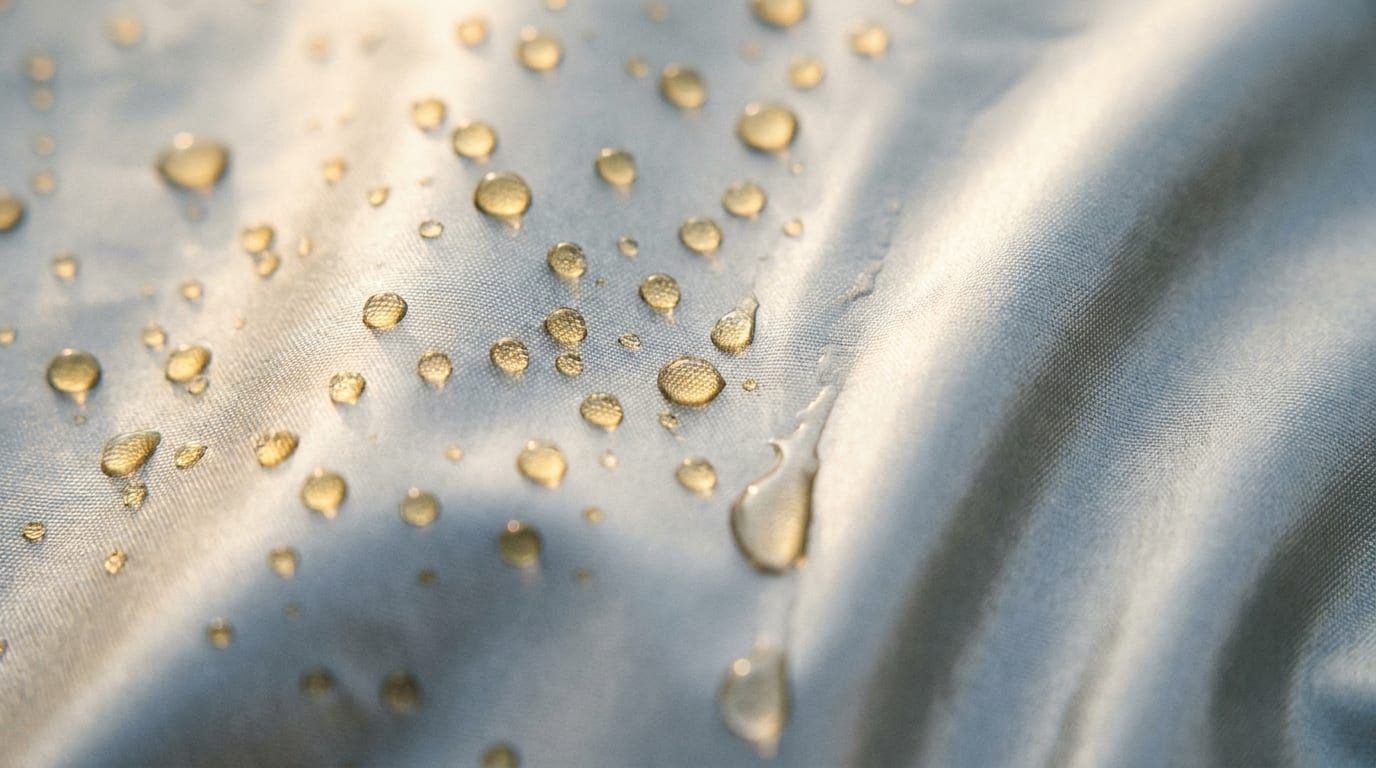
A fleece or soft inner lining isn't just for comfort. It matters most during long wet-season storage, when moisture that does make it under the cover has less chance to sit against paint and cause fine scratching every time the fabric shifts.
If your Enclave lives outside overnight as a daily driver, an anti-theft cable with lock grommets is worth having. It's a small addition that keeps the cover secured to something solid instead of getting lifted off in high wind, which happens more than people think in exposed parking situations. Pairing that with proper gust strap installation makes a real difference in how well the cover stays put through a storm.
A storage bag included with the cover matters more than it sounds. Toss a wet cover straight into a trunk or closet and you're growing mildew on the cover itself before it ever goes back on the car.
Reinforced, double-stitched seams are a durability signal worth paying attention to if the cover is going to see heavy seasonal use, month after month of snow load or driving rain. Combined with a solid warranty, it's a reasonable way to judge whether a cover is built for actual weather or just built to look good in a product photo.
Caring for a Waterproof Cover So It Keeps Working
Waterproof coatings wear down faster than people expect, especially if road salt, pollen, or tree sap sits on the fabric for weeks between cleanings. The coating is doing chemical work on the surface, and buildup interferes with that.
Dry the cover fully before folding it up for storage. This one's simple but gets skipped constantly. A cover folded away damp is a cover that grows mildew in the bag, and once that sets into the fabric it's hard to fully get rid of.
Skip the harsh detergents. Strong soaps and degreasers strip the waterproof coating over time, which defeats the entire purpose of buying a waterproof cover in the first place. Mild soap, a soft brush, and air-drying will keep the coating intact far longer than anything harsher. The full cover cleaning guide walks through the process step by step if you want specifics.
Choosing Your Buick Enclave Cover
Climate should be doing most of the decision-making here, not brand or price alone. Breathable waterproof fabric for humid regions, snow-and-ice-rated construction for freeze climates, UV-plus-waterproof layering for hot, sunny states. Coastal owners need all of the above plus some attention to how moisture interacts with trim and wheels.
Whatever you land on, confirm the fit matches your Enclave's actual dimensions before you buy. A great fabric on the wrong-size cover won't deliver the waterproofing it's built for.
If you want to keep digging into this before deciding, it's worth browsing more of our car care and buying guides, there's a lot more to get right beyond just the cover itself.
Updated