


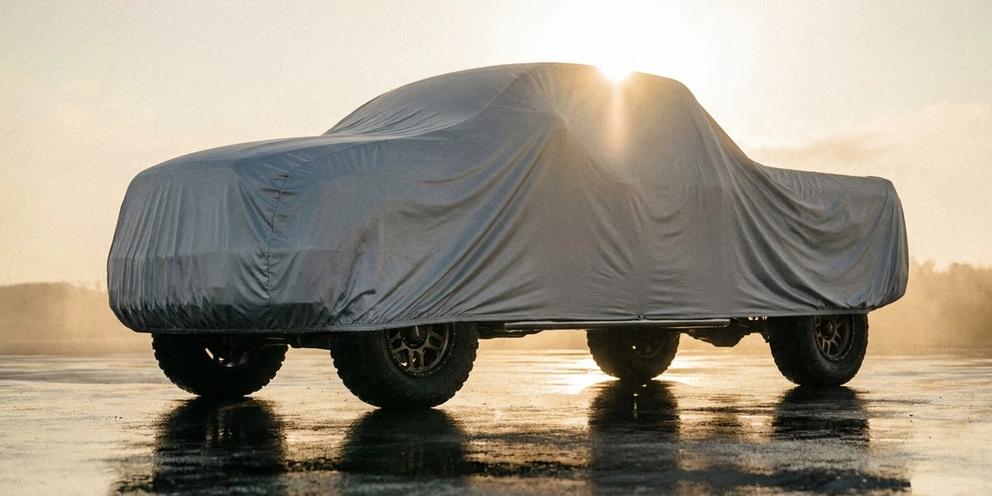
Waterproof Car Cover for Ford F-250: Climate-Specific Protection Guide
Why Your Ford F-250 Needs More Than a Basic Cover
An F-250 isn't shaped like the sedans most generic covers are designed around. You've got a long hood, a tall cab, and a bed that stretches out behind it, all adding up to a lot of surface area for water to find a way in. Universal-fit covers made for "full-size trucks" often gap at the bed rails or pull tight across the mirrors, and that gap is exactly where rain gets in.
Add in how these trucks actually get used. Towing trailers, sitting at job sites, parked outdoors between hauls, an F-250 spends a lot more time exposed than a car that gets driven to work and tucked into a garage at night. That means more rain, more sun, more freeze-thaw cycles working against the paint and interior.
So the real question isn't just "is this cover waterproof." It's whether a waterproof car cover for Ford F-250 trucks is matched to your actual climate. A cover built for Arizona sun does a different job than one built for Seattle drizzle or Minnesota snow load, and buying on marketing language alone is how people end up with a cover that fails in exactly the conditions they bought it for.
What 'Waterproof' Actually Means in a Truck Cover

Here's the thing: "water-resistant" and "waterproof" get used interchangeably in product listings, but they're not the same. Water-resistant fabric beads water and sheds light rain. Waterproof construction goes further, with a coated fabric layer plus sealed or taped seams that stop water from wicking through at the stitch lines, which is where most resistant-only covers eventually leak.
There's a trade-off, though. A cover that's fully sealed with zero breathability can trap moisture against your F-250's paint and chrome trim, and that trapped condensation causes its own problems, sometimes worse than rain would have. The better covers balance waterproof coating with a breathable membrane that lets vapor escape without letting liquid water in.
On a long-bed truck, the weak points are predictable: the elastic hem around the bottom edge, and the grommet and tie-down points along the bed. If those aren't sewn and sealed properly, that's where water pools and eventually seeps through. Worth checking before you buy, not after the first storm.
If you want the material science behind all this, the waterproof fabrics guide breaks down how coatings and laminates actually stop water penetration, and it's a useful read before comparing specs sheet to specs sheet. For a broader look at what "waterproof" should mean on a cover you're actually buying, the waterproof car cover guide covers the baseline features worth demanding.
Rain and Humidity: Daily Driver and Coastal F-250 Owners
If you're running your F-250 through the Gulf Coast, the Pacific Northwest, or anywhere in the humid Southeast, water-shedding fabric alone isn't enough. You need airflow too. Sustained humidity without ventilation is a recipe for mold and mildew creeping into the cab's headliner and door seals, even if the cover itself never lets a drop through.
Look for reinforced grommets and a cinching cord at the bed rails specifically. Flat bed-cover sections are where water pools if the cover isn't cinched down tight, and standing water sitting there for days is worse than a quick rain shower ever would be.
Coastal owners have an extra variable: salt air. Salt accelerates corrosion on exposed chrome and steel trim, and a cover that sheds water fast, rather than letting it linger and evaporate slowly with salt residue left behind, actually matters for long-term rust prevention. This is one area where a genuinely waterproof car cover for Ford F-250 trucks pays for itself over a few seasons parked near the water.
Snow, Ice, and Freezing Climates
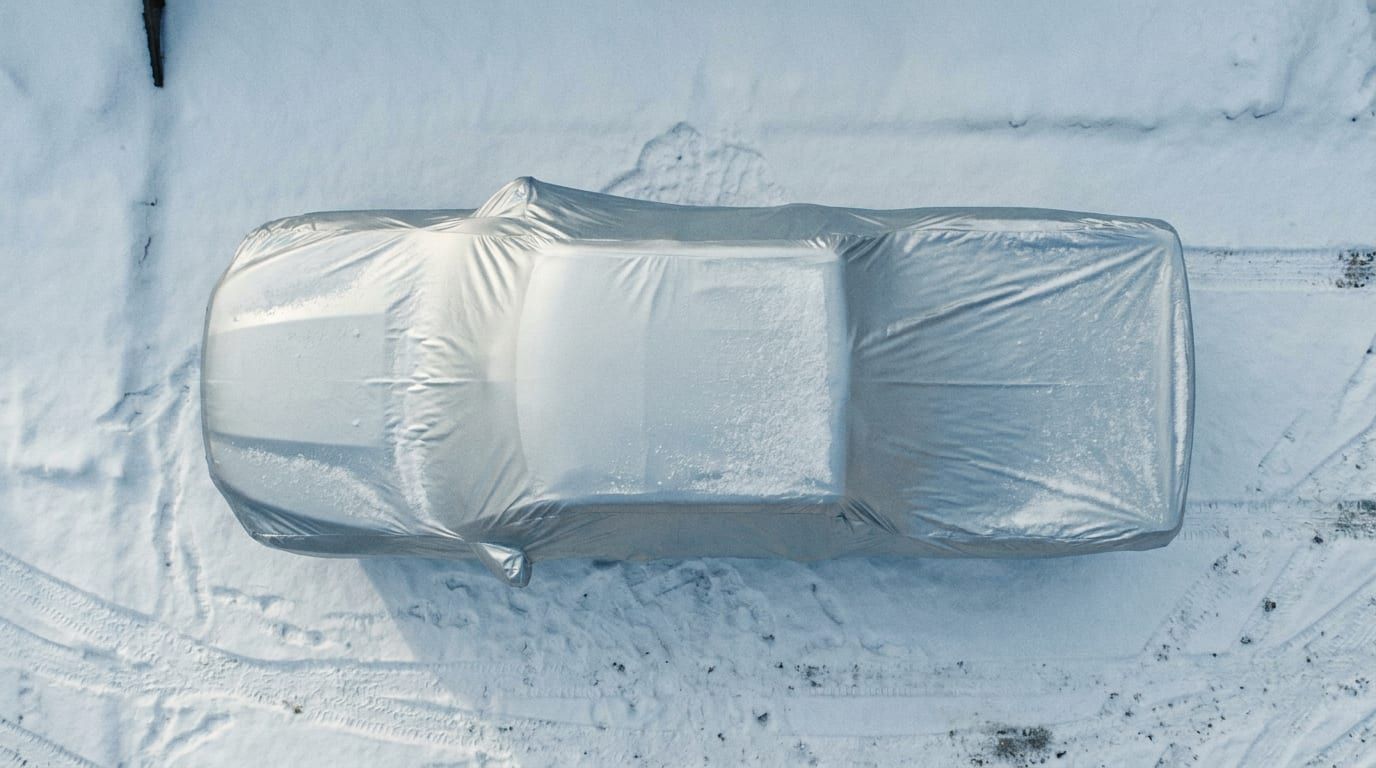
Snow load behaves differently on a truck than on a sedan. An F-250's long hood and flat bed both collect more accumulated weight than a smaller vehicle's rounded roofline, and that extra weight stresses seams and fabric panels unevenly. Covers without reinforced panels over the hood and bed can stretch, sag, or tear under a heavy snowfall.
The freeze-thaw problem is the sneakier issue. Moisture trapped under a non-breathable cover freezes overnight, then thaws during the day, then refreezes. That cycle works against paint and door seals over a whole winter, slowly degrading both. A breathable, truly waterproof cover avoids this because it doesn't trap that moisture in the first place.
One fix worth adding regardless of cover quality: support poles. They keep the fabric from pooling snow in the bed and stop it from stretching out of shape under repeated weight. The truck support pole installation guide walks through setup, and it's a cheap addition next to what a torn cover or stressed seam costs to replace.
Sun, Heat, and UV Exposure
Sunbelt states are a different problem entirely. UV exposure breaks down clear coat and bakes dashboards over time, and an F-250 parked outdoors all day in Arizona or Texas takes that hit daily, not just during the occasional storm. Waterproofing won't help you here. UV resistance is a separate spec.
Here's what trips people up: waterproofing and UV resistance are often built into the same multi-layer fabric, but that's not guaranteed. Check for both specs explicitly rather than assuming one implies the other. A cover marketed hard on waterproofing might have mediocre UV blocking, and vice versa.
For the fuller picture, wind, UV, and moisture all interact with each other outdoors, and the guide to using a car cover outdoors covers how those three factors compound rather than act independently.
Getting the Fit Right for the F-250's Size
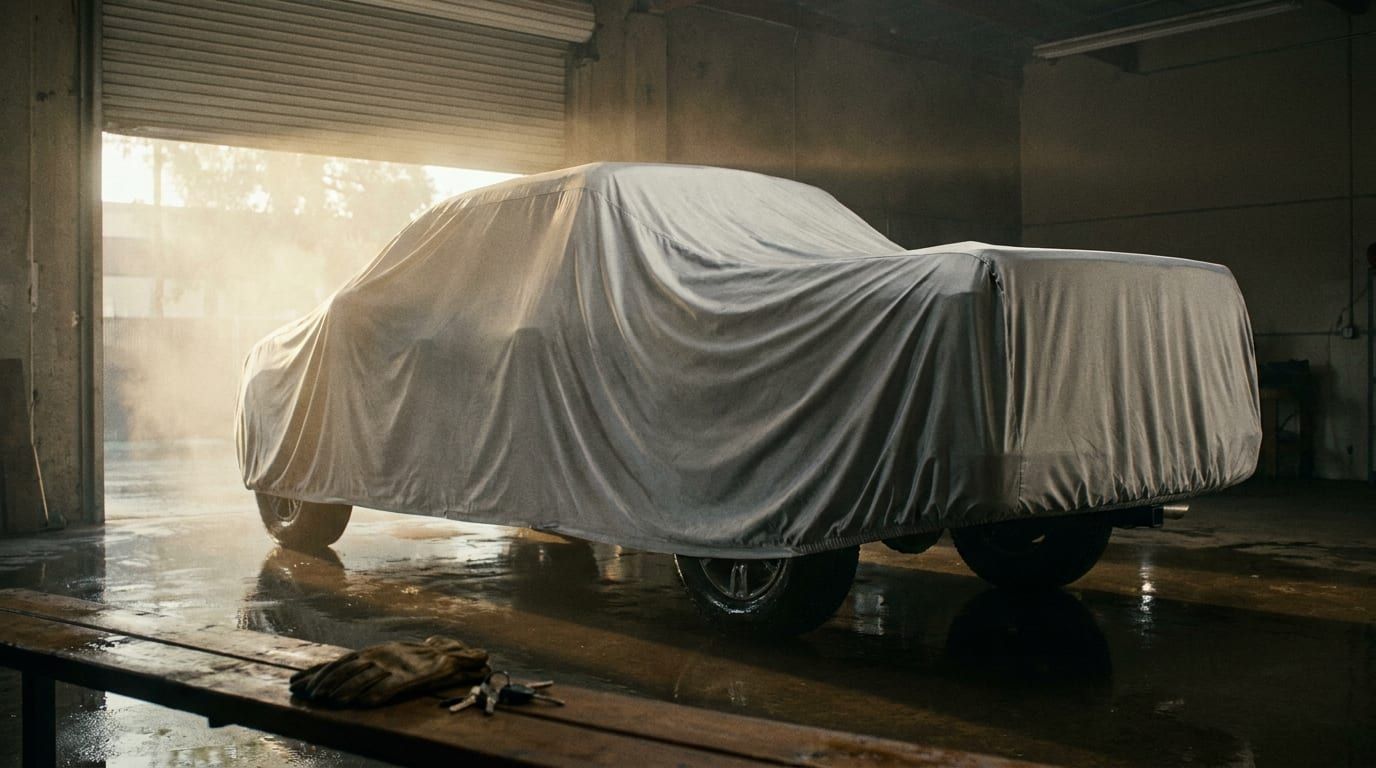
Mis-sizing is the number one reason a cover leaks, full stop. It doesn't matter how good the fabric is if the cover doesn't actually fit your truck's dimensions. F-250s come in regular cab, SuperCab, and Crew Cab configurations, plus multiple bed lengths, and each combination changes what "correct size" means. A cover built for a short-bed regular cab will gap badly on a long-bed Crew Cab, and that gap is a direct path for water.
Measure bumper to bumper before you buy, and check the mirror pocket placement too. Mirror pockets that don't line up mean the cover either sits too loose (letting wind flip it up) or gets stretched trying to force a fit, which strains seams right where you need them sealed.
If you're not sure of your exact bed length, the pickup truck bed size guide walks through how to identify it. Pair that with the general vehicle sizing guide for the sizing logic, and check the Ford truck cover page for options built to F-250 dimensions specifically rather than guessing off a generic "full-size truck" listing.
Installing and Securing the Cover in Rough Weather
A flat truck bed catches wind like a sail, more than a sedan's rounded body ever will. That's why wind straps (sometimes called gust straps) matter more here than on a car cover. Without them, a gust can work under the edge of the cover and flip it back, exposing the whole bed to rain in seconds.
If your F-250 sits outdoors at a job site or in a driveway where theft is a real concern alongside weather exposure, a cable lock threaded through the grommets adds a layer of security the elastic hem alone won't provide.
The wind strap installation guide covers the setup step by step, and it's worth doing right the first time. A loose strap defeats the purpose just as much as skipping it entirely.
Keeping the Cover Waterproof Over Time
Coated fabric doesn't stay waterproof forever if it's caked in dirt. Grime builds up in the coating's pores over a season or two, and that buildup compromises how well the fabric sheds water, even if the cover looked fine when you bought it.
Cleaning frequency should match your climate. Salt-air regions and heavy-pollen areas both need more frequent washes than, say, a dry inland climate where dust is the main issue. The cover cleaning guide has the right method so you're not scrubbing off the coating along with the dirt.
Before you buy, check the warranty too. Climate stress accelerates wear no matter how good the fabric is, and a strong warranty on car covers offsets that risk if a seam fails earlier than it should.
If you're ready to compare options, CarCovers' truck cover lineup is worth a look, sorted by the kind of weather you're actually parking your F-250 in. Worth bookmarking too, if you're still deciding.
Updated