


Waterproof Car Cover for Jeep Cherokee: Climate-Specific Protection Guide
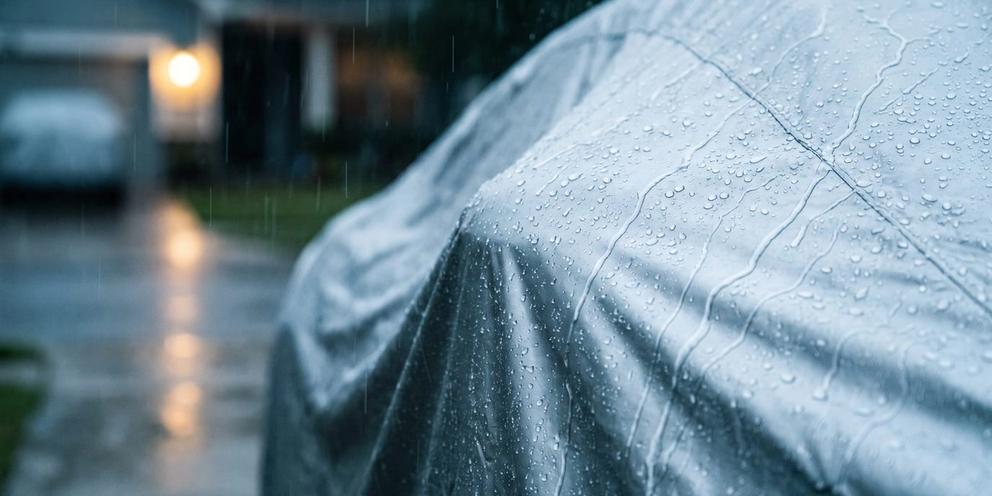
Jeep Cherokees don't spend much time in garages. They're built for trailheads, gravel driveways, and job sites, which means most owners park them outside more often than not. That's exactly why picking the right waterproof car cover for Jeep Cherokee ownership matters more than it would for, say, a sedan that gets babied in a covered spot every night. Rain, mud, standing puddles after a trail run: all of it sits against the Cherokee's paint and undercarriage longer than it should if the wrong cover is doing the job.
Why a Waterproof Cover Matters for Your Jeep Cherokee
Cherokees get driven hard and parked rough. Off-pavement use means more contact with mud, road salt, and standing water than a typical commuter car ever sees, and a lot of owners leave theirs outdoors between trips instead of tucking it away.
Here's the part people miss: a cover that isn't actually waterproof, or one that traps moisture instead of shedding it, can do more harm than no cover at all. Water gets in, can't get back out, and just sits there. Give it a few weeks and you're looking at paint etching, clear-coat breakdown, and that musty smell creeping in through door seals and window trim because moisture worked its way into the cabin.
This guide isn't about finding "a waterproof cover." It's about finding the right one for where you actually live and drive. A cover built for Arizona sun performs differently than one built for Seattle drizzle, and neither will do much good if it doesn't fit the Cherokee's boxy SUV shape, roof rails, and (on older models) that rear-mounted spare tire. Check out the waterproof car cover options built for SUV shapes before assuming any generic cover will do.
What 'Waterproof' Actually Means on a Car Cover Label
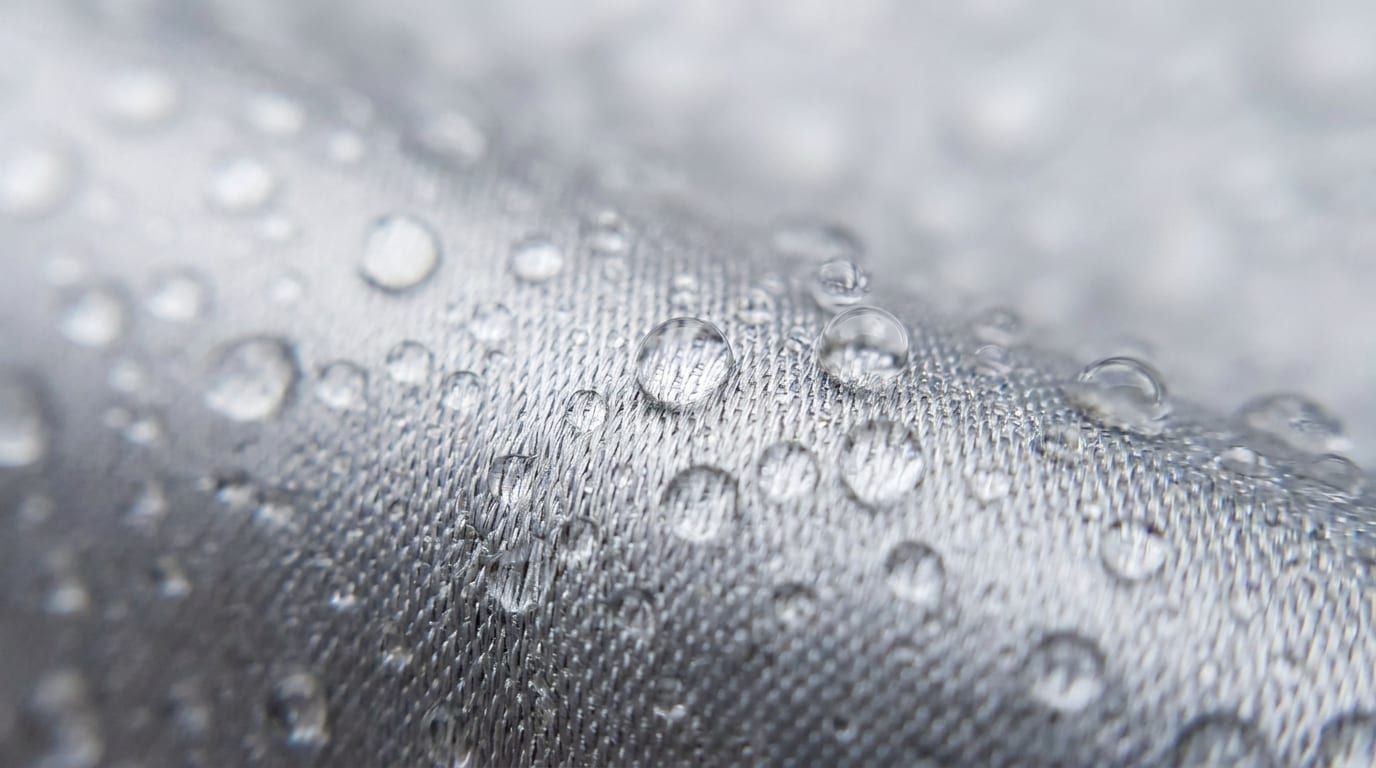
"Waterproof" on a label doesn't always mean what you think. A fully sealed, non-breathable waterproof fabric keeps rain out, sure, but it also traps condensation underneath. On a Cherokee that sits outside daily, that trapped moisture becomes its own problem. Breathable waterproof fabric is usually the smarter call: it blocks rain from getting in while letting trapped humidity escape instead of stewing against your paint overnight.
Seams matter just as much as the fabric itself, honestly more. Taped or double-stitched seams close off the tiny gaps where water sneaks through during a real storm. Single-stitched seams look fine on the shelf but tend to leak exactly where you'd expect: along the roofline, at panel transitions, anywhere two pieces of fabric meet.
Grommets and reinforced eyelets for tie-down straps are the quiet workhorses here. They keep wind-driven rain from lifting the cover's edge and sneaking underneath, which is a bigger risk than most people expect on an SUV with as much flat surface area as a Cherokee. Pair that with an elastic or cinching hem along the bottom edge, and you get a cover that actually hugs the rocker panels instead of flapping loose and letting splash-up from wet roads soak the lower doors. For more on how these features hold up outdoors, this guide to outdoor cover performance breaks down waterproofing, wind, and UV exposure together. It's also worth reading up on how waterproof fabrics are actually constructed before comparing covers by price alone.
Matching Cover Protection to Your Climate
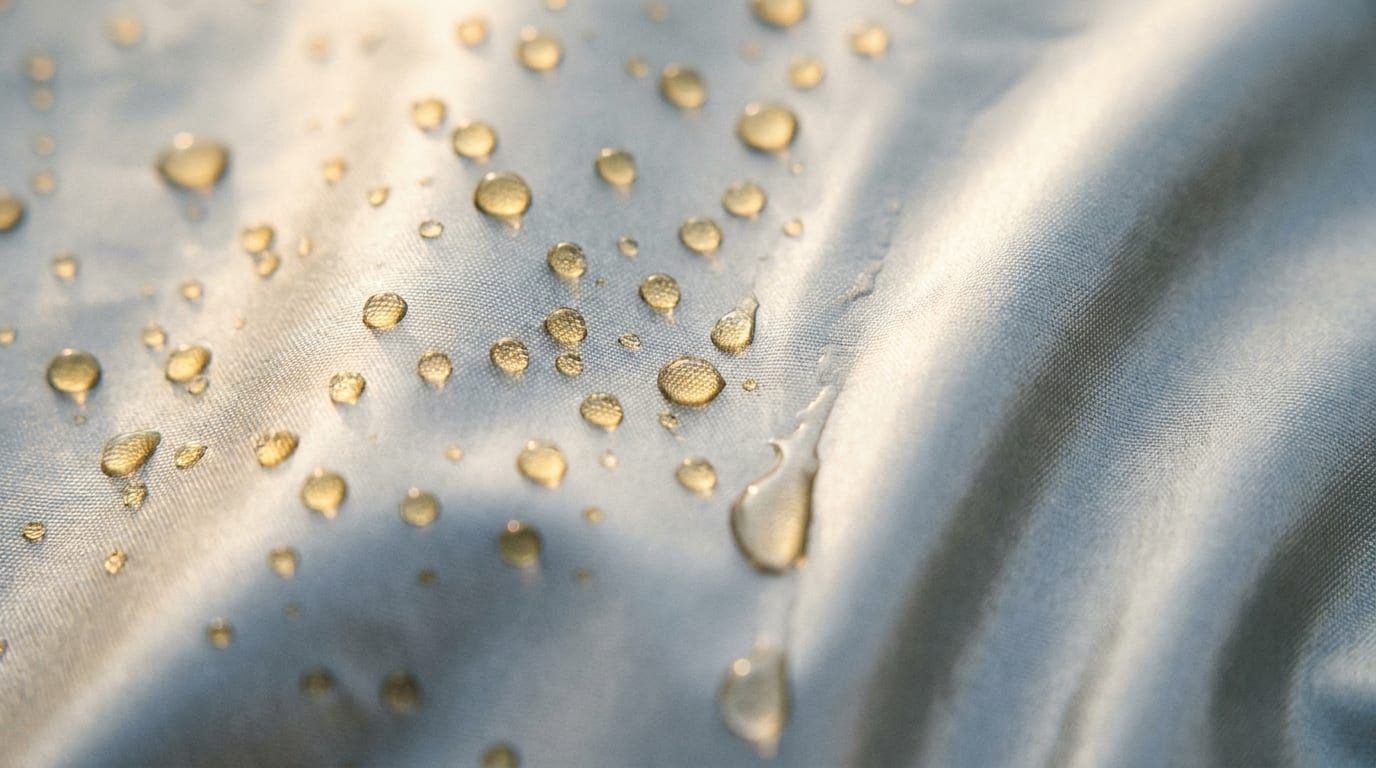
There's no single best waterproof car cover for Jeep Cherokee owners everywhere. It depends on what your weather actually does to a vehicle.
Rainy or humid regions (Pacific Northwest, Southeast)
- Breathable waterproof fabric is non-negotiable here
- UV-resistant coating helps prevent mildew and algae growth during long stretches of wet weather
- Look for fabric that dries fast between rain events instead of staying damp for days
Snow and ice regions
- Reinforced, heavier fabric resists ice adhesion better than lightweight material
- Confirm the cover is rated to shed snow load without sagging, since the Cherokee's flatter roofline doesn't shed weight the way a curved sedan roof does
- A sagging cover under snow stresses seams exactly where you don't want stress
Hot, sun-heavy regions (Southwest, high desert)
- UV-blocking layers matter even if it barely rains, since sun fading hits the dashboard and paint either way
- Heat cycling (hot days, cool nights) can degrade cheap coatings faster than moisture does
Coastal or salt-air regions
- Corrosion-aware materials help, but so does habit: rinse salt residue off before covering the vehicle
- Covering a salty, unwashed Cherokee just traps that residue against the paint and undercarriage
Custom-Fit vs. Universal Covers for the Cherokee's Body Style
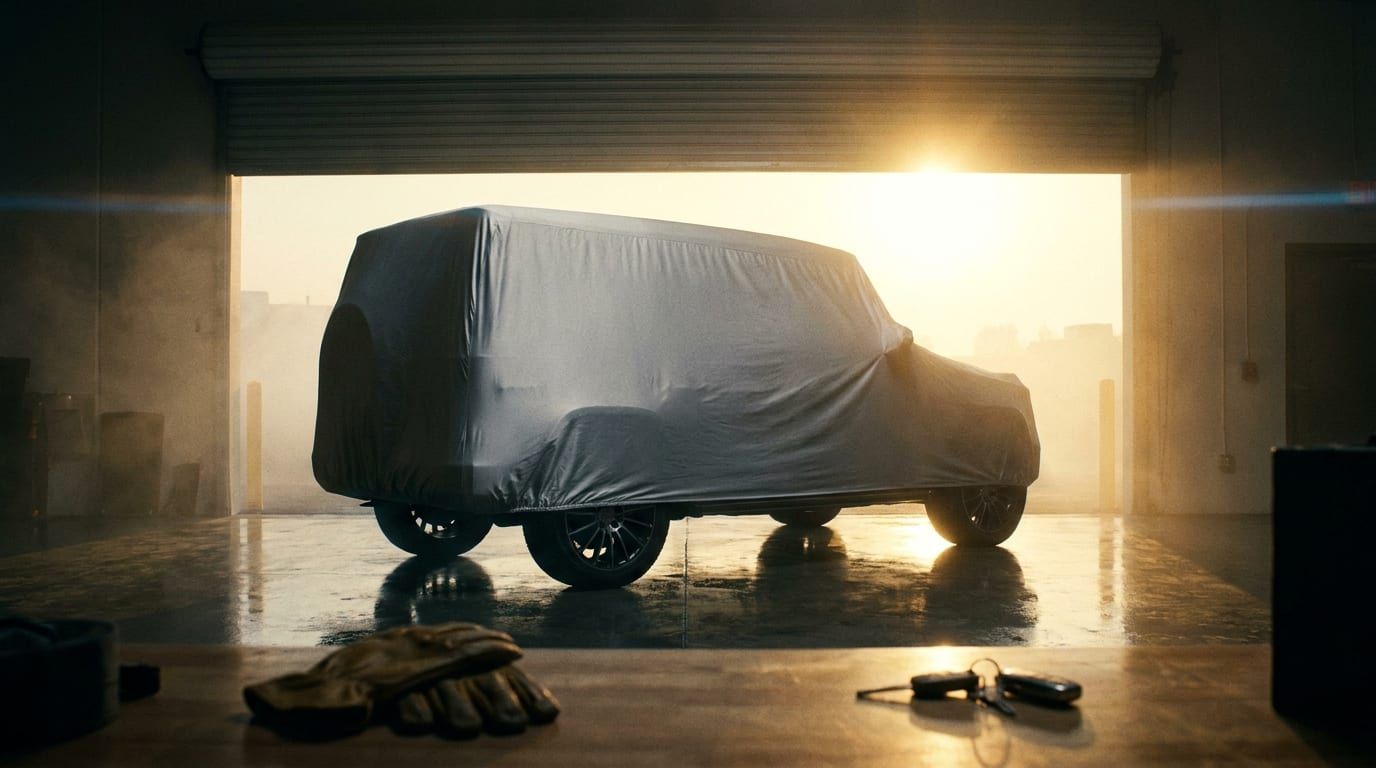
A cover that doesn't fit will underperform no matter how good the fabric is. Loose material flaps in wind, and that constant rubbing wears through waterproof coatings faster than sun or rain ever would on its own.
The Cherokee's body style adds a few wrinkles universal covers often ignore: roof rail cutouts, clearance around the rear liftgate spoiler on newer trims, and mirror pockets that all affect how snugly the waterproofing actually seals against the vehicle. A custom or semi-custom fit accounts for these; a generic "SUV-sized" cover usually doesn't, which is why gaps show up right where wind-driven rain wants to get in.
Universal covers are cheaper, no argument there. But that lower price comes with a tradeoff: more wind lift, more seam stress in storms, and faster degradation of whatever waterproof coating it started with. If you're weighing the two, a custom-fit car cover built for your Cherokee's exact year and trim earns back its price difference the first time a windstorm hits. Before buying anything, run your Cherokee's details through a sizing guide to confirm compatibility, and browse SUV-specific covers rather than assuming a sedan-shaped universal cover will work.
Storage Habits That Extend Waterproof Performance
Even the best cover underperforms if it's not used right. In windy climates, tie-down straps and cable locks keep the cover from shifting in gusts, which matters because a shifted cover exposes seams to driving rain that they were never meant to face directly. Wind strap installation is a five-minute job that pays off the first time a storm rolls through.
Drying matters too. Folding a wet cover and stuffing it in the garage is basically asking for mildew to grow inside the fabric itself, not just on the surface. Let it air dry fully before folding, every time.
Same logic applies to the vehicle underneath. Covering a wet Cherokee after a rainstorm or snowfall traps that moisture between the cover and the paint, undoing whatever protection the waterproof coating was supposed to provide. Wipe the vehicle down first. It takes two minutes and it's the difference between a cover that protects and one that just holds moisture in place.
Coatings also wear down with dirt buildup over time, so periodic cleaning helps maintain the factory water-repellent finish. Proper storage habits between uses matter as much as the cover you buy in the first place.
Installing and Caring for Your Cover
Installation isn't complicated, but rushing it creates gaps. Drape front to back, secure the straps under the mirrors, then work your way around cinching the hem snug along the rocker panels. That order matters: mirror straps anchor the cover before you start pulling the hem tight, which keeps everything aligned instead of shifting around as you go.
The two spots people mess up most: the front bumper and the rear liftgate. Both areas have curves and clearances that don't always match a loose or ill-fitting cover, and that's exactly where wind-driven rain finds its way in. A quick installation walkthrough covers the sequence in more detail if you're setting up a new cover for the first time.
Cleaning matters more than people think, too. Mild soap and water, nothing harsher. Solvents and harsh detergents strip the waterproof coating right off the fabric, which defeats the entire purpose of buying a waterproof car cover for your Jeep Cherokee in the first place. A proper cleaning routine keeps that coating intact for years instead of one season. And store it dry and ventilated between uses, not balled up damp in a corner of the garage. That habit alone extends a cover's working life more than almost anything else you can do.
Choosing the Right Cover and Next Steps
Climate first, fit second, seam and hem construction third. That's the order that actually matters when you're comparing options, and it's easy to get backwards if you shop by price alone.
Warranty length is a decent shortcut here, too. Manufacturers who back their waterproof coating with a real warranty are telling you something about how long they expect it to hold up. It's worth a look before you commit.
If you're ready to narrow things down, dig into Cherokee-specific and SUV-specific inventory rather than settling for a generic fit. And before you check out, run your Cherokee's year and trim through a sizing tool first. It's a lot easier than dealing with a return later. Worth bookmarking this guide or poking around a few more car care articles while you're at it, since climate, fit, and fabric all work together more than any single feature does on its own.
Updated