


Waterproof Car Cover for Kia Optima: Climate-Specific Protection Guide
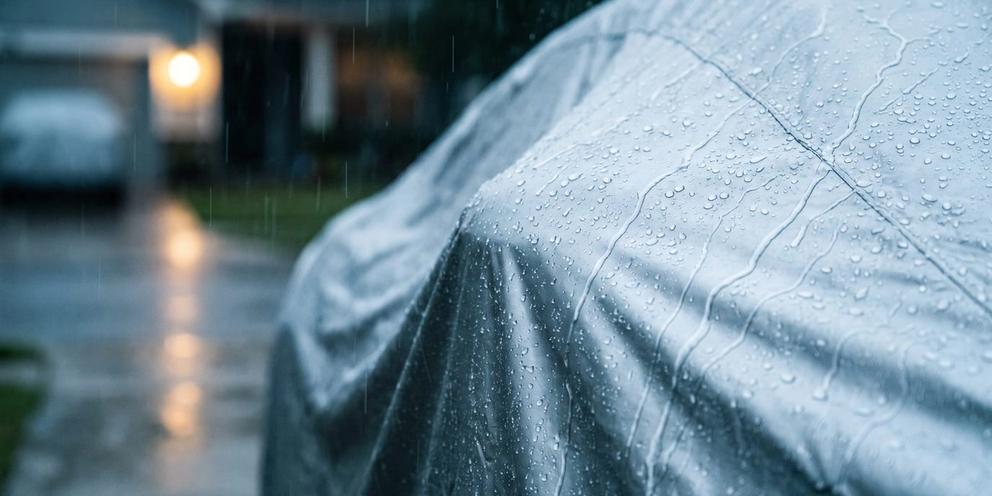
A Kia Optima parked outside for months without real waterproofing usually shows it in the wheel wells first. Rust freckles under the paint, a musty smell that won't quit, condensation fogging the inside of the windows on a dry morning. None of that is dramatic. It just adds up. If you're looking at a waterproof car cover for Kia Optima ownership specifically, the goal isn't just "keep rain off." It's picking a cover that matches what your actual climate throws at the car, because a cover built for Arizona sun does almost nothing useful in Seattle rain.
Why Your Kia Optima Needs a Truly Waterproof Cover
The Optima's body doesn't do it any favors. Long hood, low front fascia, plenty of painted trim sitting close to the ground where splash-back and pooling water hit hardest. Park it in a driveway with poor drainage and water sits against the lower panels for hours after a storm passes.
Here's where a lot of owners get tripped up: "water-resistant" and "waterproof" are not the same claim. Water-resistant fabric holds off light moisture for a while, then soaks through under sustained rain. Waterproof fabric is built to keep water out entirely, seams included. That difference matters a lot over a full season of exposure, not just for the paint but for the wiring, the carpet, and anything metal underneath the car.
Optima owners tend to run into the same three problems: clear-coat fading from sun and moisture cycling, rust starting quietly at the wheel wells, and interior mildew that creeps in through cracked window seals during long-term storage. A generic "all-weather" cover sold as a catch-all often protects against none of these particularly well. The better approach is matching the cover to your climate first, then picking features, which is exactly what this guide walks through. You can also browse Kia-specific cover options to see what's built for the Optima's dimensions before you get into climate details, and it's worth understanding the difference between waterproof cover types before you buy anything.
Rain and Humidity: Protecting the Optima in Wet Climates
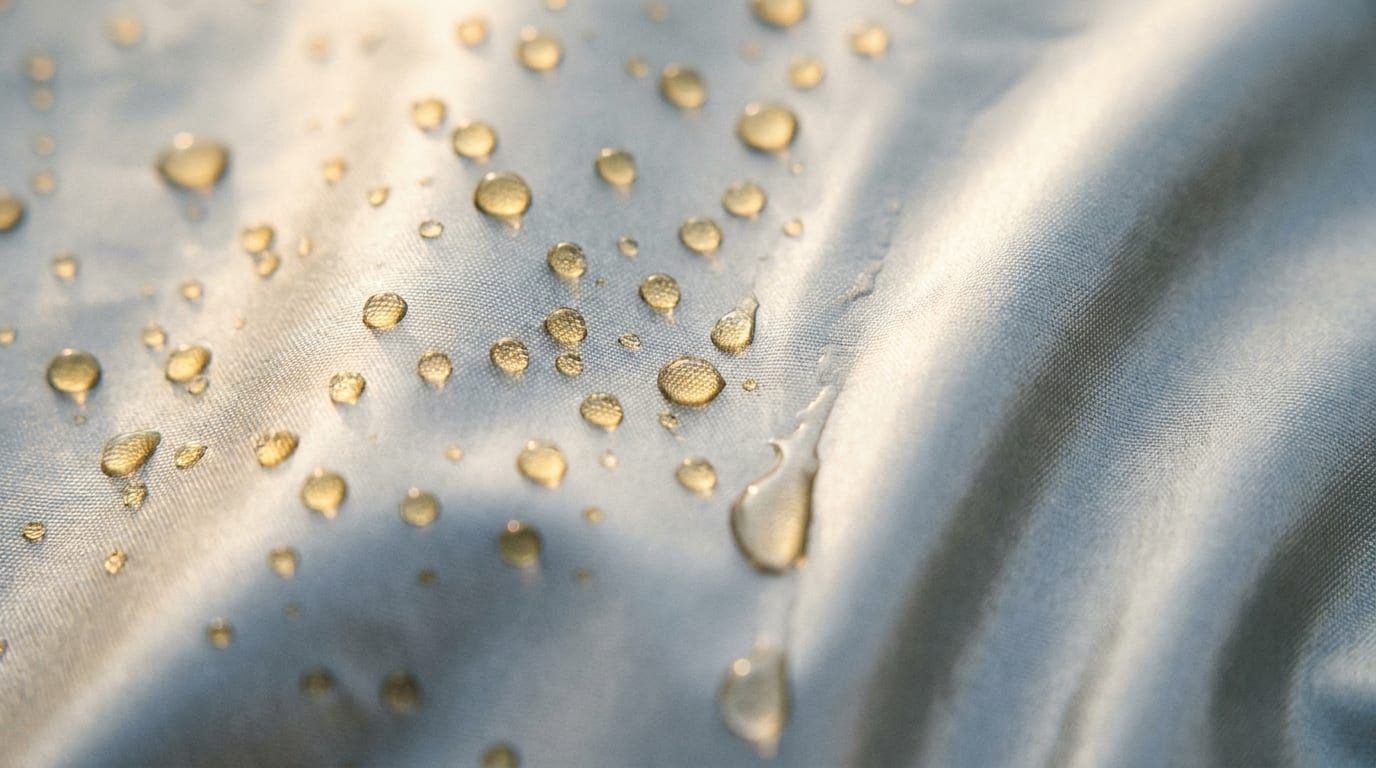
Leave an Optima uncovered through a Pacific Northwest winter or a Southeast rainy season and you'll see water spotting on the clear coat within weeks. Throw a cheap non-breathable tarp over it instead, and you've traded one problem for another: trapped moisture with nowhere to go, which is how mildew ends up on the seats and dash even though the car was "protected."
Breathable waterproof fabric solves both sides of that problem. It blocks rain from getting in while still letting interior condensation escape through the material itself. That's not a small distinction. A cover that's waterproof but not breathable can actually be worse than no cover at all in a humid climate, because it seals moisture against the paint instead of letting it evaporate.
Fit matters just as much as fabric here. Elastic hems, cinch straps at the wheel wells, and a cut that actually follows the Optima's body lines all reduce the gaps where water pools and seeps in. And don't skip checking the seams. Seams and grommet placement are the single most common failure point on any cover, waterproof-rated or not, so look for sealed seams before you buy rather than finding out the hard way during the first real storm. Reading up on waterproof fabric types before you buy tells you what to actually look for on the spec sheet, and the outdoor guide to wind, UV, and water exposure covers fit details specific to parking outside long term.
Snow, Ice, and Cold-Climate Considerations
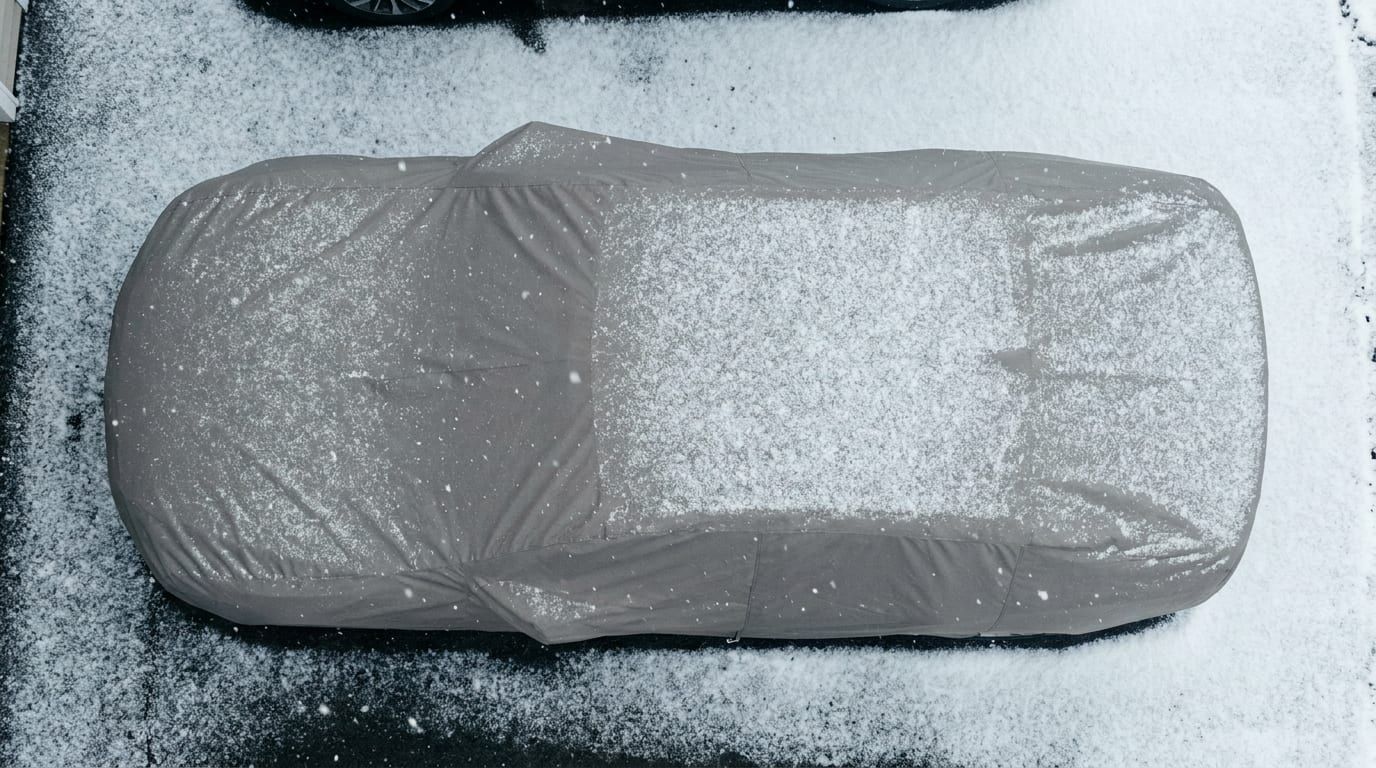
Waterproof and snow-ready aren't automatically the same thing. A cover rated for rain might still crack in freezing temperatures or bond to the paint if ice forms against it overnight. That's a bad surprise the first time you try to pull a frozen cover off in January.
Layered or insulated covers help here. A soft inner lining keeps snow and ice from grinding against the hood and roof as they shift with wind and temperature swings, which is exactly what scratches clear coat over a season of freeze-thaw cycles. Reinforced grommets and solid tie-downs matter more in winter than almost any other season too. Wind-driven snow puts real force on a cover overnight, and a loose one will rip free or shred at the seams before morning. Adding real gust strap tie-downs is one of the cheaper upgrades that actually prevents this.
One more thing worth saying plainly: trapped moisture under a cover in freezing weather is worse than leaving the car exposed. If the fabric isn't breathable, condensation can freeze against the paint itself, which defeats the entire purpose of covering the car in the first place.
Sun, UV, and Heat: Protection Beyond Water
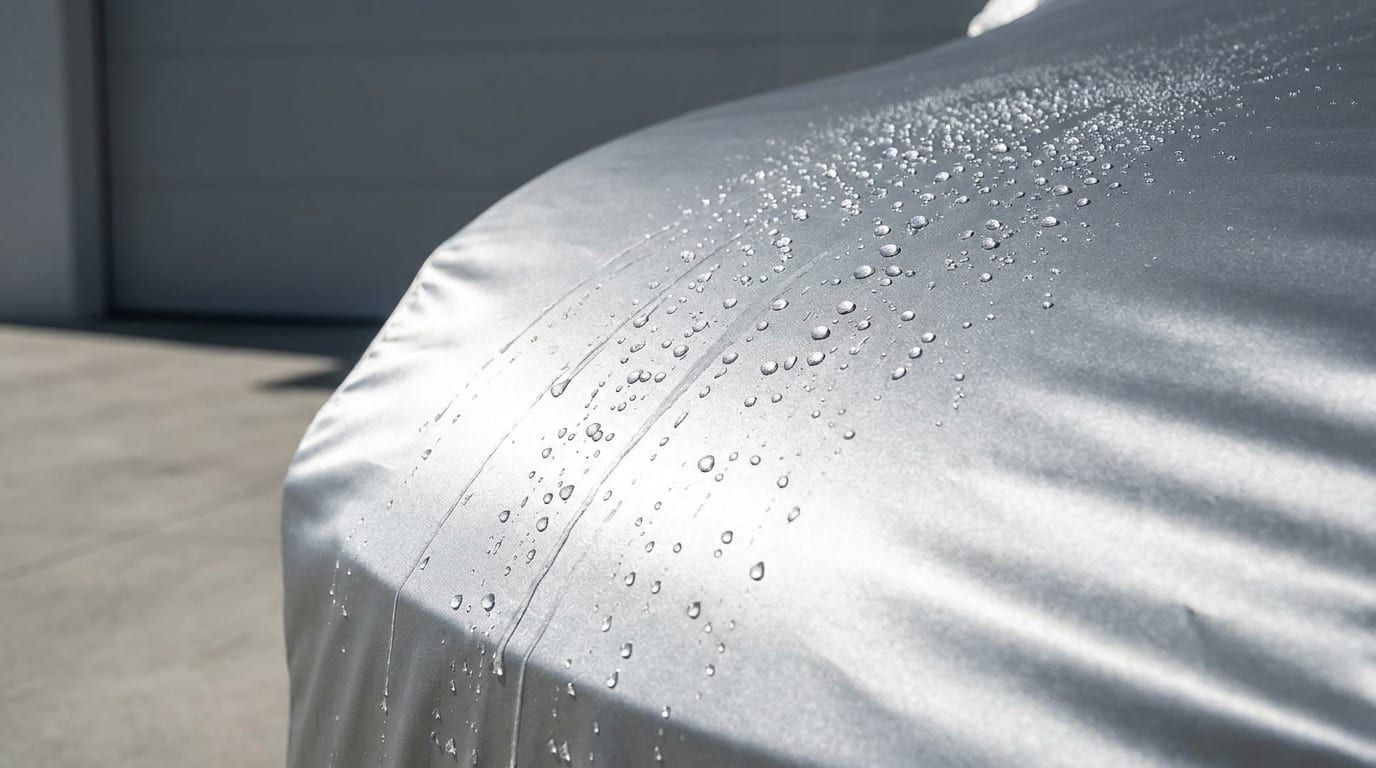
A waterproof car cover for Kia Optima owners in sunny climates needs to do more than block rain. UV exposure fades paint and dries out interior plastics even on cloudy days, so a cover that's waterproof but has no UV treatment is only solving half the problem.
Reflective or UV-treated outer layers cut down interior cabin heat buildup too, which matters a lot for owners in hot, sun-heavy regions like the Southwest where dashboard cracking is a real and common issue. It's not just about comfort when you get back in the car. Sustained UV exposure breaks down interior materials permanently.
Humid subtropical regions get hit from both directions: sun one day, downpour the next, on repeat for months. That sun-to-rain cycling wears out single-layer tarps fast, since the material never fully dries between exposures. Multi-layer covers that combine waterproofing with UV resistance hold up much longer under that kind of cycling than a basic one-layer cover will.
Coastal and Salt-Air Climates
Salt air adds a corrosion risk that inland owners don't have to think about. It settles on exposed metal, trim, and wheels, and it doesn't stop just because there's a cover on the car. If anything, a cover with the wrong hardware can trap salt-laden moisture right against the paint instead of keeping it off.
Look for waterproof covers with corrosion-resistant grommets and hardware specifically, paired with breathable fabric so moisture doesn't sit trapped underneath. Cheap zinc grommets near the coast corrode fast and start staining the fabric around them within a season.
Coastal owners also tend to pull covers on and off more often, whether that's for beach trips, salt washdowns, or just because the car gets used more in mild coastal weather. That extra handling wears out flimsy fabric quickly, so tear-resistant material earns its keep here more than it would in a drier, calmer climate. A cover backed by a lifetime warranty is worth prioritizing if you know you'll be removing and reinstalling it constantly.
What to Look for When Buying: Fit, Fabric, and Features
Universal covers are the compromise you pay for later. A semi-custom or model-specific fit matters more for waterproofing than most people expect, because every loose gap around the Optima's contours is a place water and wind can get underneath, no matter how good the fabric itself is.
When you're comparing options, check for multi-layer fabric construction, sealed seams, elastic or cable-lock hems, and antenna or mirror pockets cut for the Optima specifically, not a generic mid-size sedan shape. These details are what separate a cover that actually performs at its waterproof rating from one that just claims to.
Sizing is where a lot of buyers cut corners and shouldn't. The Optima's dimensions shift slightly across trims and model years, so it pays to check sizing guidance for your specific Optima instead of assuming any mid-size sedan cover will fit right.
Buying the right cover is only half of it. How you care for it decides whether it still performs at that waterproof rating two or three seasons in. Dry it fully before folding it away, store it in a breathable bag, and don't leave it balled up damp in the trunk. A quick read of how to clean and store a car cover covers the basics, and general car care habits around where and how you park make a real difference in how hard the cover has to work in the first place.
Matching Your Kia Optima to the Right Waterproof Cover
The short version: breathable waterproof for wet or humid regions, insulated waterproof for snow country, UV-reinforced waterproof for sun-heavy states, and corrosion-resistant hardware if you're anywhere near salt air. There isn't one "best" waterproof car cover for Kia Optima owners everywhere. There's the one that matches what your car actually sits through most weeks of the year.
If you're still narrowing it down, it's worth spending a few minutes with a proper waterproof cover buying guide before you commit to one. No need to rush this decision, it's the kind of purchase that's worth getting right the first time so you're not replacing a cover again in a year.
Updated