


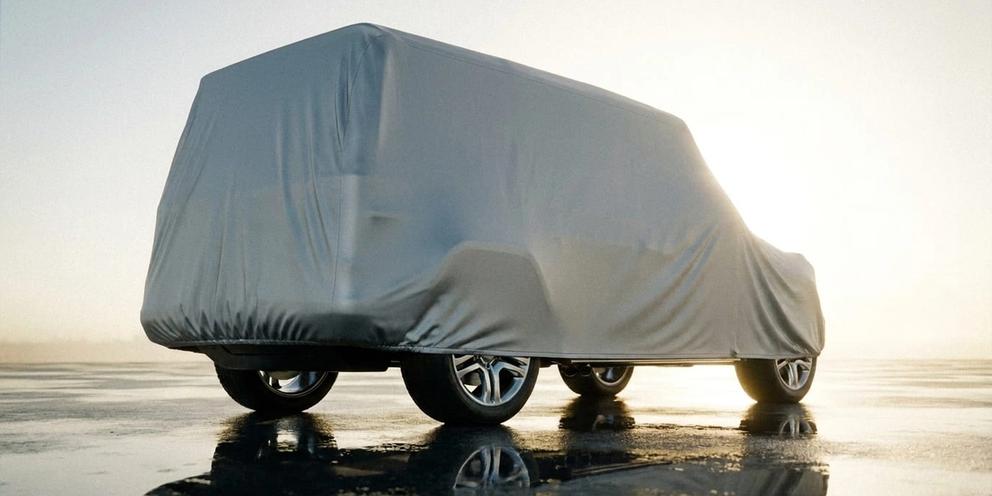
Waterproof Car Cover for Land Rover Defender: Climate-Specific Protection Guide
Why the Defender Needs More Than a Generic Cover
Defender owners don't buy the vehicle to keep it in a garage. Trailheads, farm gates, coastal roads, ski trips: this is a truck that gets used, which means whatever's protecting it needs to handle actual weather, not just an afternoon of driveway pollen.
That's the first problem with grabbing a generic cover off a shelf. The Defender's boxy panels, exposed roof rails, available snorkel, and (on some trims) side-mounted spare tire don't play nice with a flat, universal tarp-style cover designed for a sedan. Water pools where it shouldn't. Fabric rubs against hard points. Wind gets underneath and starts working the material loose.
Then there's the labeling problem. A lot of covers marketed as "water-resistant" are fine for light drizzle and not much else. A genuinely waterproof car cover for Land Rover Defender ownership needs sealed seams, taped construction, and fabric rated to keep water out under sustained exposure, not just repel a few stray drops before soaking through. Those two categories get marketed almost identically, so it's worth knowing the difference before you buy.
The core idea for this guide is simple: match the cover's features to the climate your Defender actually lives in. Size matters. Fit matters. But climate is what decides whether the cover you bought protects the truck or just becomes another thing sitting outside failing quietly.
Matching Cover Protection to Your Climate
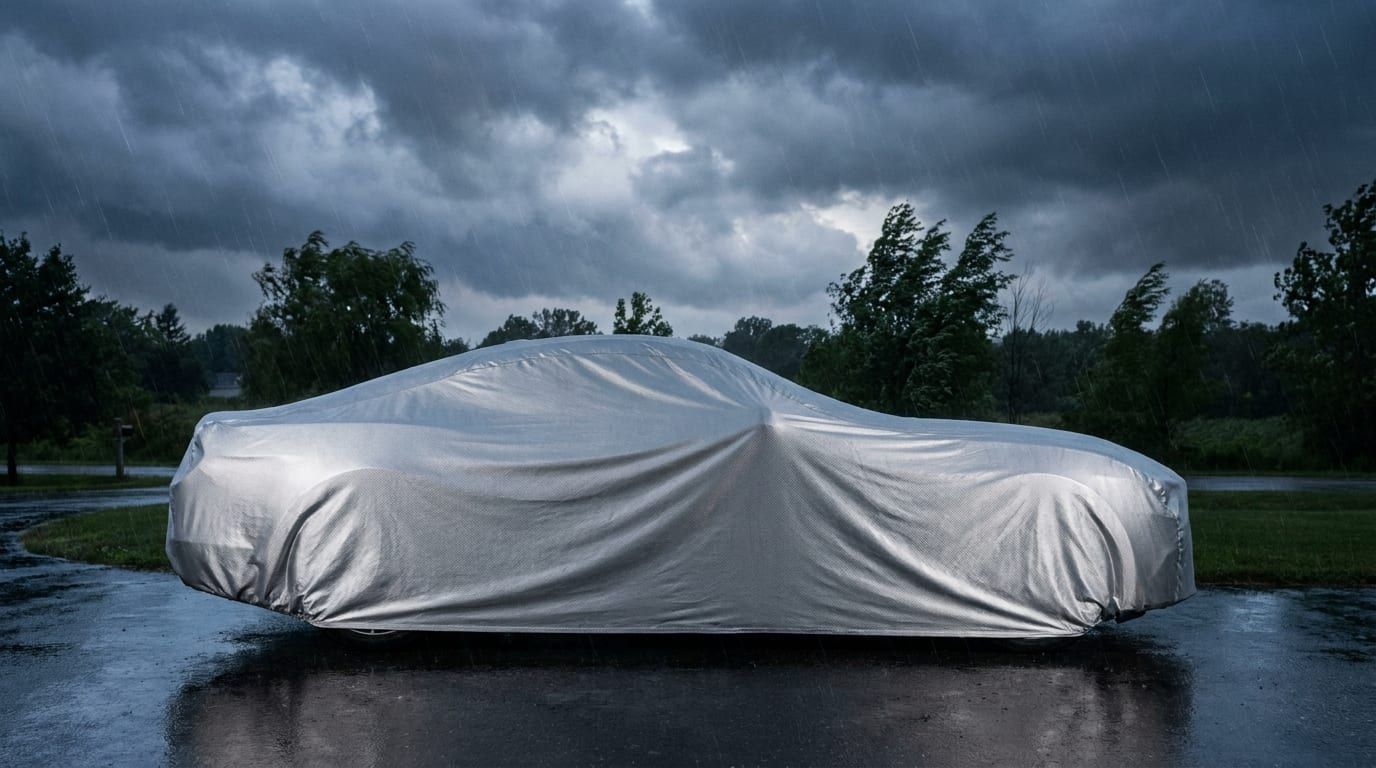
Different climates stress a cover in different ways, and a waterproof car cover for Land Rover Defender use should be picked with that in mind, not just picked for being "heavy duty."
Rainy and humid regions (Pacific Northwest, Southeast) need waterproofing paired with real breathability. Sounds contradictory, but it isn't. A cover that blocks rain while trapping humidity underneath is arguably worse than no cover at all. Mildew doesn't need much encouragement.
Snow and freeze climates call for fabric that stays flexible in the cold. Cheap materials stiffen and crack in sub-freezing temps, and a stiff cover doesn't seal well against wind-driven snow. Fit matters here too. A snug cover keeps snow from pooling into low spots and stressing seams under the weight.
High-UV and desert climates (Southwest especially) put fabric quality to the real test. Sun degrades cover material and fades paint faster than most rain ever will, so a UV-resistant outer layer is not optional in these regions, even if rain barely factors in.
Coastal and salt-air areas bring a different threat: salt-laden moisture settling into trim and metal over time. The cover needs to block that moisture from reaching the body, and storage habits (rinsing, drying, not leaving the cover on wet) matter almost as much as the fabric itself.
Most Defender owners aren't dealing with just one of these. You might get coastal humidity in spring and hard freeze in January. That's the honest case for a multi-layer all-weather cover over something built for a single condition. For a broader breakdown of what "outdoor-rated" actually needs to cover, this guide to using a car cover outdoors is worth a look before you commit to one type.
What Actually Makes a Cover Waterproof
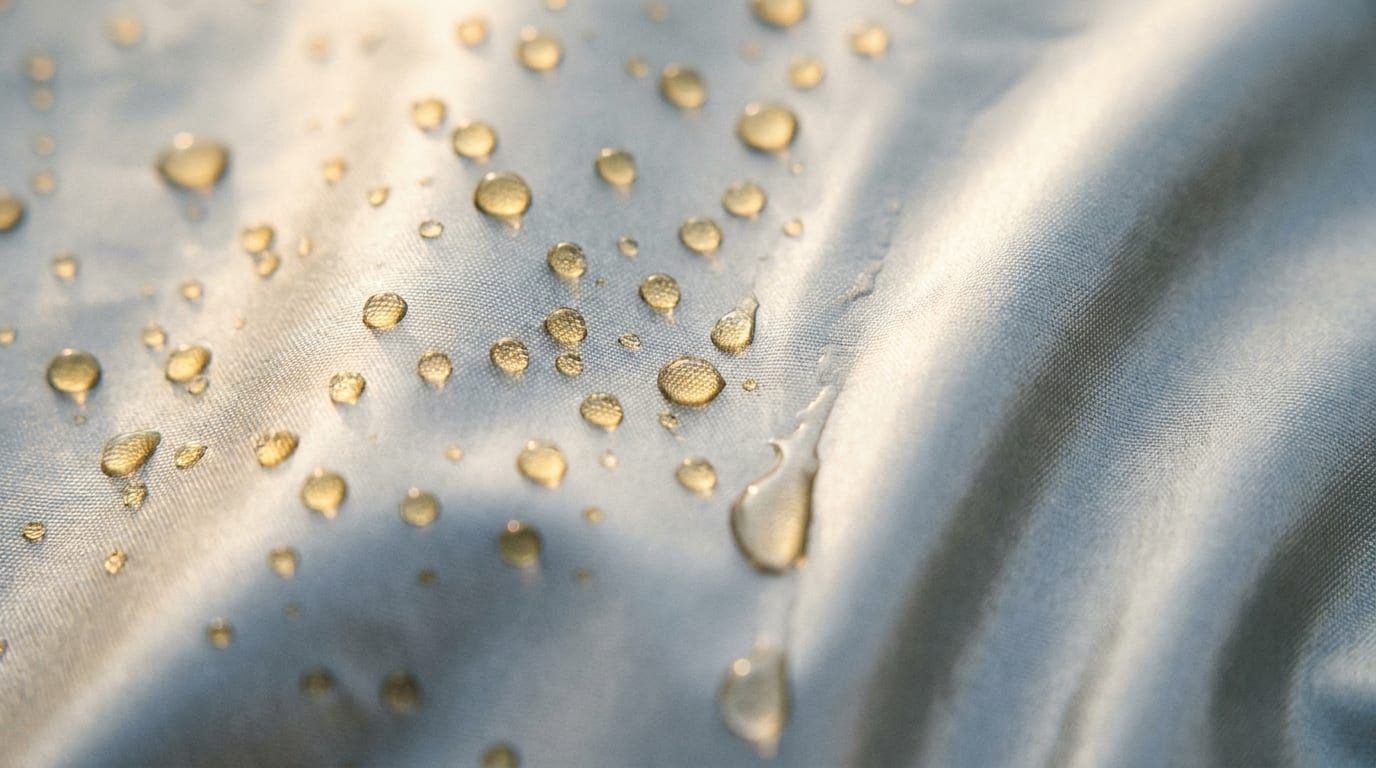
"Waterproof" gets thrown around loosely in this industry, so it's worth breaking down what the word should actually mean on a spec sheet.
Real waterproofing comes from multi-layer woven fabrics with sealed or taped seams and a water-repellent surface coating. Single-layer vinyl covers, by contrast, tend to trap condensation underneath rather than shedding water outright, which just relocates the moisture problem instead of solving it. You can read more on how these materials differ in this piece on waterproof fabrics.
Here's the trade-off nobody explains well: fully waterproof shouldn't mean airtight. A cover that blocks 100% of moisture from both directions traps whatever condensation forms underneath, and that's often worse for paint and trim than a bit of rain would've been. The better covers manage this with a breathable inner layer that lets vapor escape while the outer layer keeps precipitation out.
Then there's the edges, and this is where a lot of "waterproof" covers quietly fail. Elastic hems and grommet or tie-down points are what stop water from wicking in sideways during wind-driven rain. A cover can have excellent center-panel fabric and still leak at the hem if those details are cheap.
Fabric quality is genuinely the line between a cover that lasts one winter and one that holds up across several seasons of daily outdoor exposure. If you're comparing options, the waterproof car cover category page breaks down construction tiers in more detail.
Fit Considerations Specific to the Defender
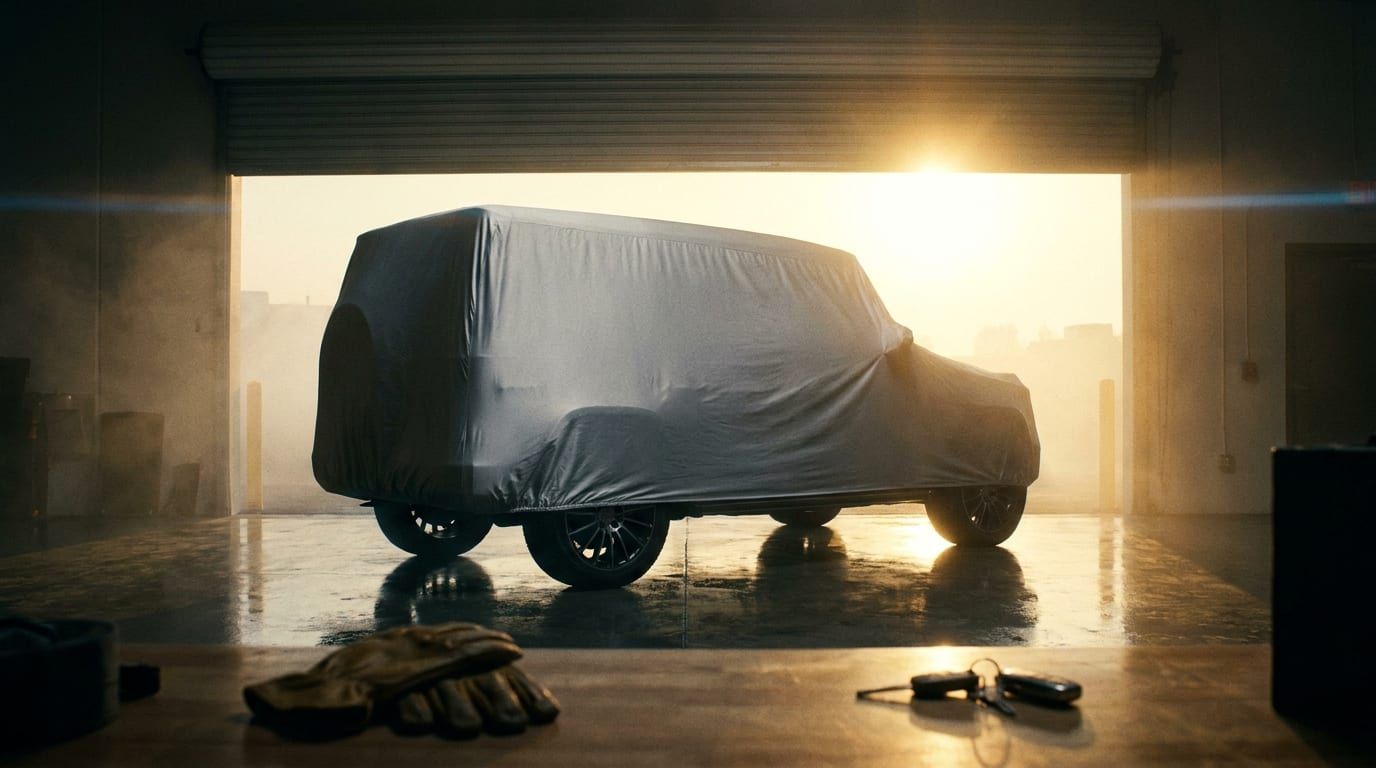
Fit is where a lot of Defender covers go wrong, mostly because "Defender" isn't one shape.
The 90, 110, and 130 wheelbase variants are meaningfully different vehicles in terms of length and cargo profile. A cover sized loosely for "SUV" often ends up too short on a 130 or baggy on a 90, and either way you lose the snug fit that keeps water and wind out.
Accessories complicate it further. Roof racks, ladders, and a snorkel are common enough on Defenders that a bag-style universal cover just won't fit around them cleanly. You want a cover with slit access points or a semi-custom pattern built to work with those add-ons, not one that forces you to choose between covering the truck and covering the roof rack.
The side-mounted spare tire on certain trims changes how the rear of the cover needs to drape too. It needs enough shape back there to cinch down properly instead of tenting open and letting rain collect.
Rather than eyeballing it off the overall vehicle length, it's worth checking a proper sizing and fit guide before ordering, and comparing against the Land Rover-specific cover options built around these model variants. Guessing here is how people end up with a cover that technically fits "an SUV" and doesn't fit their SUV.
Weather-Specific Accessories Worth Adding
The cover itself does most of the work, but a few add-ons close the remaining gaps depending on where and how the Defender lives outside.
If you're parking somewhere open and windy, coastal roads or exposed farmland, gust straps are worth the extra step. A cover that flaps in the wind isn't just annoying, it abrades the paint underneath over time from repeated friction. Wind strap installation takes a few minutes and solves this outright.
For anyone storing the Defender in a driveway or at a trailhead rather than a locked garage, a cable and lock setup keeps the cover from walking off, literally. Not a glamorous feature, but a practical one if the truck spends a lot of time parked in public or semi-public spots.
Cold-climate owners should look at covers with a soft flannel or fleece lining on the inside. Freeze-thaw cycles make everything a little more abrasive, and that soft lining is what keeps the cover from scuffing paint as ice forms and shifts overnight.
And if you're the type who's pulling the cover on and off between trail runs and gear storage, a dedicated storage bag matters more than it sounds like it would. Keeps the cover clean between uses, which, as the next section gets into, actually affects how well it keeps working.
Keeping a Waterproof Cover Effective Over Time
A waterproof cover isn't a "buy it once and forget it" product. The coating that repels water wears down, and what wears it down fastest is dirt, tree sap, and salt residue sitting on the fabric surface for too long.
Cleaning cadence should follow climate, not a fixed calendar. Coastal or muddy off-road conditions call for more frequent rinsing since salt and grit both accelerate coating breakdown. Someone in a drier, cleaner climate can go longer between cleanings without much consequence.
Here's the part people get wrong: throwing the cover in a washing machine or scrubbing it with a harsh detergent strips the waterproof coating just as fast as neglect does. The proper cleaning method matters as much as which cover you bought in the first place.
This isn't a minor detail if you've spent real money on a semi-custom or heavy-duty cover. Proper care is what protects that investment and keeps you from replacing a cover that should've lasted years, but didn't, because it never got rinsed off after a season near the coast.
Choosing the Right Waterproof Cover for Your Defender
The decision framework here isn't complicated, it's just usually done backward. Climate exposure comes first: rain, snow, sun, or salt, and probably some combination. Model and trim fit comes second, since a 90 and a 130 need different patterns, not just different tie-down tension. Accessory needs (roof rack, snorkel, side-mounted spare) come third, and they're what separate a cover that almost fits from one that actually does.
If you're still narrowing it down, it's worth browsing the SUV cover lineup for a sense of how build quality and features scale across price points, alongside options built specifically for outdoor storage conditions rather than occasional dust protection.
One more thing worth checking before you buy: whether the cover is backed by a real warranty. Heavier-duty all-weather covers cost more upfront, and a solid warranty is the thing that makes that spend feel less like a gamble.
If you're not ready to buy today, it's worth subscribing or browsing a few more guides while you figure out exactly what your Defender's climate demands. Getting the fit and fabric right the first time saves you from doing this twice.
Updated