


Waterproof Car Cover for Tesla Model X: Climate-Specific Protection Guide
Why Your Tesla Model X Needs a Truly Waterproof Cover
The falcon-wing doors are the whole reason this SUV turns heads in a parking lot, and they're also the reason a cheap cover won't cut it. Every hinge point and seal along those doors is a place water can find its way in if the cover doesn't seal properly against the body. A standard SUV door is one long, simple seam. The Model X has articulating panels that open upward, with more edges and gaps exposed to whatever's falling from the sky.
Park it outside regularly and you're also asking a lot of the aluminum body panels and that panoramic glass roof. Prolonged moisture speeds up oxidation, leaves water spots baked into the paint by the sun, and pushes humidity into the cabin through seals that weren't built to hold back standing water indefinitely. None of that shows up overnight. It shows up in six months, as a haze on the paint or a musty smell you can't quite place.
A genuinely waterproof car cover for Tesla Model X owners is one of the cheapest insurance policies available here. Compare the cost of a good cover to what you'd pay for paint correction, interior mold remediation, or replacing a swollen door seal, and it's not close. This guide walks through what "waterproof" actually means on a cover label, and which features actually matter depending on whether your Model X lives somewhere wet, freezing, or scorching.
What 'Waterproof' Actually Means in a Car Cover
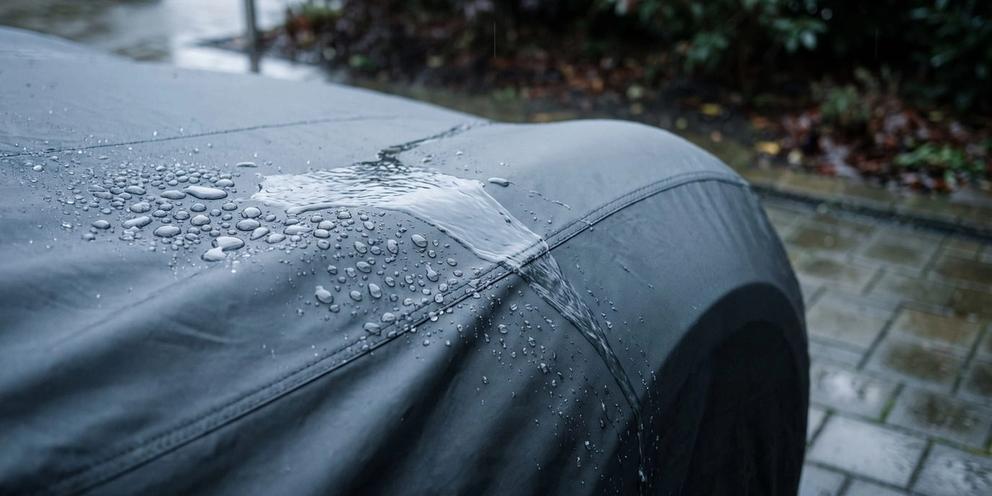
Here's where a lot of buyers get burned. "Water-resistant" and "waterproof" get used almost interchangeably in cover listings, but they're not the same product. Water-resistant fabric has a treated surface that beads up light rain and morning dew. Leave that same cover on through a real storm, and eventually the water finds its way through the coating and soaks the fabric underneath.
A truly waterproof cover uses a multi-layer or laminated construction, fabric that's fully coated or bonded so water can't penetrate at all, not even under sustained rain. The good versions of this fabric still let vapor escape from the other direction, so condensation rising off a warm hood doesn't get trapped against the paint overnight. That balance between blocking water and releasing vapor is the whole trick, and it's what separates a cover that just sheds rain from one that actually protects the vehicle long-term.
Construction details matter just as much as the fabric itself, especially in a climate that throws heavy rain or snow at the car regularly. Seam-sealed stitching keeps water from creeping in at the needle holes. Reinforced grommets hold up when you're threading a cable lock or tie-down through them season after season. An elastic hem keeps the whole thing anchored at the bottom edge instead of flapping loose in wind. If you want the full breakdown of fabric tiers and what each one is actually built for, the waterproof car covers buying guide covers it in more depth than we can here.
Protecting the Model X in Rain-Heavy and Humid Climates
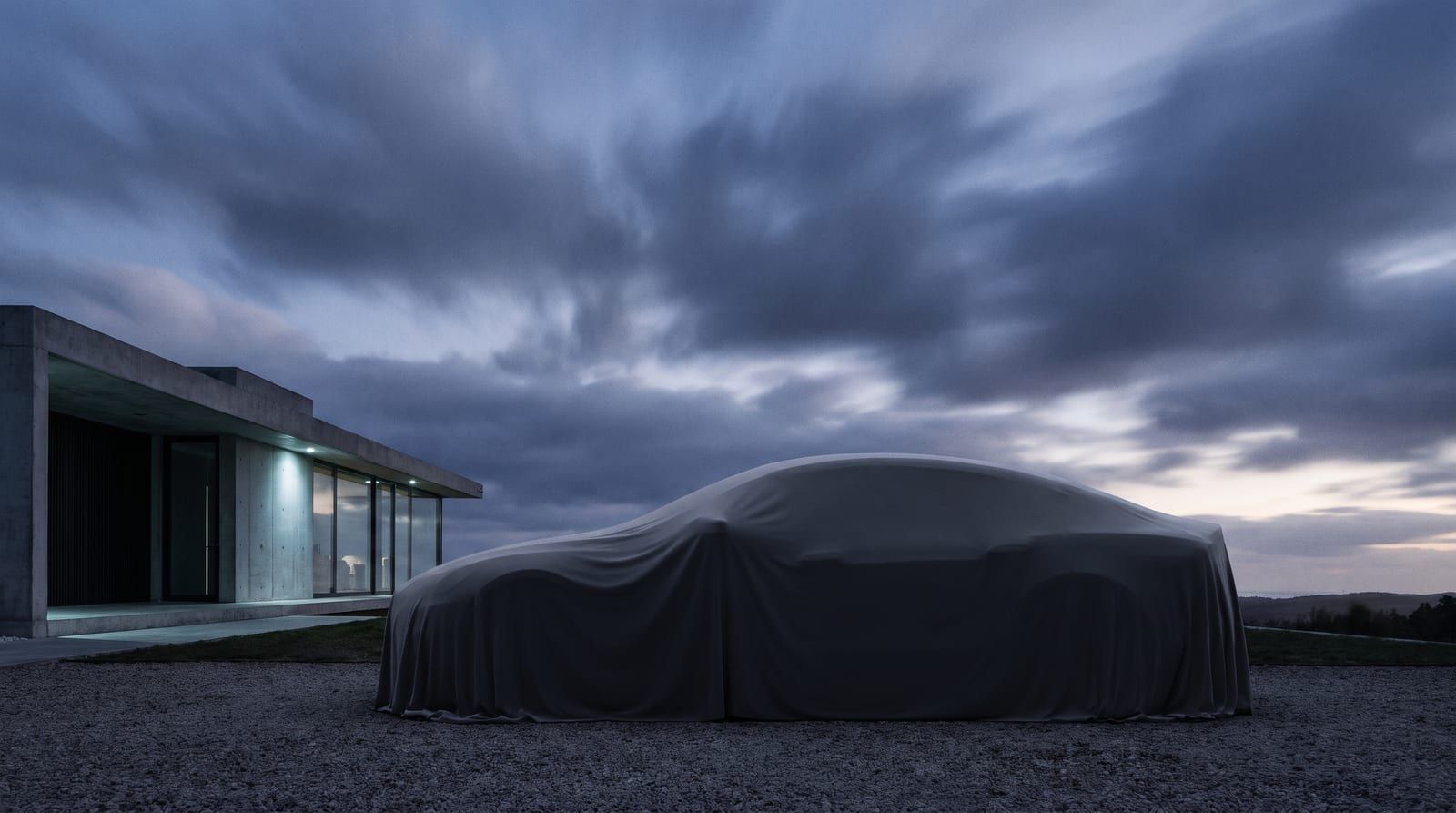
If you're dealing with regular rain, the falcon-wing door seams and that big panoramic windshield are where trouble starts. Water runs down the glass, pools at the edges, and works its way toward any gap in the cover's fit. That's why reinforced grommets and a snug elastic hem aren't optional extras here, they're the difference between a cover that stays put in wind-driven rain and one that shifts, sags, and lets water pool in exactly the wrong spot.
Humidity brings a different problem. A non-breathable cover that blocks water perfectly can still trap moisture against the car if it doesn't let vapor escape, and that trapped moisture is exactly what mold and mildew need to take hold on paint and door seals. This is where breathable waterproof fabric earns its keep, it blocks the rain coming in while still letting the car "exhale."
One habit that costs nothing: air out the cover fully and let it dry before you fold it up and store it. A cover put away damp stays damp in the folds, and that's asking for mildew before you even get it back on the car. For more on handling rain, wind, and sun exposure together, the outdoor car cover usage guide is worth a read before you settle on a cover.
Protecting the Model X in Snow, Ice, and Freezing Climates
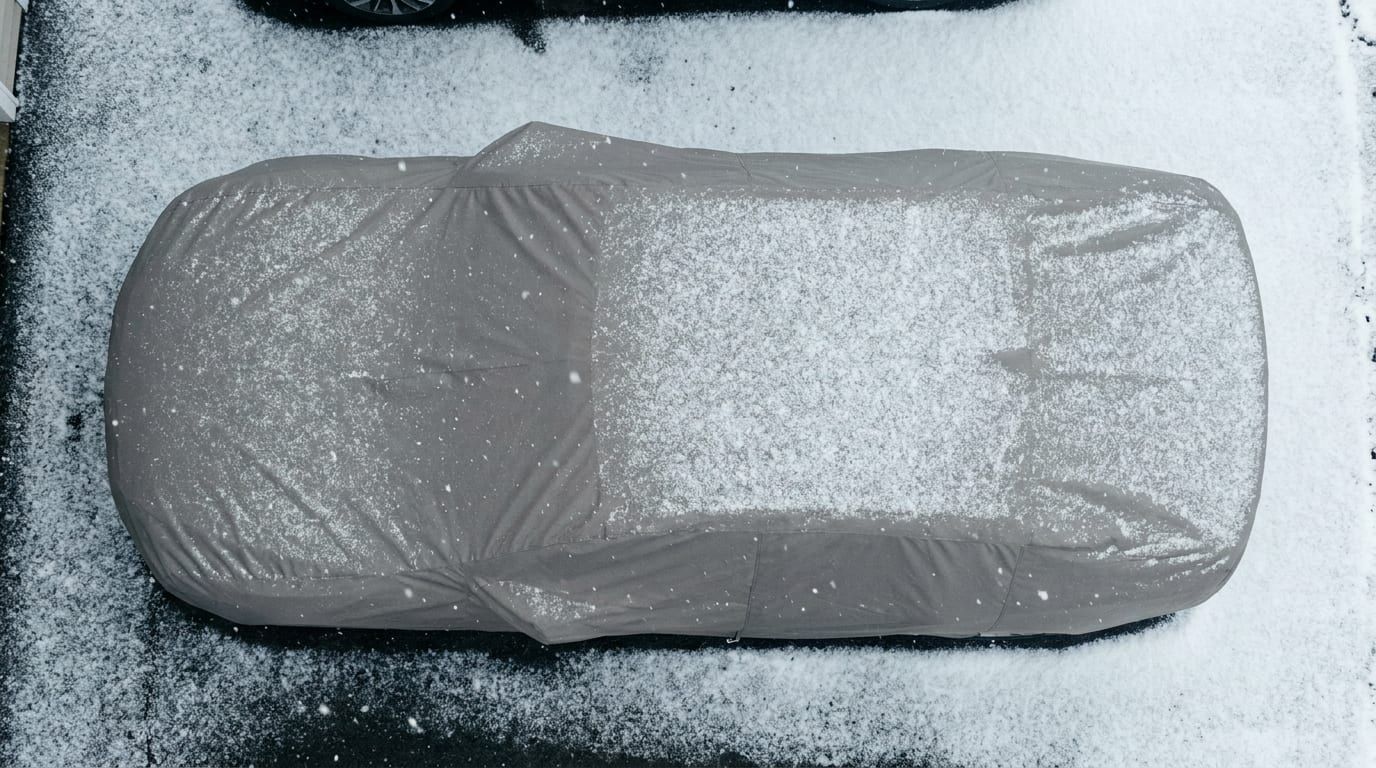
Rain-rated covers and snow-rated covers are not interchangeable, even though a lot of shoppers assume "waterproof" covers everything. A cover built for rain can freeze stiff under snow load and crack at the folds, which defeats the whole purpose. If you're storing the Model X outdoors through winter, look for a cover that's explicitly rated for snow and ice, not just water.
The falcon-wing hinges deserve special attention here. Ice buildup around those seals can actually interfere with the doors' opening mechanism if the cover isn't sealed tightly at those points, which is a genuinely annoying way to start a cold morning. A cover that fits snugly at the roofline and door edges keeps ice from forming in the gaps in the first place.
Wind is worse in winter storms, not better, so wind straps and a cable lock matter more here than in mild weather. A cover that's rated for snow but comes loose in a 40 mph gust isn't doing its job. Check out the gust strap installation guide if you're setting one up for the first time, and if hail is also a factor where you live, the hail car cover guide covers the added padding and reinforcement that storm season calls for.
Protecting the Model X in Hot, Sunny, or Coastal Climates
Heat and sun are a different kind of threat, but a waterproof car cover for Tesla Model X owners in hot climates should still be doing double duty. A UV-treated waterproof cover blocks the sun from baking that panoramic glass roof, which cuts down on interior heat buildup and keeps the dashboard and seats from fading and cracking over years of exposure.
Coastal air adds a corrosion problem on top of the sun problem. Salt in the air settles on exposed trim and around the charge port cover, and combined with moisture, that's a recipe for corrosion over time. A waterproof cover that also resists that kind of moisture buildup is doing more work than one that's just there to block rain.
The nice part about a cover that handles both jobs well: you're not buying a separate sunshade or reflective windshield cover on top of it. One good cover, both problems solved.
Getting the Right Fit for a Tesla Model X
None of the fabric talk above matters if the cover doesn't actually fit the car. The Model X has a tall roofline, those falcon-wing doors, and a bigger footprint than most SUVs in its class, so a generic universal cover tends to leave gaps at the mirrors, the roofline, or the door edges, exactly where water gets in even when the fabric itself is fully waterproof.
Custom-fit and semi-custom covers are built around the actual shape of the vehicle, which means they seal tighter at all those trouble spots instead of billowing loose in the wind. Before you buy anything, confirm the sizing against your specific model year, since Tesla has made small body changes over the years that affect fit. The custom-fit car cover guide and the sizing guide both walk through how to check this before you order, and Tesla's own SUV brand page is a good place to see what's built specifically for the Model X.
Caring for Your Waterproof Model X Cover
A waterproof coating isn't permanent if you're rough with it. Harsh detergents strip the water-repellent layer over time, so the cleaning method needs to match the fabric, not just whatever's under the sink. Mild soap, soft brush, no shortcuts.
Drying matters just as much as cleaning. Fold a damp cover away and you're setting up mildew before the next use, and you're also breaking down the waterproof layer faster than normal wear would. Let it dry fully first, every time. It's a small habit that adds years to the cover's life.
Warranty coverage is worth weighing too, especially if the cover is going to live outside year-round in a demanding climate. Check the cover cleaning guide for the specifics on fabric-safe cleaning, and look at the lifetime warranty coverage details before you commit to a cover for long-term outdoor storage.
Choosing the Right Waterproof Cover for Your Model X
The right pick really comes down to where the car lives. Rain and humidity call for breathable waterproof fabric that blocks water without trapping moisture underneath. Snow and ice call for a heavy-duty cover rated for that load, not just a rain cover pressed into winter duty. Sun and coastal air call for UV resistance and corrosion protection working alongside the waterproofing.
Fit is the other half of the equation, and it's easy to overlook. The best fabric in the world won't help if the cover gaps at the mirrors or shifts loose in a crosswind. A loose universal cover undermines even genuinely waterproof material.
If you're not sure which combination fits your climate, the cover finder tool will match your Model X to the right option without much guesswork on your end. And if you want to go deeper on how these fabrics are actually engineered, our piece on waterproof fabric technology is worth a look. Either way, it's worth getting this right once instead of learning the hard way after a rough season outside.
Updated