


Waterproof Car Cover for Volkswagen Golf: Climate-Specific Protection Guide
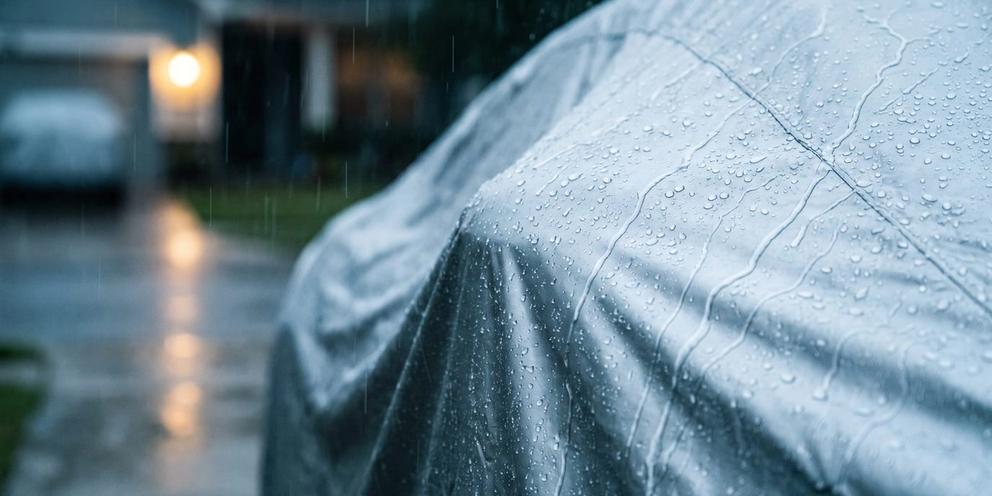
Rain finds every low panel on a Volkswagen Golf. The hatchback's stance sits closer to the road than most SUVs and trucks share the lot with, which means more splashback, more road salt kicked up from the tire well, and more standing moisture along the rocker panels after a storm. If you're shopping for a waterproof car cover for Volkswagen Golf ownership actually demands, the fit and the climate matter as much as the word "waterproof" printed on the packaging.
Here's the problem with that word. A cover built to survive Arizona sun doesn't behave the same as one built for Seattle drizzle or a Minnesota blizzard. One prioritizes UV resistance and heat reflection. The other needs sealed seams and a snug hem. A third needs to flex without cracking at fifteen degrees. Picking whichever cover has "waterproof" in the title and calling it done skips the part that actually determines whether your Golf's paint and interior stay protected.
This guide walks through matching cover material and features to your actual climate, not the cheapest listing that claims full coverage. And if you're in a mixed climate, rainy winters followed by scorching summers, you'll see where the trade-offs between breathability and total waterproofing come in. Spoiler: there's rarely a single cover that's perfect at both extremes.
Why Your Volkswagen Golf Needs a Climate-Matched Waterproof Cover
The Golf's low profile is part of why people like driving it. It's also why grime, salt spray, and pooling water reach the fenders and lower doors faster than they would on a taller vehicle. Water doesn't have far to travel before it's collecting under the wheel wells.
A cover that's technically waterproof but built for the wrong environment can still fail you. Desert-grade covers skimp on seam sealing because rain isn't the primary concern out there. Coastal-grade covers deal with salt air and humidity that a desert cover was never tested against. None of this shows up if you just search for "waterproof" and buy the top result.
So the real question isn't "is this cover waterproof." It's "is this cover waterproof for what I'm actually driving through." Golf owners in mixed climates, think Pacific Northwest winters that turn into dry, hot summers, have it hardest. You need something breathable enough to avoid trapping moisture in July but sealed enough to block driving rain in January. That balance is worth thinking through before you buy, and it's a big part of why Volkswagen owners shopping for a cover should look past the marketing copy on the box.
What 'Waterproof' Actually Means in Cover Materials
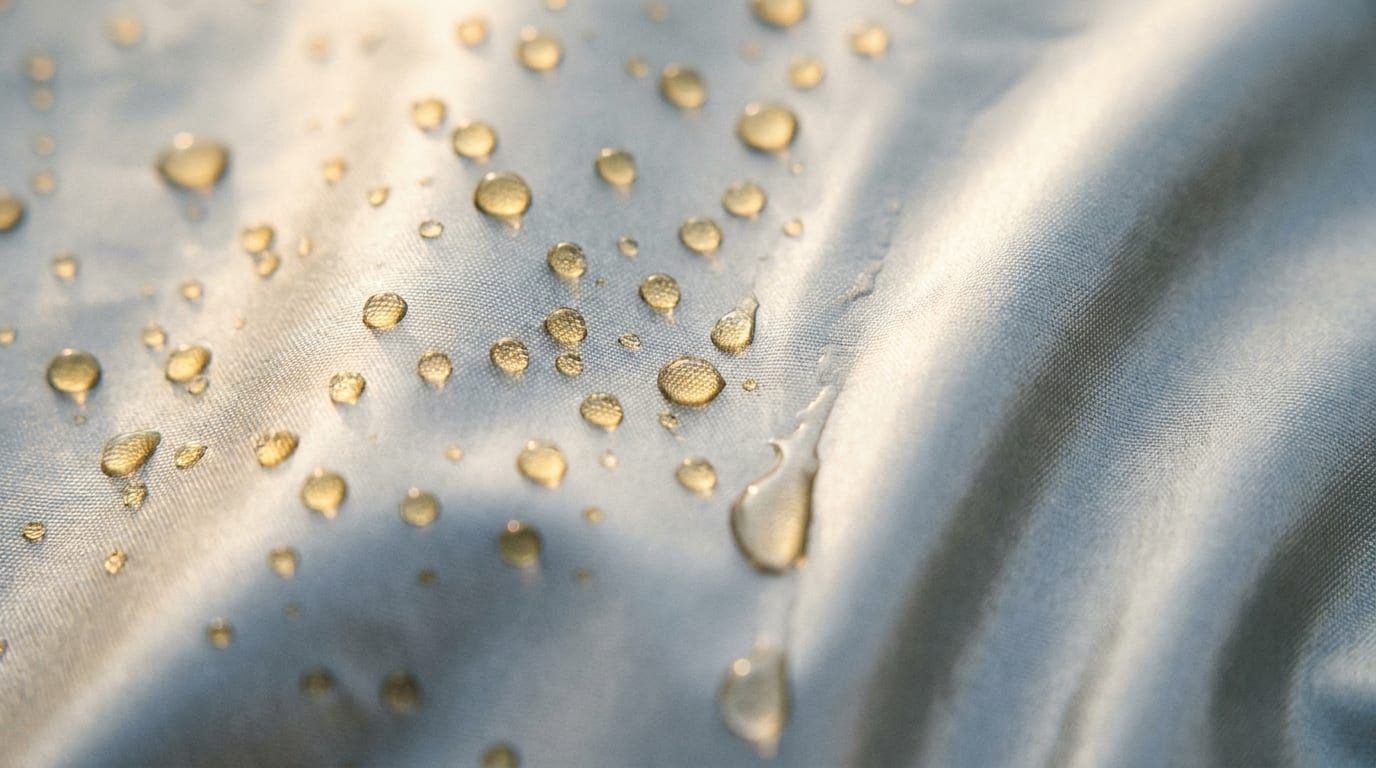
Water-resistant and waterproof are not the same claim, even though listings use them interchangeably. Water-resistant fabric repels light rain and stays breathable, but it'll let moisture through in a sustained downpour. Waterproof fabric is sealed, often with a coated layer, and it'll keep rain out completely. The catch: if that sealed fabric isn't also breathable, condensation gets trapped underneath it. Trapped moisture sitting against your Golf's clear coat overnight can do more damage than the rain would have.
Good covers solve this with layered construction. An outer shell handles UV and abrasion. A middle layer handles the actual waterproofing. An inner lining, usually a soft fleece or knit, keeps that waterproof layer from rubbing against your paint. Cheaper single-layer covers skip this structure entirely, which is usually why they either leak or sweat.
Seams matter more than people expect. A cover can use fully waterproof fabric and still leak at every stitch line if those seams aren't taped or reinforced. Grommets for tie-downs are another spot where water sneaks in in cheap covers. If you want the deeper technical rundown of fabric types and construction, the waterproof fabrics breakdown covers it, and our waterproof car covers buying guide is worth a look before you commit to a purchase.
Golf Owners in Rainy or Humid Climates (Pacific Northwest, Southeast, UK-style weather)
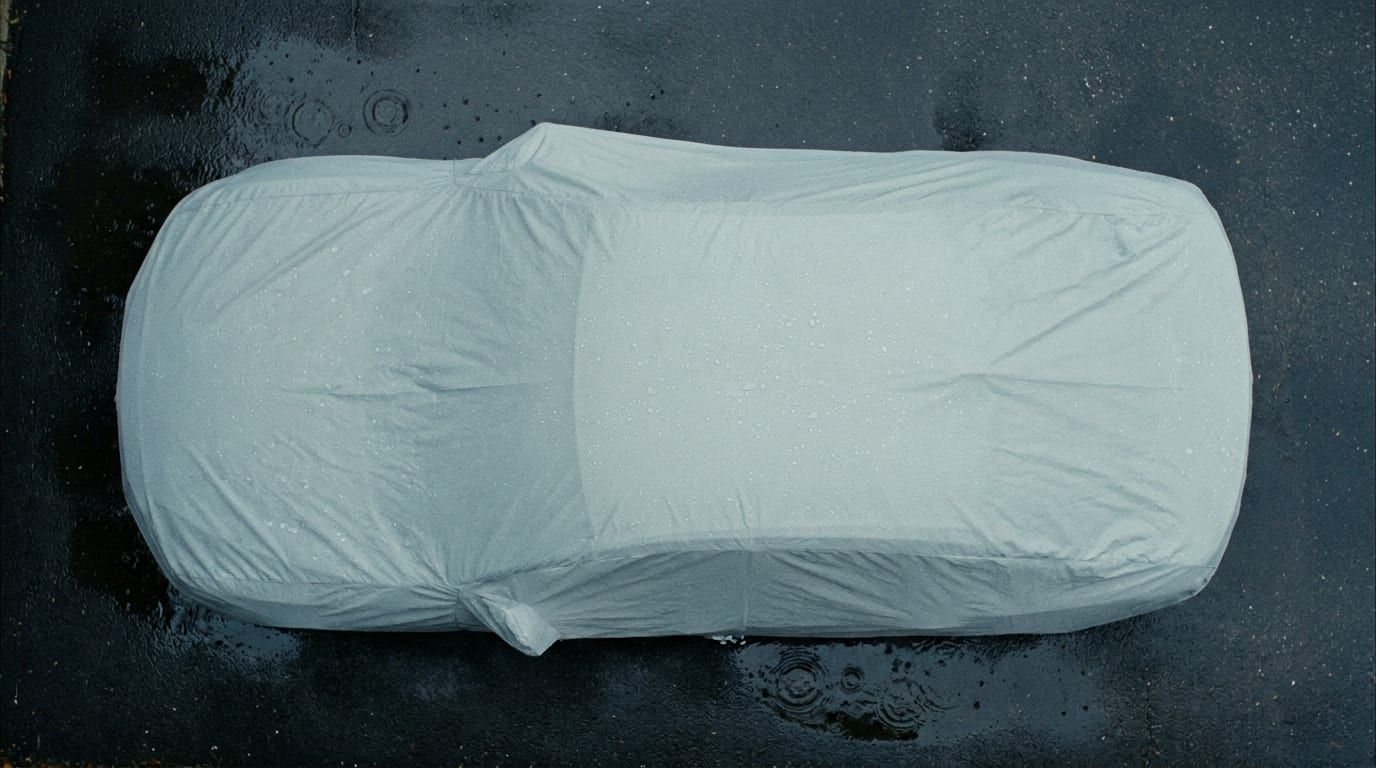
If you're dealing with near-constant rain or thick humidity, breathability isn't optional. A fully sealed, non-breathable cover in this kind of climate is basically a greenhouse for mold and mildew. Musty interior smells almost always trace back to trapped moisture that had nowhere to go.
Fit matters just as much here. Wind-driven rain finds gaps at the wheel wells first, so you want an elastic hem that cinches snugly rather than one that just drapes loosely. A loose hem is basically an invitation for water to work its way underneath during a sideways storm.
Look for covers with built-in venting, small mesh panels or strategically placed vents that let humid air escape without giving rain a path in. It's a small feature that makes a real difference over a wet season. And plan on cleaning the cover more often than you would in a dry climate. Constant rain exposure leads to water spotting and mildew buildup faster than most owners expect, so check our guide to using a car cover outdoors for the specifics on keeping a cover functional through a wet season.
Golf Owners in Snow and Freezing Climates
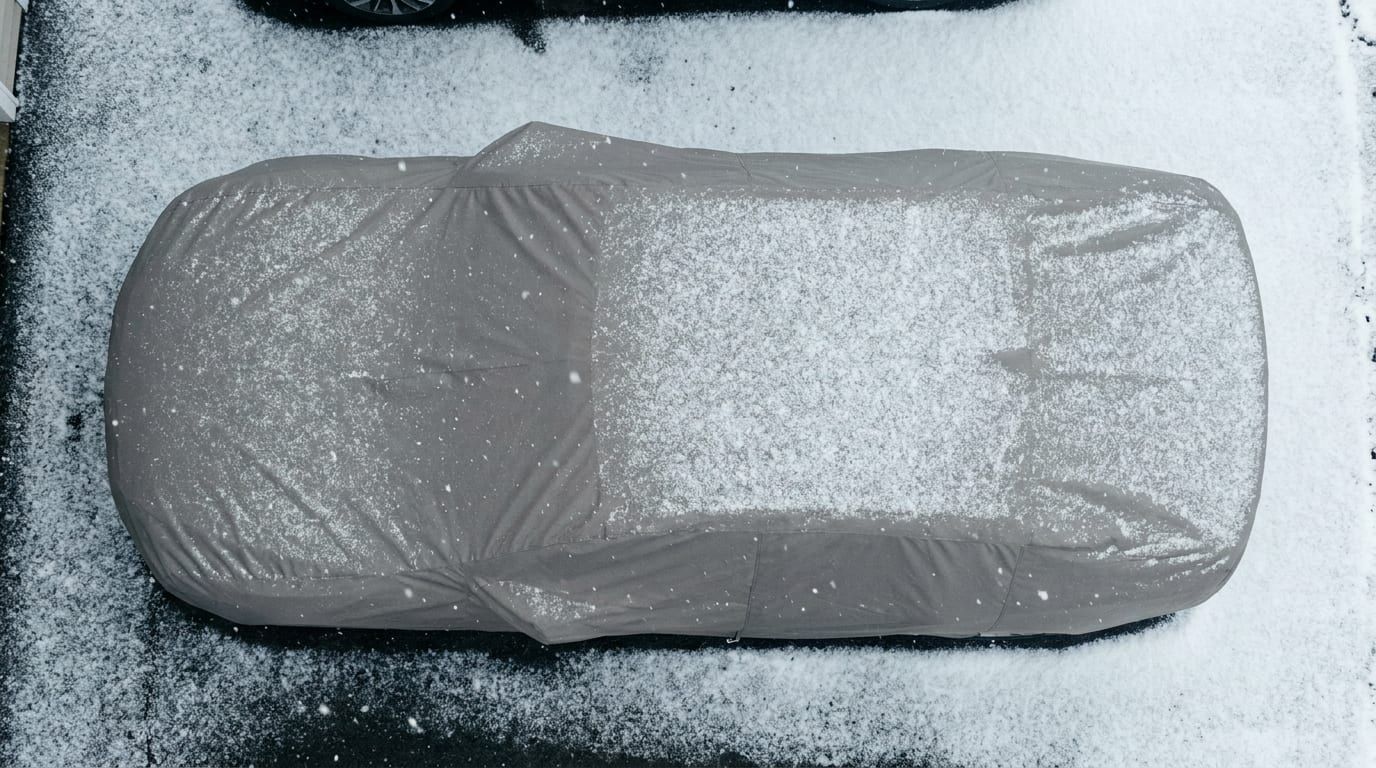
Snow load is heavier than it looks, and ice that bonds directly to a cover, or worse, to your Golf's paint through a thin cover, is a real problem in freezing climates. A heavier-duty, multi-layer waterproof cover holds up here in a way that a light three-season cover simply won't.
Cold-weather flexibility is the detail people miss. Some waterproof fabrics stiffen and even crack when temperatures drop, especially cheaper coated materials. If a cover isn't rated for cold flexibility, you'll find that out the first time you try to pull it off a frozen Golf and it doesn't bend the way it should.
Wind is the other issue winter storms bring. A cover that isn't locked down will flap, and repeated flapping wears through the waterproof coating at the stress points long before the season's over. A proper gust strap or cable lock setup keeps the cover anchored through the kind of wind gusts that come with a winter storm system. And don't skip on waterproofing near the rocker panels and lower body. Road salt plus moisture is a corrosion combination, and the Golf's low stance puts those panels right in the splash zone.
Golf Owners in Hot, Sunny, or Desert Climates
Waterproofing takes a back seat to UV resistance here, but it doesn't disappear entirely. Intense sun fades paint and breaks down cover fabric over time, so a UV-resistant coating is the feature to prioritize alongside water protection.
Color matters more than people think. A lighter or reflective outer layer keeps interior heat down for a Golf that sits outside all day, which matters if you're getting in and touching a steering wheel that's been baking since morning.
Don't assume dry climate means you can skip waterproofing altogether. Monsoon season hits parts of the desert Southwest hard, and morning dew alone is enough to sit on a non-waterproof cover and seep through. A cover marketed purely for "sun protection" without any water resistance is a gap waiting to bite you once the season shifts. There's also a condensation trade-off worth knowing about: big day-to-night temperature swings in the desert can trap moisture under a cover overnight even with zero rain, so breathability still counts. The outdoor car covers guide walks through balancing UV protection with moisture management for exactly this kind of climate.
Getting the Right Fit for Your Golf Generation
The Golf hatchback and the Golf SportWagen or Alltrack aren't the same shape. Length, roofline, and rear cargo area differ enough that a universal "compact car" cover can leave gaps at the bumpers or hang loose around the hatch. Every gap is a spot where wind gets under the cover and water follows.
Before buying, measure bumper to bumper. Check whether the cover has a mirror pocket and antenna cutout that actually match your Golf's trim. Skipping this step is the single most common reason people end up with a cover that "should fit" but doesn't sit right.
A loose or oversized cover doesn't just look sloppy. It flaps in wind, and that constant movement wears through the waterproof coating at friction points far faster than a snug cover would. Loose points are also exactly where rain gets pulled in during a storm. If you're not sure which size or fit style matches your Golf's model year, our sizing guide and custom-fit cover guide both walk through how to narrow it down.
Installing and Maintaining Your Waterproof Cover for Long-Term Protection
A cover only works if it stays put. Straps or a cable lock system keep wind from lifting an edge and exposing your Golf mid-storm, which defeats the whole point of buying a waterproof cover for Volkswagen Golf protection in the first place.
Cleaning matters more than most owners realize. Harsh detergents strip the water-repellent coating right off the fabric, so stick to mild soap and the cleaning steps in our cover care guide if you want the coating to last. Reapply a waterproofing spray periodically, and check seams for wear especially after a full winter or a heavy rainy season, since that's when stitching takes the most abuse.
One habit ruins covers faster than anything else: balling it up wet and tossing it in the trunk. That's a near-guaranteed path to mildew and coating breakdown. Let it dry first, even if that means a few extra minutes. And if a cover does fail early despite reasonable care, it's worth knowing what your warranty coverage actually includes before you're stuck arguing about it.
Choosing the Right Waterproof Cover for Your Golf's Climate
Match the fabric weight and features to what your region actually throws at your car. Constant rain calls for breathable waterproofing and a snug hem. Snow calls for heavier, cold-flexible material and secure anchoring. Sun calls for UV protection with waterproofing kept in reserve for the occasional downpour. None of this is complicated once you frame it around your actual weather instead of a generic label.
Fit precision counts just as much as fabric quality. The best waterproof material in the world won't help if it's flapping loose around your Golf's bumpers. Between the sizing details above and the broader car covers lineup if you want to compare options across body styles, you've got what you need to buy with some confidence.
Before you check out, look at what the warranty actually covers. Climate stress, the exact wear and tear this whole guide has been about, is precisely what a solid warranty exists to handle. And if you want more guides like this one as you figure out the right setup for your Golf, it's worth poking around and subscribing to what we publish next.
Updated