


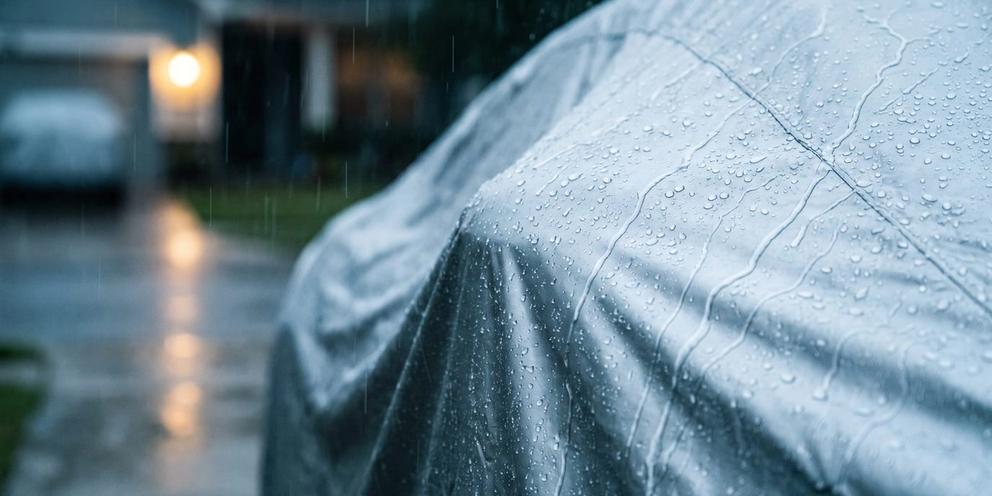
Waterproof Car Cover for Volkswagen Jetta: Climate-Specific Protection Guide
Why Your Jetta's Climate Should Decide Your Cover Choice
"Waterproof" gets thrown around like it means one thing. It doesn't. A cover engineered to shrug off a Seattle drizzle behaves nothing like one built to carry snow load in Minnesota, and neither one handles salt spray the way a cover near the Gulf Coast needs to. If you're shopping for a waterproof car cover for Volkswagen Jetta protection, the climate you park in matters more than any single spec on the product page.
The Jetta's sedan shape adds its own wrinkle. Low ground clearance, exposed rocker panels, a trunk line that catches wind: water pools in places a taller SUV or truck never has to worry about, and a loose cover can lift right off in a gust. So think of this less as a material spec sheet and more as a decision tree. Figure out your climate risk first. The right fabric and fit follow from there.
What 'Waterproof' Actually Means in a Car Cover
Here's where a lot of buyers get tripped up. "Waterproof" and "water-resistant" sound interchangeable, but they describe two different jobs. A fully waterproof, sealed shell blocks water completely, which sounds great until you realize it also traps whatever moisture is already under the cover, condensation, dew, humidity. A breathable water-resistant cover repels rain from the outside while letting vapor escape from underneath. For a Jetta that gets driven daily and parked outside, breathable usually wins.
Most covers use one of a few fabric approaches: polypropylene shells for lightweight resistance, polyurethane (PU) coatings for a tighter water seal, or multi-layer laminates that try to balance both. Each has a different rain-versus-humidity tradeoff, and the fabric choice changes how the cover behaves over a season, not just in a single storm.
Here's the uncomfortable truth: a non-breathable "waterproof" cover thrown over a wet Jetta overnight can do more damage than skipping the cover altogether. Trapped moisture has nowhere to go. Mildew sets in, the clear coat suffers, and you end up worse off than if you'd just let the rain hit the paint directly. If you want the deeper material science behind this, the waterproof fabrics guide breaks down exactly how each layer type performs.
Matching Cover Features to Your Climate
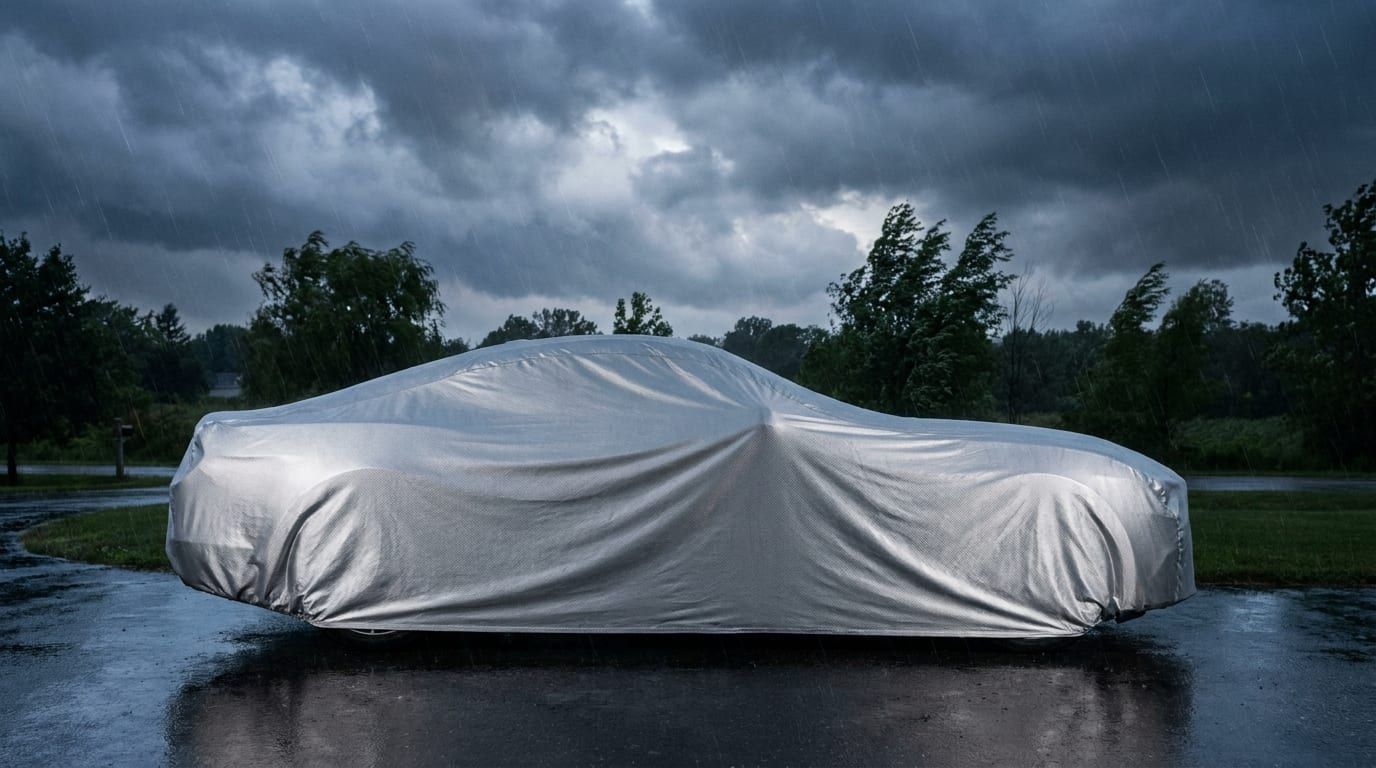
Rain-heavy regions like the Pacific Northwest or the Southeast need a cover built for sustained, wind-driven water, not just an occasional shower. Look for breathable waterproof fabric, a tight elastic hem, and reinforced seams, especially around the trunk line where wind pushes water sideways into the seam. That's the spot where cheap covers fail first.
Snow and ice regions ask for something heavier. A thin shell will sag under snow load and can let ice crystals scrape against the clear coat as the cover shifts. Look for a heavier-gauge waterproof outer layer paired with a soft fleece lining underneath, so even if ice forms, it's not grinding directly on the paint.
Coastal and salt-air areas have a quieter but nastier problem: salt spray plus moisture speeds up corrosion on trim, badges, and exposed metal. A cover here needs UV resistance and a fabric that won't hold onto salt residue against the body panels.
And then there's the desert Southwest, where the sun bakes the paint most days and monsoon season dumps rain in short, intense bursts. That combination means you need a cover doing two jobs at once: UV-reflective on top for the daily sun exposure, waterproof enough to handle a sudden downpour without soaking through. For a broader look at how sun, wind, and rain interact outdoors, the guide to using a car cover outdoors covers all four exposure types in one place.
Getting the Fit Right on a Jetta
Waterproofing only works if the cover actually stays where it's supposed to. A loose, universal-fit cover flaps in the wind, lets water pool in the slack fabric, and rubs against the paint every time a gust moves it. That rubbing, over months, does real damage. Semi-custom covers fit better than generic ones; custom-fit covers, built to your Jetta's exact dimensions, seal the tightest and move the least.
The Jetta has a few fit points that trip up generic covers: the rear spoiler on GLI trims, the sedan's trunk line, and the side mirror pockets. A cover that doesn't account for these leaves gaps exactly where water wants to get in. Jetta body dimensions have also shifted across generations, so check your model year and trim before you buy, not after. The Volkswagen brand page is a faster way to shop covers built for your specific Jetta generation instead of guessing at a one-size-fits-all option. If you're unsure how sizing works across body styles, the car cover sizing guide walks through it.
Beyond Waterproofing: Features Worth Paying For
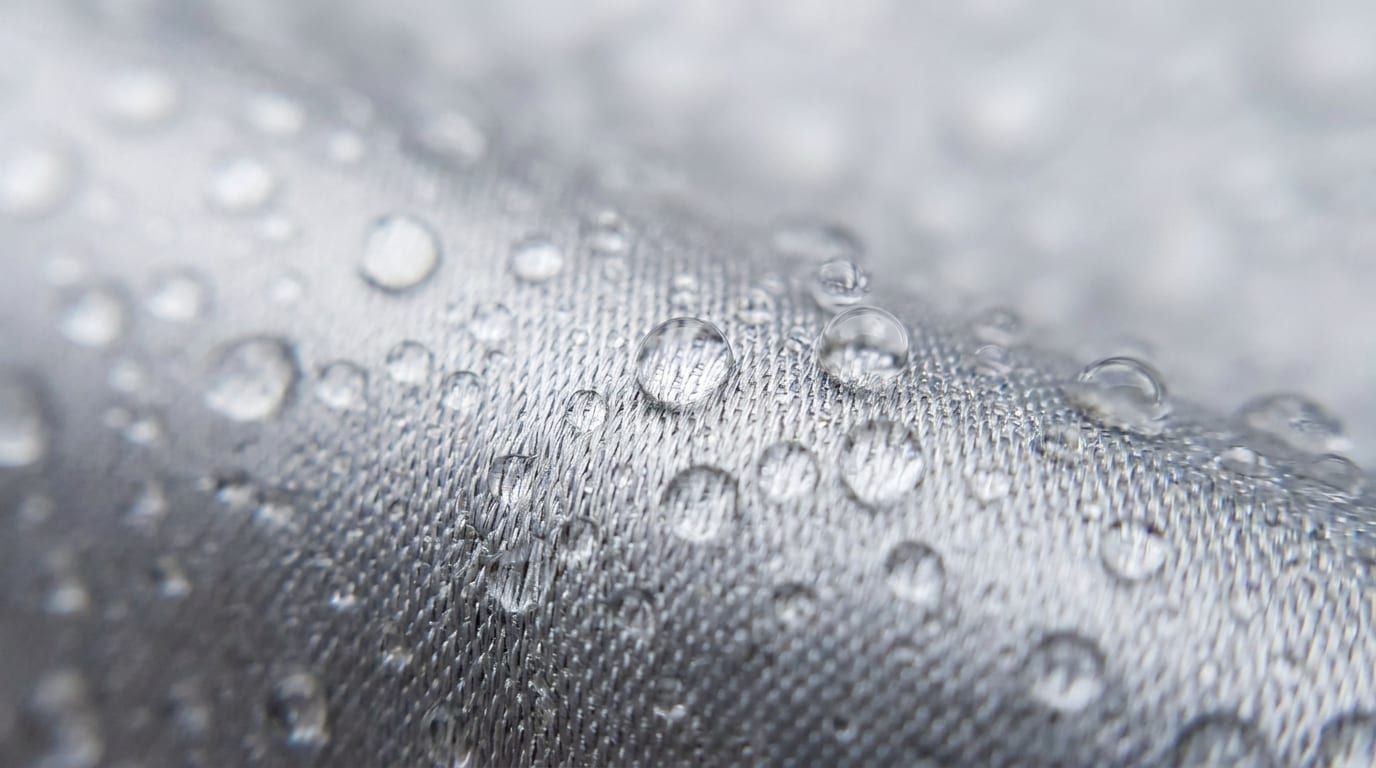
Waterproofing gets you most of the way there, but a few extra features decide whether the cover survives a full season outdoors.
Anchoring hardware
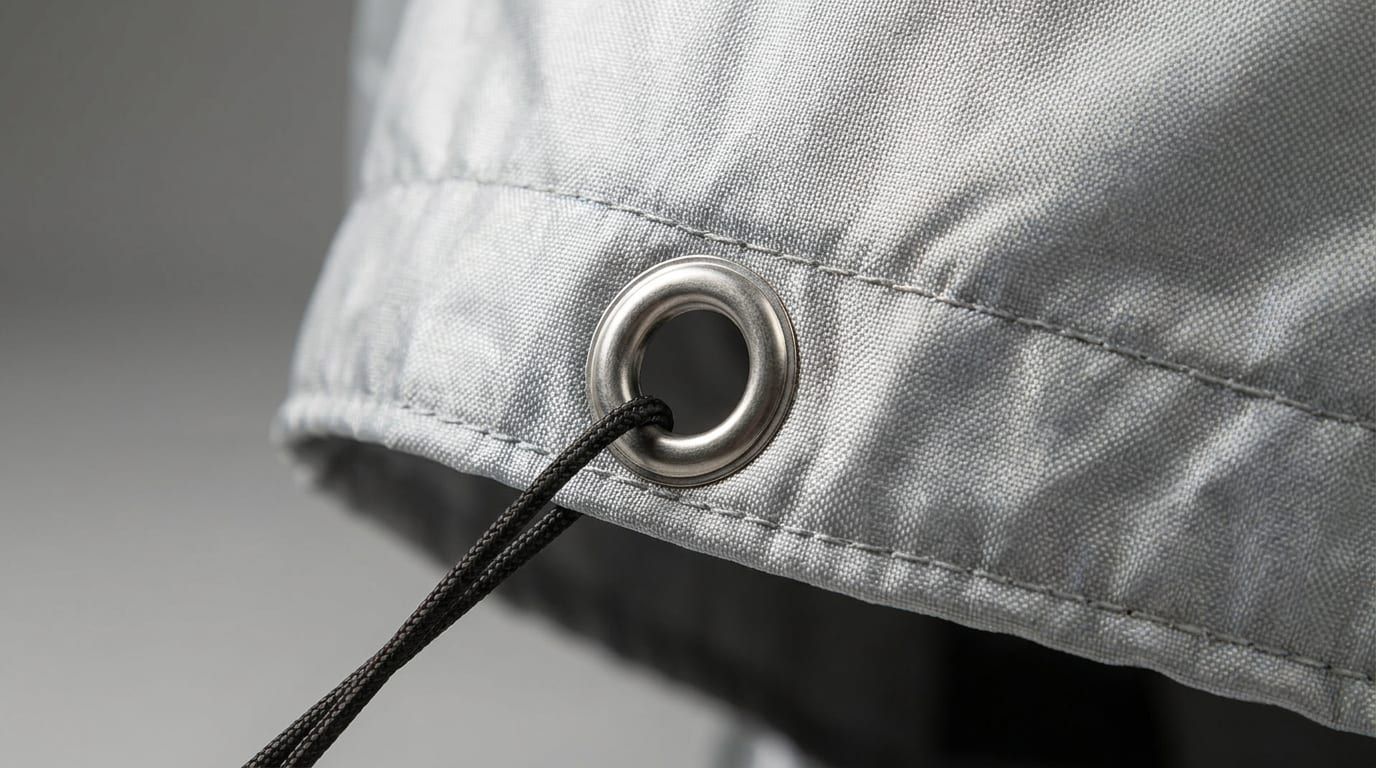
- Reinforced grommets: let you tie the cover down without tearing the fabric
- Built-in wind straps: keep the cover anchored in storms so it doesn't lift and create gaps where rain pools
Seal quality
- Elastic hem or cable-and-lock system: pulls the cover tight around the rocker panels, which is exactly where a loose fit lets water in
- Double-stitched seams: hold up to repeated wet and dry cycles instead of fraying after a few months
Sun protection
- UV-treated outer layer: protects paint on the sunny days between storms, since most climates aren't raining constantly
Practical extras
- Storage bag: keeps the cover clean and dry between uses instead of tossed in a damp trunk
If you're deciding between an indoor and outdoor cover for your climate, the outdoor car cover guide is worth a look before you commit to a full-weather build you might not need.
Installing and Maintaining a Waterproof Cover So It Keeps Working
Put the cover on a dry car whenever you can. Sealing a wet Jetta under a waterproof shell is how you end up trapping moisture against the paint, and that's true even with a good cover. Dry first, cover second.
In storm-prone areas, use wind straps or gust straps to stop the cover from shifting mid-storm. A cover that moves around creates gaps, and gaps are where rain gets underneath despite everything else being done right. The gust strap installation guide covers the setup step by step.
Cleaning matters more than people think. The water-repellent coating on most fabrics wears down over time with dirt and UV exposure, and a periodic clean restores it. Different materials need different care, so check the cover cleaning guide for the right method for your fabric type. And in humid or rainy climates, air out and fully dry the cover between uses. Folding it away damp is basically inviting mildew.
Warranty and Quality Assurance to Look For
Waterproof covers fail in a pretty predictable way: the coating breaks down before the fabric itself wears out. That's why a real manufacturer warranty matters more here than on, say, a basic indoor dust cover. You're not just betting on stitching, you're betting on a chemical coating holding up through repeated rain and sun cycles.
A solid lifetime warranty typically covers material defects and coating failure, the kind of thing that shows up as the cover starting to leak or wet through after a season or two. It won't cover accidental damage or normal wear from years of use, and it shouldn't, that's not what warranties are for. Read the lifetime warranty details before buying. It's a practical way to de-risk the purchase, since you genuinely can't tell how a cover performs until it's been through a full rainy season or a real winter.
Choosing the Right Waterproof Cover for Your Jetta
Work it backward from your climate. Identify the dominant risk where you park, sustained rain, snow load, salt air, or sun-and-storm combos, then match the fabric weight and breathability to that risk. Only after that should you worry about fit, and even then, Jetta-specific dimensions matter more than most buyers expect given how much the body has changed across generations.
If you'd rather not sort through options by hand, a cover finder tool narrows things down by your exact Jetta year and trim instead of leaving you to guess at universal sizing. And if you want to browse the full range before deciding, the car covers category page is a reasonable place to start.
Getting the right waterproof car cover for Volkswagen Jetta protection isn't complicated once you stop treating it as a single spec. Match the cover to where you actually park, and it'll do its job for years instead of one soggy season. If you're still comparing options, it's worth browsing a few more guides before you buy, or subscribing for more climate-specific advice as you narrow things down.
Updated