


Waterproof Car Cover for Volvo XC60: Climate-Specific Protection Guide
Why Your Volvo XC60 Needs More Than a 'Water-Resistant' Cover
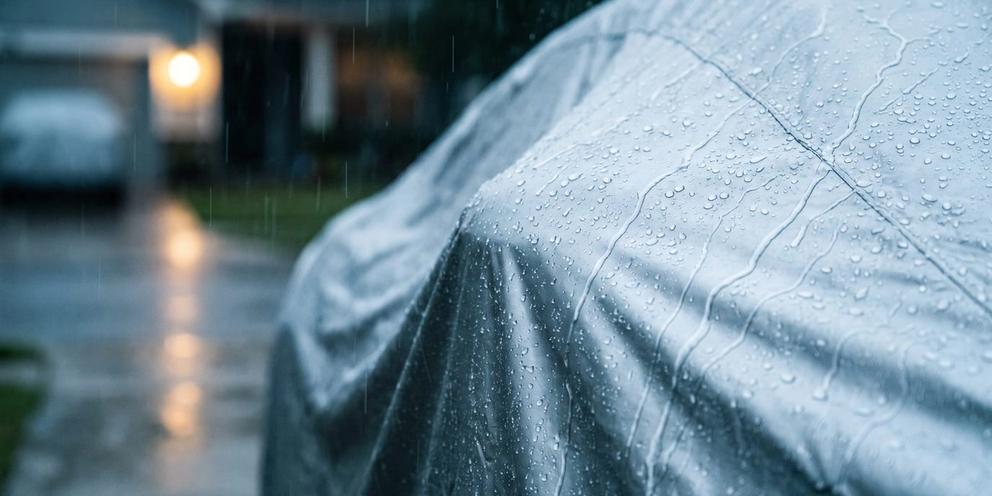
"Water-resistant" and "waterproof" get used interchangeably at checkout, and that's a problem. Water-resistant fabric handles a light drizzle. Sustained rain, snow melt sitting on the roof, or your neighbor's sprinkler hitting the same panel every morning at 6 a.m.? That's a different fight, and a lot of covers lose it. If you're shopping for a waterproof car cover for Volvo XC60 ownership specifically, the distinction matters more than it sounds.
Think about where the XC60 is actually vulnerable. That panoramic roof glass sits exposed with nowhere for water to run off quickly. Chrome trim around the windows and grille can spot and streak if moisture sits on it for days. Lower rocker panels catch splash-back and road grime, then trap it against a cover that isn't sealed right. None of this is unique to Volvo, but the XC60's specific body lines create their own pockets where water likes to linger.
There's also a real difference between an XC60 that lives in a garage most nights and one that's parked in the driveway or on the street, day in and day out. Occasional outdoor storage is forgiving. Daily outdoor exposure is not, it's a slow accumulation of small water events that eventually finds every weak seam.
So the rest of this guide isn't about finding "the waterproof cover." It's about matching cover material and features to the climate your XC60 actually lives in, because a cover built for Arizona sun does a mediocre job in Seattle rain, and vice versa.
What Actually Makes a Car Cover Waterproof
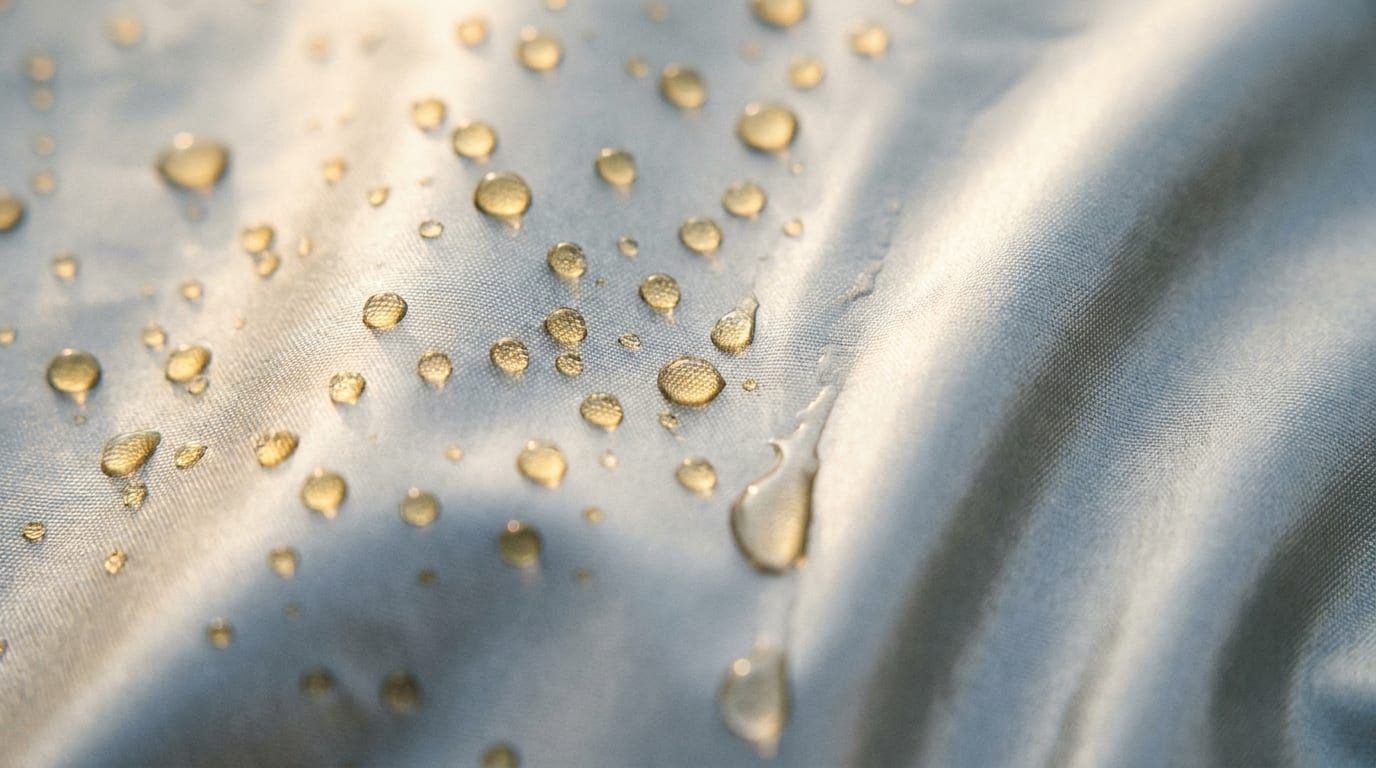
A genuinely waterproof cover isn't one layer of tough fabric. It's a system. The outer shell repels water, while a separate inner layer manages the moisture that inevitably tries to condense underneath it. Skip the inner layer and you've built a greenhouse for your paint.
Seams are where most "waterproof" claims quietly fall apart. Fabric can be rated waterproof all day long, but if the seams aren't taped or double-stitched, water finds the stitching holes and works its way through. This is the detail cheap covers skip, and it's the first thing worth checking before you buy.
Then there's the hem. Grommets, cord locks, and elastic at the bottom edge aren't just for a snug look, they stop wind-driven rain from wicking up under the cover's edge, which is a more common failure point than people expect. A cover that's waterproof on top but loose at the bottom is still going to let water in during a sideways storm.
And breathability, oddly enough, is part of what makes a cover waterproof in any practical sense. A fully sealed, non-breathable shell keeps rain out but keeps humidity in, and trapped moisture sitting against paint and glass for days can do more damage than the rain would have on its own. For a deeper look at how these fabric layers work together, this waterproof fabrics breakdown is worth reading before you commit to a specific cover.
Rain & Humidity Climates: What to Prioritize
If you're in the Pacific Northwest, the Gulf Coast, or anywhere with a long humid rainy season, go with a fully seam-sealed waterproof shell. Don't settle for "resistant." You need something rated for sustained exposure, not intermittent showers.
Here's the part people miss: humidity doesn't just threaten the exterior. If a non-breathable cover traps moisture during a multi-day wet stretch, that dampness can work its way toward the XC60's fabric seats and headliner through door seals and vents, creating a mildew risk that has nothing to do with a leak and everything to do with trapped air.
Even with a good breathable waterproof cover, get in the habit of pulling it off periodically during long rain events to let the vehicle air out. It only takes a few minutes, and it resets the moisture balance before it becomes a smell you can't get rid of. The outdoor car cover guide has more on managing exposure in these climates.
Snow, Ice & Freezing-Temp Climates: What to Prioritize
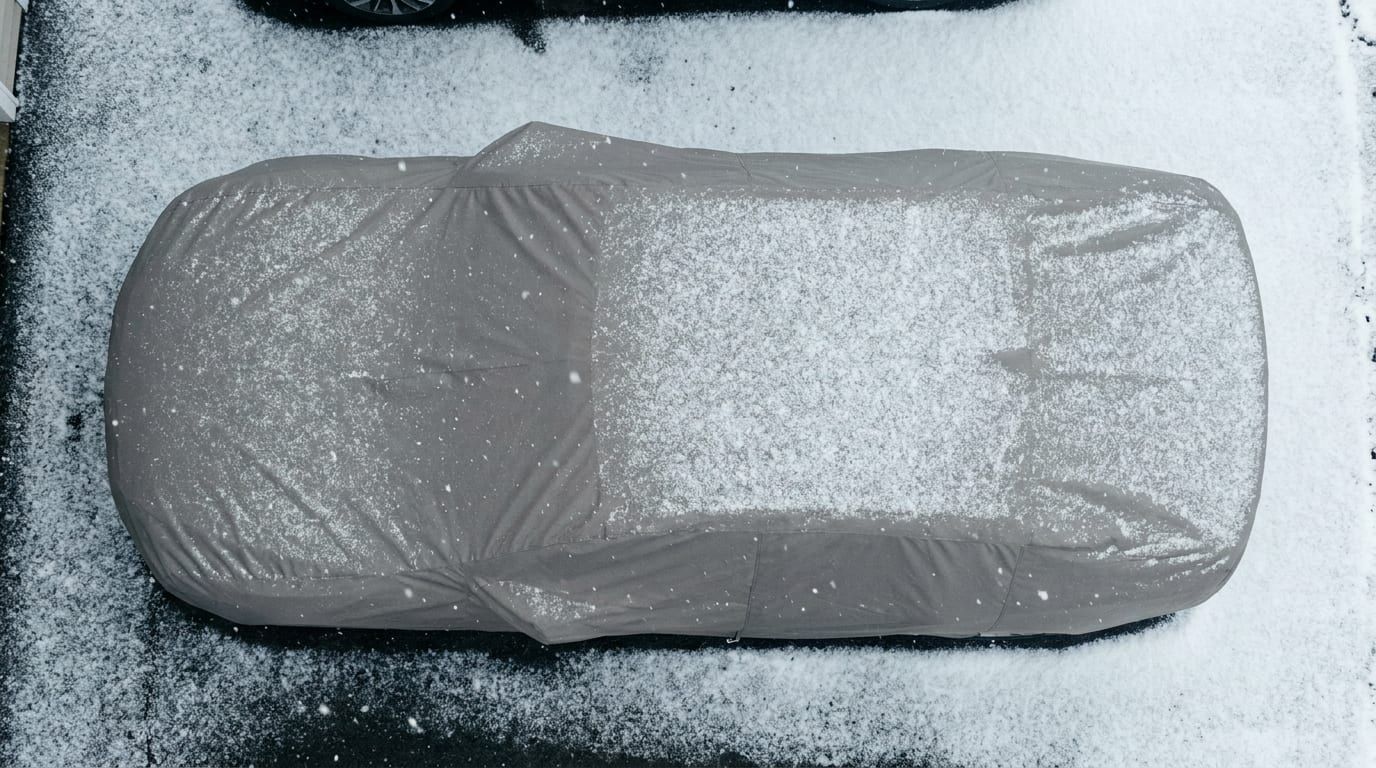
Snow load and freeze-thaw cycling are a different stress test than rain. A cover rated for rain alone might soak through, freeze stiff, and lose shape over a winter. Look specifically for covers rated to handle snow weight and repeated freezing.
Ice bonding is the real danger here. A low-quality, thin cover can let ice fuse directly to the fabric, and when you pull it off, that bond can drag paint or trim with it. Reinforced fabric keeps enough of a barrier that ice releases cleanly instead of taking a piece of your XC60 with it.
Fit matters more in snow than almost any other climate. You want a snug, elasticized hem around the wheel wells specifically, because wind-driven snow will pack into any gap it can find and then melt, refreeze, and expand right where you don't want it. In high-wind, cold regions, adding gust straps or wind straps keeps the cover from shifting on an icy surface, which is exactly the kind of movement that abrades paint over a season.
Sun, Heat & UV Climates: What to Prioritize
Desert Southwest owners often assume they don't need "waterproof" at all, just UV protection. That's a mistake. Monsoon season is real, and a UV-resistant waterproof cover gives you both without compromising on either.
Prolonged sun exposure without any cover does real damage to an XC60 left uncovered: leather-trimmed interior surfaces fade and can crack, rubber seals around doors and the sunroof dry out and lose their seal over time. A cover isn't just about keeping the exterior clean, it's protecting everything the sun would otherwise cook through the glass.
One small but real detail: lighter-colored waterproof covers reflect heat better than dark ones. If you're choosing between two otherwise similar covers in a hot climate, the lighter option will keep interior temperatures lower under the same sun. Worth checking the waterproof car cover guide for options that combine both UV and water protection in one product.
Coastal & Salt-Air Climates: What to Prioritize
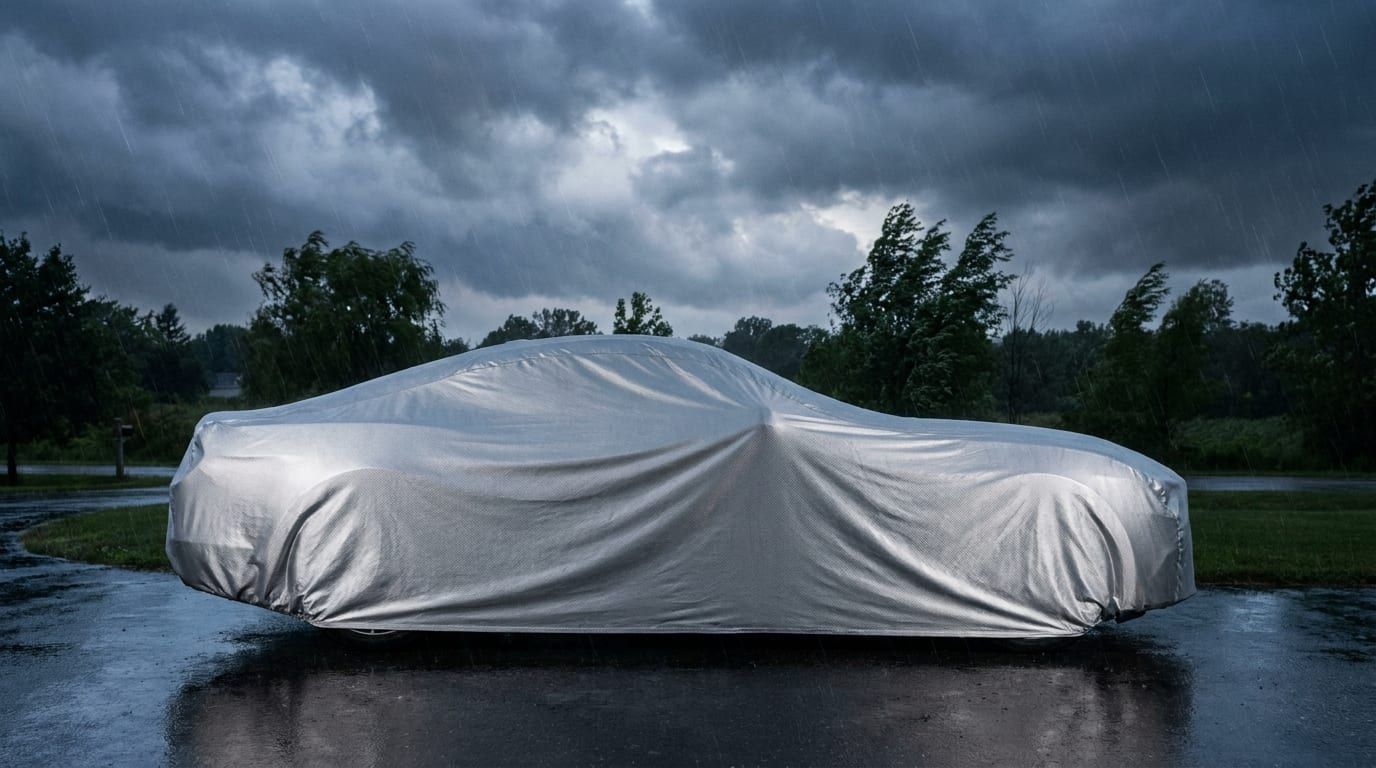
Salt air is corrosive, full stop, and it doesn't need direct ocean spray to do damage. It settles on exposed metal trim and the panels closest to the undercarriage, and over months that residue accelerates corrosion in ways inland owners never have to think about. A waterproof cover for Volvo XC60 owners near the coast needs to do double duty: keep water out and resist salt buildup on its own surface, since a cover caked in dried salt can transfer it right back to your paint.
That means washing the cover itself more often than you would inland. Salt residue that sits on the fabric works its way toward the paint through repeated contact, so rinsing it off before it accumulates is worth the extra effort. The cover cleaning guide covers the right method so you're not degrading the waterproof coating while you're at it.
Wind is the other coastal factor people underestimate. Open coastal areas get sustained gusts that a loose cover simply cannot handle, waterproofing or not. Reinforced grommets and a proper strap system stop the cover from flapping, which both protects the paint from abrasion and keeps water from getting worked in at the edges during a storm.
Getting the Right Fit for a Volvo XC60
Fit isn't a secondary detail, it's half of what makes a cover waterproof in practice. A custom-fit cover follows the XC60's actual body lines, mirror positions, and roofline, which means there's no slack for wind to grab or water to pool in.
A semi-custom or universal cover, even one made from genuinely waterproof material, undermines itself the moment it doesn't fit right. Gaps at the mirrors, a loose hem at the wheel wells, extra fabric bunching at the rear glass, these are all entry points for wind-driven rain or snow regardless of how good the fabric itself is. You can buy the most technically advanced waterproof shell on the market and still end up with water damage if the cover doesn't actually match your vehicle's shape.
Before buying, check the Volvo-specific SUV cover page to confirm the options available for the XC60's model years, and use the sizing guide to double check fit before you check out. It's a five-minute step that saves you from returning a cover that looked right on paper but sat wrong on the car.
Installing, Cleaning, and Maintaining Your Waterproof Cover
Getting the waterproofing benefit day to day comes down to installation habits as much as the cover itself. Secure every strap, cinch the hem fully around the wheel wells, and don't leave any slack at the mirror pockets. A cover that's technically on the car but loosely fitted defeats a lot of what you paid for.
Cleaning matters too, and it's easy to get wrong. Harsh detergents strip waterproof coatings faster than normal wear does, so stick to mild soap and always let the cover air dry completely before folding it away. Storing a damp cover is how you end up with mildew smell baked into the fabric by the next time you pull it out. The installation and care guide walks through the process in more detail if you want a step-by-step.
Worth checking on warranty coverage too. Seams and coatings are exactly the kind of manufacturing detail that can fail without any misuse on your part, and a lifetime warranty is a reasonable hedge against that risk rather than something you'll never need.
Choosing Your Cover: Next Steps
The short version: figure out which climate risk actually dominates where your XC60 lives, rain, snow, sun, or salt air, and buy for that specific threat instead of grabbing whatever's labeled "waterproof" on the shelf. A cover built for desert UV isn't doing you many favors in a Seattle winter, and a snow-rated cover is overkill if you're dealing mostly with coastal humidity.
Take a look at the SUV cover selection and confirm your XC60's exact fit before you buy. Getting the sizing right the first time saves you a return and gets your car protected before the next storm rolls in, whatever form that storm happens to take where you live. And if you're still narrowing things down, it's worth subscribing or browsing a few more guides before you decide, there's no rush to get it wrong.
Updated