


What Car Cover Material Protects Best Against Hail Damage?
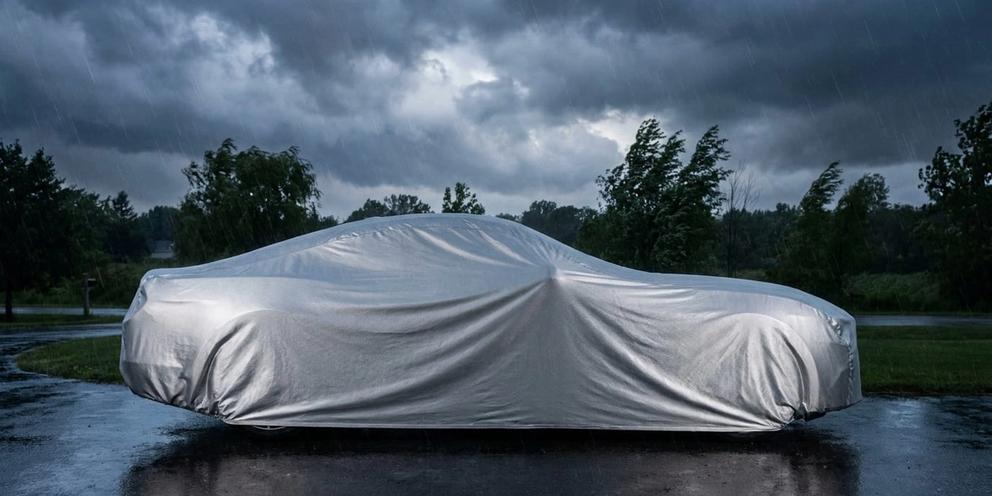
What car cover material protects best against hail damage? Thick, multi-layer padded covers, foam-core or quilted fleece-lined designs, typically 1/4 inch or thicker, absorb impact energy that thin single-layer polyester or vinyl covers simply pass straight through to your paint. That's the short answer. If you're shopping for real hail protection and not just a dust sheet, padding and layer count matter more than any other spec on the label.
No fabric cover, no matter how well built, stops a golf-ball-size hailstone from leaving a mark. Physics wins there. But most hailstorms drop pea to marble-size stones, and against that range, a padded multi-layer cover meaningfully reduces dents. That's the scenario worth planning for, since it's the one you'll actually run into.
Worth clarifying up front: a "hail cover" isn't the same product as a standard outdoor or indoor cover with a hail-resistant label slapped on it. Dedicated hail covers are built around impact-absorbing layers first, weatherproofing second. A lot of general-purpose covers get this backwards.
Which Car Cover Materials Are Actually Used to Fight Hail?
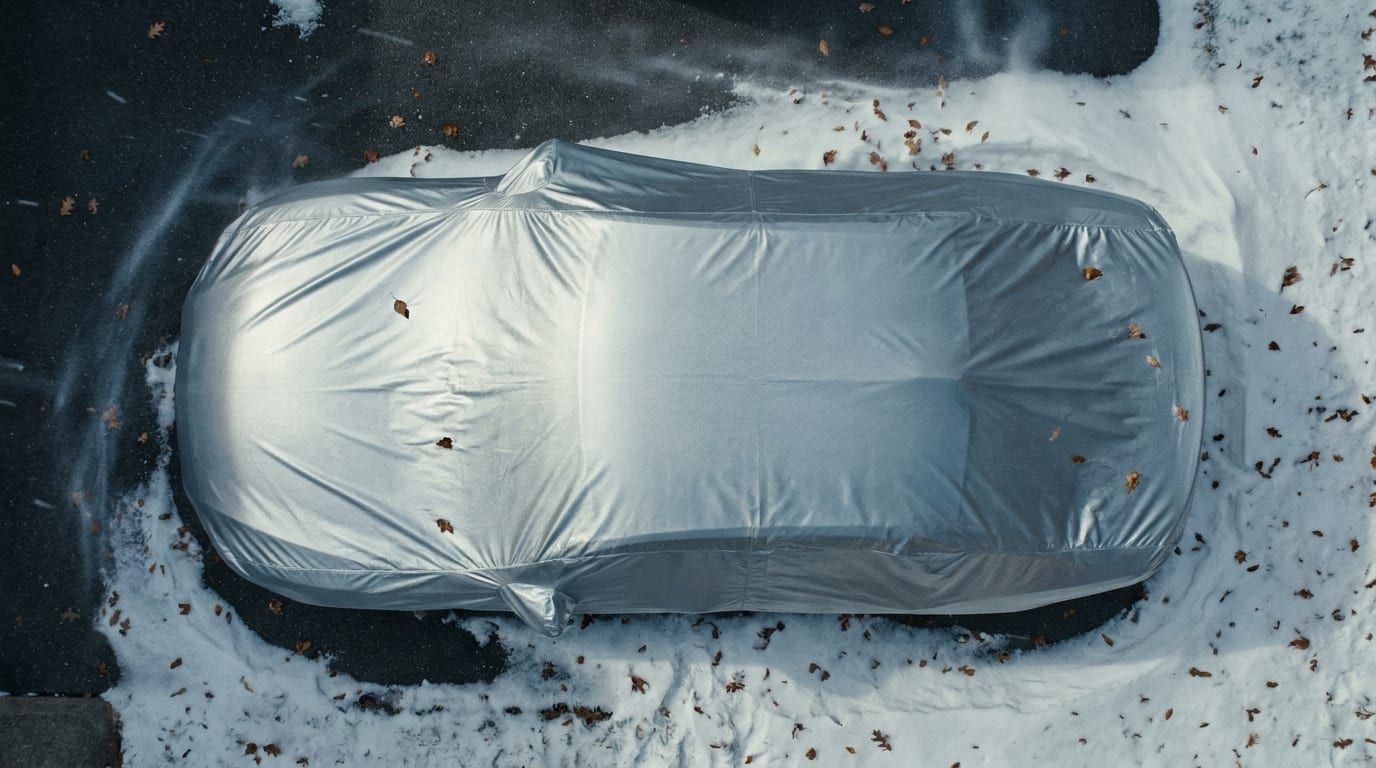
Not all "hail resistant" covers are built the same way, and the differences show up fast once you compare them side by side.
Multi-layer foam-padded hail covers
- Hail impact resistance: High
- Thickness/padding: 1/4 inch or thicker padded foam core
- Breathability: Moderate
- Best for: Hail-prone regions, open/outdoor storage
Quilted fleece-lined covers with a heavier outer shell
- Hail impact resistance: Moderate to high
- Thickness/padding: Cushioned inner layer that softens impact
- Breathability: Good
- Best for: Garages or carports with occasional hail risk
Heavy-duty multi-layer polypropylene (5-6 layer weatherproof shells, non-padded)
- Hail impact resistance: Moderate, from layered density alone
- Thickness/padding: No dedicated foam layer
- Breathability: High
- Best for: General outdoor weather plus light hail
Thick vinyl/PVC covers
- Hail impact resistance: Low to moderate
- Thickness/padding: Rigid, can crack or transfer dents in cold weather
- Breathability: Low, traps moisture
- Best for: Short-term storage only
Standard single-layer polyester or knit covers
- Hail impact resistance: Low
- Thickness/padding: Minimal cushioning
- Breathability: High
- Best for: Dust and sun protection, not a hail solution
The pattern here isn't subtle. Thickness and the presence of foam or fleece padding decide how much protection you're getting, not the base fiber. A polypropylene shell and a vinyl shell can sit at similar price points and still perform completely differently once hail starts falling, because one has a cushioning layer and the other is just dense fabric. If you want to see how hail covers stack up against every other cover type on the market, the dedicated hail car cover guide breaks down specific padded options.
Why Does Padding and Layering Matter More Than the Base Fabric?
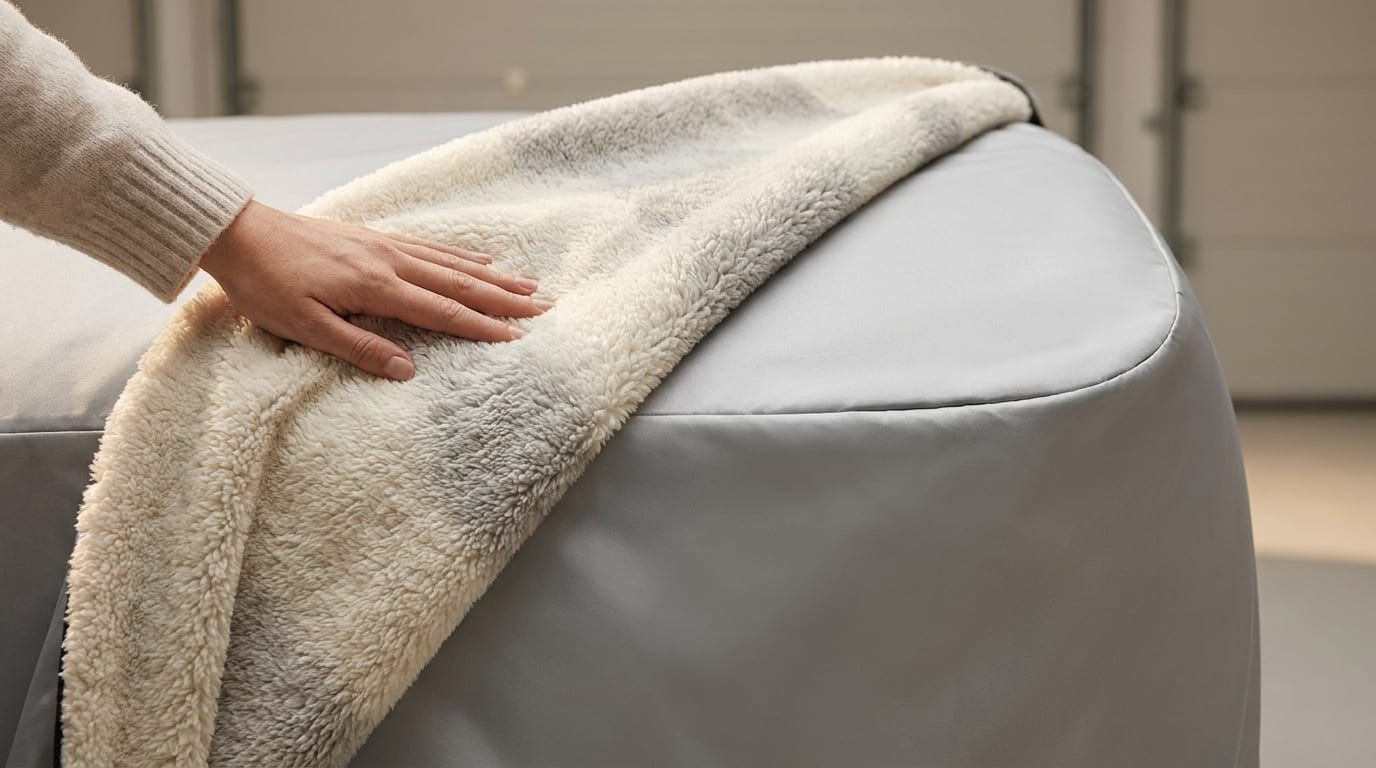
Here's the mechanism, stripped down: hail damage is kinetic impact energy hitting a hard, thin panel. Paint and sheet metal have almost no give. A cover's job is to intercept that energy and spread it out before it reaches the surface, and only a cushioning layer, foam, fleece, or a genuinely dense multi-ply stack, can do that. A thin layer of fabric, no matter how tightly woven, just transfers the hit.
This is why a premium single-layer fabric can be a great cover and a poor hail solution at the same time. Say it's rated for excellent UV resistance and sheds water perfectly. None of that helps when a hailstone lands. Without a cushioned layer underneath, the impact goes straight through to the panel. Buyers sometimes assume "premium" and "hail-resistant" are the same claim. They're not, and if you're weighing overall cover quality separately from hail performance, the broader guide to car cover materials is worth a read alongside this one.
One more thing that matters indirectly: stitching and hems. A padded cover that shifts or blows partway off during a hailstorm loses whatever protection its material offered, because now the wrong panel is exposed or the padding has bunched up on one side. Reinforced seams and a snug elastic hem aren't hail-fighting materials on their own, but they're what keeps the actual hail-fighting material in place when it counts.
How Do You Choose the Right Hail Cover Material for Your Climate?
If you live somewhere in the hail corridor, the Plains, the Rockies, parts of Texas, this isn't a maybe. Prioritize a dedicated padded or multi-layer hail cover over a general outdoor cover. The storms in these regions aren't rare edge cases, they're a seasonal certainty, and a general-purpose cover is the wrong tool for that job.
For readers in mixed climates, where hail shows up occasionally but sun, rain, and wind are the bigger day-to-day concerns, a heavier multi-layer weatherproof cover is a reasonable middle ground. You won't get foam-core levels of impact absorption, but you get solid protection across more weather types without paying for or storing something bulkier than you need. The waterproof car cover guide is a good starting point if that's your priority.
It also helps to know what you're actually up against. If you want a sense of how severe hail events can get in the US, the roundup of the 22 worst hailstorms in US history puts some real context behind the "is this worth it" question. For most drivers, the answer becomes obvious once you see how often and how hard these storms actually hit.
And if hail risk is genuinely high in your area but a heavy padded cover isn't practical, whether that's cost, weight, or just not wanting to wrestle with a stiff cover every day, indoor or garage storage paired with a lighter cover is a legitimate alternative. Getting the vehicle under a roof solves the problem better than any fabric can.
How Should You Install and Maintain a Hail-Protection Car Cover?
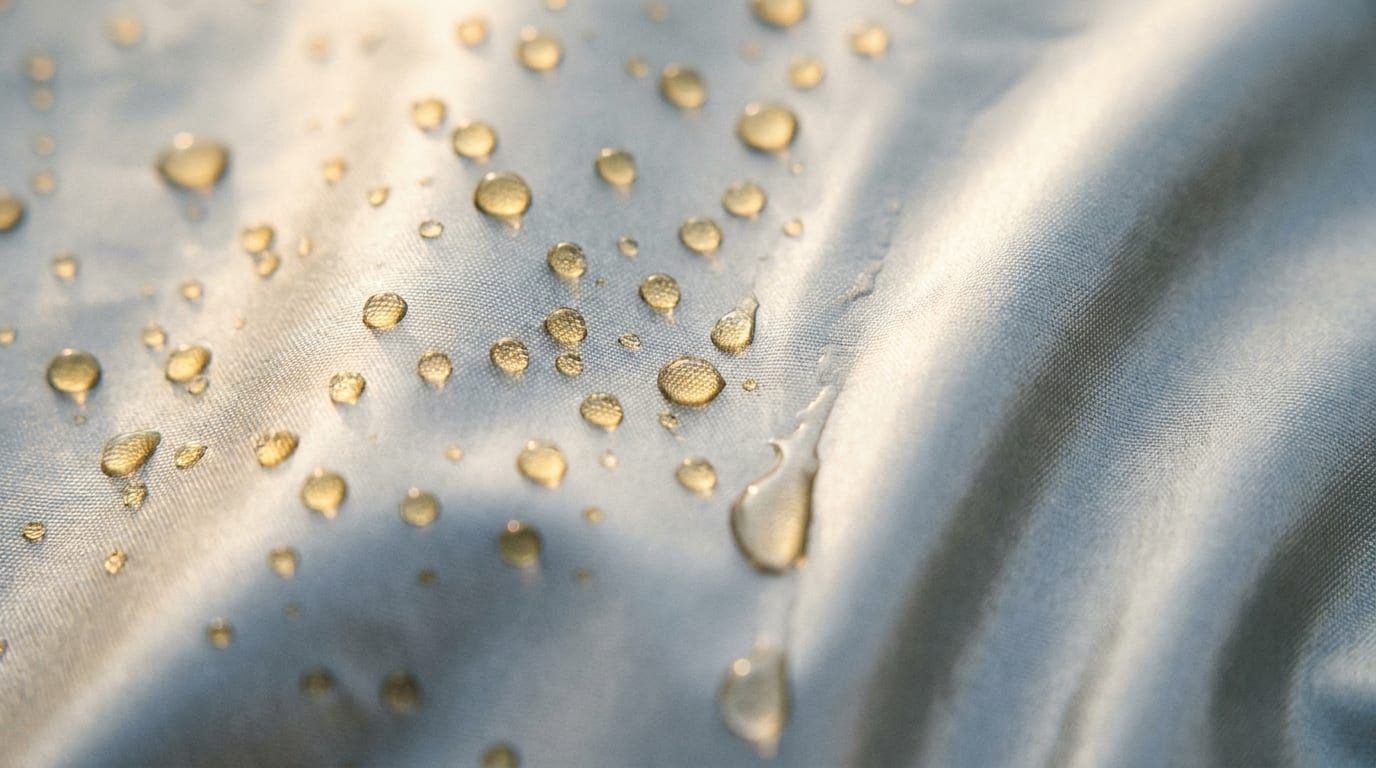
Fit matters almost as much as material. A loose, universal-fit cover flaps and shifts in wind-driven hail, which means the padding isn't necessarily sitting over the panel that's about to take a hit. A snug, custom-fit cover stays where it's supposed to be, so the protection you paid for is actually positioned to do its job.
Secure it. Hailstorms rarely arrive without wind, and a cover that isn't strapped down can pull loose mid-storm, right when you need it most. Gust straps or a cable lock keep the cover anchored through the gusts that usually come bundled with hail.
After the storm, shake off debris and let the cover dry completely before folding it away. Padded and quilted layers hold moisture longer than thin fabrics, and a damp foam core left folded up is exactly how mildew gets started. For more on managing a cover through wind, rain, and sun exposure over time, the guide to using a car cover outdoors covers the basics well.
Frequently Asked Questions About Hail Car Cover Materials
Can a car cover fully prevent hail damage?
No. Padded covers reduce dents from small to medium hail, but they can't guarantee zero damage once you're dealing with large hail.
Is a thicker cover always better for hail?
Generally, yes, for impact resistance specifically. But thicker covers weigh more, take up more storage space, and can trap heat or moisture if they're not built with enough breathability.
Are fleece-lined covers as good as foam-padded hail covers?
Fleece lining cushions light hail reasonably well. Foam-core designs hold up more consistently against harder or larger hail, since there's more material actually absorbing the hit.
Does cover color or UV coating affect hail protection?
No. UV and color additives protect against sun fading, that's a separate concern entirely. Padding and layer count are what determine hail performance, not the coating on top.
Protect Your Vehicle Before the Next Storm
If you take one thing from this: real hail protection comes from a multi-layer padded or fleece-lined cover, sized and fitted to your specific vehicle, not a generic single-layer cover that happens to have "weatherproof" printed on the box.
Worth comparing your options before the next storm rolls in rather than after. And once you've picked a material, make sure the fit is snug enough to stay put in wind, because even the best padding doesn't help much if the cover's already blown halfway off the hood.
Updated