What is the difference between a car cover and a car shelter? A car cover is a fitted fabric skin that sits right on your vehicle's paint, glass, and mirrors. A car shelter is a freestanding structure, a frame with a canopy roof, that covers the car without ever touching it. One travels in your trunk. The other stays put in your driveway.
That's the trade-off in a sentence: covers are portable, cheap to get into, and make direct contact with the body panels. Shelters are structural, cost more, and create open air space around the vehicle instead. If you're trying to decide between the two before you buy, the right call depends less on which one is "better" and more on where you park, what you're protecting, and how much ground space you've got to work with.
What's the Real Difference Between a Car Cover and a Car Shelter?
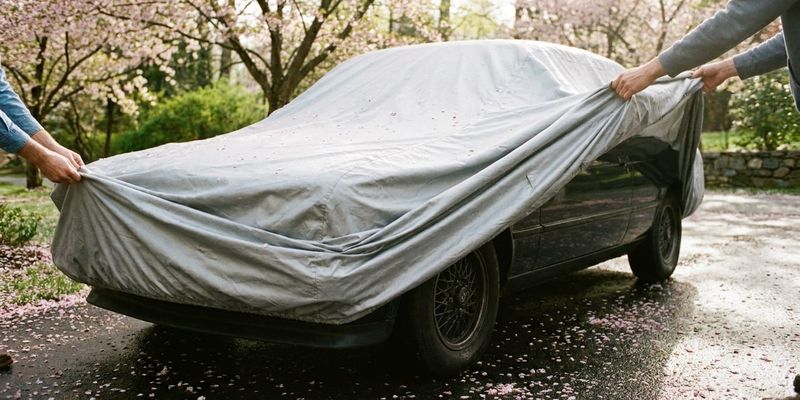
Picture the two side by side. A cover drapes over the hood, roof, and trunk like a tailored jacket, hugging every curve. A shelter looks more like a mini carport: legs anchored to the ground, a tarp roof overhead, and your car just... parked underneath it. Nothing touching the paint at all.
That contact point is the whole story. A cover has to manage moisture, grit, and friction right against your clear coat. A shelter skips that problem entirely by keeping a few feet of air between the canopy and your car. Neither approach is wrong, they're just solving different problems, and that's really what this comparison comes down to when you're shopping: do you need something that travels with the car, or something that stays fixed in one spot and does the heavy lifting structurally?
What Is a Car Cover?

A car cover is a tailored or universal-fit piece of fabric built to sit directly against paint, glass, and trim. Some are semi-custom, sized to fit a general category like "mid-size sedan." Others are custom-fit to your exact make and model, down to the mirror pockets and antenna cutouts.
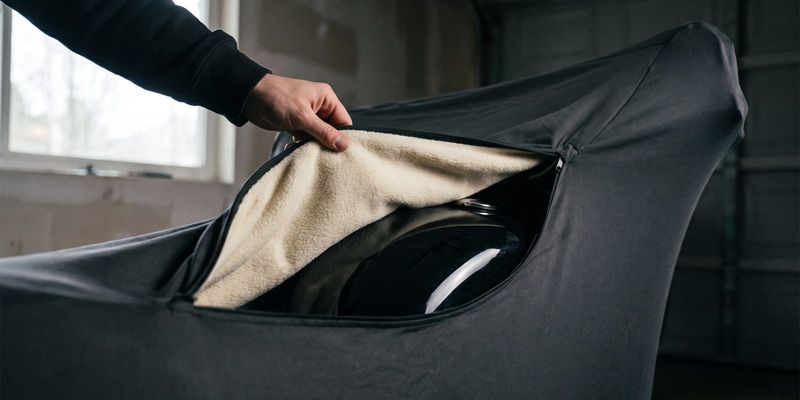
There's also a split by use case. Indoor covers are usually satin or fleece-lined knit, soft against the paint, built purely to keep dust and light scratches off a car in a garage. Outdoor covers are a different animal: multi-layer, often with a water-resistant or waterproof outer shell, built to handle rain, UV, and wind without trapping moisture underneath.
The biggest point in a cover's favor is portability. It folds into a storage bag that fits in your trunk, and most people can get one on or off a car in under five minutes. No tools, no anchoring, no assembly. You park at a hotel, you throw the cover on. You move cross-country, the cover comes with you.
The catch with outdoor covers is that they need to breathe. A cover that blocks rain but doesn't vent moisture will trap condensation against the paint, which causes worse problems than just leaving the car uncovered. That's why the better outdoor covers use vented or layered fabrics rather than a single solid sheet of plastic. If you're outdoor-parking daily, it's worth reading up on how outdoor car covers handle rain, wind, and UV exposure before you pick one.
What Is a Car Shelter?
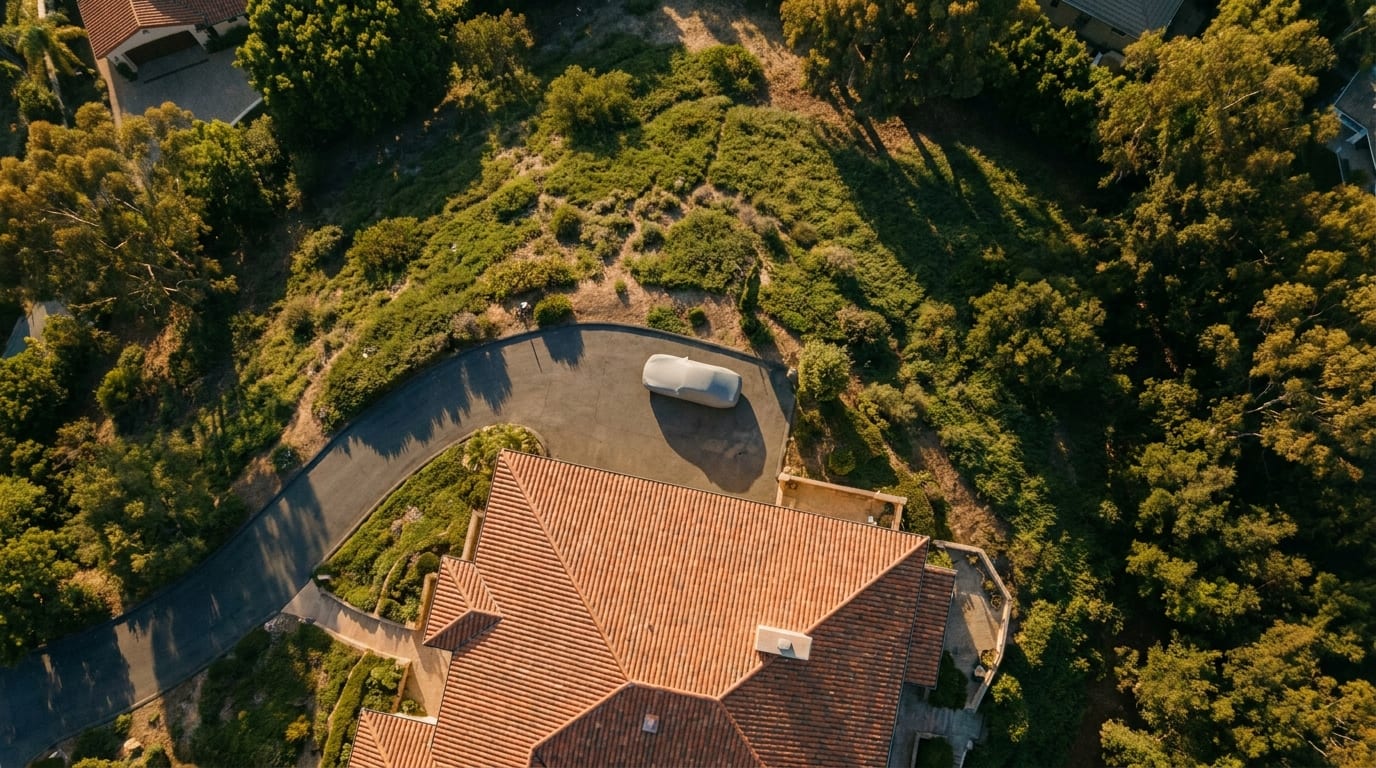
A car shelter is a freestanding pop-up carport, basically a metal or steel frame with a tarp or fabric roof, and sides that are either open or just partially enclosed. Some look like a simple canopy on four legs. Others are closer to a soft-sided garage.
The protection logic is different from a cover's. Instead of resting on the vehicle, a shelter creates airspace above and around it. Rain hits the roof, not the hood. Branches and debris hit the frame, not your windshield. That airspace is also why shelters handle hail and heavy snow load better than a cover ever could: there's a rigid structure absorbing the impact instead of a layer of fabric sitting an inch off the paint.
The cost is higher, though, both in dollars and in setup time. You're assembling a frame, anchoring it to the ground (stakes, concrete, or weighted bases depending on wind exposure), and that's not a five-minute job. It's closer to an afternoon the first time, and it needs re-checking after big storms.
Shelters also scale differently than covers. A big enough structure can cover a car and a motorcycle, or a truck and a stack of yard equipment, under one roof. And unlike a cover, a shelter typically isn't something you take with you. It's installed once and it stays where you put it, which matters if you're renting or might move in the next year or two.
Car Cover vs. Car Shelter: Materials and Fabrics Compared
The material differences are worth laying out directly, since they drive both price and how long each option actually lasts.
| Product Type | Material | Weather Resistance | Breathability | Typical Lifespan |
|---|---|---|---|---|
| Universal/semi-custom car cover | Multi-layer woven polypropylene | Good rain/UV resistance | Moderate | 3-5 years |
| Custom-fit outdoor car cover | Ripstop polyester with PVC/PU coating | High rain, UV, and wind resistance | High (vented layers) | 5-8 years |
| Indoor car cover | Satin or fleece-lined knit | Not weather-rated | Very high | 5+ years with care |
| Pop-up car shelter canopy | Woven polyethylene tarp over steel frame | Strong rain/snow-load resistance, UV degrades tarp faster | Open-air, not applicable | 2-5 years depending on frame coating and wind exposure |
A couple of things worth knowing before you compare price tags. Fabric weight, measured in denier, is doing most of the work on durability for both covers and shelter canopies: a heavier denier resists tearing and abrasion longer, but it also costs more and can be stiffer to handle. Coating type matters just as much. A PU-coated waterproof fabric sheds water without going rigid in the cold, while cheaper PVC coatings can crack over time, especially on a shelter roof that's stretched taut and left exposed to full sun year-round. That's also why shelter canopies tend to wear out faster than a good outdoor cover: the tarp is holding a fixed shape under constant UV load, with no chance to be folded away between uses.
Which One Should You Choose?
If you're on street parking or don't have a driveway, this decision basically makes itself. A shelter needs dedicated ground space to anchor into, so a car cover is the only practical option. It's also the more realistic starting point for most renters and apartment dwellers.
If you've got a driveway or yard with room to stake down a frame, a shelter buys you something a cover can't offer: real structural resistance to hail, heavy snow load, and falling branches. A cover protects the finish. A shelter protects against things that would dent the vehicle outright.
Budget is the other half of this. A car cover typically costs a fraction of a shelter structure, which makes it the lower-commitment option if you're not sure yet how much protection you need. You can always upgrade to a custom-fit or outdoor-rated cover later without ripping anything out of the ground.
Worth noting too: if you're storing more than just the car, say an ATV, a motorcycle, or a grill alongside it, a shelter can cover all of it under one structure. Each item would still want its own cover underneath for scratch and dust protection, but the shelter is doing the heavy structural work for the whole group at once.
And if you move often, or you're not committed to one parking spot long-term, a cover is just more flexible. It folds up and goes with you. A shelter, once it's anchored, is basically there to stay.
Can You Use a Car Cover and a Car Shelter Together?
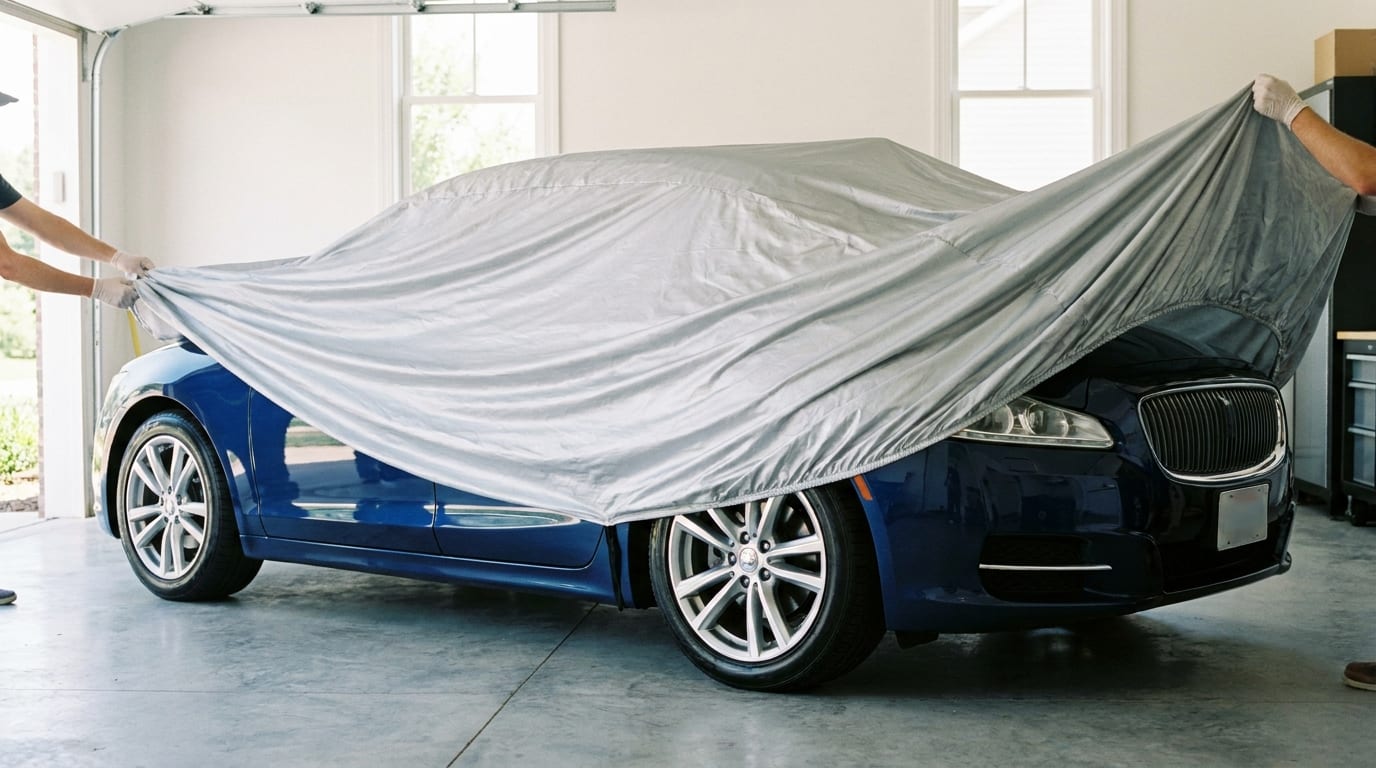
A lot of people run both, and it's not overkill. Park under the shelter for the structural stuff: wind, hail, snow load. Then use a lighter, breathable cover underneath for dust, pollen, tree sap, and the odd cat walking across the hood.
This layered setup shows up a lot among RV, boat, and classic car owners who already have a carport or shelter on their property. The shelter handles the weather, so the cover underneath doesn't need to do double duty. An indoor-style cover is usually enough in that scenario, since the shelter is already blocking rain and direct sun.
One thing to avoid: putting a heavy, fully-rated outdoor cover under a shelter that's already doing the weatherproofing job. It's unnecessary weight and bulk for a situation that doesn't need it, and it can actually trap more moisture against the paint than a lighter, breathable layer would. Match the cover to the job it's actually doing, not the worst-case scenario it would face if it were out in the open.
Find the Right Protection for Your Vehicle
So, car cover or car shelter? Go with a cover if you want something portable, affordable, and close-fitting. Go with a shelter if you've got the space and want structural, multi-item coverage that a fabric layer alone can't provide. Plenty of owners end up with both, just doing different jobs.
If you're ready to look at options, it's worth using a fit tool to confirm sizing before you buy, since a cover that's too loose or too tight won't protect the way it should. And if a shelter isn't in the budget or the space just isn't there, a custom-fit cover is the next best thing for maximizing protection on its own. Either way, take a look around, compare a few options, and find what actually fits your parking situation instead of guessing.