


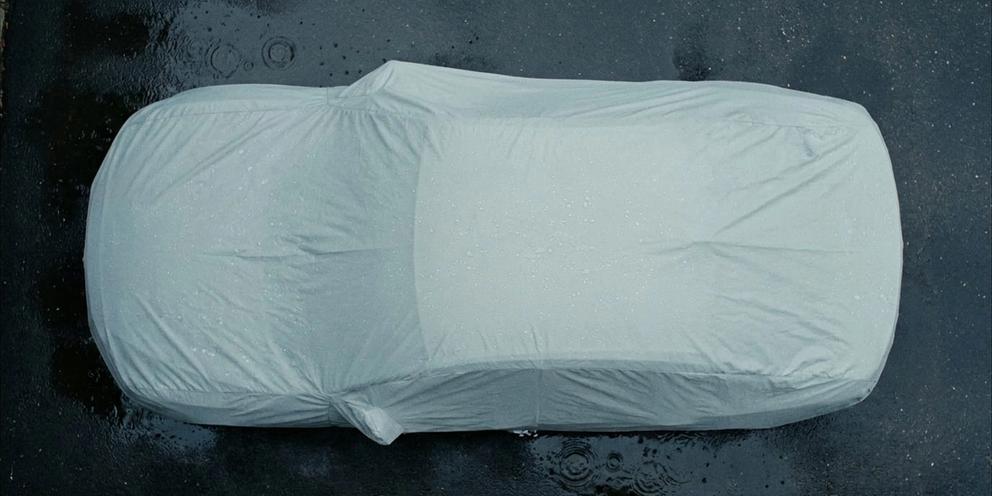
Affordable Car Cover for a Honda Civic: A Budget Buyer's Guide That Still Protects Your Car
Why "Affordable" and "Cheap" Aren't the Same Thing for a Civic Cover
The Honda Civic is everywhere. That's good news if you're shopping for a cover, because high volume means more options and a wider price range than you'd get shopping for, say, a Alfa Romeo. But it also means the market is flooded with cheap, thin covers riding on the Civic's popularity, and separating those from a genuinely affordable car cover for a Honda Civic takes a little homework.
Here's the distinction worth holding onto: affordable means solid protection for a fair price. Cheap means the lowest number on the price tag, full stop, often with a lifespan measured in months. This guide is about the first one. You can spend less than you'd think on a cover that actually does its job, you just need to know which corners are safe to cut and which ones aren't.
One more thing specific to Civic owners: this is usually a daily driver, not a garage queen. That means the cover goes on and comes off a lot, gets stuffed in a trunk, gets rushed on in the rain. A cover that can't survive that kind of handling isn't actually cheap. It's just deferred cost.
What Actually Drives the Price of a Car Cover
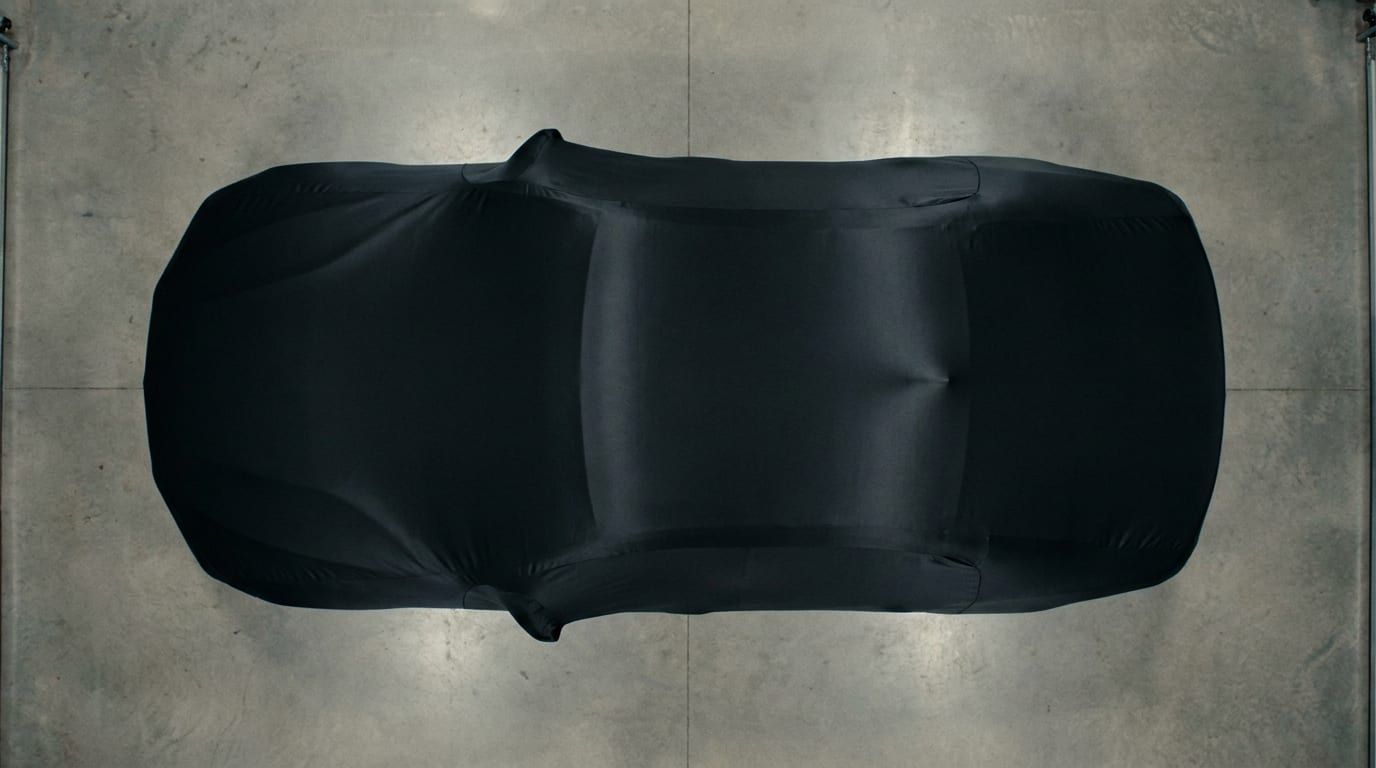
A few variables do almost all the work in setting a cover's price.
Fit is the big one. Universal and semi-custom covers are cut to fit a range of vehicles within a size class, which keeps manufacturing costs down. True custom-fit car covers are patterned to a specific model's exact dimensions, mirrors and all, and that precision costs more to produce.
Material layering matters just as much. A single-layer cover is the cheapest thing on the shelf, but it's offering you dust protection and not much else. Multi-layer or laminated fabrics cost more upfront because they're actually built to block UV and water over years, not weeks. If you want the full breakdown of what each fabric type is actually good for, our guide on which material car cover is best goes through it in detail.
Indoor-only covers (soft satin, fleece-lined types) tend to run cheaper too, since they skip the waterproofing and UV treatments an outdoor cover needs. That's fine if your Civic lives in a garage. It's a problem if it doesn't.
Then there's hardware. Grommets for a cable lock, built-in straps, a storage bag, these all add a few dollars to the price, but they're not fluff. A cover without a way to secure it against wind is going to wear out faster, which we'll get into later. And warranty length is its own signal. A company backing a cover with a real warranty is telling you something about how long they expect it to last.
Sedan Shape Helps Keep Civic Covers Affordable
Good news on the body style front: a compact sedan is one of the cheaper shapes to cover. Less material, simpler contours, no towering SUV roofline or truck bed to account for. That's a real cost advantage the Civic has over bigger vehicles.
Generation and trim still matter at the margins. A hatchback Civic has a different rear profile than the sedan, and an Si or Type R with a rear wing needs a cover cut (or slit) to clear it. None of this changes the price dramatically, but it does change whether a given cover actually fits your car.
This is where semi-custom covers sized for compact sedans tend to be the sweet spot: priced well below true custom patterns, but shaped closely enough to a Civic's dimensions that you're not drowning in extra fabric or leaving the hood exposed. Honda-specific options are worth checking directly on the Honda cover page before you default to a generic "fits most sedans" listing.
Don't skip the sizing step just because something's on sale. Check a sizing guide for your vehicle before you buy. A cover that's too loose flaps in the wind and scuffs your paint; one that's too tight stresses seams and won't fully close. Either way, a mis-sized cover wastes your money no matter how cheap it was.
The Minimum Quality Bar: What Not to Cut on Any Budget

Here's where I'll take a firm stance: there's a floor below which "affordable" just becomes "disposable." A few things should never be optional, even on the tightest budget.
Water resistance comes first. A budget cover doesn't need to be a submarine, but it should shed light rain and morning dew without soaking through. If you're parking outside at all, even occasionally, look at something built with real waterproof protection rather than a cover that only claims to block dust.
UV protection is next, and it's easy to underrate. Sun exposure fades paint and breaks down the cover fabric itself, sometimes within a single season if the material's untreated. If your Civic sees any direct sun during the day, this isn't a nice-to-have.
Breathability is the one people get backwards. A non-breathable tarp-style cover traps moisture against the paint, and trapped moisture does more damage over time than leaving the car uncovered. This is actually one of the clearest arguments against grabbing a generic hardware-store tarp instead of a real cover, something we've written about directly: a tarp is cheaper, but it's not doing the job a cover does, and it can make things worse.
Check seam and stitching quality too, since that's where budget covers fail first, usually at the mirror pockets or along the roofline. And look for at least a basic warranty before you buy. It doesn't need to be a lifetime guarantee, but a maker willing to stand behind the product for a year or two is telling you they expect it to last that long.
Budget Price Tiers for a Civic Cover and What You Get at Each
Budget covers for a Civic generally fall into three bands. Knowing which one matches your situation keeps you from overpaying or underbuying.
| Tier | What you get | Best for |
| Entry | Lightweight single layer, light water resistance, shortest lifespan | Garage storage, occasional light rain only |
| Mid | Multi-layer woven fabric, moderate UV and water resistance, reinforced stitching | Daily outdoor parking, mixed weather |
| Upper-affordable | Custom-cut fit, mirror pockets, antenna patch, stronger fabric | Street parking year-round, people who want a closer fit without paying premium-line prices |
The entry tier isn't a trap, it's just narrow. If your Civic sleeps in a garage and only sees a cover during the odd dusty week, there's no reason to pay for weatherproofing you don't need. But if that same cover ends up on a car parked outside through a real winter, you'll be replacing it twice as often as you would've spent on the mid tier up front.
The upper-affordable tier is where a lot of daily-driver Civic owners land, since you get a custom-fit car cover shape without jumping all the way to premium all-weather pricing. Match the tier to how the car is actually parked, not to how you wish it were parked.
How to Stretch the Life of a Budget Cover

A budget cover can last years if you treat it like a tool instead of a disposable wrapper.
Clean it periodically. Dirt and grit sitting on the fabric act like sandpaper against your paint every time the cover shifts, and that's often an avoidable scratch, not a mysterious one. There's a straightforward guide to cleaning a car cover if you're not sure how often or how rough you can be with it.
Store it properly between uses. Balling up a damp cover and tossing it in the trunk is how mold and weakened fibers happen. Let it dry first, even if that means a few extra minutes.
Use the straps or cable lock that came with it. Wind flapping is one of the fastest ways a cheaper cover wears through at the seams, and it's completely preventable with hardware that's often already in the box.
Check seams and grommets each season. Once you see water soaking through where it used to bead, or stitching fraying at the corners, that cover's done its job and it's time to replace it, not patch it.
Finding the Right Affordable Cover for Your Civic
The real decision here is simple: find the lowest price that still clears the quality floor for how you actually park your car. Not how you park it on vacation, how you park it on a random Tuesday.
Check fit against your specific Civic year and trim rather than grabbing whatever's labeled "fits compact sedans." A Si's spoiler and a base sedan's roofline aren't the same problem to solve. And it's worth scanning clearance options before paying full price for a mid-tier cover, since you can often find real outdoor-rated coverage there without paying for features a daily driver doesn't need.
If you want to see what actually fits before you commit to a price point, browse car cover options by vehicle and compare sizes side by side. A few extra minutes there beats guessing and re-ordering later.
Want more buying guides like this one before your next purchase? Stick around and check out what else we've covered, there's a lot more worth reading before you check out.
Updated