


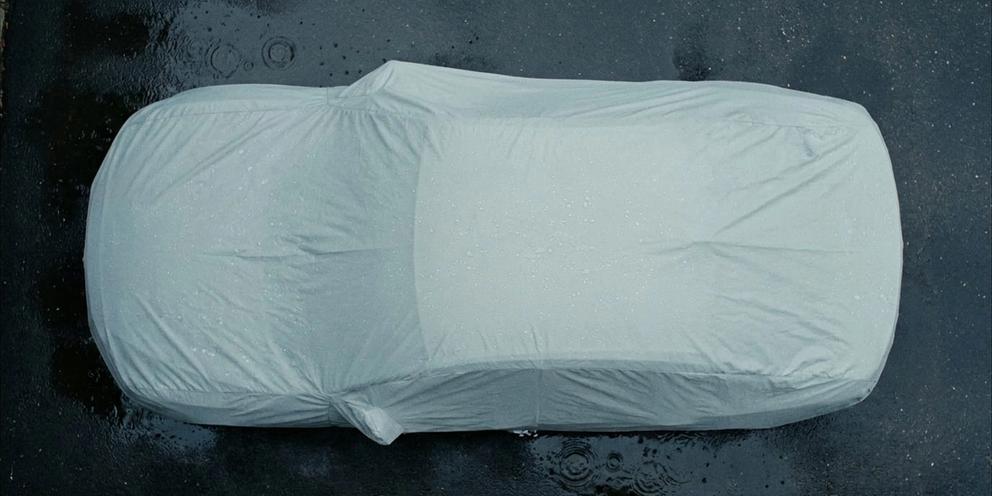
Affordable Car Cover for BMW 5 Series: A Budget Buyer's Guide
Your BMW 5 Series sits outdoors more than you'd probably like to admit, whether that's a driveway, a street spot, or a parking garage you can't always get to. Clear coat, sensor housings, and trim pieces on a 5 Series cost real money to fix if the weather gets to them first. Finding an affordable car cover for your BMW 5 Series isn't about grabbing the cheapest listing you can find. It's about spending the least amount of money for protection that actually holds up.
Why Your BMW 5 Series Needs a Cover (And What "Affordable" Really Means)
A 5 Series is a mid-size luxury sedan, and that matters here. The clear coat is more sensitive to UV fade than what you'd find on a budget economy car, the parking sensors and camera housings are pricier to replace, and the trim pieces aren't the kind of thing you want bird droppings etching into over a summer. Paint correction isn't cheap. Neither is cleaning out a sensor housing that's been sitting under tree sap for three months. A cover is prevention, and prevention is almost always the cheaper path.
So let's define "affordable" properly for this guide: it means the lowest total cost for adequate protection, not the lowest sticker price on the page. A $25 cover that falls apart in one winter and needs replacing twice a year isn't affordable. It's just cheap, and those are different things.
This guide walks through realistic price ranges, the minimum quality bar you should hold even when you're watching every dollar, and exactly where it's safe to cut corners versus where it isn't. Most people searching for this are in one of a few situations: daily driveway parking, street parking with no garage, seasonal storage over winter, or protecting a 5 Series that only comes out on weekends. The right budget cover looks a little different depending on which one describes you.
How Much Should a BMW 5 Series Cover Actually Cost?
Covers generally fall into three price bands, and knowing them helps you spot when a deal is actually a deal.
| Tier | Typical fit | What you're paying for |
| Entry-level universal | Loose, generic sedan sizing | Basic fabric, lowest price point |
| Semi-custom | Sized for the 5 Series' length/width class | Better fabric, closer fit, moderate price |
| Custom-fit | Exact BMW 5 Series pattern | Mirror pockets, antenna cutouts, precise panel shaping |
Affordable, for most 5 Series owners, lands in the universal-to-semi-custom range. Custom-fit covers cost more because they're built to the exact contours of your car: shaped panels, cutouts for the antenna, pockets for the mirrors. That precision is worth paying for if you park outdoors every single day and want the tightest possible fit with no flapping. If your car spends most of its life in a garage and only needs occasional cover, that premium is harder to justify.
Here's where people lose money without realizing it: a $20 universal cover that needs replacing every season isn't actually saving you anything over two or three years. Same goes for a cover that doesn't include straps or a cable lock grommet, so you end up buying those separately anyway. Add it all up and that "budget" cover costs more than a mid-tier one would have.
Your best move is watching for sales, seasonal clearance, or bundle deals that pair a quality cover with accessories. Those can put a genuinely good cover within reach of a tight budget, which is a better outcome than stretching for the absolute cheapest option on the shelf.
The Minimum Quality Bar: What Not to Skip Even on a Budget

There's a floor you shouldn't go below, no matter how tight your budget is. A few things to insist on:
- Breathable, multi-layer fabric. A single-ply tarp-style cover traps moisture underneath it, which is worse for your paint than leaving the car uncovered.
- UV resistance. This is what actually protects your clear coat from sun fade, which is the whole point of covering a 5 Series parked outside.
- A snug elastic hem or strap system. Loose fit means wind gets underneath, and that's how covers start flapping and wearing thin at the edges.
On water resistance, keep your expectations realistic. At the budget tier, "water resistant" is the honest target, not "fully waterproof." Read the product description carefully. If it says water resistant or repellent, that's a cover that'll handle rain and dew. If it claims fully waterproof at a rock-bottom price, be skeptical, because that combination is rare. For a closer look at what waterproof claims actually mean, the waterproof car cover guide breaks down the difference in plain terms.
A manufacturer warranty is one of the best signals you can check on a budget cover. It doesn't need to be a lifetime warranty to mean something, but if a company is willing to stand behind the material for any length of time, that tells you something about the quality they expect out of it. Worth checking what a lifetime warranty on a car cover actually covers if you're comparing options.
And if a listing says nothing about fabric layers, nothing about weight (GSM), and nothing about vehicle-specific sizing, that's a red flag. Walk past it.
Universal vs. Semi-Custom vs. Custom-Fit: Picking the Right Budget Tier for a 5 Series
Universal covers are the cheapest option, but they're also the loosest fit, and loose fabric moves in the wind. That constant friction can actually scratch your paint over time, which is the opposite of what you bought the cover for in the first place. A poorly fitted cheap cover can genuinely do more damage than no cover at all.
Semi-custom covers are sized to match the 5 Series' length and width class, so they sit tighter against the body without the cost of a fully custom pattern. For most budget-conscious 5 Series owners, this is the sweet spot. You get a fit that stays put in wind, fabric that's a step up from entry-level, and a price that's still reasonable.
Custom-fit covers are the top tier, built to the exact BMW 5 Series pattern with mirror pockets and antenna cutouts included. If you're not sure which fit type you actually need, it's worth confirming against BMW's cover options to see exact sizing across the model range before you settle on a tier.
Where Cheap Covers Cut Corners (And How to Spot It Before You Buy)
Thin single-layer polyester or PVC is the most common corner cut on budget covers. These materials trap moisture against the paint and, in wind, can actually scratch the surface rather than protect it. Not what you want on a car with this much clear coat to protect.
Other things to check before you buy: is there an elastic hem, or does it just drape? Are there grommets for a cable lock, so you can actually secure it? Is there reinforced stitching around the mirror cutouts, which is one of the first spots a cheap cover tears? Skipping any of these is how a manufacturer shaves a few dollars off the price.
Customer photos and reviews are your best tool here. Look past the star rating and actually look at the photos people post. Does the cover sit snug on a sedan shaped like a 5 Series, or is it baggy at the front and rear? Does it look like it's holding up after a few months outside? That tells you more than the product description does.
One more flag worth trusting: if a cover is priced dramatically lower than every other option in the same category, there's usually a reason. Durability is the first thing to go.
Indoor Storage vs. Outdoor Parking: Does Your Situation Change the Budget?
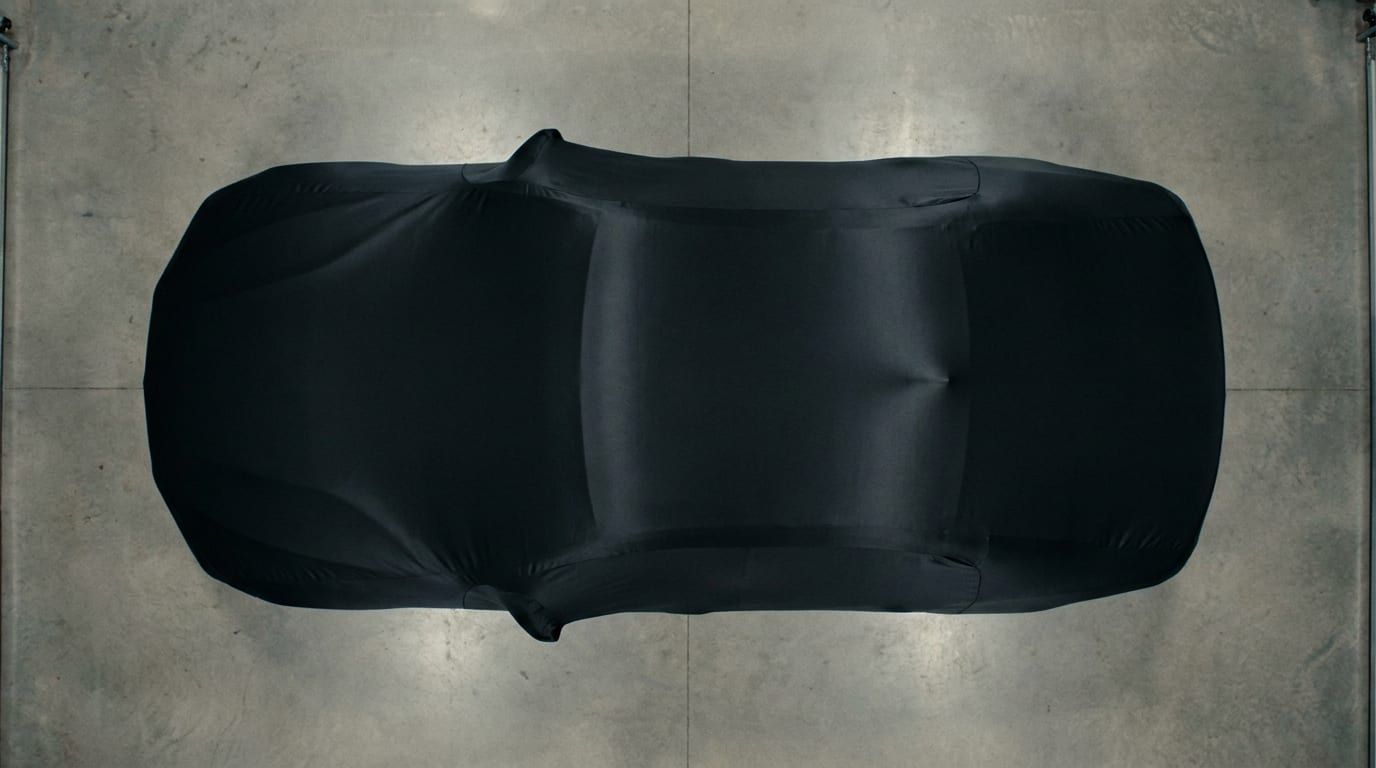
Yes, and this is where a lot of people overspend without realizing it. A 5 Series stored in a garage doesn't need heavy-duty weatherproofing. It needs something light that keeps dust off and prevents scratches from incidental contact. An indoor car cover built for that job is cheaper than an outdoor-rated one, and it's the right tool for a garage-kept car.
If your car is outside, facing rain, UV exposure, tree sap, or bird droppings, it's worth spending a bit more within the budget tier for better water and UV resistance. An outdoor car cover built for that exposure is money well spent, because the alternative is paint damage that costs far more to fix.
The mistake to avoid is buying outdoor-grade protection for a car that never sees weather, or settling for an indoor-weight cover on a car parked on the street every night. Match the cover to how you actually park, not to the most feature-heavy option on the page.
Making a Budget Cover Last Longer
A budget cover that's maintained well will outlast a premium one that's neglected. Clean it regularly. Grit and dust trapped against the fabric act like sandpaper over time, grinding into the finish every time the cover shifts. The cover cleaning guide covers how to do this without damaging the fabric.
Fold it properly between uses instead of balling it up and shoving it in the trunk. Rough folding breaks down fibers faster than normal wear does. And install it correctly every time, straps secured, fit snug, so wind isn't working against loose fabric all night. That's one of the biggest factors in how long a budget cover actually lasts.
Do those three things consistently and a modestly priced cover will perform a lot closer to a premium one than you'd expect. Skip them and even a well-made cover won't last.
Finding the Right Affordable Cover for Your BMW 5 Series
Affordable doesn't have to mean flimsy. Check the fabric layers, confirm the fit type, and look for a warranty before you buy, and you'll land on a cover that actually protects the car instead of one that just looks like it does on the page.
Don't guess at sizing from generic sedan dimensions either. Use a fit tool to confirm exact sizing for your specific model year before you buy, since even small differences in body length can throw off how a cover sits.
If you're still weighing options, it's worth browsing BMW-specific cover choices and comparing fit types side by side before you commit. Take the time now and you'll skip the cycle of replacing a cheap cover every season.
Updated