
Affordable Car Cover for Chevrolet Silverado: A Budget Buyer's Guide
Why a Silverado Still Needs a Cover, Even on a Budget
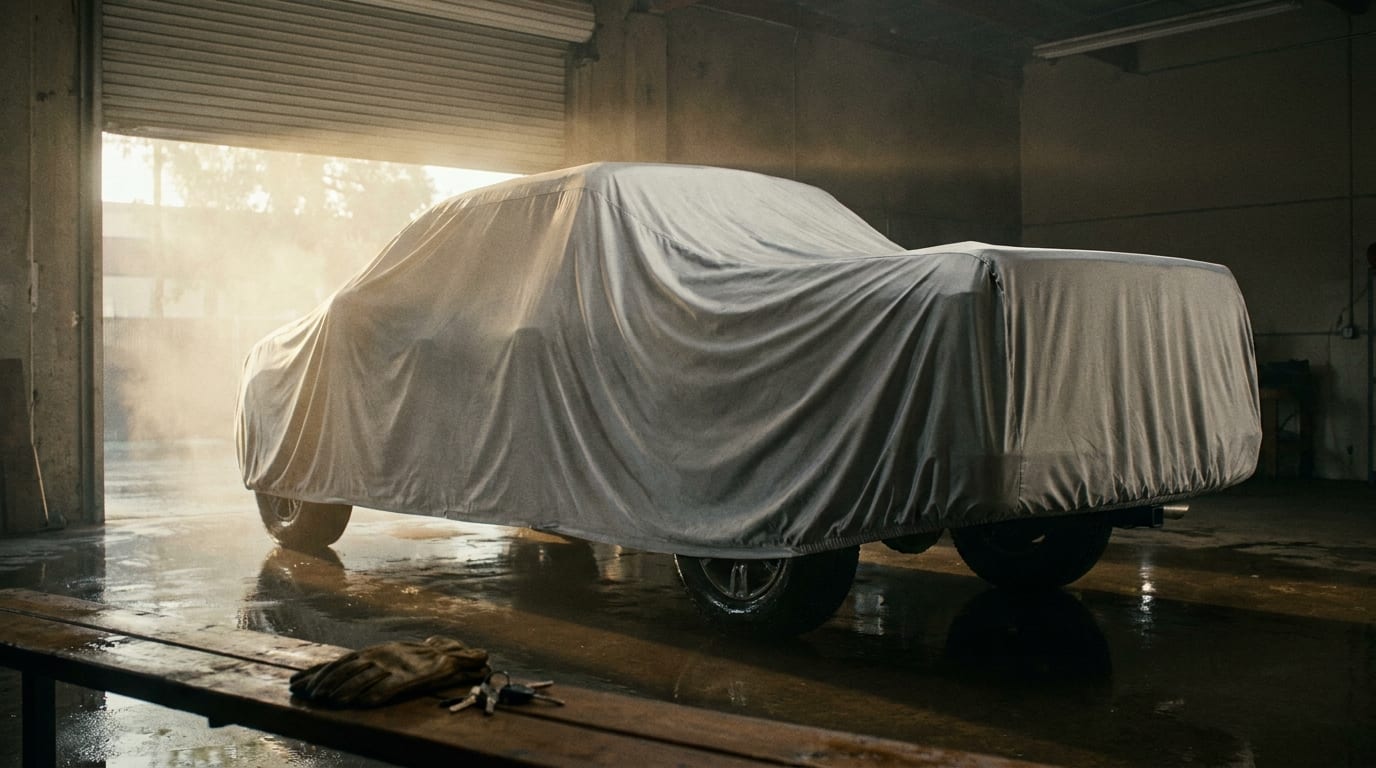
A Silverado isn't a compact sedan. That hood and that bed are a lot of real estate for the sun to work on, and a lot of surface area for tree sap, bird droppings, and road grime to land on day after day. Trucks like this also tend to live outside more than cars do: driveways, job sites, gravel lots. Fewer garages, more weather.
That's exactly why finding an affordable car cover for Chevrolet Silverado trucks matters, and why it's worth doing right the first time. "Affordable" doesn't have to mean disposable. A $40 cover that shreds after one Texas summer or one Midwest winter ends up costing more than a $90 cover that actually lasts three seasons. You bought twice. That's not a deal, that's a tax on buying cheap.
This guide isn't a list of the cheapest covers you can find online. It's what to actually look for once you've decided to shop on a budget, so the money you do spend holds up.
What 'Affordable' Should Actually Mean for a Silverado Cover
There's a floor you shouldn't go below, no matter the price tag. Multi-layer woven or non-woven fabric, not single-ply vinyl or the kind of thin polyester that feels like a tarp. Reinforced seams, not a single pass of stitching that'll pop the first time wind gets under the fabric. And some kind of elastic hem or strap system to keep it anchored, because a cover that isn't secured is a cover that's flapping itself to pieces.
Here's something people skip on a budget cover that they'd never skip on a premium one: proper sizing. A loose universal fit might be fine on an expensive cover with heavier material, but on a cheap one, that extra fabric billowing in the wind wears through fast. Friction is the enemy of thin material. So before you shop, nail down your cab style (regular, double, or crew cab) and your bed length (short, standard, or long bed). If you're not sure which you have, the pickup truck bed size guide walks through how to check.
What's "too cheap to trust"? No stated water resistance anywhere on the listing. No UV rating mentioned at all. Single-stitched seams you can see fraying in the product photos. If a listing can't tell you basic specs, assume there aren't any worth having.
Key Features to Check Before You Buy Cheap
Waterproof sounds like the obvious win, but fully waterproof budget fabric that doesn't breathe can trap moisture underneath it, which is worse than getting a little rain on the paint. You want water resistance paired with breathability, not a plastic bag over your truck. The waterproof car covers guide breaks down that trade-off in more detail if you want the full picture.
UV resistance matters more for a truck than it does for a car that spends half its life in a garage. If your Silverado sits in a driveway or a work lot all day, sun exposure is relentless, and a cover with no UV rating is really just a dust sheet.
Look for an elastic hem or a built-in strap system. That's the difference between a cover that stays put in wind and one you're chasing across the parking lot. Buying gust straps separately adds cost, so a cover that includes this already is doing more for your money.
If your trim has a factory antenna or uses side mirrors that stick out further than stock, check whether the cover includes an antenna patch or mirror pockets. Not every budget cover does, and that's a legitimate feature to compare.
And don't skip sizing confirmation. Check the cover sizing guide against your exact Silverado configuration before you check out, not after.
Typical Price Ranges for Silverado Covers (and What You Get at Each)

Price roughly tracks material quality here, more than with a lot of other products. Here's how it tends to break down:
| Price Tier | What You're Getting | Best For |
|---|---|---|
| $30-$60 (entry) | Basic single or double-layer polyester, light UV/water protection | Indoor storage or occasional light outdoor use |
| $70-$150 (mid) | Multi-layer woven fabric, real UV and water resistance, elastic hem | Daily outdoor parking in normal climates |
| $150-$250+ (higher) | Heavy-duty weatherproofing built for extreme conditions | Severe climates: hail, coastal salt air, deep snow |
If you're reading a guide about affordable options, the top tier is probably more than you need. The mid tier is the realistic sweet spot for most Silverado owners parking outside regularly without facing extreme weather. It's where the "minimum quality bar" from earlier actually lives, consistently.
One more note on pricing: custom-fit covers usually cost a bit more upfront than universal ones. But they reduce wear over time, which matters a lot if your goal is avoiding a repeat purchase.
Universal vs. Custom-Fit: Which Is the Better Value for a Truck This Big
Universal covers are cheaper on the sticker, but a Silverado's long bed and tall cab expose exactly where a universal fit falls apart. Extra fabric bunches at the tailgate, sags across the hood, and leaves gaps at the mirrors where water and dust get in. All that loose material flapping in wind isn't just annoying, it's mechanical wear happening every time you drive past a windy stretch of highway.
Custom-fit covers built to a Silverado's actual cab and bed configuration sit tighter, flap less, and simply last longer. For a budget buyer, that's the whole point: you're trying to avoid buying a second cover next year. Check the Chevrolet truck cover page to see what Silverado-specific options exist before defaulting to the cheapest universal option you find. And if you want the full breakdown of why fit affects lifespan this much, the custom-fit guide covers it in depth.
If you're still not sure which fit matches your exact truck, running it through a cover finder tool is faster than guessing off a size chart.
Where Affordable Covers Cut Corners (and Which Corners Are OK to Cut)
Some cost-cutting is fine. Fewer accessory pockets, simpler packaging, no padded storage bag included. None of that affects how well the cover protects your truck.
Other cuts aren't fine. No seam reinforcement. No stated water resistance anywhere in the specs. A flimsy hem or strap setup that won't hold in real wind. And no warranty or return policy backing the purchase at all. That last one is the big one: if a seller won't stand behind a cheap cover, that tells you something about how confident they are in it.
Before buying a budget cover sight-unseen, check what's actually backing it. Look at the lifetime warranty terms and the no-hassle guarantee policy. A cover with real warranty backing at a lower price is a genuinely different purchase than one with no policy at all, even if the sticker price looks similar.
Shipping is part of the real cost too, not just a footnote. A cover that's $10 cheaper but charges $15 for shipping isn't actually the better deal. Check free shipping terms before comparing sticker prices side by side.
Making a Budget Cover Last: Install and Care Tips
Installation habits wear out a cover faster than cheap material ever will. Dragging it on and off, bunching it up, cinching straps unevenly, all of that shortens the life of even a good cover. The installation guide covers the basics, and it's worth the five minutes if you've never done it carefully before.
If your Silverado's bed has a topper, tonneau cover, or any accessories that create uneven high points, water can pool on top of the cover instead of running off. A support pole fixes that by giving the fabric a peak to shed water from. The truck support pole installation guide shows how to set one up.
Basic cleaning matters more than people think. Dirt and grit left sitting on the fabric grind into it every time wind moves the cover, and trapped moisture breeds mildew fast. The cover cleaning guide has the right method so you're not just hosing it down and hoping.
When you're not using the cover, fold and store it somewhere dry rather than leaving it balled up in the truck bed or garage floor. Crushed, damp fabric breaks down a lot faster than fabric that's stored properly between uses.
Bottom Line: Buying Affordable Without Buying Twice
The minimum bar doesn't move just because the price is low: multi-layer fabric, correct sizing for your Silverado's cab and bed, an elastic hem, and some real UV and water resistance. Skip any of those and you're not saving money, you're deferring the cost to next season.
Spending a bit more upfront on fit and material almost always beats replacing a bargain cover every year. That's the whole math of this guide. Take the time to measure your truck correctly, read the actual spec sheet instead of just the price, and you'll land on something that earns the word "affordable" instead of just wearing it as a label.
If you're weighing options and want more buying advice like this, it's worth browsing around before you commit to a cover.
