
Affordable Car Cover for Ford Mustang: A Budget Buyer's Guide That Won't Leave You Exposed

Why "Affordable" Doesn't Have to Mean "Flimsy"
You want to protect your Mustang. You don't want to spend $300 doing it. That's a reasonable place to land, whether you're parking a daily-driver EcoBoost outside the apartment complex, running a weekend GT, or keeping a garage-kept classic dust-free between shows. An affordable car cover for a Ford Mustang is absolutely out there. The trick is knowing which features you can skip and which ones you really shouldn't.
This guide walks through realistic price ranges, the handful of things a cheap cover should still deliver, and the spots where cutting corners actually costs you more down the road. One wrinkle worth flagging up front: Mustang has one of the longest, most varied production runs in Ford's lineup. Coupes, convertibles, fastbacks, GTs with wide-body kits, base models with stock wheels. That range means fit (and therefore price) swings a lot generation to generation, and a universal "one size fits all Mustang" cover isn't always the bargain it looks like on the price tag.
What a Mustang Car Cover Actually Costs
Covers for a Mustang generally fall into three rough tiers.
Entry tier ($25-$60) gets you a universal or semi-custom fit, usually single-layer woven or polyester fabric, and basic water resistance. Fine for a car that lives in a garage or under a carport and only needs protection from dust and the occasional drip.
Mid tier ($80-$150) is where things get semi-custom to truly custom for the Mustang's body style. You'll typically see better UV and water resistance, a soft inner lining, and a proper elastic hem or grommet points instead of just a loose drawstring.
Higher tier ($150+) means true custom-fit, multi-layer breathable fabric, reinforced stitching, and usually straps or a lock included in the box. Worth it if the car sits outside year-round through real weather. Overkill if it doesn't.
For this guide, "affordable" means staying in that entry-to-mid range, ideally sitting right near the top of entry tier or the bottom of mid tier, while still clearing the minimum quality bar below. Go lower than that and you're not saving money, you're just delaying the cost.
The Minimum Quality Bar: Don't Go Below This

A few things aren't optional, even on a tight budget.
UV resistance. Skip this and your Mustang's clear coat and paint take the hit from sun exposure faster than the cover ever saved you. A cheap cover with zero UV protection is basically a very expensive dust rag.
Water resistance, not necessarily full waterproofing. You need enough to shrug off dew, a passing shower, or the sprinklers that hit your driveway at 6 a.m. There's a real difference between "water resistant" and "waterproof," and it matters more than most buyers realize. Worth reading up on before you buy: the waterproof vs. water-resistant breakdown lays out exactly where that line sits.
Soft or fleece-lined interior. The inside of the cover touches your paint every single time you put it on or take it off. A rough lining turns into fine scratches around the hood and fenders over months of use, especially on dark colors where swirl marks show up fast.
Some form of secure fit. Elastic hem, buckle straps, grommets you can run a cable lock through, doesn't matter which, but something has to keep the cover from flapping in wind. A loose cover whipping around in a storm will mark up paint worse than leaving the car uncovered.
If you want to go deeper on fabric types before you commit, this comparison of car cover materials is a good next stop.
Where Cheap Covers Cut Corners (and Whether That's a Problem)
Not every shortcut on a budget cover is a dealbreaker. Here's how to tell the difference.
Single-layer fabric is genuinely fine if the Mustang spends most of its life in a garage and only gets covered occasionally. Risky if it's outside full-time, where sun and moisture cycle on that one layer every day.
No mirror pockets or antenna patch? Minor annoyance, not a real issue. You'll tuck the mirrors under or work around the antenna. Doesn't affect protection at all.
No storage bag, or seams that are a step below premium stitching, that's an acceptable trade-off too, as long as you're not balling the cover up and shoving it into a tight trunk corner every day.
Here's the one workaround to skip entirely: a tarp. It feels like the ultimate budget move, but tarps aren't a real substitute for a fitted car cover. They trap moisture against the paint instead of letting it breathe, and the stiff material scuffs the finish in exactly the spots you're trying to protect.
And the one corner that's never worth cutting, even to save another ten or fifteen bucks: skipping UV or water resistance entirely. That's the whole point of the cover. A cover without it isn't a cheaper option, it's a different product that happens to look similar.
Mustang-Specific Fit Considerations That Affect Price
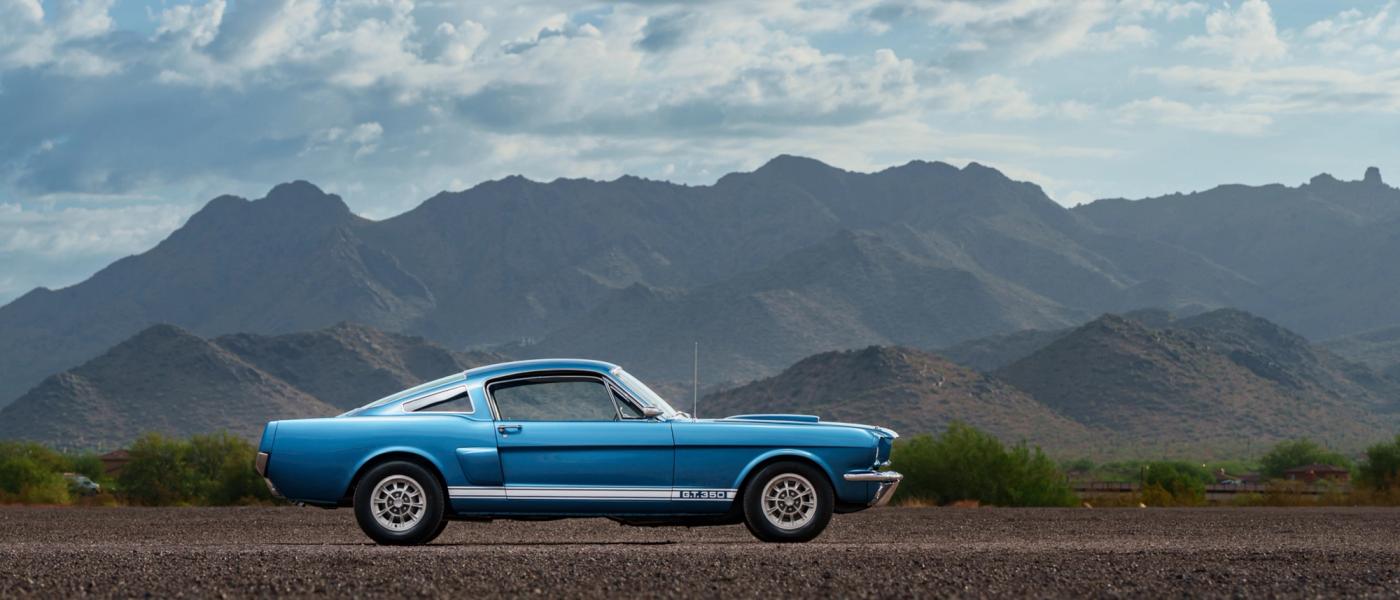
Mustang's body changed a lot across generations, and fit drives price more than people expect.
Coupe versus convertible matters. Convertibles need a different cut around the trunk and folded-top area, and that extra shaping can push even a budget-tier cover a bit higher than the coupe version.
GT and performance trims add another wrinkle. Spoilers, wide-body kits, and aftermarket wheels don't always play nice with a basic universal cover, which can shift, sag, or rub against those extra pieces. If you're not sure which trim is sitting in your driveway, this explainer on what GT means on a Mustang is worth a quick read before you shop.
It's also worth understanding the difference between universal, semi-custom, and custom-fit covers, because that distinction is really a protection-quality question dressed up as a price question. Custom-fit car covers hug the body closely and cut down on flapping and gaps, where a universal cover leaves slack that can rub paint or let wind underneath.
Before you buy anything, confirm you've got the right size. This sizing guide walks through how to match a cover to your exact Mustang rather than guessing off the model name alone, because a wrong-size cover is wasted money no matter how cheap it was. And if you want to compare beyond covers labeled specifically for Mustang, Ford's full cover lineup is worth a browse too.
Smart Ways to Save Without Buying Junk
A few actual ways to lower the price without lowering the quality bar.
Check clearance stock. Last season's custom-fit covers often get marked down even though the fit and materials haven't changed at all, and the clearance collection is where those end up.
Buy off-season. Late winter or early spring tends to be a quieter window for outdoor cover demand, which means better pricing than peak summer.
Look for a real warranty behind the price tag. A budget cover backed by a genuine lifetime warranty isn't a one-season throwaway, it's just a lower-cost product with the manufacturer standing behind it long-term.
Skip the bundled extras at checkout. Premium lock kits and support poles sound useful, but if your Mustang's garage-kept, you probably don't need them yet. Add them later if your storage situation changes instead of paying for them up front.
Make a Budget Cover Last Longer
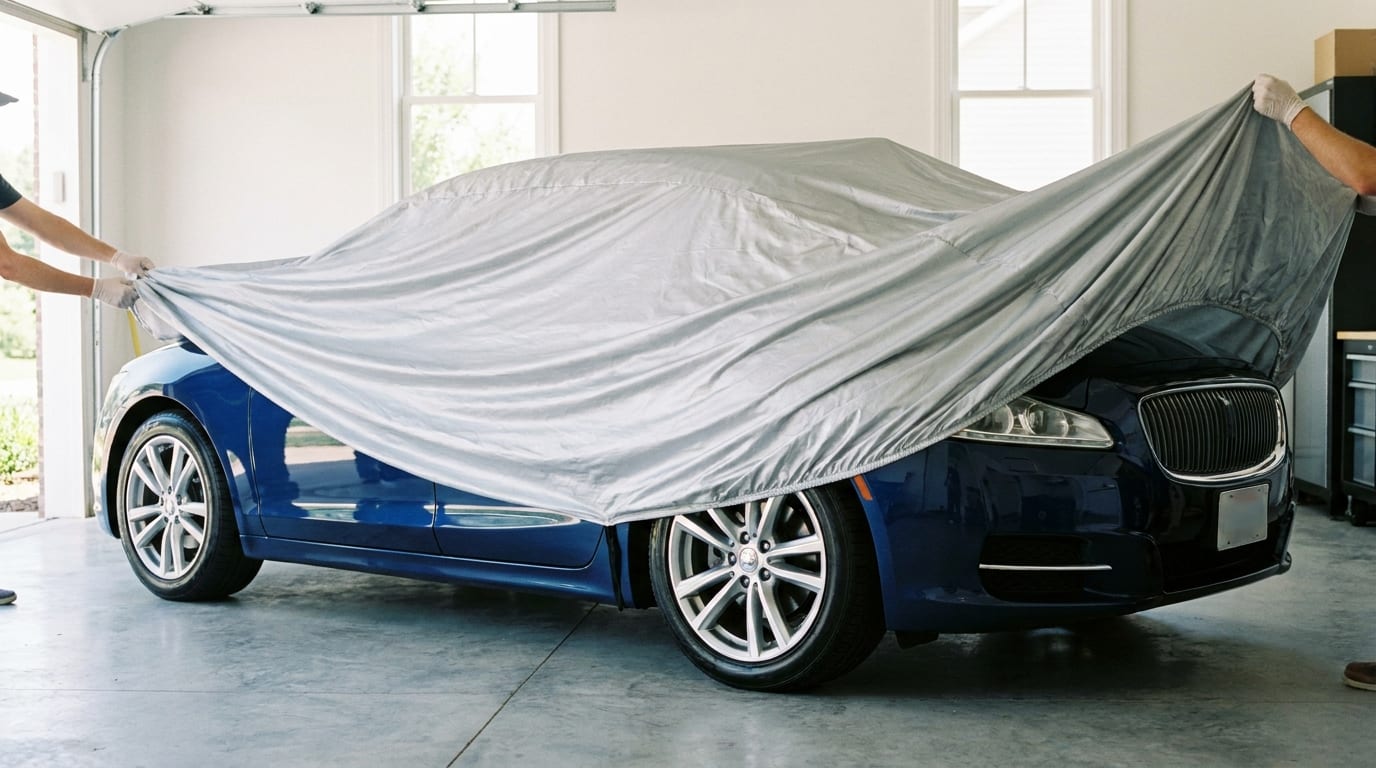
A lower-cost cover doesn't have to mean a short-lived one. Shake off leaves and debris before you fold it up. Let it dry fully before storing it, because trapping moisture inside a folded cover is how mildew and fabric breakdown start.
A proper cleaning routine matters more than people think. This step-by-step guide to cleaning a car cover covers the basics that keep fabric from breaking down early.
Here's the honest truth: a well-maintained entry-tier cover will outlast a premium cover that gets balled up wet and tossed in a corner. Price isn't the only variable. Habits matter just as much.
Finding the Right Affordable Cover for Your Mustang
The framework here is simple. Set your budget, confirm fit by generation and trim, then check that the cover clears the UV resistance, water resistance, and secure-fit bar from earlier. Skip any of those three and you're not actually saving money, you're just pushing the cost to next year.
If you want help matching a cover to your exact year and trim instead of guessing, this cover finder tool does that legwork for you. And if you're nervous about committing to a budget price without knowing what you're getting, the no-hassle guarantee is there so a lower price doesn't mean a riskier purchase.
Worth taking a few minutes to compare entry and mid-tier options side by side rather than grabbing the first cheap listing you find. Browse a few, check the specs against the bar we laid out here, and you'll land on something that actually protects the car instead of just sitting on top of it.
