Affordable Car Cover for Land Rover Range Rover: A Budget Buyer's Guide (Without Sacrificing Protection)
Published
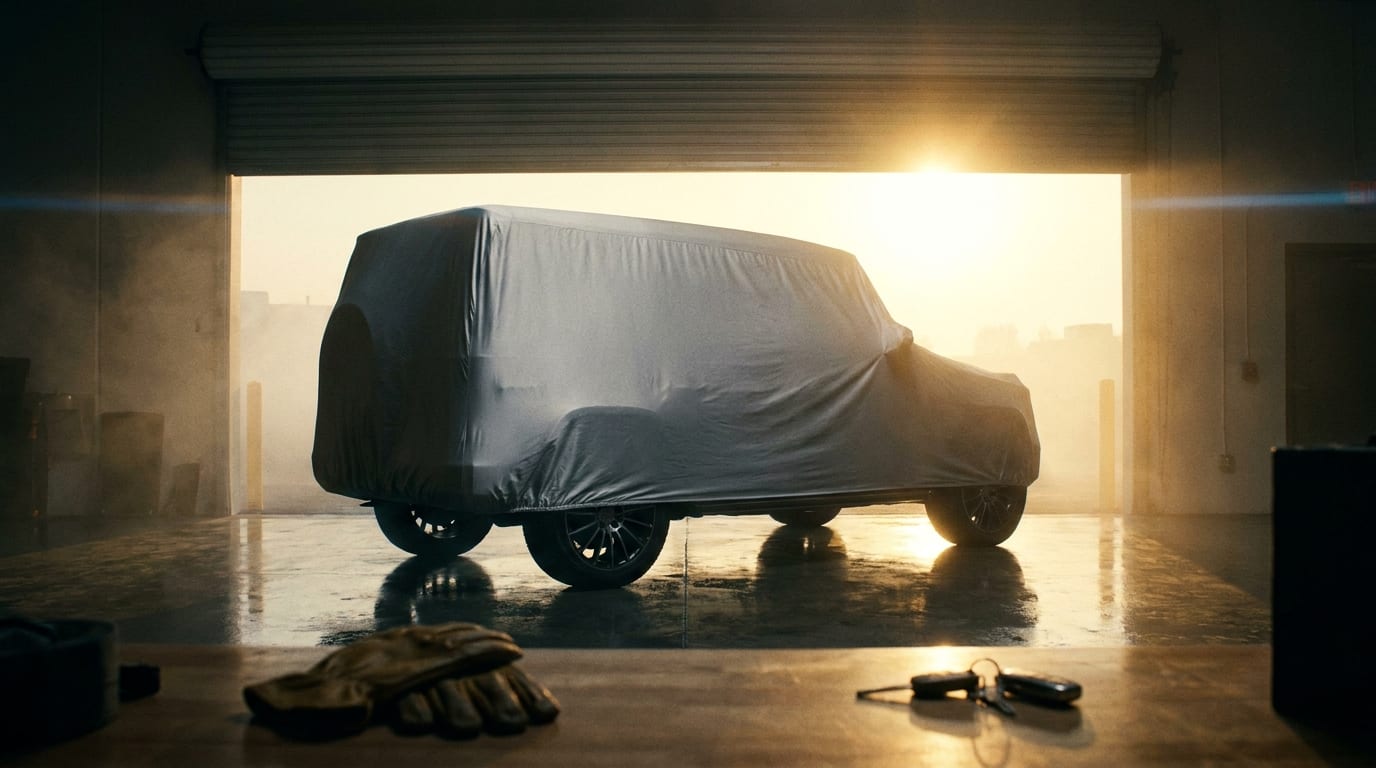
Range Rovers are not cheap vehicles, so it makes sense that owners start twitchy the moment a car cover listing says "premium" and the price tag follows suit. But here's the thing: paying a luxury markup on a car cover doesn't actually buy you better protection, it just buys you a nicer logo on the box. If you're looking for an affordable car cover for a Land Rover Range Rover, whether it's a Classic, Sport, Velar, or Evoque, the goal isn't finding the cheapest thing that technically fits. It's finding the lowest price that still does the job.
And the job matters more than people think. A decent cover runs somewhere between $100 and $200. A paint correction job after months of sun bake, tree sap, and parking lot dust? That's a $1,500 bill, easily, sometimes more if the clear coat's already lifting. Compare those two numbers and the "budget" conversation looks different fast.
One more wrinkle before we get into it: Range Rover isn't one vehicle, it's a lineup with wildly different footprints. A Velar's roofline and a Classic's boxy proportions aren't the same cover problem. So "affordable" looks different depending on which Range Rover is sitting in your driveway.
Why Range Rovers Need Cover Protection Specific to Their Body
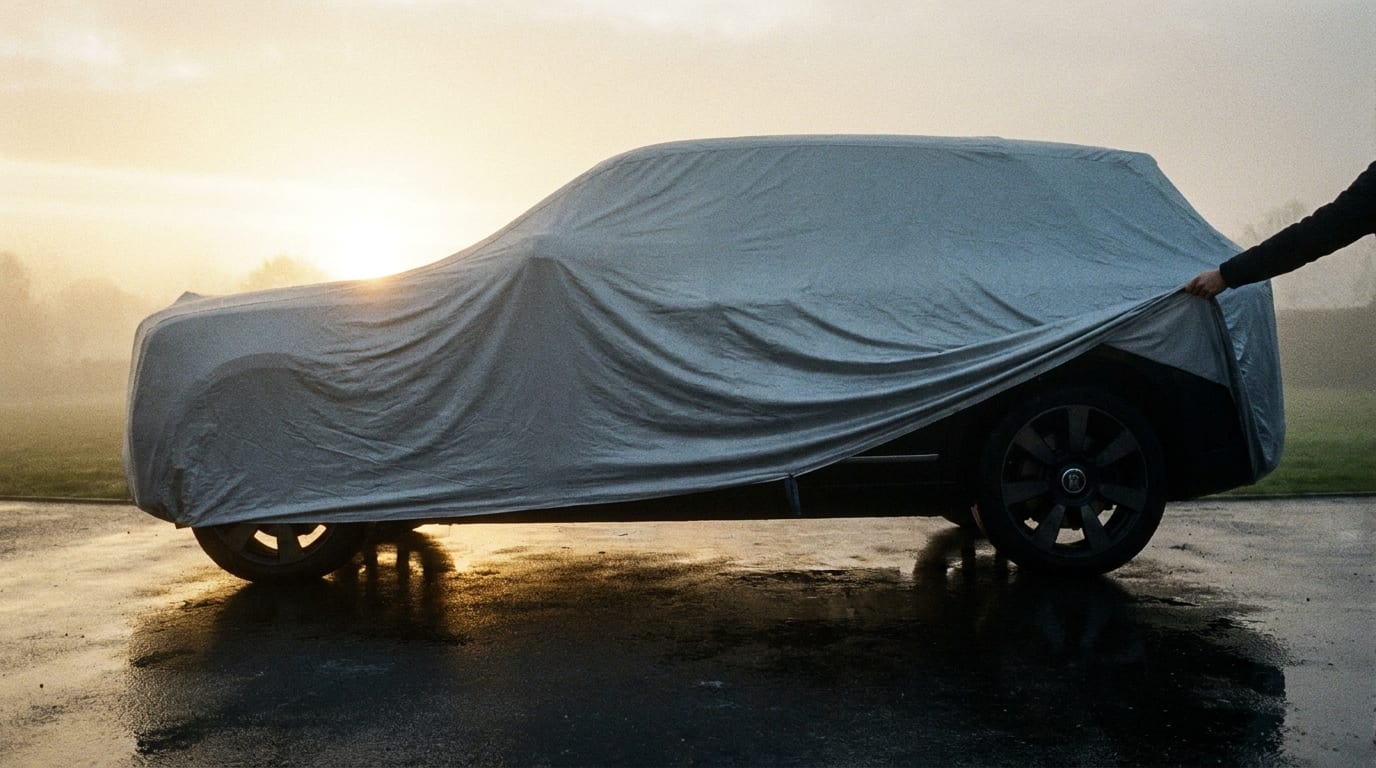
Range Rovers are big. Flat hood, flat roof, tall doors, lots of surface area baking in the sun or catching whatever's falling from the trees overhead. A sedan's sloped lines shed some of that exposure. An SUV this size just sits there and absorbs it. That means sizing isn't a nice-to-have on a Range Rover, it's the whole ballgame. A cover that's even a couple inches off in the wrong spot leaves panels exposed.
Then there's the trim. Chrome accents, roof rails, badge work, all of it sticks out just enough to snag a cover that isn't tailored to the vehicle. Wind gets under a loose cover, that cover rubs against a sharp edge for a few months, and now you've got fine scratches in the clear coat that weren't there before. Ironic, since the cover was supposed to prevent exactly that.
If you're parking outside in a sunny or coastal climate, UV exposure is the bigger long-term threat than most people assume. Salt air and constant sun fade clear coat faster than almost anything else short of a chemical spill. That's the real argument against grabbing the thinnest, cheapest cover available: it might keep rain off, but it won't do much for UV. A good starting point is to look at what's actually built for this vehicle. The Land Rover SUV cover lineup is a reasonable place to see what fits exist at different price points before you start comparing.
What 'Affordable' Should Still Include (the Minimum Quality Bar)
Cheap doesn't have to mean flimsy, but it can't mean "skips the basics" either. There's a minimum bar, even on a budget pick: breathable fabric, reinforced seams, and some baseline UV resistance. Skip any one of those and you're not actually saving money, you're deferring a cost.
Here's where a lot of people get burned. A sub-$50 generic tarp-style cover feels like a win at checkout. Then it traps moisture against the paint because it's not breathable, water pools in the seams because they're not sealed right, and six months later you're dealing with swirl marks and a musty smell that wasn't there before. That "cheap" cover ends up costing more than the mid-tier option would have.
For a vehicle shaped like a Range Rover, semi-custom or custom-fit car covers beat generic "fits most SUVs" covers almost every time. The body style is distinct enough that generic sizing leaves gaps. And a few small features make a real difference without pushing the price up much: elastic hems that actually cinch, grommets for running a cable lock, built-in mirror pockets so the fabric doesn't flap loose at highway speeds of wind. None of these are luxury add-ons. They're just good engineering, and they're common even in reasonably priced covers.
Breaking Down the Price Tiers and What Each One Buys
Budget car covers generally fall into three tiers, and knowing which one matches your situation saves you from both overpaying and underbuying.
| Tier | What You Get | Best For |
|---|---|---|
| Entry | Lightweight, universal-fit fabric, lowest price point | Short-term indoor storage, mild climates only |
| Mid | Semi-custom panels shaped for SUV bodies, added water resistance | Daily outdoor parking in moderate weather |
| Budget-custom | Fit built to exact Range Rover dimensions | Year-round outdoor parking, best value per dollar |
Entry-tier covers are fine if the Range Rover lives in a garage most of the time and only needs cover during a move or a week of storage. Push that same cover into daily outdoor duty and it's going to let you down.
Mid-tier is the sweet spot for a lot of owners: tailored enough to handle an SUV's shape, water-resistant enough for regular weather, not priced like a specialty item.
The budget-custom tier is where the real value shows up for outdoor-parked vehicles. You're paying a bit more than entry-level, but you're getting a cover built to the Range Rover's actual dimensions, which means better coverage and less wind movement. For year-round outdoor parking, this is usually the tier that makes the most financial sense over a few years, not just at checkout.
Match the tier to where the vehicle actually sleeps at night: garage, driveway, or street. Don't default to cheapest just because it's cheapest.
Weatherproofing Without Overpaying

Water-resistant and waterproof aren't the same word with different marketing. Water-resistant handles dew, light drizzle, a passing sprinkle. Waterproof is built for sustained heavy rain or snow sitting on the cover for hours. If you live somewhere dry most of the year, paying extra for full waterproofing is money spent on a problem you don't have.
UV protection is the one spec that shouldn't get cut even on a budget pick. It's easy to fixate on rain and forget that sun is usually the bigger threat for an outdoor-parked SUV, especially one with a Range Rover's flat panels.
Multi-layer covers cost more, and they're worth it if you're dealing with real winters or consistently harsh weather. But if the vehicle's garage-stored most nights or the climate's mild, a single-layer breathable fabric covers the bases without the upcharge. If you're not sure which category you fall into, the waterproof car cover guide walks through how to figure out how much weatherproofing your specific situation actually calls for, rather than defaulting to the most expensive option "just in case."
Where Cheap Covers Cut Corners (and How to Spot It)
Watch for listings that say "universal fit for SUVs" without specifying size classes. A lot of these are sized for compact crossovers, not something the size of a Range Rover. Put one of those on a full-size Range Rover and you get a loose, flapping cover that does more harm than good in wind.
Thin, single-ply polyester is another common shortcut. It might survive a season in a garage. Parked outside, rubbing against sharp trim edges day after day, it tears. That's not a maybe, that's just what happens to fabric that isn't built for the abuse.
Also check for a real warranty or return policy before you buy, not just the price tag. A listing with no return option is telling you something about how confident the seller is in their own product. Look for something like a no-hassle return guarantee or a clear return policy before handing over your card.
And always check the sizing chart against your exact model and year. Sport, Velar, and Evoque dimensions aren't interchangeable, and "Range Rover" alone isn't specific enough to guarantee a good fit.
How to Confirm the Right Fit Before You Buy
Match the cover to your exact model and year, not a generic "SUV" category. That one step prevents most of the fit complaints people run into after buying budget-tier covers.
Using a proper size and fit lookup before you buy saves you the return shipping cost that eats into whatever you saved by going budget in the first place. It's a five-minute step that avoids a two-week back-and-forth.
Also worth checking: whether the seller offers a no-hassle exchange if the size turns out wrong. Budget-tier covers have a slightly higher chance of needing a swap, just because the sizing options tend to be less granular. A solid coverfinder tool is a good first stop, since it narrows your options down to what actually fits your Range Rover before you start comparing prices across listings.
Bottom Line: Buying Smart, Not Just Cheap
The framework here is simple: pick the lowest-priced cover that still clears the minimum quality bar for your climate and where the vehicle parks. Don't chase the absolute bottom price. Don't overpay for weatherproofing you'll never use either.
For a vehicle this size, the small price jump from generic to semi-custom or custom-fit is worth it almost every time. The fit difference shows up the first windy day. And when you're stuck choosing between two similarly priced covers, let warranty coverage be the tiebreaker, not guesswork. Something backed by a real lifetime warranty tells you the maker expects the product to last.
If you want to stop guessing and just see what actually fits, poke around the fit finder and compare a couple of Land Rover-specific options side by side before you commit. Worth the ten minutes.