Affordable Car Cover for a Cadillac CT5: A Budget Buyer's Guide (Without the Cheap Mistakes)
Published
Why Cadillac CT5 Owners Want an Affordable Car Cover
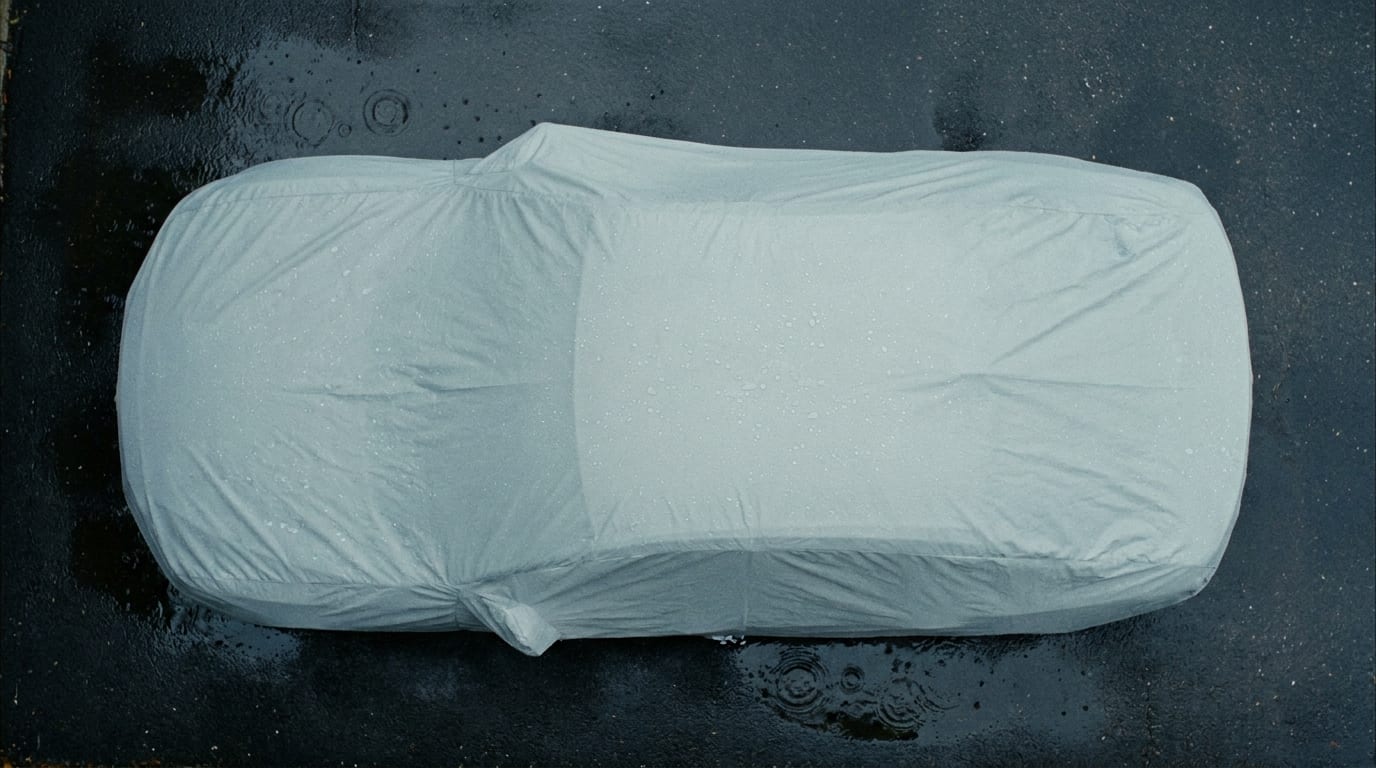
The CT5 is Cadillac's mid-size luxury sedan, built since 2019, and a lot of them don't live in garages. They live in apartment lots, condo carports, or straight-up street parking. If that's your situation, you already know the car spends more hours exposed than tucked away.
Skipping a cover doesn't save money. It just delays the cost. UV rays fade clear coat over time, tree sap etches into paint if it sits long enough, bird droppings are acidic, and road grime works into every seam. None of that helps when you go to trade the car in or sell it privately. An affordable car cover for a Cadillac CT5 isn't about finding the lowest price tag on the page. It's about protection-per-dollar, so you're not buying a replacement cover eighteen months from now because the first one shredded in the wind.
Before we get into actual price tiers, there's a quality floor you shouldn't go under, no matter how tight the budget. Let's cover that first.
The Minimum Quality Bar: What You Shouldn't Skip, Even on a Budget

Cheap doesn't have to mean flimsy. But some corners, if cut, turn your "deal" into a mistake.
Start with the fabric. It needs to be UV-resistant and breathable, not a sealed plastic tarp. A tarp traps condensation underneath it, and trapped moisture against clear coat is how you get mold and etching instead of protection. Breathable fabric lets the car "exhale."
Next, check the hem. An elastic hem or a cinch strap keeps the cover snug against the CT5's body lines. Without it, wind gets under the edges and the whole thing flaps around, and that flapping is a slow sandpaper job on your paint. Micro-scratches add up.
Look at the inside, too. A soft inner lining, or at minimum a non-abrasive inner face, is what keeps the cover from marking up the panels it's supposed to protect. Then there's water resistance: full waterproofing matters most if your CT5 lives outside in a rainy region, but basic water resistance should be standard even on a budget pick.
Last, check for a warranty, even a short one. It's a small thing, but it tells you whether the manufacturer actually trusts their material. Worth a glance at what a lifetime warranty on a car cover looks like in practice, just so you know what "good" looks like when you're comparing a cheaper option against it. And if you want the full rundown on fabric types instead of the short version here, the material comparison guide breaks it down properly.
Indoor vs. Outdoor Covers for the CT5: Which Fits Your Budget
This is the fork in the road that decides your price range before you even start comparing covers.
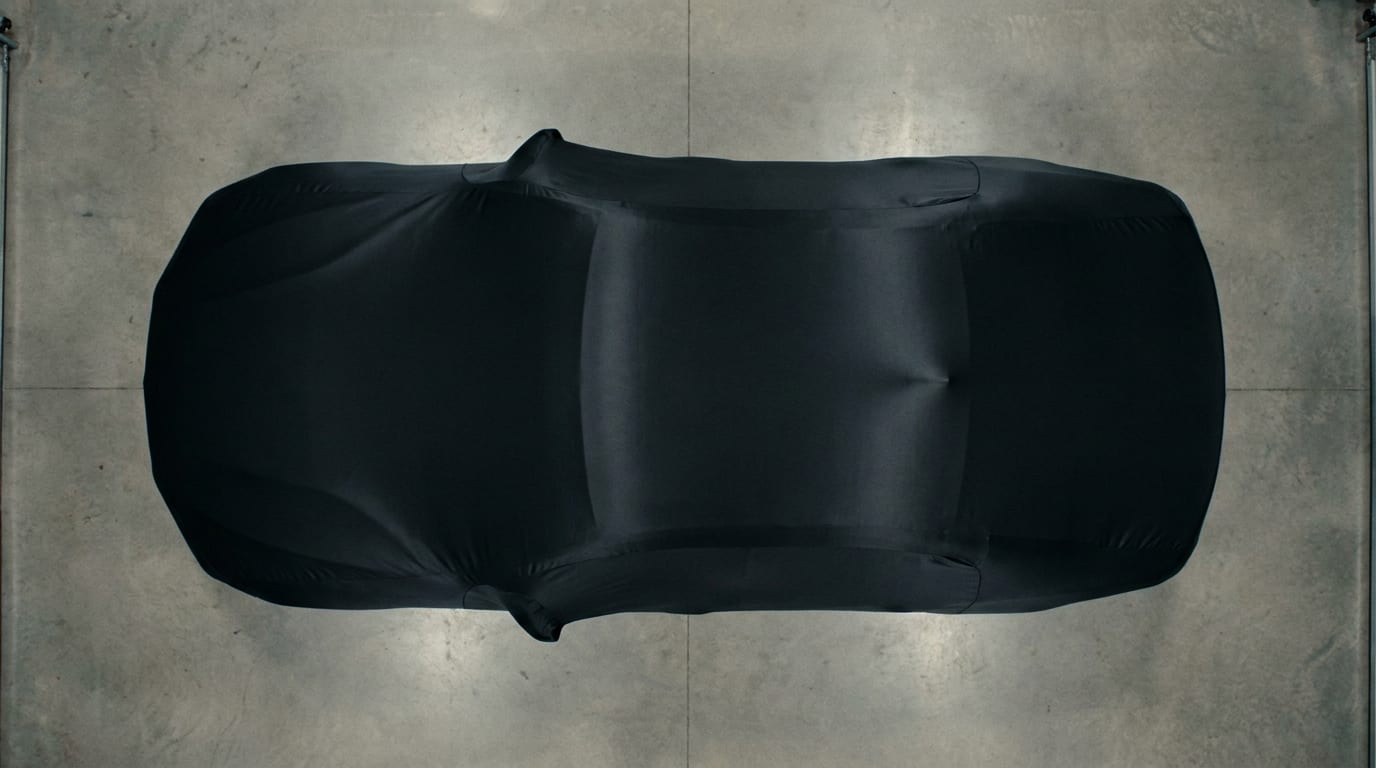
If your CT5 lives in a garage, you don't need much. A lightweight dust cover is usually the cheapest legitimate option on the market, and it's all you actually need indoors. No UV protection required, no waterproofing, just something to catch dust and the occasional stray scratch from a stored bike leaning the wrong way.
Parked outside changes the math. UV resistance and water resistance stop being nice-to-haves and become the whole point. Yes, it raises the price. But it's non-negotiable if you care about the paint long-term.
Here's a quick gut check: if the car sits outside more than two or three nights a week, shop the outdoor category, full stop. Don't buy an indoor cover because it's cheaper and hope for the best. For the specifics on what each category actually requires, the outdoor car cover guide and indoor car cover guide will match spec to your real situation, which is a better starting point than shopping by price alone.
Custom-Fit vs. Universal Covers: Cost vs. Protection Trade-offs
Universal covers win on sticker price. They lose almost everywhere else.
A loose, generic fit on a sedan profile like the CT5 means extra material flapping in the wind, extra friction against the paint, and a shorter lifespan overall. You're not saving money if you replace it in a year.
Semi-custom or model-specific sizing is usually only a modest step up in price, and the difference in performance is noticeable. Less flapping, less chafing at the mirrors and trim.
True custom-fit costs more upfront, no question. But stretched across two or three years, it's often the cheaper option, since it holds up instead of needing replacement every season. If you want to see what's actually built for this car, the custom-fit car cover guide and the Cadillac brand page will show you what's available before you commit to a price point.
What Drives the Price: Breaking Down Budget, Mid-Range, and Premium Tiers

Here's roughly how the market breaks down for a car like the CT5:
| Tier | Price range | What you get | Best for |
|---|---|---|---|
| Budget | $50 to $90 | Single-layer or basic dust cover, light UV protection | Garage-only cars |
| Mid-range | $90 to $150 | Multi-layer breathable fabric, elastic hem, water resistance | Most CT5 owners in mixed climates |
| Premium | $150+ | Fully waterproof, reinforced panels, extended warranty | Year-round harsh outdoor exposure |
For most CT5 owners, mid-range is the realistic answer. It's the tier that actually holds up to wind, rain, and sun without crossing into premium pricing you don't need. Budget-tier covers are fine if the car never sees weather, but if yours does and you buy budget anyway, you're gambling.
One more move worth making before you pay full mid-tier price: check the clearance collection for discounted overstock. It's a legitimate way to land a cover with premium-leaning features (extra layers, better seams) at something closer to a budget price point.
Where Not to Cut Corners: Tarps, Thin Vinyl, and Other False Savings
A generic tarp from the hardware store looks like the ultimate budget move. It isn't. Tarps trap moisture against the clear coat instead of letting it breathe, and they have zero contouring for a sedan body, so they shift and rub during wind. The scratches you're trying to avoid end up happening anyway. The full case for why is laid out in this breakdown of tarps versus car covers, worth a read if you're tempted to improvise.
Ultra-thin, unlined vinyl covers sold purely on price are the other classic regret purchase. They look like a deal on the listing page and fall apart by the second season, especially with any real sun exposure.
One more red flag: sellers with no return policy or no guarantee. If you're buying sight-unseen online, that's a real risk, not a minor inconvenience. Check what buyer protection should actually look like, even on a budget purchase, through the no-hassle guarantee and return policy pages. A legitimate seller stands behind the product regardless of price tier.
Getting the Fit Right: Measuring Your CT5 Before You Buy
Wrong sizing is the number one reason budget covers end up getting returned. It's an easy mistake and an avoidable one.
Before buying, measure overall length bumper to bumper, width at the mirrors (they stick out further than people expect), and the roofline height. Skip the guesswork of picking whatever's labeled "standard sedan" and actually use a sizing guide built for this. There's also a fit-finder tool that'll narrow things down fast if you'd rather not do the measuring math yourself.
Here's the thing about fit: even a well-made cover underperforms if it's the wrong size. Too loose and it flaps and chafes like a universal cover. Too tight and the seams stress and tear. The Cadillac brand page is a good starting point to see what's actually sized for the CT5 specifically, rather than sized for "sedans" broadly.
Final Take: Buying an Affordable Cover Without Buying a Problem
The core rule here is simple: affordable means the mid-tier sweet spot plus the non-negotiable quality bar, not whatever's cheapest on the page. A $60 cover that needs replacing every eight months isn't actually cheaper than a $120 one that lasts three years.
If you're ready to look, browse Cadillac-specific cover options sized for the CT5 rather than settling for a generic universal fit. And once you've bought one, how you treat it matters almost as much as what you bought, a budget cover cleaned and stored properly will outlast a premium one that's neglected. Worth bookmarking a cleaning guide for after the purchase.
Check for a warranty and a real return policy either way. That's what protects you on a $70 cover just as much as it protects you on a $200 one.