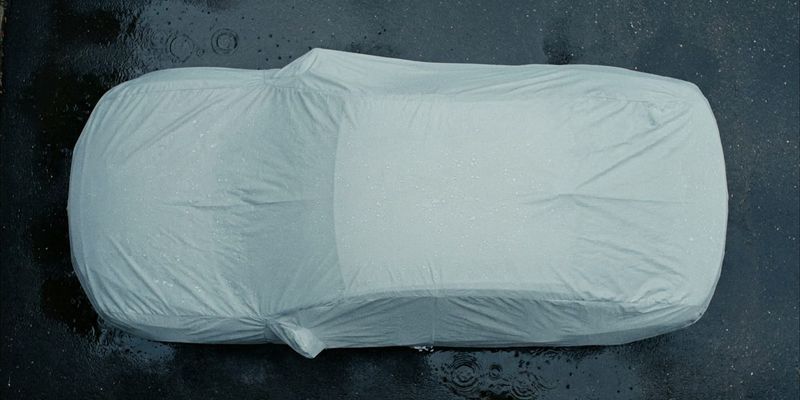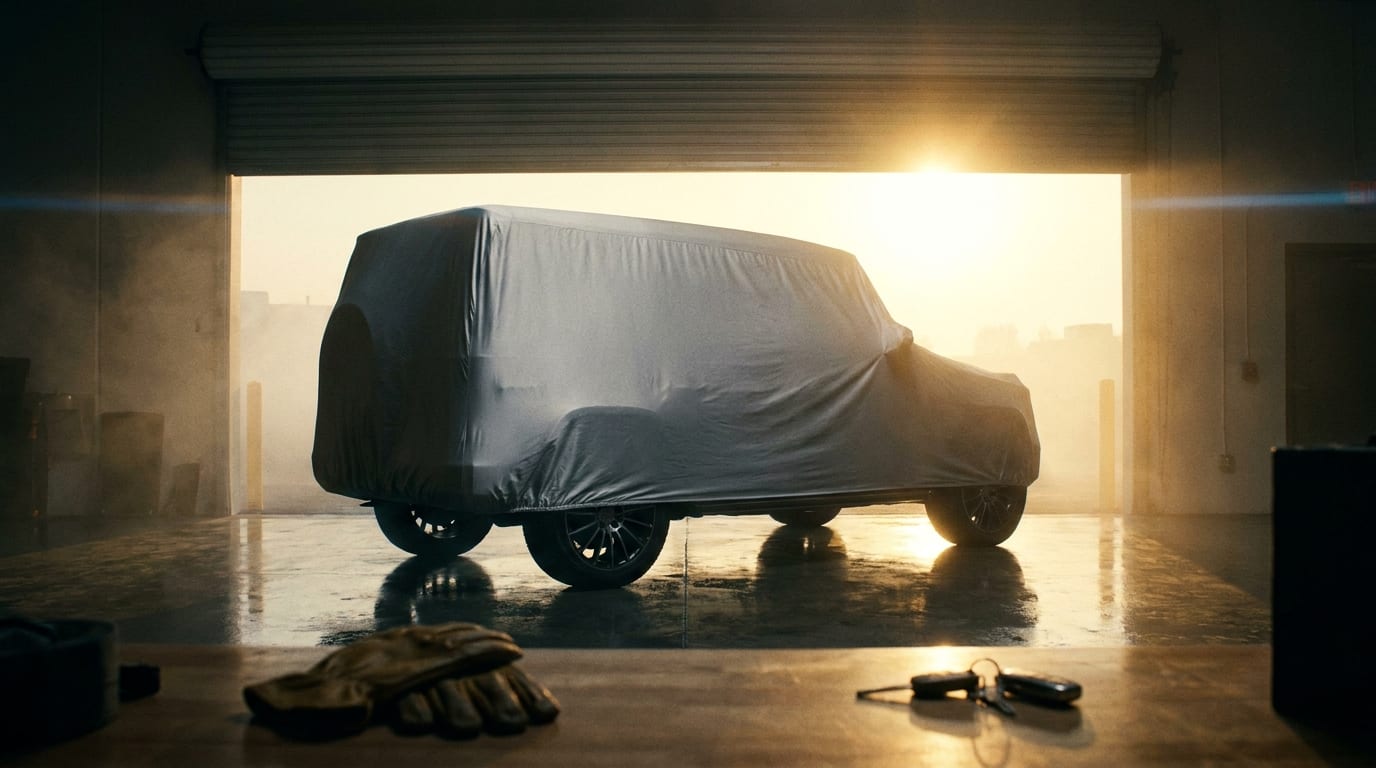
A Lincoln Navigator isn't a Civic. It's nearly 18 feet of SUV with a tall roofline, big mirrors, and a price tag that makes you want to protect the paint without spending like you're buying a second vehicle. That's the real challenge with finding an affordable car cover for Lincoln Navigator owners: most "budget" covers on the market are built for sedans and crossovers, not something this large. This guide walks through what actually matters at each price point, so you can save money without ending up with a cover that fails in six months.
Why a Full-Size SUV Like the Navigator Needs the Right Cover (Not Just a Cheap One)
Here's the problem with grabbing the cheapest option off a shelf: a generic "one-size-fits-most" cover rarely fits a Navigator the way it fits the photo on the box. The length and height create gaps at the mirrors, the hood, and the rear hatch, and those gaps are exactly where water pools and debris collects. A cover that doesn't sit snug just flaps in the wind until it finds a seam to tear.
Go too cheap and you're paying for a cover twice. Thin, single-layer fabric shreds in storms. Weak UV protection lets the sun bake your clear coat and crack your dash over a summer of driveway parking. No stitched-in strap system means the cover takes a walk the first time the wind picks up. None of that is really "affordable," it's just deferred cost.
So the goal here isn't finding the lowest sticker price. It's finding a genuinely affordable car cover for your Lincoln Navigator that still clears a minimum bar for protection, fit, and durability. Those two things aren't the same, and mixing them up is how people end up buying three covers in two years.
What Actually Drives the Price of a Lincoln Navigator Cover
A few variables separate a $40 cover from a $150 one, and it's worth knowing what you're actually paying for before you decide where to cut.
Universal or semi-custom covers cost less because they're cut from a handful of generic size templates. On a vehicle the Navigator's size, that generic cut means extra slack, which means flapping, which means water working its way in at the seams. A custom fit car cover costs more up front but follows the Navigator's actual body lines, so there's less fabric movement and fewer spots for water to pool.
Material layering matters just as much. Single-layer economy fabric is light and cheap, but it breaks down fast under UV exposure and doesn't do much against rain. Multi-layer woven fabric with UV and water-resistant coatings costs more to manufacture, and that cost shows up in the price tag, but it's also the difference between a cover that lasts one season and one that lasts several.
Then there's hardware. Grommets for cable locks, elastic hems, buckle straps: none of it is flashy, but all of it keeps the cover on the vehicle during a storm instead of balled up against your neighbor's fence. And finally, check whether a cover is rated for outdoor use or indoor only. Indoor-only fabric is cheaper, but if your Navigator spends any time parked outside, it won't hold up.
The Minimum Quality Bar: What Not to Skip Even on a Budget

Some features are genuinely optional on a budget cover. Others aren't, no matter how tight the budget is.
Water resistance is the first non-negotiable if your Navigator ever parks outside, even occasionally. Not full waterproofing, that's a different spec with different tradeoffs around breathability, but basic water resistance that sheds rain instead of soaking it in. Our waterproof car covers guide breaks down that distinction if you want the full picture before you buy.
UV-resistant fabric is the second. The Navigator's clear coat and dash plastic take a beating from sun exposure during long stretches of driveway or street storage, and a cover with no UV treatment barely slows that down.
Third: fit. This sounds obvious, but it's the one budget buyers skip most often. A cover that's technically cheap but doesn't actually fit your Navigator's trim and wheelbase isn't a deal, it's a return waiting to happen. Check our sizing guide before you check out.
Last, look for at least a basic limited warranty. A one-season cover with no warranty backing it is a bad trade even at a low price. For comparison, see what stronger coverage looks like on our lifetime warranty page, then use that as your benchmark when comparing cheaper options.
Budget Tiers: What You Get at Each Price Point
Breaking it down by tier makes the tradeoffs easier to see.
Entry tier: lightweight, universal-fit covers. These are fine for short-term indoor or garage storage where wind and UV exposure aren't factors. They're the lowest price point, but also the least durable, and I wouldn't recommend them for a Navigator that spends any real time outdoors.
Mid tier: semi-custom fit with woven, multi-layer fabric and an elastic hem. This is the sweet spot for most Navigator owners, honestly. You get a noticeably better fit than entry tier, real UV and water resistance, and a price that's still reasonable for a vehicle this size.
Value-custom tier: true custom-fit patterns at a moderate step up in price. If your Navigator is parked outside daily, this tier is worth the extra cost. A true custom fit reduces the friction points where fabric rubs against trim or mirrors, which is where most covers start to wear through first.
Beyond that, you hit diminishing returns fast. Heated-mirror pockets, antenna patches, and other premium add-ons raise the price without adding much practical protection for most owners. Great if you need that exact feature, unnecessary if you don't. If you're browsing options, the SUV covers category is a reasonable place to compare tiers side by side before committing to one.
Where to Save and Where Not to Cut Corners
Not every corner-cut is equal. Some save you money with no real downside. Others come back to bite you the first time it storms.
Fine to save on: cosmetic extras like custom logos or extra-soft indoor-only linings, especially if the Navigator is garage-kept most of the time. Those features look nice but don't affect protection.
Not fine to save on: the strap and grommet system if your Navigator parks outside in a wind-prone area. That's the hardware keeping the cover attached during the exact weather it's supposed to protect against. Also don't skimp on breathability. A cheap, non-breathable tarp-style cover traps moisture underneath, and that moisture turns into mold and mildew on your paint faster than sun exposure ever would.
Climate matters here too. Snow load is the bigger concern in northern states, which puts more weight on strap strength and fabric tear resistance. Sunbelt owners should weight UV resistance more heavily, since that's the feature doing the daily work. Our outdoor car covers guide goes deeper into weatherproofing by climate if you want to match features to your actual conditions instead of guessing.
Getting the Right Fit for Your Navigator Without Overpaying

Measuring before you buy is the single easiest way to avoid a wasted purchase. Get the overall length, the height at the tallest point (usually the roof rack, if yours has one), and note where the mirrors sit relative to the body. Skip this step and you risk ordering a cover that's close but not quite right, which means a return, a re-order, and lost time.
The fastest way to confirm fit is to use our CoverFinder tool, which matches covers to your exact year and trim instead of making you guess from a size chart. Worth noting: Navigator L (extended wheelbase) and standard-length Navigator models aren't interchangeable when it comes to cover fit, so double-check your exact model year and length before ordering.
If you want to browse Navigator-compatible options directly, the Lincoln brand page lists SUV cover choices across different price points, which is a good next stop once you've got your measurements in hand.
Making a Budget Cover Last Longer
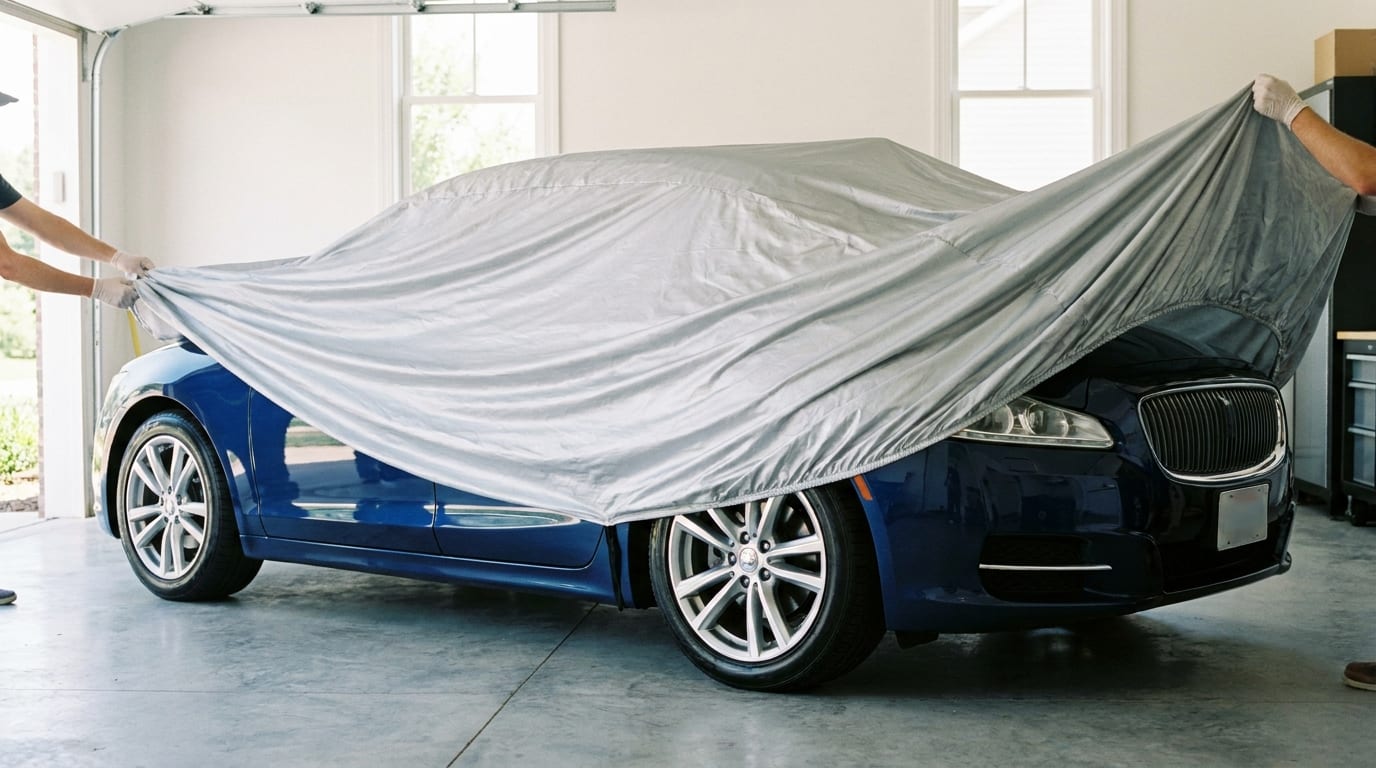
A budget cover isn't automatically a short-lived one. How you treat it matters almost as much as what you paid for it.
Fold and store it properly between uses instead of balling it up in the trunk. Creased, crushed fabric breaks down faster, and that's true even for premium covers. Clean it on a regular schedule too, since grit and road dust sitting against the fabric acts like sandpaper every time the cover shifts in the wind. Our cover cleaning guide walks through the process step by step if you're not sure where to start.
Strapping it down properly in high wind matters more than people think. A cover that's secured well survives gusts that would tear a loose one at the seams, regardless of price tier.
Here's the thing worth remembering: a well-maintained mid-tier cover will usually outlast a neglected premium one. Care is part of the affordability equation, not a separate issue from it.
Final Take: Choosing an Affordable Navigator Cover You Won't Have to Replace Twice
The minimum bar doesn't change no matter your budget: water resistance, UV protection, a proper fit for your Navigator's actual dimensions, and at least a basic warranty behind it. Clear that bar and you've got a cover worth the money, even at the lower end of the price range.
If you're still narrowing down options, take a few minutes to match your Navigator's exact year and trim before you buy. It saves you from guessing and from paying for a return later.
And if you've subscribed to our newsletter or follow along for more car care guides, keep an eye out, we cover this kind of practical buying advice regularly for owners trying to protect a big investment without overspending on it.