


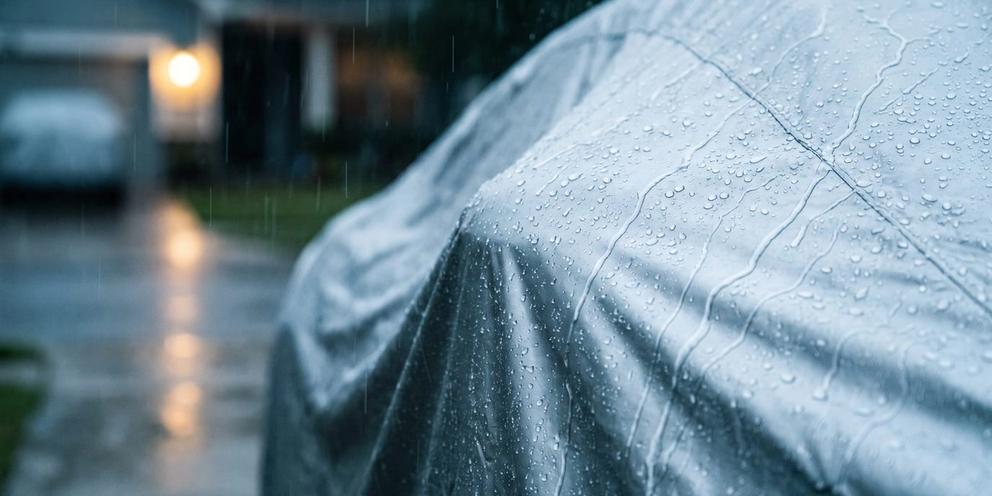
Are Car Covers Worth It? What You Actually Get for the Cost
Short answer: yes, for most drivers. A quality car cover runs somewhere between $60 and $250 depending on vehicle size and material, while a single repaint job to fix UV fading and oxidation can run into the thousands. Sap etching, bird dropping stains, and hail dings all cost real money to fix, and a cover priced against those repair bills usually pays for itself within a season or two of outdoor parking.
The exception is vehicles that live in a garage and rarely see weather. For those, the math is different and the payoff is smaller, something we'll get into further down. For everyone else, the rest of this article walks through the actual cost-versus-protection numbers, broken down by where you park and what kind of cover you're looking at, so you can decide whether are car covers worth it for your specific setup rather than just taking our word for it.
What Does a Car Cover Actually Protect Against?
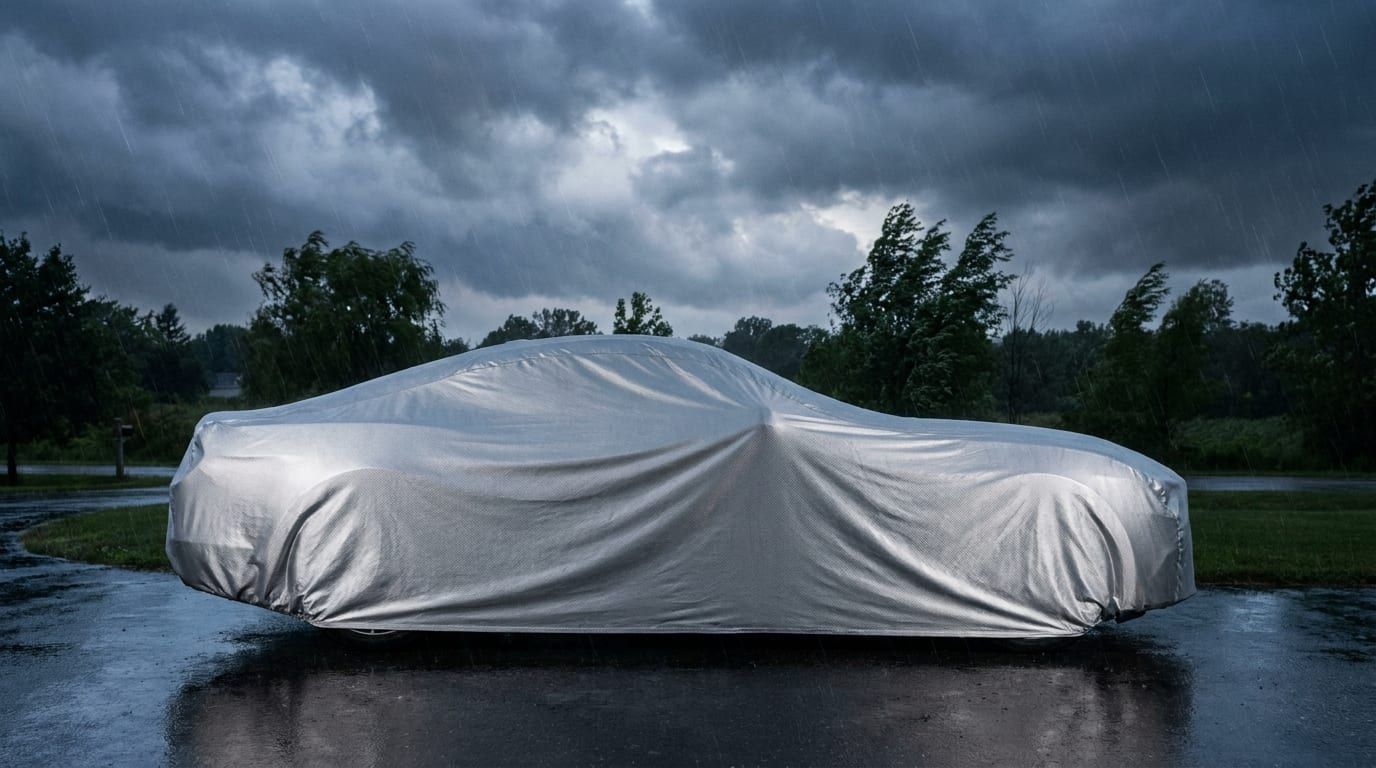
A cover isn't a single-purpose product. It's doing five or six jobs at once, most of which you don't notice until the damage is already done.
UV rays fade paint and break down clear coat over time, leaving that chalky, dull look on hoods and roofs. Tree sap and bird droppings are worse than people realize, both are acidic enough to etch into clear coat if they sit for more than a day or two in the sun. Add in dust and pollen buildup that scratches paint every time wind blows grit across the surface, light hail and falling branches that dent sheet metal, and moisture that creeps into seams and starts rust on exposed metal parts. A cover blocks all of it.
Here's the thing about this kind of damage: it's slow. Nobody wakes up one day to a ruined paint job. It happens a little at a time, sun exposure by sun exposure, sap drip by sap drip, until you take the car in for a detail or a trade-in appraisal and get a number you didn't expect. That's usually the moment people start asking whether are car covers worth it, right after they've already paid for the damage a cover would've prevented. If hail is a real risk where you live, it's worth looking specifically at hail car covers built with extra padding for that.
One caveat worth stating plainly: a cover doesn't replace a garage or a carport. It's not a substitute for covered parking, it's what fills the gap for the hours and days your vehicle sits outside anyway. Regular car care habits, washing, waxing, checking for early paint damage, still matter alongside it.
How Does the Cost of a Cover Compare to the Cost of Damage?
Line up the numbers and it's not close. A cover is usually a one-time purchase, or maybe a once-every-few-years replacement if you're using it hard. A repaint isn't. Neither is the detailing bill to strip sap stains and oxidation off a neglected finish, or the interior work to fix sun-cracked dashboards and faded upholstery.
Resale value is the part people forget to factor in. A car with even paint and a clean interior appraises better than one with visible sun damage, pitting, or that dull, hazy clear coat you see on cars that have baked in driveways for years. Buyers notice that stuff immediately, and it shows up as a lower offer whether it's a private sale or a trade-in.
Cost does scale with what you're covering, though. A cover for a compact sedan is going to run cheaper than one sized for a full-size truck or SUV, and material tier matters too, a basic universal cover costs less than a heavier-duty, multi-layer one. But the value ratio holds across sizes: even the priciest cover for a big truck is still a fraction of what a full repaint or interior restoration costs. It's worth reading up on what actually makes a good cover material before you buy, since not every fabric handles sun and moisture the same way, and some people wonder if a cheap tarp does the same job, it doesn't, and here's why a tarp isn't a real substitute for a car cover.
Are Car Covers Worth It for Vehicles Kept in a Garage?
Garage-kept cars aren't fully off the hook. Dust settles indoors too, and it's abrasive enough to leave fine scratches if you brush against the car or wipe it down dry. Add in the odd bike leaning against a fender, a rodent looking for somewhere warm to nest, or a cat deciding your hood is a good place to nap, and an indoor cover earns its keep even without a drop of rain involved.
The upside is that indoor car covers are lighter, softer, and cheaper than outdoor-rated ones, since they don't need waterproofing or UV-blocking layers. That shifts the cost-value math in your favor. You're paying less for a product that's still solving a real, if smaller, problem. Our guide to using a cover indoors covers fit and material choices for that setup specifically.
Rule of thumb: if it's a daily driver that's rarely sitting still long enough to collect dust, the case weakens, you'll spend more time putting the cover on and taking it off than it spends doing its job. If it's a classic, a weekend car, or anything parked for weeks at a stretch, the case gets a lot stronger.
Are Car Covers Worth It for Cars Parked Outdoors or in Storage?
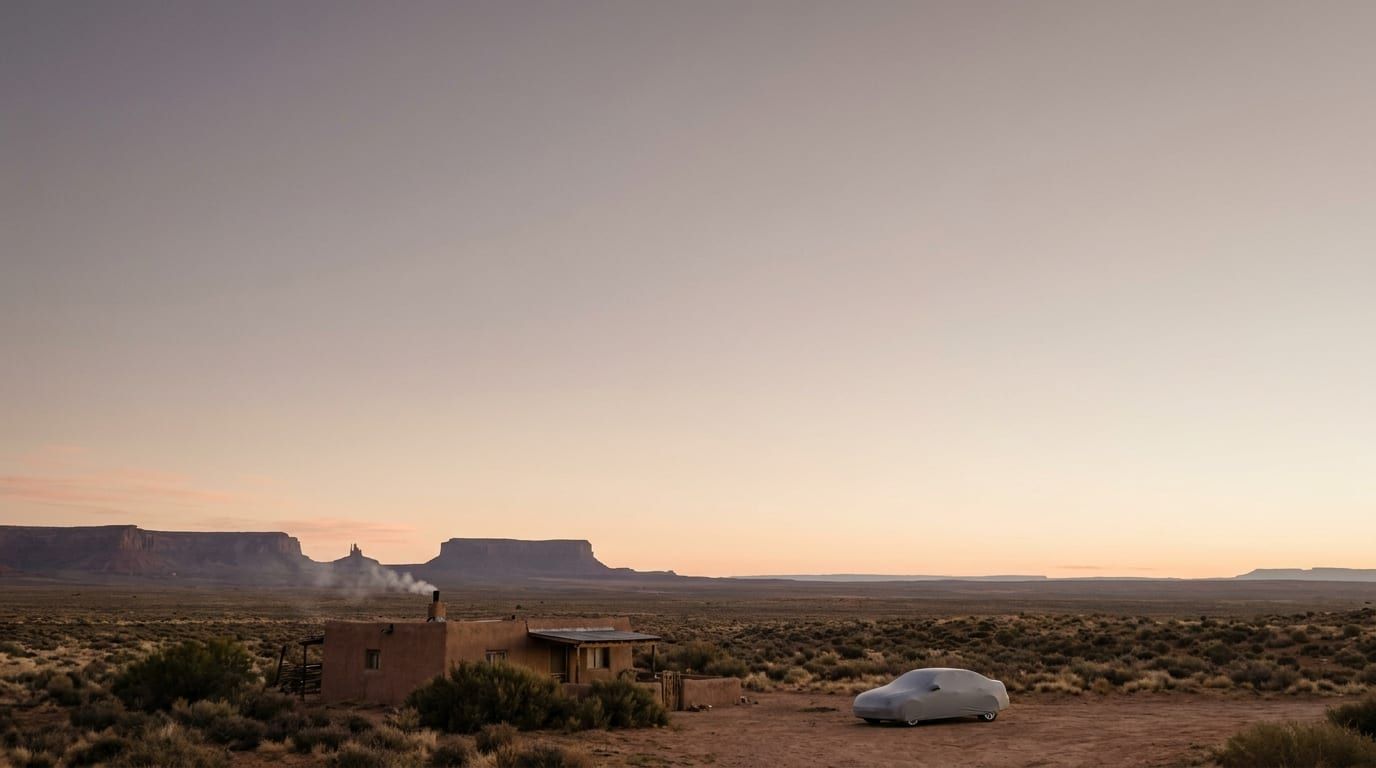
This is where the math tips hardest in the cover's favor. Full sun, rain, snow, pollen, and airborne debris hit an uncovered car every single day it's parked outside, and that's the exposure that accelerates paint fading, clear coat breakdown, and rust fastest.
Outdoor covers cost more than indoor ones because they're built for it, waterproof or water-resistant layers, UV-blocking treatments, and wind straps or grommets that keep the cover anchored in a storm instead of flapping against the paint and creating micro-scratches. That last part matters more than people expect. A loose cover in high wind can actually cause the kind of light scuffing it's supposed to prevent, which is why fit and anchoring points aren't optional extras, they're the whole point. Our guide to outdoor cover use goes into strap installation and material choices in more depth, and if you're in a wet climate, start with a genuinely waterproof cover rather than a water-resistant one.
Long-term storage is its own case. A seasonal car, an RV, a second vehicle that only comes out a few times a year, these are assets nobody's checking on daily. A cover is protecting something that would otherwise sit exposed and unmonitored for months, which is arguably where the return on a cover is highest of all.
Which Cover Type Gives the Best Return on Investment?

Universal covers cost less upfront, but they're a compromise. Loose fit means more flapping in wind, more friction against the paint, and gaps where water and dust sneak in. A custom-fit cover costs more to start, but the tighter fit cuts down on wind damage and seals up better at the seams, and that difference compounds over years of use rather than showing up all at once.
Features add to the price for a reason. Reinforced grommets hold up to repeated strapping down. Cable and lock attachment points deter theft, worth considering if you're in a higher-theft area or storing something valuable. A soft fleece liner protects paint from the inside of the cover itself. None of that is filler, it's what separates a cover that lasts five years from one that's falling apart after one winter, and it's part of why checking a cover's warranty terms is worth doing before you buy, not after something rips.
If you're only using a cover for a few months, or it's a short-term situation, a cheaper universal option is fine. You don't need the top-tier fit and features for a temporary job. But for a car you're keeping long-term, the custom-fit route earns back its higher price through less flapping, better sealing, and fewer replacements.
How Do I Know If a Car Cover Is Worth It for My Specific Situation?
Run through four questions honestly:
Exposure
- Is the car in a garage, on a driveway, or with zero cover at all right now?
Vehicle value
- What would a repaint, detail, or interior repair actually cost you, and how does that compare to a cover's price?
Time parked
- Does it sit for days or weeks between drives, or is it moving every day?
Climate
- Are you dealing with intense sun, heavy rain, snow, or hail regularly?
The more of those that point toward "high," the more the answer shifts from "nice to have" to "obviously worth it." A daily-driven, garage-kept commuter in a mild climate doesn't need much convincing either way. A truck sitting in a driveway through hail season, sun, and winter slush is a different story entirely.
If you want to see what fits your specific vehicle and what it'll actually cost, the CoverFinder tool is a fast way to check options and pricing before you decide either way. And if you're still working through car care questions beyond covers, our articles section has more on keeping a vehicle in shape long-term.
Updated