


Best Indoor Car Cover for Ford Mustang: Soft Lining & Dust Protection for Garage Storage
A garage door closing doesn't mean the air inside goes still. Dust settles, pollen drifts in from every time the door opens, and a bare Mustang sitting under that dust layer for weeks is asking for swirl marks the first time someone wipes it down. That's exactly why an indoor car cover for Ford Mustang owners is worth the investment even if the car never sees rain. This guide walks through what actually protects the paint indoors, and how to pick a cover that fits your specific generation instead of settling for something generic.
Why a Garage-Kept Mustang Still Needs a Dedicated Indoor Cover
There's a common assumption that once a car is inside a closed garage, it's basically safe. It's not. Dust, pollen, and fine airborne grit settle on every horizontal surface in a garage every single night, cover or no cover. A Mustang parked bare just collects it directly on the clearcoat.
Here's the part people get wrong next: they grab whatever cover is in the trunk, usually an outdoor-rated one, and toss it over the car indoors. Outdoor covers are built heavier, with less napped interior lining, because they're fighting rain and UV. Indoors, that same heavier fabric rubbing against the paint during wind gusts from a garage door opening, or just from someone bumping past it, can create fine micro-scratching over time. Swirl marks from a cover are a real, avoidable problem.
If you're already sold on keeping your car covered indoors and just need help choosing the right one, that's what this guide is for. It applies whether you're covering an S550-generation GT, a GT350, a Mach 1, or a classic Fastback. If you're not sure what separates a GT from a base model on your specific Mustang, this breakdown of what GT means on a Mustang is worth a read before you start shopping. And for browsing what's actually compatible with your car, the Ford vehicle cover lineup is the place to start.
What Makes an Indoor Cover Different From an Outdoor Cover
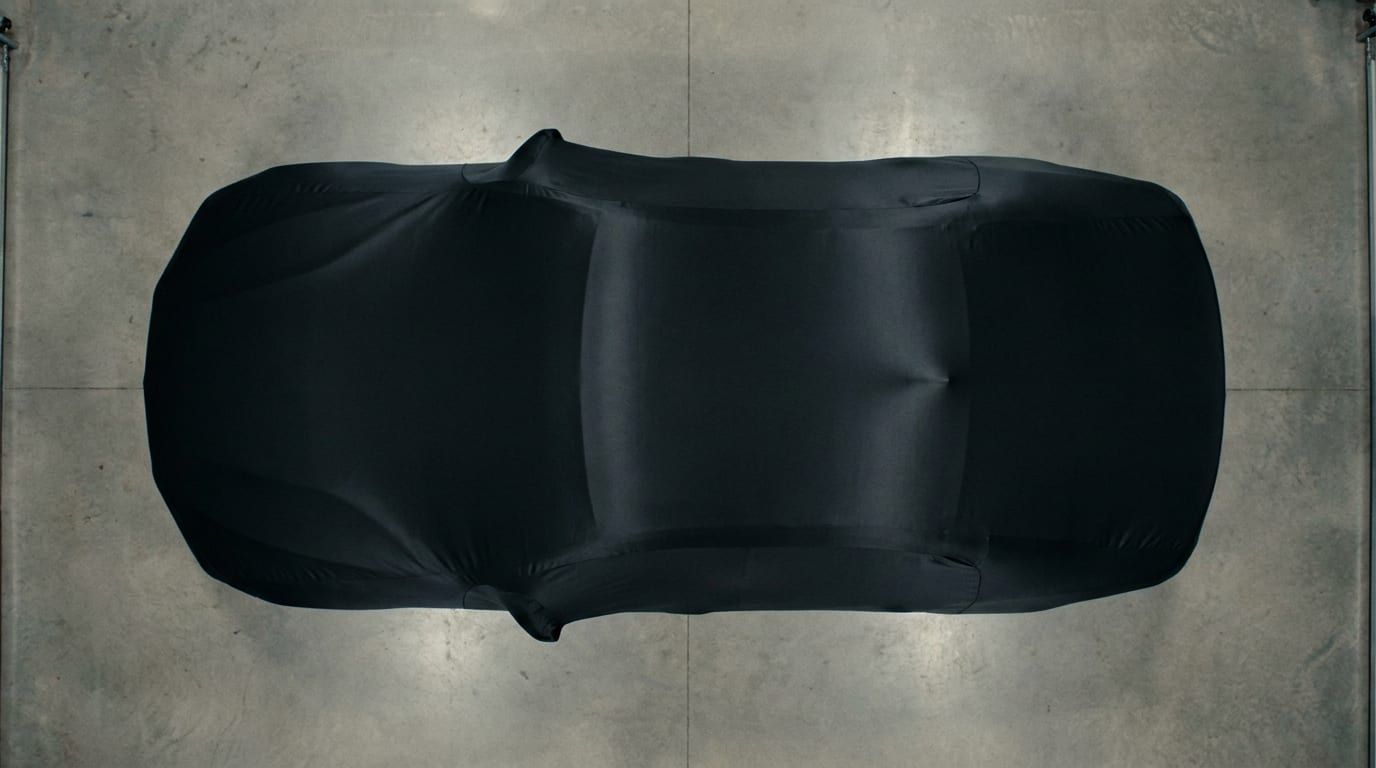
Indoor and outdoor covers solve different problems, and the fabric reflects it. Outdoor covers layer on waterproofing and UV-blocking treatments because they're built to survive weather. Indoor covers skip most of that. They're lighter, more breathable, and built around a soft interior lining instead of a tough exterior shell.
That trade-off makes sense once you think about what a garaged car actually faces. Rain isn't the threat. Trapped moisture is. A heavy waterproof cover indoors can actually hold condensation against the paint, especially in a garage with any humidity swings between seasons. A breathable indoor cover lets that moisture escape instead of sitting on the surface overnight.
The soft lining does the real work here. A napped or fleece-style interior means the fabric touching your Mustang's paint isn't rough. When you pull the cover on or off, or when it shifts slightly from foot traffic or a fan, that lining glides instead of grinding. For anyone storing a Mustang through winter or driving it only on weekends, that breathability also matters over the long stretches between uses. It's the difference between pulling off a cover to find dry paint and pulling one off to find a hazy film of condensation. If you want the fuller picture on why indoor covers are built this way, this guide to using car covers indoors covers the reasoning in more depth, and the indoor car cover category is a good place to see the range of options built around this exact problem.
Dust and Scratch Protection: What Actually Matters for a Garage-Kept Mustang

Dust in a garage isn't static. Every time the garage door opens, it stirs up a small cloud. HVAC vents kick it around. Even walking past a shelf of stored gear disturbs particles that eventually settle on the highest, most exposed surface in the room, which is usually the car.
A soft inner lining handles this by trapping dust against the fabric rather than pressing it into the clearcoat. Think of it like the difference between wiping a counter with a dry paper towel versus a microfiber cloth. One grinds the grit around, the other holds onto it. A napped lining does the same job passively, just by sitting there.
Stitching matters more than people expect, too. Cheap seams near body-specific styling cues, the GT wing on a performance trim, the side scoops on a Mach 1, can create a rough edge that rubs against a curve every time the cover settles. It's a small thing until it's not, six months of daily micro-contact in the same spot.
And don't assume indoors means zero movement. Garage doors opening, ceiling fans, even a draft from an adjoining door can shift a loose cover just enough to drag across a panel. A cover cut close to your Mustang's actual dimensions, rather than a generic loose-fit universal cover, has far less material to catch a breeze and shift.
Getting the Right Fit for Your Mustang Generation

This is where a lot of otherwise decent covers fail. A universal or semi-custom cover, cut to fit "most cars," tends to bunch up around the Mustang's long hood and pool loosely at the fastback roofline. All that extra fabric is just more surface area looking for something to rub against.
Before buying anything, confirm your exact model year and body style. Coupe and convertible Mustangs have different roofline needs, and GT trims often carry different mirror pockets or antenna cutouts than a base model. A cover built for the wrong body style will either strain at the seams or hang loose in places it shouldn't. If you've never measured a car for a cover before, this sizing guide walks through it step by step, and it's worth five minutes before you order anything.
For Mustang owners who want the tightest possible fit, a custom-fit cover built to your generation's exact panel lines is the more reliable route. A properly fitted cover doesn't just look better sitting on the car, it does its actual job better, too: the lining sits close and even against every panel instead of loose and shifting, which is where most of the soft-lining benefit actually comes from.
Comparing Indoor Cover Materials for Dust and Softness
Not all indoor covers are built the same, even within the "indoor" category. A few dimensions are worth weighing against each other before you buy.
| Dimension | What to look for | Why it matters for a Mustang |
| Lining softness | Satin or fleece-style lining vs. thin poly-knit | Satin and fleece linings glide against clearcoat with less friction during on/off use |
| Breathability | Woven fabric that allows airflow | Prevents condensation buildup during multi-week or seasonal storage |
| Dust resistance | Tighter weave fabric | Blocks fine dust from working through to the paint; loose weaves let particles pass |
| Best-use case | Lightweight cover for daily on/off vs. heavier satin for long-term storage | Daily drivers need something quick to handle; collector Mustangs benefit more from maximum softness |
| Price tier | Entry-level poly-knit vs. premium satin | Higher price generally buys a softer lining and tighter weave, not extra waterproofing |
If your Mustang is a weekend driver you're covering and uncovering several times a week, prioritize something easy to handle without sacrificing lining quality. If it's a GT350 or Mach 1 that mostly sits, a heavier satin option is worth the extra cost since softness matters more than convenience. The indoor black satin cover is a good example of what that premium tier actually looks like in terms of build. Covers in that price bracket are also more likely to carry a lifetime warranty, which is worth factoring into the cost comparison since it changes the real long-term price.
Installing and Caring for Your Cover to Keep the Lining Effective
A cover that's collecting its own layer of dust is working against you. Shake it out before each use, and launder it periodically according to the care instructions, otherwise you're just pressing accumulated grit back onto the paint every time you put it on.
Technique matters as much as the cover itself. Lift the cover into place and set it down gently instead of dragging it across the hood or roof. Sliding fabric, even soft fabric, across a dusty panel is how scratches happen in the first place. This installation guide breaks down the lift-and-place method in more detail if you want a walkthrough.
When the cover's off the car, don't just toss it on the garage floor. Fold it and store it somewhere clean and dry. A cover that's been sitting in a dusty corner just transfers that dust straight back onto your Mustang the next time you use it. For the actual cleaning process, from spot-treating to a full wash, this cover care guide has the specifics.
Choosing and Buying the Right Indoor Mustang Cover
Boil it down and the checklist is short: confirm your Mustang's generation and trim, pick a cover that prioritizes soft lining and breathability over waterproofing you don't need indoors, and make sure the fit is true to your body style rather than a generic universal cut.
An indoor-specific cover is simply the right tool for a garage-kept Mustang. A multi-purpose outdoor cover might handle rain fine, but it's overbuilt and under-softened for a car that never leaves a dry garage.
If you've made it this far, you're probably ready to compare a few options side by side. Take a look at real owner feedback in the reviews section before deciding, and browse what's in stock for your generation. A few minutes now saves you from swirl marks later.
Updated