


Best Outdoor Car Cover for a Subaru Outback: Waterproofing + UV Protection Buying Guide
Why Your Subaru Outback Needs a Real Outdoor Cover
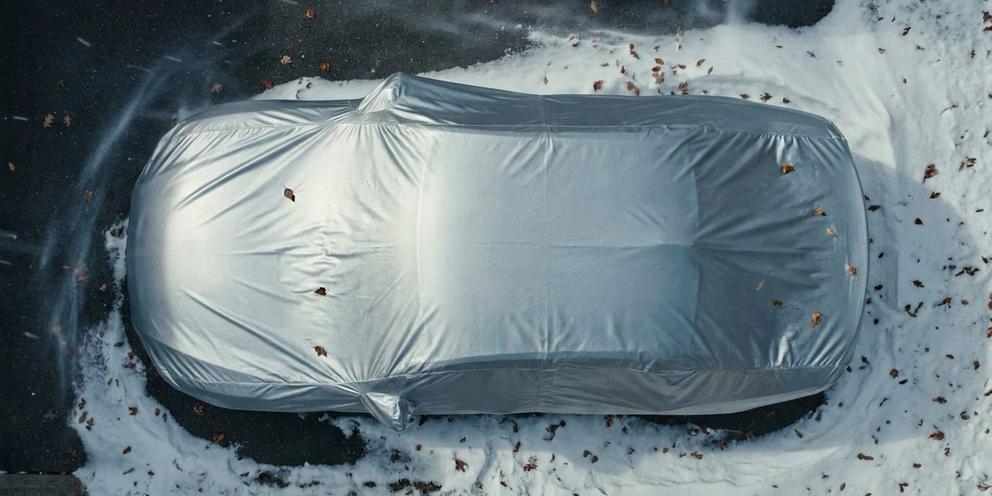
Outback owners don't exactly baby their cars in a climate-controlled garage. More often, it's a long gravel driveway, a trailhead parking lot, a ski resort lot at 6 AM, or a cabin with no garage at all. That's the whole point of the car. But it also means your Outback probably sees more sun, rain, and wind than the average commuter sedan parked in a suburban garage five nights a week.
That's exactly why a basic indoor dust cover won't cut it. Those thin, breathable fabrics are built to keep garage dust and the occasional scratch off a car that's already protected from weather. Stick one outside through a rainstorm or a few weeks of direct sun, and it'll soak through, sag, or start breaking down faster than you'd expect. If you're looking for an outdoor car cover for Subaru Outback use, you need something actually rated for the outdoors, not something borrowed from the indoor aisle.
Two things matter most here: waterproofing and UV resistance. The Outback's roof rails, liftgate seams, and wheel wells create spots where water likes to collect if the cover isn't built right. And with all that glass and an exposed hood and roofline, UV exposure adds up fast over months of outdoor parking. This guide walks through what to check on both fronts, plus fit and tier options, so you're choosing based on specs instead of just picking whatever's cheapest on page one.
Waterproofing: What to Actually Check Before You Buy
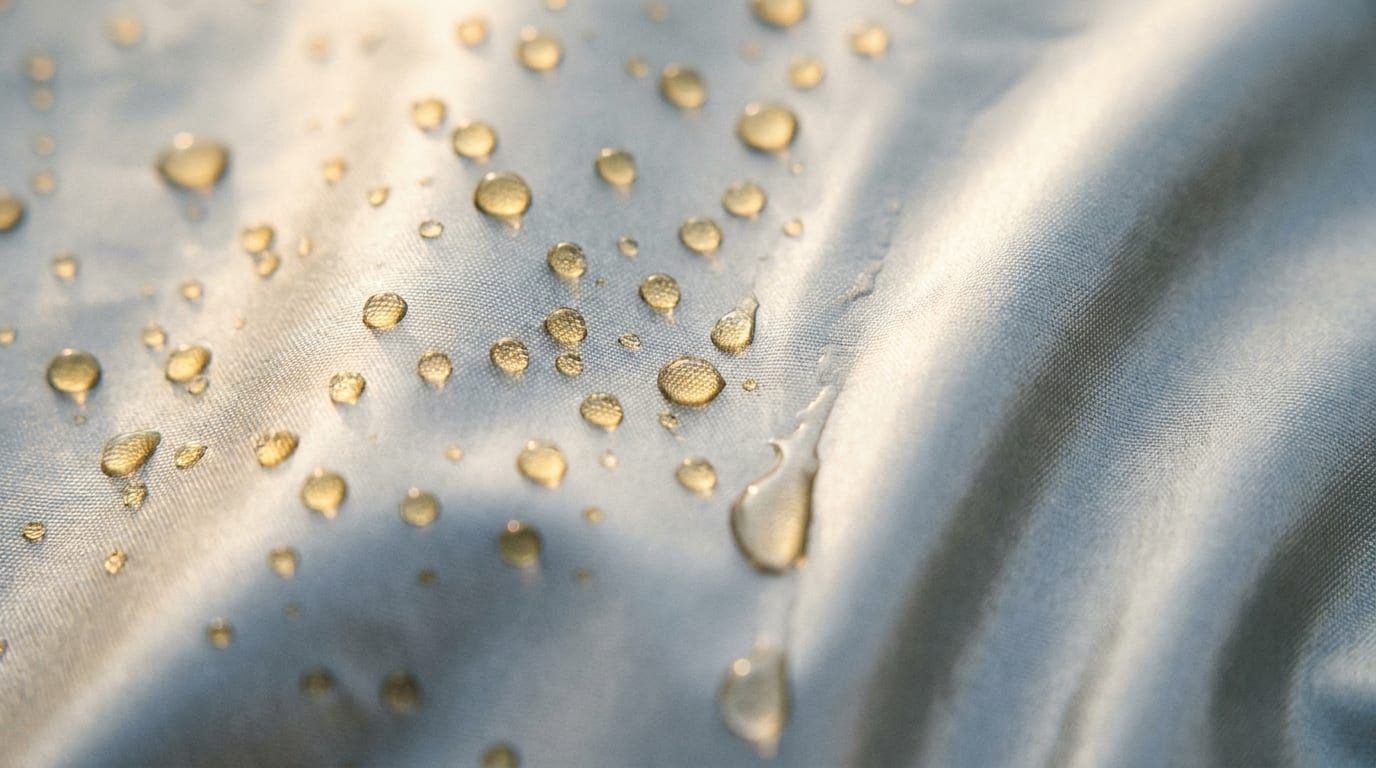
"Water-resistant" and "waterproof" get used almost interchangeably in cover listings, and they shouldn't be. Water-resistant fabric slows water down. Waterproof fabric is treated or woven to keep it out entirely, at least for as long as the coating holds up. The fabric itself is only half the story, though. Seam construction matters just as much. A cover with taped or heat-sealed seams keeps water from creeping through the stitch holes. A straight-stitched seam, even on a technically waterproof fabric, gives water a direct path in.
Here's something people miss: a waterproof cover still needs to breathe. If it traps moisture against the paint instead of letting it evaporate, you end up with condensation pooling under the cover, which is arguably worse than just getting rained on. Good outdoor covers balance both, keeping rain out while letting trapped vapor escape.
On an Outback specifically, water tends to find the same few weak points: around the roof rail cutouts, along the rear liftgate hinge area, and down at the wheel arches if the cover isn't contoured to the body. A cover cut for a generic wagon shape instead of the Outback's actual lines will leave gaps right where water wants to pool.
If you're shopping online and can't touch the fabric, look for a water-beading demo in product photos or reviews. Water should sit in beads and roll off, not soak in and darken the fabric. That single visual tells you more about real-world performance than most spec sheets. For a deeper breakdown of fabric grades and sealing methods, CarCovers' waterproof car cover guide is worth reading before you commit.
UV Protection: Stopping Sun Damage on Paint and Interior
Sun damage is slow and easy to ignore, until your clear coat starts chalking and your dash has a crack running across it. UV rays break down clear coat over time, and that same UV load passes right through glass to bake your seats and dashboard. A cover with a real UV-blocking outer layer stops that cycle before it starts, and it noticeably cuts down interior heat buildup too, since the cabin isn't acting like a greenhouse under direct sun all day.
Not all "UV protected" fabric is equal. A proper UV-stabilized fabric or coating is formulated to resist breakdown from repeated sun exposure, cycle after cycle, without going brittle or losing its block. Untreated fabric might handle a few weeks fine, then start degrading once it's logged real hours in direct sun.
This matters more for some Outbacks than others. A car that gets parked outside daily, whether that's a commuter spot with no shade or a trailhead lot every weekend, racks up cumulative UV exposure a lot faster than a car that only sees outdoor parking occasionally. If your Outback lives outside, UV treatment isn't a nice-to-have spec. It's the one that protects your paint job.
Color plays a secondary role too. Lighter-colored outer shells reflect more heat than dark ones, which can mean a cooler cabin and less thermal stress on the fabric itself over a long, hot summer.
Custom-Fit vs. Universal Covers for the Outback's Shape
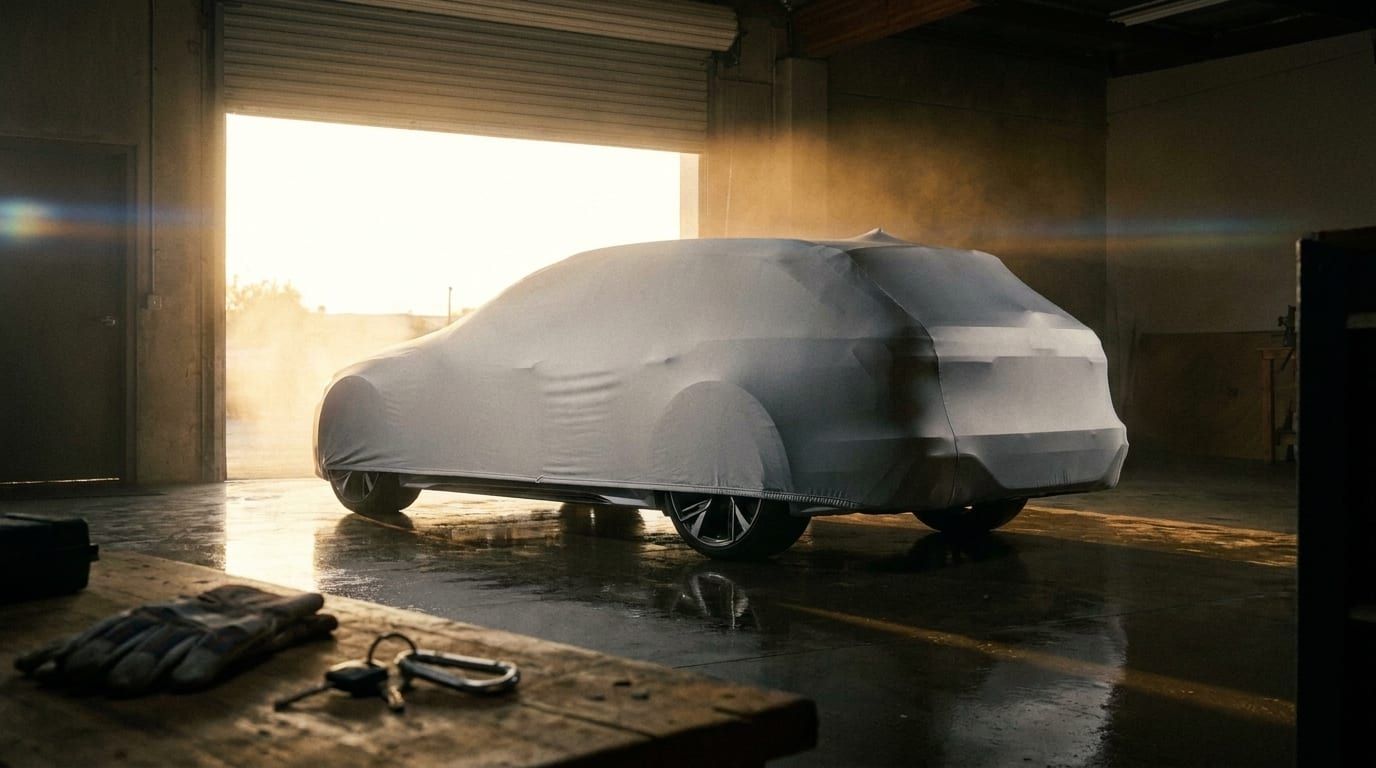
The Outback isn't shaped like a sedan, and it shows the moment you try to stretch a generic cover over it. Raised roof rails, a long rear hatch, and more ground clearance than a typical car all mean a universal cover is going to fit loosely in places it shouldn't. Custom-fit and semi-custom covers are cut to match that wagon/crossover profile instead of approximating it.
The downside of an ill-fitting universal cover isn't just cosmetic. Loose fabric flaps in wind, and that flapping does two things: it works water under the edges during rain, and it grinds the fabric against itself and the paint at contact points, wearing down coatings faster than normal use would. A cover that's supposed to protect your Outback can end up causing its own kind of wear if it doesn't fit right.
Before buying, confirm three things: that the cover is rated for your Outback's model year range (body style has changed across generations), that it's built to accommodate roof rails rather than just draping over them, and that it has antenna and mirror pockets if your trim has them. Skipping this check is how people end up with a cover that looks right in photos but bunches up around the mirrors in real life.
CarCovers has Subaru-specific cover options built around this kind of fit, and if you're unsure what size or fit category your Outback falls into, the guide to matching cover size to your vehicle walks through it. For more on the custom vs. universal distinction generally, see the custom-fit car cover guide.
Comparing Outdoor Cover Options: What You Get at Each Level
Outdoor covers aren't one-size-fits-all in quality, either. They tend to fall into three rough tiers.
| Tier | Waterproofing | UV Protection | Best For |
| Basic outdoor | Water-resistant, light multi-layer | Modest UV treatment | Mild climates, occasional outdoor parking |
| Mid-tier outdoor | Taped seams, reinforced multi-layer | Stronger UV-blocking treatment | Daily outdoor parking, mixed weather |
| Premium/all-weather | Heaviest-duty sealed waterproofing | Maximum UV treatment | Year-round outdoor storage, harsh climates (snow, intense sun, coastal humidity) |
A basic outdoor-rated cover works fine if your Outback only sits outside occasionally and your climate doesn't throw much at it. Mid-tier covers are built for the more common case: an Outback that's outside most days, dealing with rain, sun, and wind in rotation. Premium covers are for the harder scenarios, think snow country, intense high-altitude sun, or coastal humidity that never really lets up.
The decision rule is simple: don't buy based on price alone. Count how many days a month your Outback actually sits outside, and be honest about your local climate's worst month, not its average one. A cover that's "good enough" for 10 days a month of outdoor parking in a mild climate is underbuilt for a car that lives outside year-round in the snow belt.
Installing and Maintaining Your Cover to Keep Waterproofing and UV Protection Working
Even the best waterproof, UV-treated cover underperforms if it's installed wrong. The cover needs to seat fully over the roof rails and tuck down around the rear hatch without gaps. A gap at the liftgate is basically an invitation for water to get in exactly where the Outback is already prone to pooling. The installation guide covers the step-by-step for getting this right the first time.
Wind straps matter more than people think for outdoor use specifically. Without them, wind gets under the edges and the whole cover flaps, and that constant motion wears down the waterproof coating and UV treatment faster than sun or rain alone would. A gust strap setup keeps the cover anchored and stops that slow abrasion before it starts.
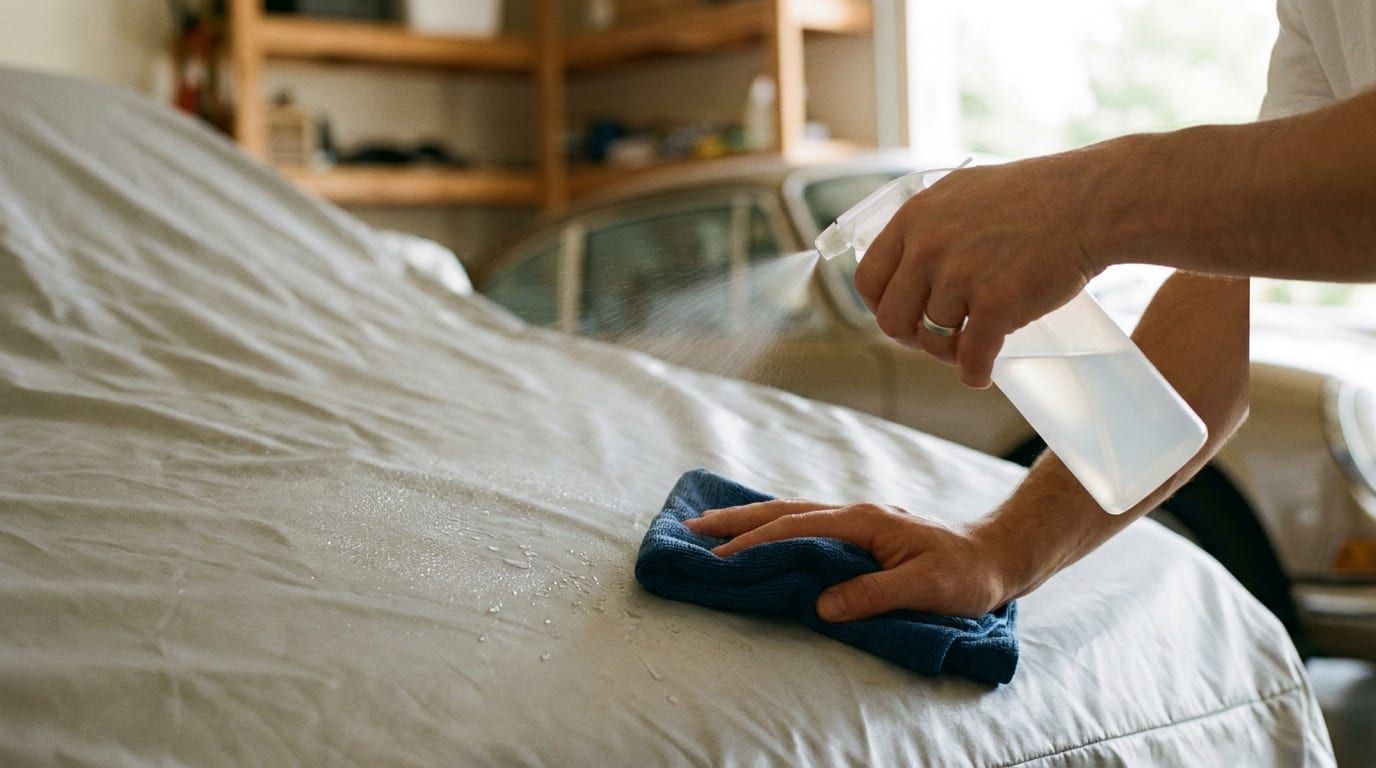
Cleaning matters too, and it's easy to skip. Dirt and grit sitting on the fabric act like sandpaper every time the cover shifts or you fold it up, which abrades the very coatings you're paying for. A regular cleaning cadence, using the right cleaning method for the fabric, keeps both the waterproofing and UV layer intact longer.
Last gut check before buying: look at what's backing the cover. A lifetime warranty or a no-hassle guarantee tells you the company expects the product to hold up, not just survive the return window.
Final Pick: Choosing the Right Outdoor Cover for Your Outback
Two things decide whether an outdoor car cover for Subaru Outback actually works: sealed or taped waterproofing, and a genuine UV-treated outer layer. Fit is what makes both of those specs mean anything in practice. A loose, universal cover with great fabric still lets water in at the edges and wears out faster from flapping.
Quick checklist before you buy:
- Confirm the cover fits your Outback's specific model year and trim
- Confirm the seams are taped or sealed, not just stitched
- Confirm the fabric has a real UV treatment, not just a vague "sun protection" claim
- Confirm it's compatible with wind straps and has the pockets or cutouts your trim needs
Once those four boxes are checked, you're not guessing anymore. If you want to keep learning before you buy, the guide to using a car cover outdoors is a solid next read, or just browse CarCovers' outdoor cover lineup and see which tier matches how your Outback actually lives outside.
Updated