


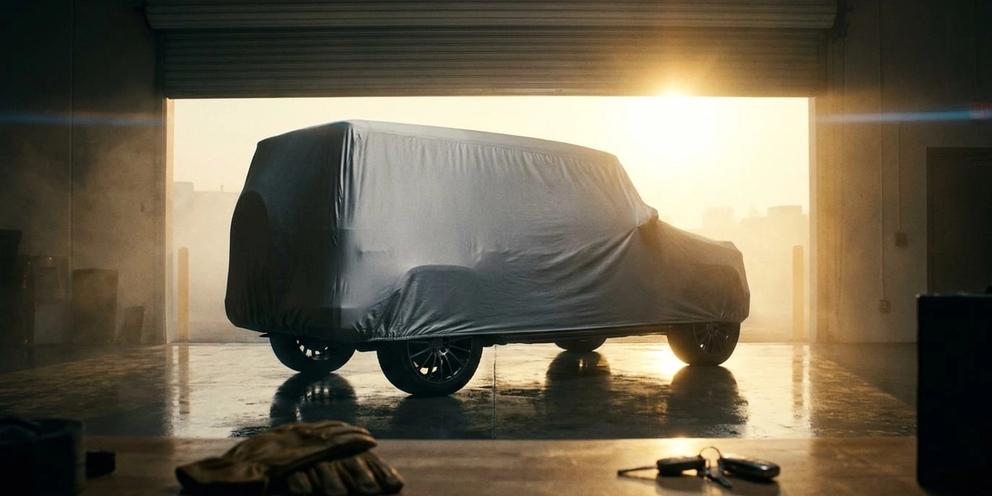
Best Outdoor Car Cover for Audi Q7: Waterproofing & UV Protection That Lasts
If your Q7 sleeps in the driveway or on the street instead of a garage, you already know the toll it takes. Pollen film on the hood, water spots on the windshield, a layer of grime that reappears a day after you wash it. An outdoor car cover for Audi Q7 owners isn't a nice-to-have accessory at that point, it's basic maintenance. The Q7 is a big vehicle with a lot of exposed surface area, and most of that surface is sitting outside collecting whatever the sky and the trees throw at it.
Why Your Audi Q7 Needs a Dedicated Outdoor Cover
Park a Q7 outside for a season and you'll see the wear pattern pretty fast. Rain streaks the glass. Sap drops from whatever tree is nearest your parking spot. Birds treat the roof like a target range. None of this is dramatic on its own, but it adds up daily, and without a garage, there's nothing standing between the elements and your paint.
A few spots on the Q7 take it worse than others. The panoramic sunroof seals are a slow leak point if grime builds up around them. The chrome window trim dulls and spots faster than the painted body panels. The quattro badging and other brightwork pick up oxidation if they're never wiped down. And that huge expanse of glass, windshield, sunroof, and rear hatch, works like a greenhouse even when the car's parked and off, baking the dash and seats long after the engine's cold.
This isn't a "what is a car cover" situation. If you're reading this, you're past that, you're comparing waterproofing specs and UV ratings trying to figure out which cover is actually worth buying. Fair enough. For a Q7 living outdoors, there are really only two things that matter: a waterproof barrier that keeps shedding water months from now, not just out of the box, and a UV-stable outer layer that protects the paint without degrading itself in the process.
Waterproofing: What Actually Keeps Rain, Snow, and Moisture Out
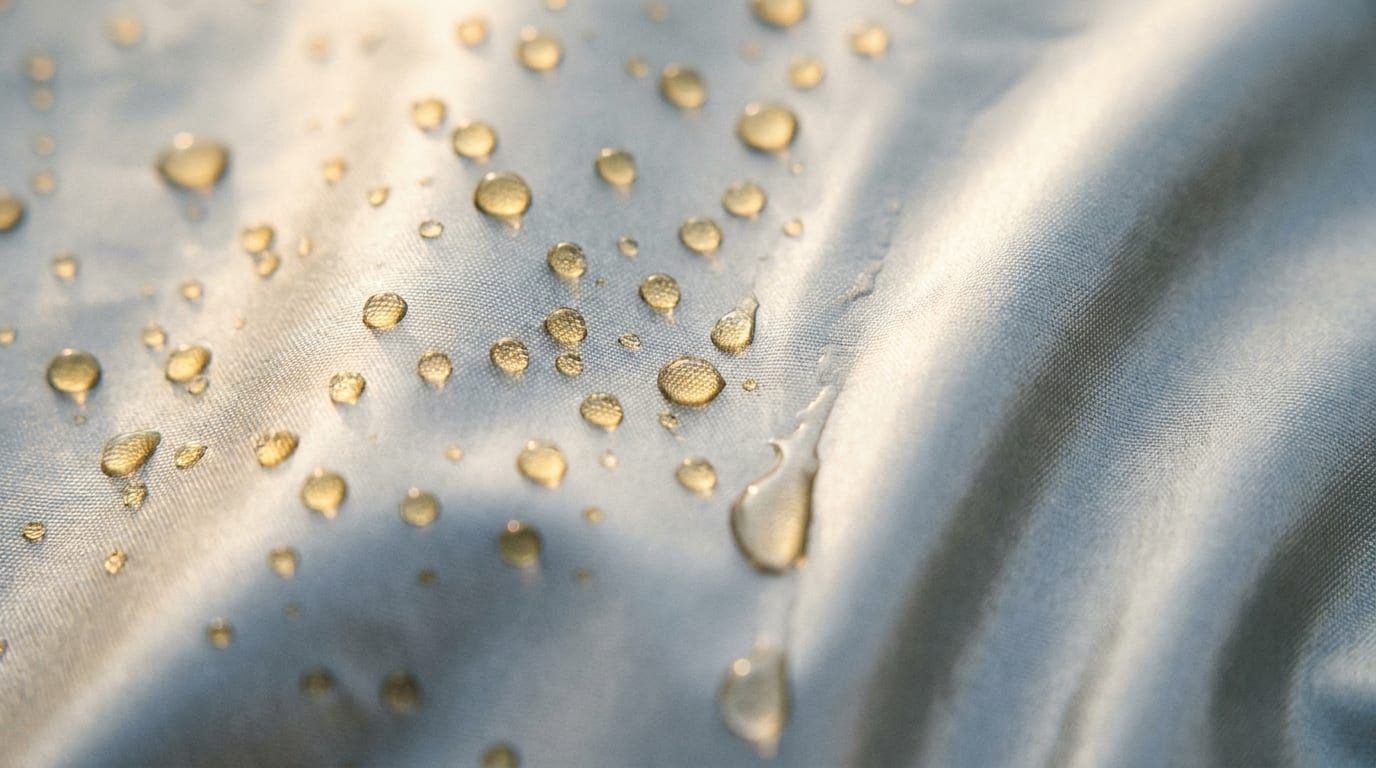
Here's where a lot of cheap covers quietly fail. There's a real difference between a coated waterproof membrane and basic water-resistant vinyl. Water-resistant material slows water down, that's it. Leave it out in a steady rain for a few hours and it eventually soaks through. A true waterproof car cover has a coating or membrane layer that makes water bead up and roll off the surface instead of sitting there working its way in.
Seams matter just as much as the fabric. Check how the panels are sewn together, especially around the roof rails and the rear antenna base on a Q7, because that's exactly where lower-quality covers let water sneak through at the stitch lines. Seam-sealed construction closes that gap.
Waterproofing isn't just about keeping rain out, though. A cover also needs to breathe, letting trapped heat and condensation escape from underneath. Seal a car up in a non-breathable shell and you've basically built a greenhouse that traps moisture against the paint, which invites mildew and can actually cause more damage than leaving the car uncovered.
The Q7's flat roofline adds its own wrinkle. Unlike a sedan where rain just runs off the sloped roof, a boxy SUV roof can collect standing water or slush. A sagging, low-grade cover will hold that weight and basically form a shallow pool right above your sunroof. The cover needs enough structure and taper to shed pooling water instead of cupping it. If you want a deeper breakdown of how outdoor covers handle rain, wind, and sun together, the guide to using a car cover outdoors is worth a read before you buy.
UV Protection: Stopping Sun Damage to Paint, Trim, and Interior
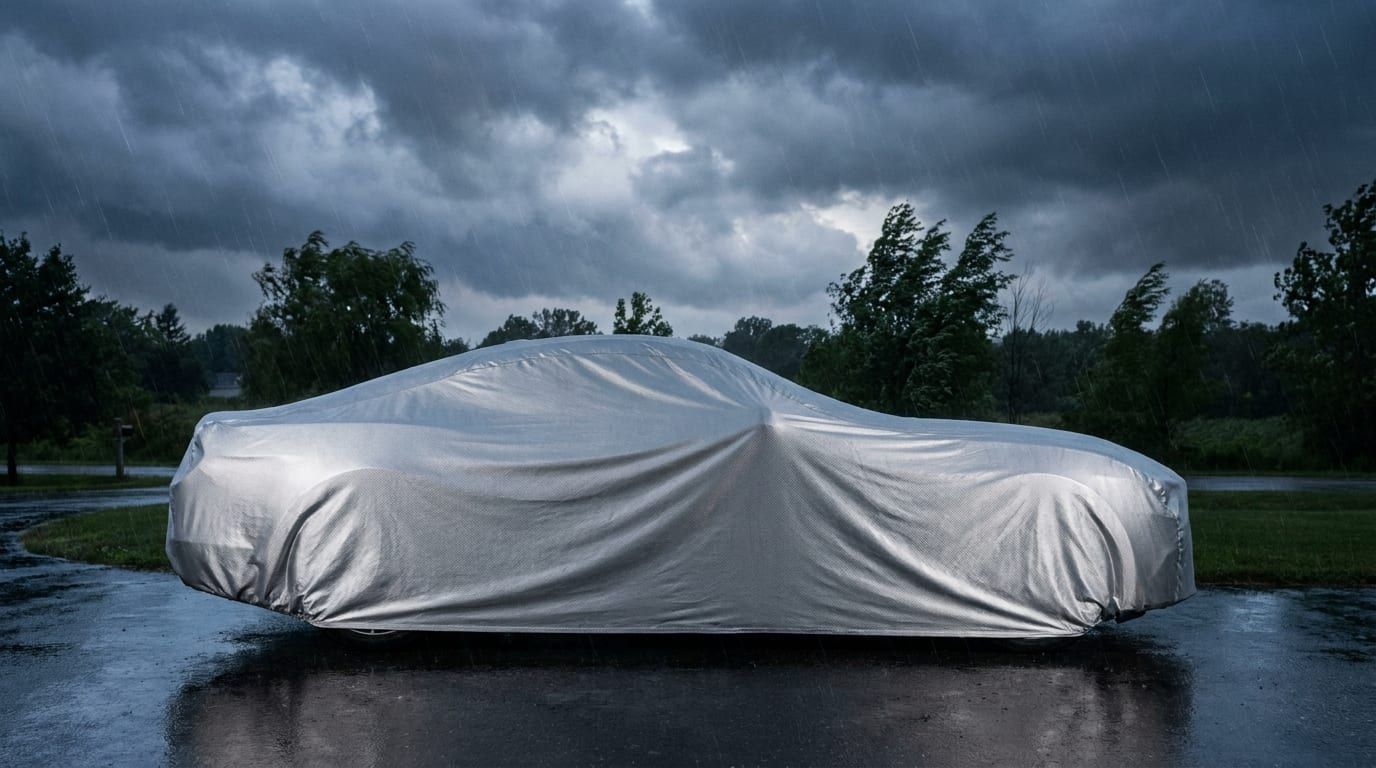
Rain gets the attention, but sun does the slower damage. A UV-resistant outer shell is what stands between the Q7's metallic or pearl-effect paint and months of direct sunlight that would otherwise fade and oxidize the finish. Once that fade sets in, there's no polishing it back out. It's a repaint.
The interior benefits too. A properly UV-rated cover blocks sun from baking through the windshield and side glass, cutting down on dashboard cracking, leather fading, and that slow bleaching of the infotainment screen you don't notice until it's already happened.
Here's the part people miss: cheap covers without UV stabilization don't just fail to protect the car, the material itself goes brittle and starts cracking under constant sun exposure. You end up with a cover that fails before your Q7 ever needed it to do its job. That's a real cost, not a hypothetical one.
Where you live should shape how much you weight UV versus waterproofing. Desert and high-altitude regions, think the Southwest, need the top UV-rated tier because sun exposure is relentless and intense. Milder, cloudier climates can lean more on waterproofing and treat UV resistance as a secondary concern.
Getting the Fit Right for the Q7's Size and Body Lines
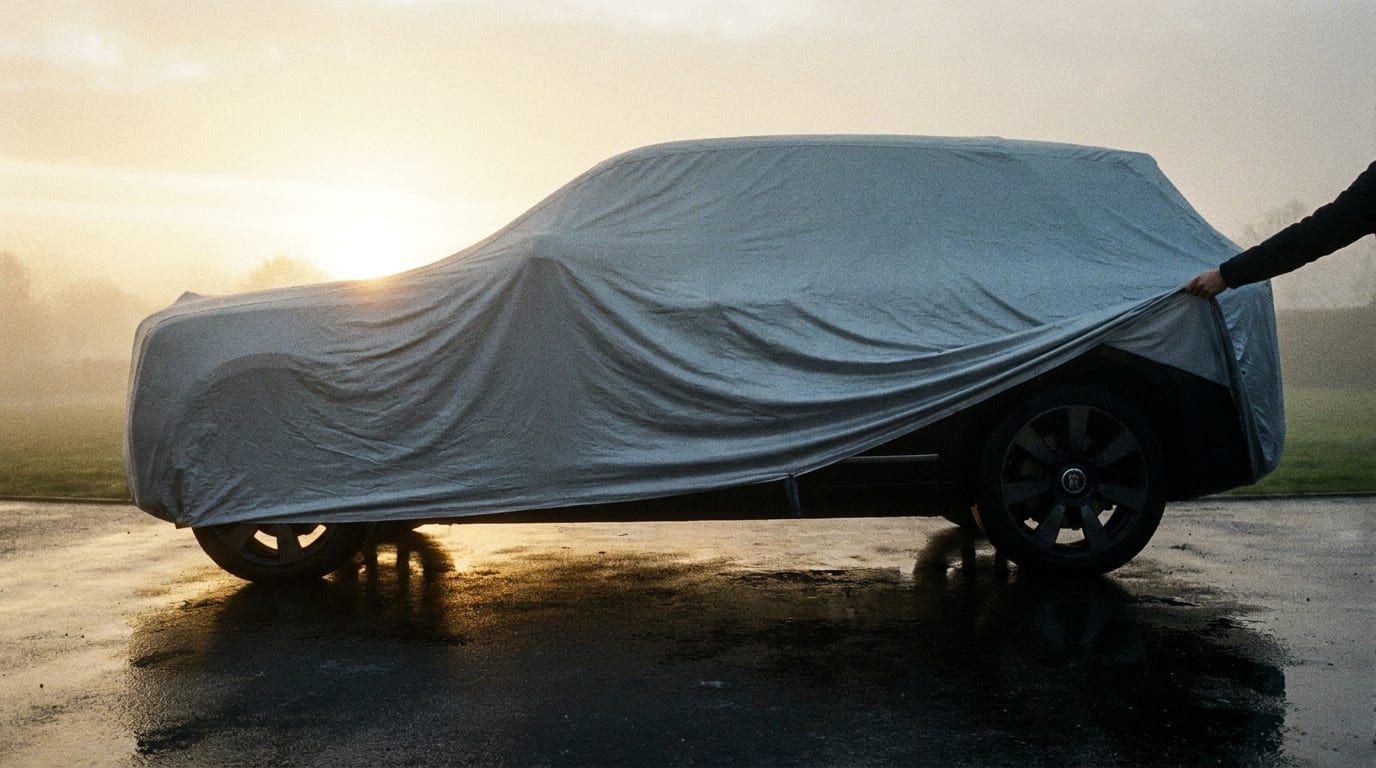
Specs mean nothing if the cover doesn't fit. A universal cover drapes over a Q7 instead of hugging it, and that extra slack flaps in wind, which wears holes in the fabric and lets rain sneak in at the hood and bumper gaps. A custom-fit cover built for the Q7's actual body lines solves both problems at once.
Fit details matter more on an SUV this size. You want contoured allowances for the roof rails, side mirrors, rear spoiler, and the tailgate-mounted badging and cameras that stick out past the body panel. A cover that doesn't account for those points gets stretched tight in the wrong places or leaves gaps around them.
Elastic hems, grommets, and strap or cable lock points aren't optional extras either, especially on a tall SUV that catches more wind than a low sedan. Those are what keep the cover anchored through a windy night instead of ending up in your neighbor's yard. If you're not sure your Q7's trim and year match up with a given cover's size, it's worth checking the sizing guide before you order, rather than guessing and dealing with returns later.
Comparing Cover Tiers: Which Protection Level Fits Your Climate
Outdoor covers generally break into three rough tiers, and the difference usually comes down to layer count, waterproof rating, UV warranty length, and price.
| Tier | Layers | Waterproofing | UV warranty | Best for |
| Economy | Single layer | Water-resistant, not fully sealed | Short or none | Mild, dry climates, occasional outdoor parking |
| Mid-tier | Multi-layer | Coated, seam-sealed | Moderate | Mixed weather, regular outdoor storage |
| Premium | Multi-layer with reinforced panels | Fully waterproof, seam-sealed | Longest terms | Coastal rain, heavy snow, or high-UV regions |
The decision rule is simple. Coastal and rain-heavy climates should prioritize the highest waterproof rating on offer. Desert and high-altitude regions should prioritize the best UV-rated tier instead, since sun exposure is the bigger threat there.
Think about price-to-protection value honestly. A premium cover costs more up front, but it's the one that actually prevents paint fade and water intrusion instead of just slowing them down. Buy an economy cover, replace it in a year when the seams fail or the fabric cracks, buy another one. That adds up fast and still leaves your Q7 exposed in the gaps between covers. For a vehicle in the Q7's price range, under-protecting it with a bargain cover is a false economy. Paint correction and interior fade repair cost a lot more than the difference between tiers.
Installation and Care That Keep Waterproofing and UV Protection Working
A cover that fits perfectly on paper can still scratch your paint if you install it wrong. Lay it over the car gently, start at the front or roof and work back, and avoid dragging buckles or cable locks across panels. The installation guide walks through the process step by step if this is your first time fitting one.
Washing matters more than people expect. Harsh detergents and improper washing strip the waterproof coating off over time, which is exactly what you're trying to avoid. Stick to mild soap, a soft brush, and a straightforward rinse, the kind of approach laid out in the cover cleaning guide.
Dry the cover fully before you fold it up and put it away. A damp cover stored in a bag breeds mildew, and that mildew transfers right back onto your Q7's paint the next time you put the cover on. It's a small step that gets skipped constantly, and it's the reason some covers "fail" long before their actual lifespan is up. Routine care like this is what gets a waterproof, UV-rated cover to its full warranty period instead of degrading early.
Warranty and Guarantee: Backing Up the Waterproof and UV Claims
A lifetime warranty on a car cover generally protects against material failure, seam separation, and UV breakdown over years of outdoor use. Check the lifetime warranty terms before you buy so you know exactly what's covered.
Seams and coatings are usually the first thing to go on a cheap cover, which is why warranty terms matter more for outdoor and waterproof covers than they do for an indoor dust cover that never sees rain or sun. If a seller won't commit to backing the waterproofing and UV claims long-term, that tells you something about how confident they are in the material.
A no-hassle guarantee takes some of the risk out of choosing between tiers, since you're buying before you've actually tested the cover through a full season outdoors.
Final Checklist: Choosing Your Audi Q7's Outdoor Cover
Four things decide this purchase: a waterproof rating that matches your local rainfall and snow, a UV rating that matches your local sun exposure, a fit built for the Q7's actual body lines, and warranty coverage that backs up both claims. Skip any one of those and you're gambling on the parts of the car you can't easily fix.
If you want to see what actually fits your specific Q7, run it through the cover finder tool and filter by trim and year instead of guessing off a generic size chart. You can also browse the Audi SUV cover lineup directly, or check outdoor car covers more broadly if you're still weighing indoor versus outdoor protection.
Either way, don't let the search drag out. A well-matched outdoor car cover for Audi Q7 owners costs a fraction of what paint correction or interior fade repair runs, and it starts paying for itself the first storm it sits through. If you're still comparing options, it's worth subscribing to the car care articles for more buying guides like this one before you commit.
Updated