


Best Outdoor Car Cover for Ford Escape: Waterproofing & UV Protection Guide
If you park your Ford Escape in the driveway or on the street, the cover you buy matters more than the price tag suggests. An outdoor car cover for Ford Escape owners needs to do two jobs well: keep water out and block UV rays. Indoor dust covers and lightweight universal covers don't cut it here. This guide is meant to help you narrow down an actual purchase, not give you a broad overview of car covers in general, so we're going to get specific about waterproofing, UV ratings, and fit.
Why Your Ford Escape Needs a Dedicated Outdoor Cover
The buying decision comes first: you need an outdoor-rated cover, not an indoor or dust cover. Indoor covers are built to keep dust and light scratches off a car sitting in a garage. They're not designed to survive actual weather, and they'll fail fast if you leave your Escape uncovered against rain or sun for any real stretch of time.
The Escape's body has changed shape over the years. The 2013-2019 generation has a different roofline and rear hatch profile than the redesigned 2020-and-newer model. That difference matters for fit, which we'll get into later, but it's worth flagging now: don't assume a cover made for one generation fits the other.
For outdoor use, two specs are non-negotiable: waterproofing and UV resistance. Everything else, color, price, brand name, is secondary. If a cover doesn't nail those two things, it's not going to protect your Escape the way you need it to.
What Outdoor Storage Actually Does to a Ford Escape
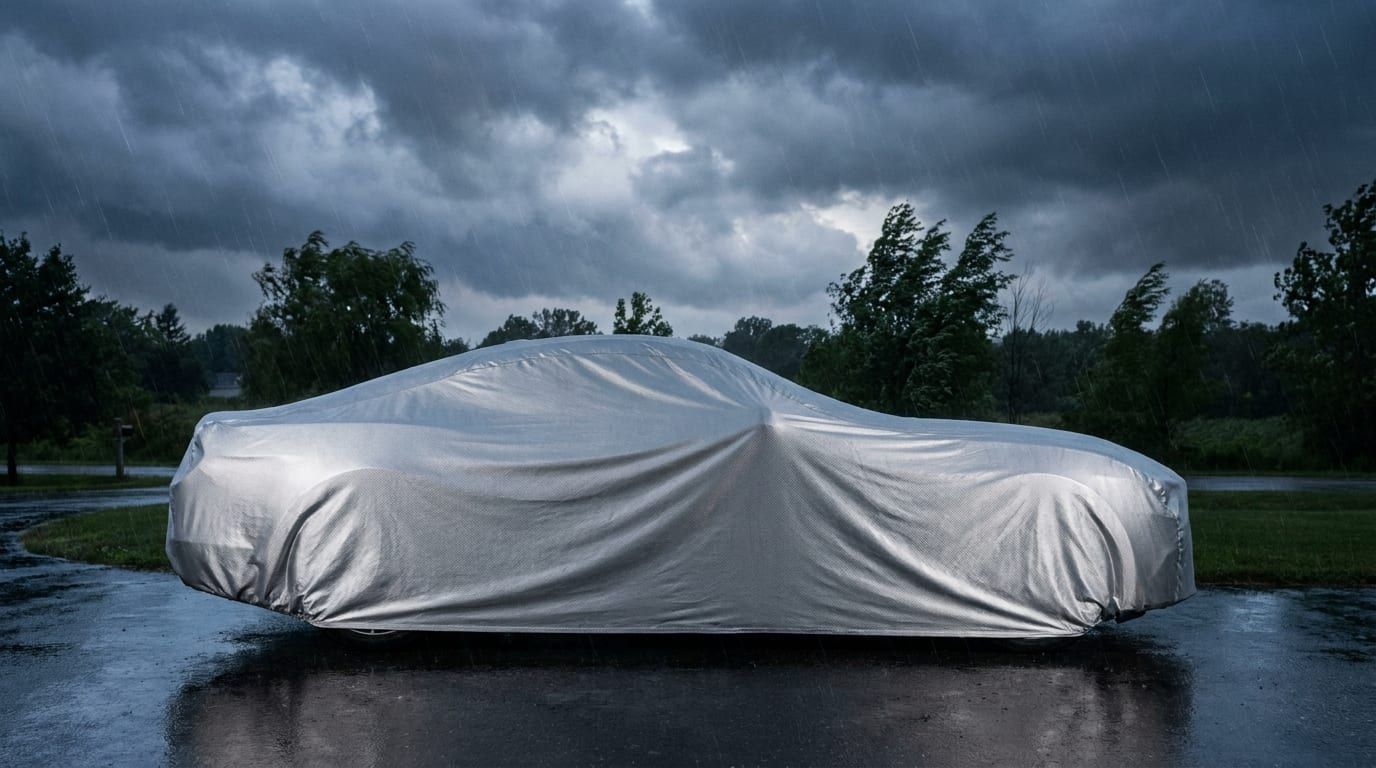
Rain doesn't just get the exterior wet. Left uncovered, it pools around window seals and door edges, and over time that moisture creeps into the cabin. Sprinklers do the same thing, day after day, leaving mineral spots baked into the paint by the sun. Add a driveway with average drainage and you've got a recipe for mold or mildew building up around rubber seals.
Then there's the sun. UV exposure fades clear coat and paint, and it doesn't take long. Dashboard plastic gets brittle and starts to crack. Rubber seals around doors and windows dry out and lose their grip, which is how you end up with leaks that weren't there when the car was new.
Parked outside, your Escape is also a target for tree sap, bird droppings, and pollen, all of which bond to paint faster than most owners realize. Wait too long to wash it off and you're looking at a trip to a detail shop instead of a quick rinse.
None of this is a big deal in isolation. But if you don't have a garage, these risks stack on top of each other every single day your car sits outside. That's the real math behind buying a cover: a decent outdoor car cover for Ford Escape costs a lot less than repeated paint correction or interior mold remediation down the line.
Waterproofing: What to Actually Check Before Buying

"Water-resistant" and "waterproof" get used interchangeably in cover listings, and they shouldn't be. Water-resistant fabric slows water down. Waterproof fabric, paired with sealed seams and a real barrier layer underneath, actually keeps it out. If a listing doesn't mention seam sealing, assume it doesn't have it.
Material matters here. Look for multi-layer woven fabric with a waterproof, breathable membrane built in, not single-ply vinyl. Vinyl feels waterproof in the store, but it doesn't breathe, and it tends to crack in cold weather and get brittle over the years.
Breathability isn't a side note. It's just as important as the waterproofing itself. A cover that blocks rain but traps condensation underneath is just moving the problem from outside your Escape to right on top of the paint. That trapped moisture can do more damage over months than an occasional rain shower ever would.
If you want the material-by-material breakdown, the waterproof car covers guide walks through fabric types in more detail before you pick a tier.
UV Protection: Reading the Fine Print on Sun Coverage
"UV-resistant" shouldn't just be a phrase on the box. It should mean a UV-blocking coating actually rated for prolonged sun exposure, tested to hold up over seasons, not just resist a few afternoons outside.
That protection matters most where you can already see wear: the factory clear coat and the headlight housings. Both fade and oxidize under sustained UV exposure, and once that happens, no amount of polishing brings back the original finish.
Where you live changes what you need. Sun-belt and high-altitude Escape owners are dealing with far more intense UV exposure than someone parking under cloudy Pacific Northwest skies, so that group needs a heavier UV-rated cover, full stop. Don't buy the same cover your cousin in Seattle uses if you're parking in Phoenix.
This ties directly to resale. A faded, oxidized Escape loses more at trade-in than most owners expect, and that loss is almost always bigger than what a solid cover would have cost you upfront.
Getting the Fit Right for Your Escape's Model Year
A custom-fit cover built to the Escape's exact body lines beats a universal cover on both fronts that matter here. Waterproofing improves because there are fewer gaps for wind-driven rain to sneak through. UV coverage improves because there's no exposed panel catching direct sun.
Universal covers are cheaper, and that's the whole pitch. But they tend to leave mirrors, the antenna, and bumper edges exposed, which is exactly where sun and rain do the most damage over time.
Before you buy anything, confirm your exact Escape year. The custom-fit car covers page and the sizing guide will help you nail down which generation you're covering and what fit that translates to.
One more thing that's easy to overlook: grommets and straps. A waterproof cover that isn't secured against wind will flap, shift, and eventually let water in at the edges. If you want that seal to hold during actual storms, gust straps are worth the extra few minutes of setup.
Comparing Cover Options for Outdoor Ford Escape Owners
Not every outdoor cover is built for the same conditions, and it helps to think in tiers.
| Tier | Waterproofing | UV Protection | Best For |
| Entry | Basic water resistance | Lighter UV coating | Mild climates, occasional outdoor parking |
| Mid | Multi-layer waterproofing | Stronger UV coating | Daily street or driveway parking, mixed weather |
| Premium/All-weather | Heaviest waterproofing, reinforced seams | Maximum UV rating | Year-round outdoor storage, harsh climates |
If your Escape only sits outside occasionally and you're in a mild climate, entry-tier is probably fine. Daily driveway parking through actual seasons calls for mid-tier at minimum. Harsh sun, regular storms, or year-round outdoor storage push you toward the premium tier, no way around it.
Whichever tier you land on, check the warranty and return policy before buying. Outdoor covers take the most abuse of any cover type, and a solid warranty is a real signal that the manufacturer expects the product to hold up.
Installing and Maintaining Your Cover to Keep It Waterproof
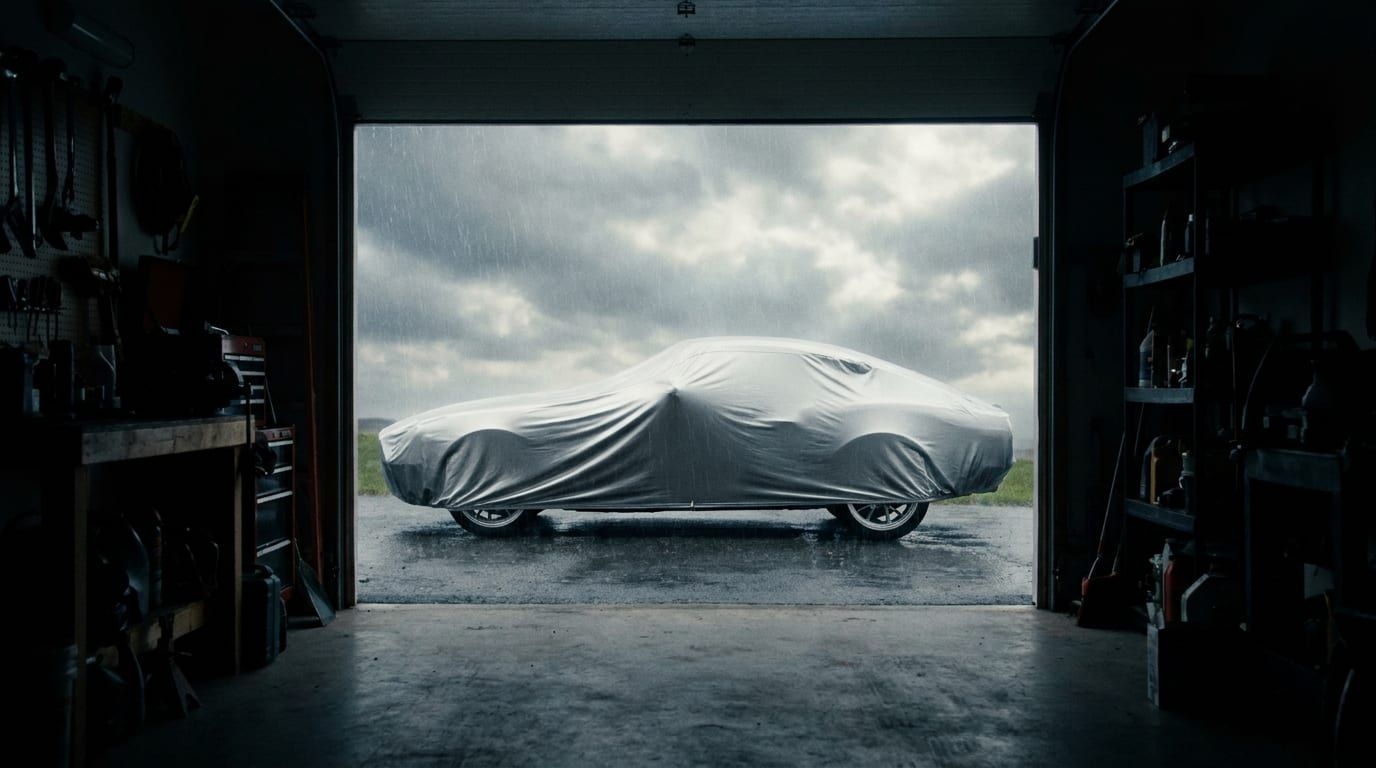
Installation affects how well the waterproof seal actually performs. Secure the straps snugly, and be careful around the Escape's roof rails and rear spoiler, both are common snag points that can tear fabric or leave gaps if you're not paying attention. The installation guide covers the basics if you're setting one up for the first time.
Cleaning matters more than most owners think. Harsh detergents strip the waterproof coating and the UV treatment right off the fabric, which defeats the point of buying a good cover in the first place. Stick to the cleaning guidance built for cover fabric rather than whatever's under your sink.
Check wear points every so often, mirror pockets and wheel straps especially. These are the spots that fail first, and a small tear there is how water gets in even on a technically "waterproof" cover.
Think of this as ongoing care, not a one-time setup. You already spent the money on a good cover. A few minutes of maintenance now and then is what keeps it actually doing its job for years instead of one season.
Ready to Protect Your Ford Escape Outdoors
Two things matter here: waterproofing you can verify, not just assume, and UV protection rated for your actual climate. Get both right and match them to how and where you park, and you've solved most of what outdoor storage throws at a car.
Before you pick a tier, use the sizing tool to confirm your exact Escape year. Fit issues are the easiest mistake to avoid and the hardest one to fix after the fact.
If you're still on the fence, a strong warranty is worth leaning on, it takes most of the risk out of buying online without seeing the cover in person first.
Take a look at the full lineup of Ford SUV covers when you're ready to compare options side by side, and if you just want to keep reading up on outdoor protection before you commit, our guide to using a car cover outdoors is a good next stop.
Updated