


Best Outdoor Car Cover for Honda Pilot: Waterproofing & UV Protection Guide
Why Your Honda Pilot Needs a Dedicated Outdoor Cover

A Honda Pilot isn't a small car. At nearly 200 inches long with a tall SUV roofline, it's got a lot of painted real estate exposed to whatever the sky throws at it. Sun, rain, tree sap, bird droppings, all of it lands on more surface area than a sedan ever has to deal with.
Most Pilot owners aren't parking in a garage every night. Driveways and carports are the norm, which means the cover you buy actually has to handle weather, not just dust. An indoor-only cover, the thin stretchy kind meant for a climate-controlled garage, just isn't built for that job.
Left uncovered outside, a Pilot picks up damage you won't notice right away. Clear coat starts to fade. Water spots etch into the paint on the hood and roof. Oxidation creeps in over a few seasons. And the sun coming through that big windshield cooks the dash and seats from the inside out. This guide is about the two things that actually matter when you're shopping for an outdoor car cover for Honda Pilot: waterproofing and UV protection. Not general cover-buying fluff, just what keeps the elements outside where they belong.
Waterproofing: What Actually Keeps Rain and Snow Out
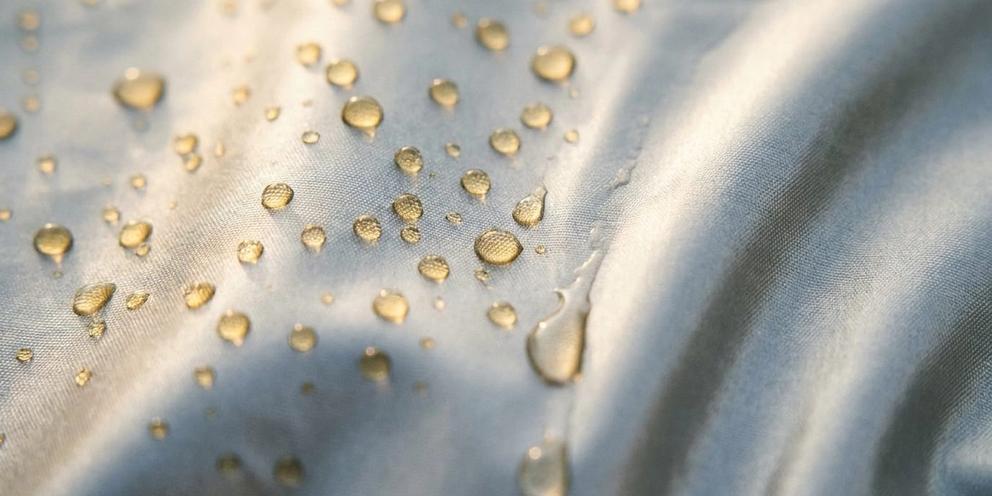
Here's where a lot of buyers get tripped up. "Water-resistant" and "waterproof" get used almost interchangeably in cover listings, but they're not the same thing. Water-resistant fabric handles light rain and morning dew fine. It will not hold up under a real downpour or sitting snow. Waterproof fabric is rated to keep moisture out under sustained, heavy exposure. Check the actual spec sheet before you buy, not just the headline word on the product page.
Fabric construction matters just as much as the rating itself. Multi-layer woven fabrics with a laminated inner layer do a much better job blocking moisture long-term than single-ply treated fabrics, which tend to "wet out" over time, meaning the water repellency wears off and the fabric starts soaking through. That's the difference between a cover that protects your Pilot in year three and one that's basically a wet blanket by then.
Seams are the other weak point nobody thinks about. Stitching alone creates thousands of tiny needle holes, and water finds every one of them. Taped or heat-sealed seams close that gap. If a product description doesn't mention seam sealing at all, assume it doesn't have it.
Then there's the hem. Wind-driven rain doesn't just fall straight down, it blows sideways and up underneath the cover around the wheel wells. An elastic hem or cinch straps at the bottom edge keep the cover snug against the body so water can't sneak in from below.
One thing that trips people up: breathability still matters on a fully waterproof cover. If moisture gets trapped underneath from humidity or leftover condensation, mold and mildew show up faster than actual rain damage would. A good waterproof car cover blocks water from getting in while still letting trapped moisture escape. For a deeper breakdown of how wind, waterproofing, and UV all interact outdoors, the guide to using a car cover outdoors covers it in more detail than we can here.
UV Protection: Stopping Fade, Cracking, and Heat Damage
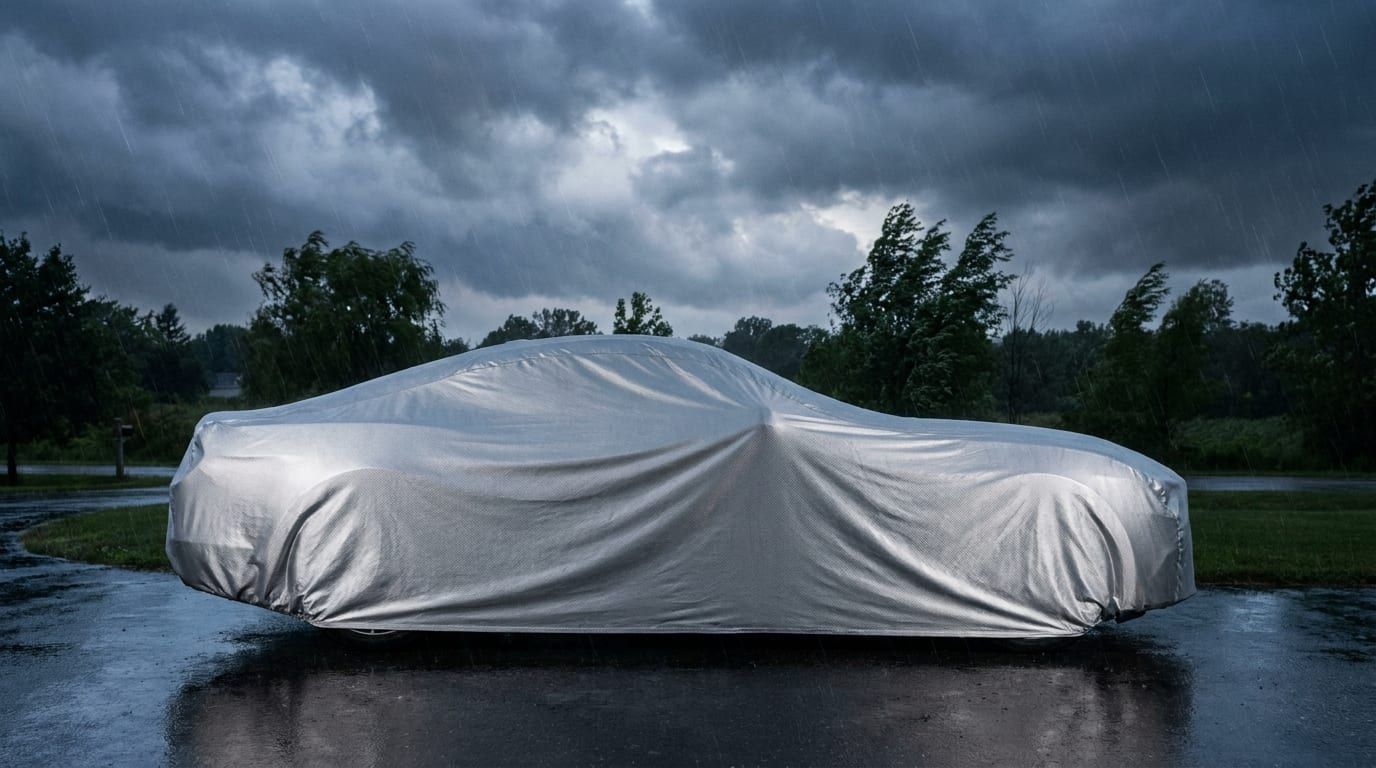
Rain damage is obvious. UV damage is slower and sneakier, which is exactly why it gets overlooked. UV-stabilized fabric coatings are what actually block the sun exposure that fades paint and causes clear coat to chalk after a few summers of daily exposure. Skip that coating and you're basically parking your Pilot under direct sun with a bedsheet on it.
The color and finish of the outer shell matter too. Reflective or light-colored covers bounce more heat away instead of absorbing it, which keeps interior cabin temperatures lower. That protects the dashboard and the leather or vinyl trim from the cracking and drying out that comes with repeated heat cycles.
Climate changes how much this matters. In the Southwest or anywhere with intense summer sun, UV damage and heat compound each other fast, cracking dashboards and fading paint within a couple of seasons. In milder, cloudier regions, it's more of a slow fade risk than a heat problem. Either way, an unprotected outdoor Pilot is losing paint depth and interior condition every single day it sits in the sun.
Most decent multi-layer covers handle this by combining a UV-blocking outer shell with the waterproof, breathable inner layers we just went through. One product, two jobs. That's the setup worth looking for rather than shopping fabric properties separately, since a cover that's great on waterproofing but weak on UV still leaves your Pilot's paint exposed.
Getting the Right Fit for a Honda Pilot
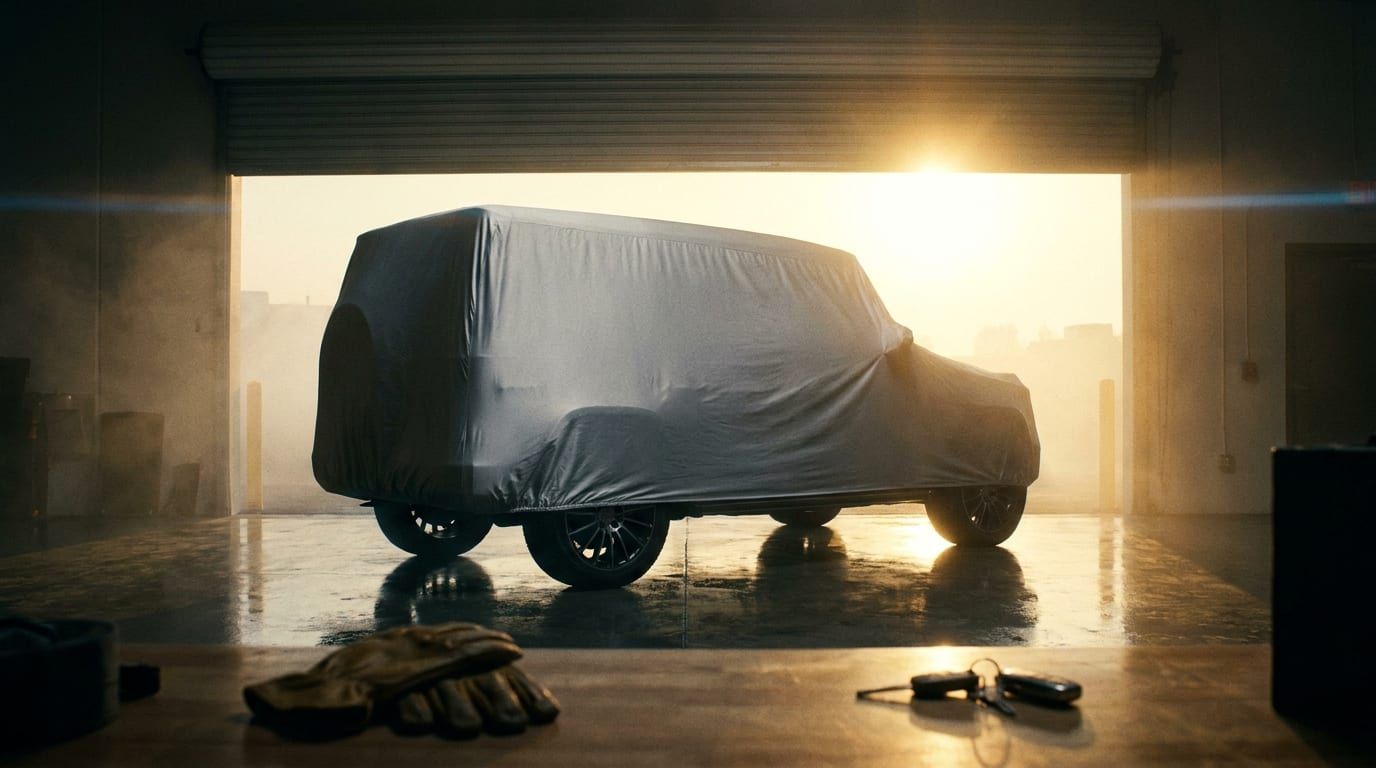
Fit is where a lot of otherwise good covers fail. A custom-fit cover built to the Pilot's actual dimensions hugs the body closely. A universal SUV cover, on the other hand, is built to loosely fit a range of vehicles, which usually means gaps at the front and rear bumper where wind and water get a way in.
Mirror pockets and antenna cutouts sound like minor details until yours don't line up. Honda has changed the Pilot's mirror housings and roof rail design across generations, so a cover cut for a 2016 Pilot may not sit right on a 2023 model. Confirm the fit is matched to your specific model year, not just "Honda Pilot" as a catch-all.
Loose covers cause a problem that's easy to miss until it's already happened: they flap in the wind. Even a cover with great waterproof and UV ratings will develop scuffs and thin spots if it's rubbing against the paint every time a gust comes through. A snug fit is part of the protection, not just a convenience.
If you're not sure what size or fit you need, CarCovers' sizing guide walks through how to measure and match, and the Honda SUV cover page lets you match directly to your Pilot's generation instead of guessing.
Buying Checklist: What to Compare Before You Purchase
Before you check out, run down this list. It's short, but skipping any one item is how people end up with a cover that looks fine in photos and fails in month two.
| What to check | Why it matters |
| Waterproof rating and seam sealing | Confirms real waterproofing, not just "weather-resistant" marketing language |
| UV protection level | Multi-layer fabric blocks fade and heat better than single-layer treated fabric |
| Included straps or tie-downs | Keeps the cover secured against wind on a tall SUV body |
| Warranty length | A real warranty means the maker stands behind its own durability claims |
| Breathability spec | Prevents trapped condensation, especially in humid or coastal climates |
That warranty line is worth pausing on. A cover backed by a real lifetime warranty tells you the manufacturer expects the product to actually hold up, not just survive the return window. That's a meaningfully different signal than a 30-day satisfaction guarantee.
Installing and Maintaining Your Cover for Maximum Protection
Getting the right outdoor car cover for Honda Pilot is only half the job. How you use it determines whether it lasts.
Start clean. Throwing a cover over a dusty or wet Pilot traps grit against the paint, and grit plus wind movement equals scratches. A quick wash and dry first prevents that entirely.
If you're in a windy or exposed spot, use gust straps to lock the cover down. Wind is the number one reason a good cover starts looking rough after a year, not the sun or rain. Straps stop the shifting that causes abrasion in the first place.
Cleaning the cover itself, not just the car, matters too. Dirt and grime sitting on the fabric long-term wear down both the waterproof coating and the UV-blocking layer faster than normal use would. A periodic clean, following the proper cover care steps, keeps both of those layers working the way they're supposed to. Installation itself is straightforward, but if you want the full walkthrough, the step-by-step install guide covers it so we don't need to repeat it here.
Protect Your Pilot Year-Round
If you park outside, waterproofing and UV protection aren't optional extras, they're the whole point of the cover. Everything else, straps, fit, warranty, exists to support those two jobs.
Skip the universal, one-size-fits-most bin and look at SUV-specific covers sized properly for the Pilot. A cover that fits and blocks both water and sun does its job quietly for years. One that doesn't ends up costing you a repaint or a cracked dashboard down the line, which is a far more expensive fix than the cover itself. If you're weighing whether a cover is worth it at all, it's worth reading through why a car cover matters before you decide.
Take a look through our Honda-specific options, and if you're still narrowing down what fits your climate and parking situation, our articles section has more buying guides worth browsing before you commit.
Updated