


Best Outdoor Car Cover for Kia Telluride: Waterproofing & UV Protection Guide
Why Your Kia Telluride Needs a Dedicated Outdoor Cover
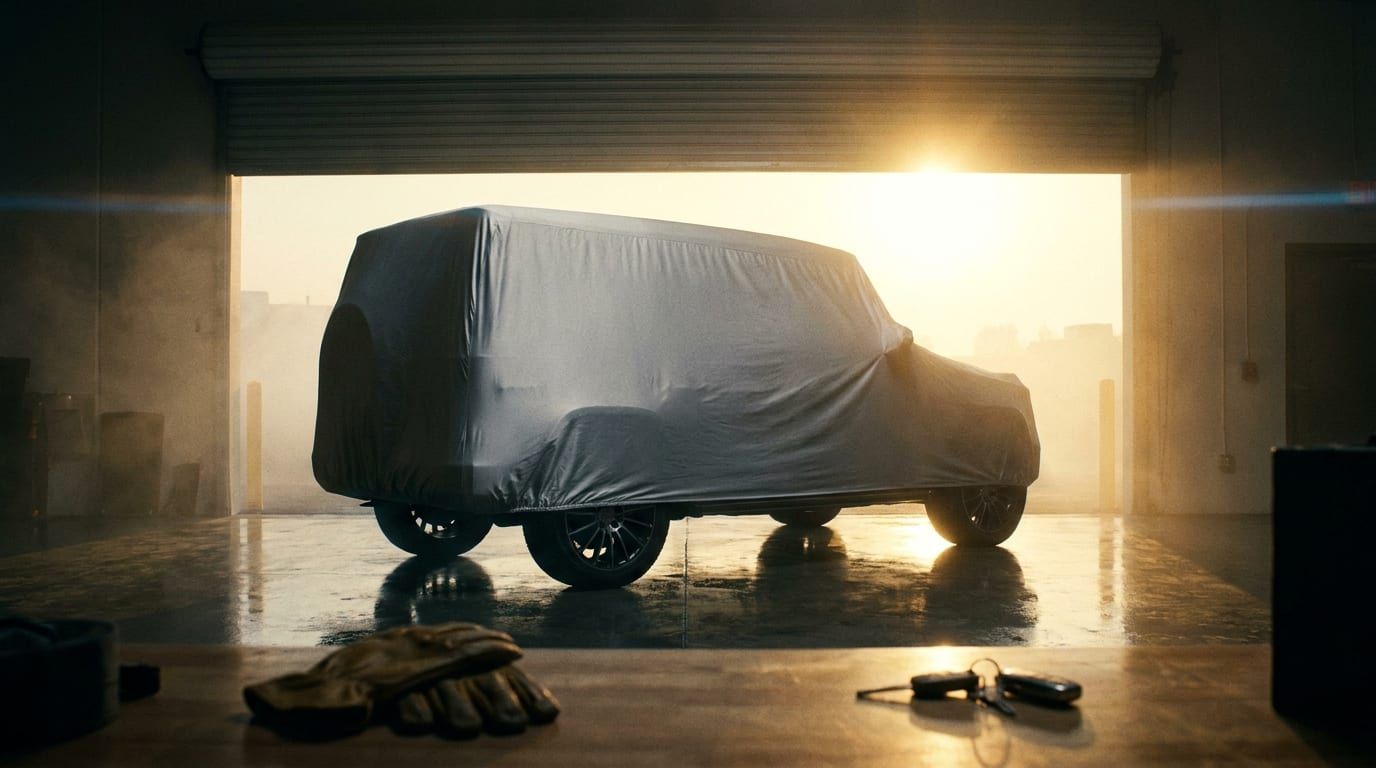
The Telluride isn't a small car. At nearly 200 inches long with a boxy, upright SUV body, it's got a lot more painted surface sitting out in the elements than a sedan ever would. More hood, more roof, more liftgate, more real estate for sun, rain, and tree sap to work on.
And most Tellurides don't live in garages. They're family haulers, which means they're parked in driveways after school runs and grocery trips, not tucked away overnight. That makes outdoor-rated protection less of a nice-to-have and more of a basic maintenance item, right up there with oil changes.
Skip it, and the damage shows up gradually. UV rays dull the clear coat. Rubber trim around windows and door seals starts to crack. Dashboards warm up under direct sun through the windshield and get brittle over time. None of this is dramatic on its own, but it adds up, and it chips away at resale value on a vehicle that otherwise holds strong trade-in equity. This guide zeroes in on the two things that matter most for a Telluride parked outside: waterproofing and UV protection. Everything else (fit, hardware, install) supports those two goals, so that's where we'll spend most of the time.
Waterproofing: What Actually Keeps Water Out (and Moisture In)
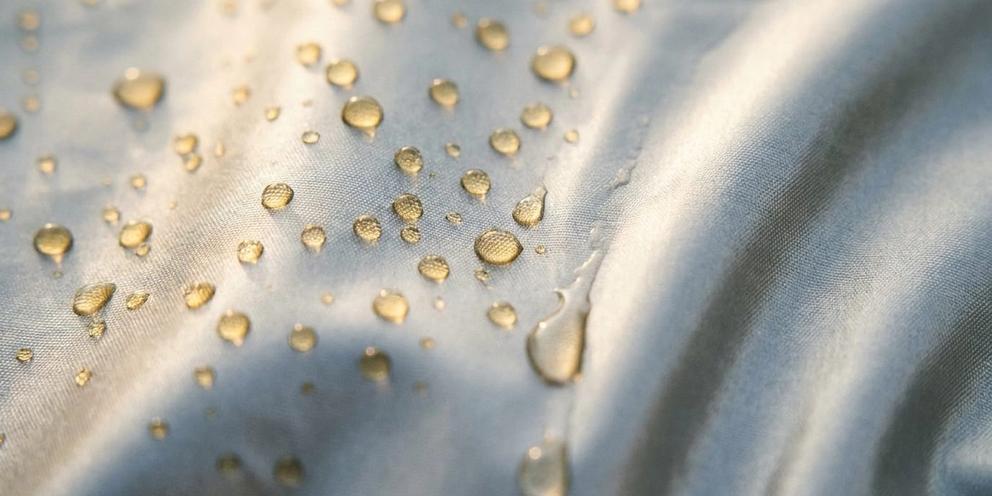
Not all "waterproof" labels mean the same thing. A water-resistant cover handles dew and a light drizzle fine, but it'll wet through in a sustained downpour, especially where water pools underneath the vehicle and wicks up. A genuinely waterproof cover is built to handle that standing water and keep shedding it instead of absorbing it.
The difference usually comes down to construction. Multi-layer woven fabrics with a water-repellent coating are doing real work: the coating beads water off the surface, and the layered weave keeps it from pushing through. A single-layer vinyl or polyester cover looks fine on day one, but over months of outdoor exposure, that coating wears thin and water starts getting through the seams and the fabric itself.
Here's the part people miss, though: waterproofing without breathability is almost worse than no cover at all. A fully sealed, non-breathable cover traps whatever moisture is already there, condensation from temperature swings, humidity, a wet cover going on after a storm, and it has nowhere to go. That's how you end up with mold and mildew under a cover that was supposed to be protecting the paint, not attacking it.
Before buying, check two things: whether the seams are taped or sealed (not just stitched), and whether the underside has a soft lining that won't scratch the clear coat while still letting the fabric breathe. For more detail on material grades and how they're tested, the waterproof car cover guide breaks down what separates entry-level fabrics from the real thing.
UV Protection: Stopping Sun Fade on a Large SUV
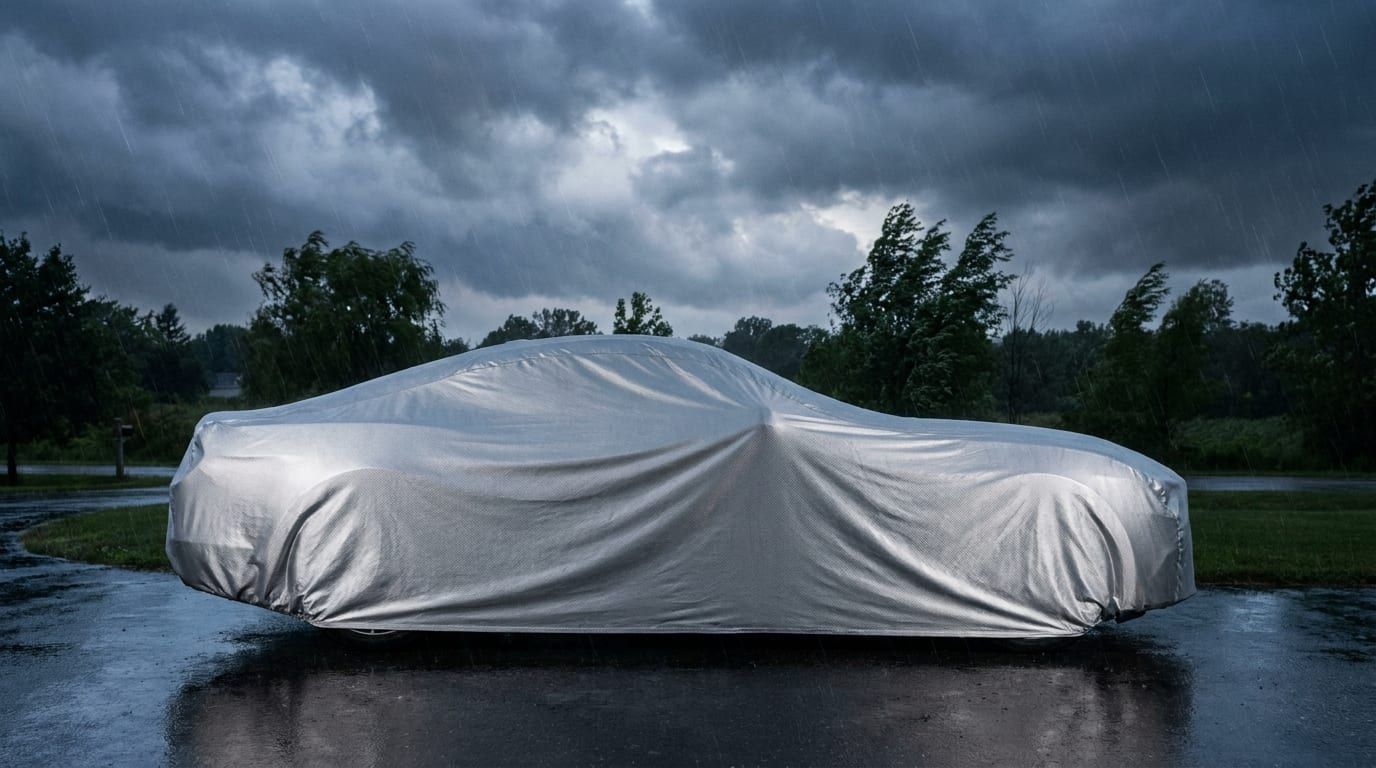
The Telluride's size works against it here too. Those big horizontal panels, the hood, the roof, the liftgate, take the sun straight on for hours at a time. Vertical surfaces like doors get some relief from angle; flat tops don't.
A cover with a real UV-inhibiting treatment blocks that exposure before it reaches the paint. A basic cover with no UV treatment at all is basically just a dust sheet. After a year or two of daily outdoor parking, the difference is visible: the untreated side shows chalky fading and a duller clear coat, while a UV-rated cover keeps the paint looking like it did on day one.
It's not just the exterior, either. A properly fitted outdoor car cover for a Kia Telluride also blocks sun coming through the glass, which matters for the dash and seats. Leather and leatherette crack under UV heat buildup over time, and a cover that seals around the windows cuts that exposure down significantly during long stretches of driveway storage.
Where you live changes how much UV protection you actually need. Owners in the Southwest or at higher altitudes are dealing with more intense, more constant sun exposure, so a heavier UV-rated layer is worth the extra bulk. In coastal or northern climates, UV matters less day to day, but you're trading it for more humidity and rain, so the waterproofing and breathability balance becomes the bigger factor instead.
Getting the Fit Right for the Telluride's Dimensions
None of the waterproofing or UV talk matters if the cover doesn't actually fit. A universal, one-size-fits-most cover fails at exactly the points you'd expect: loose fabric flaps around in wind, and any gap at the bottom lets water pool right where it shouldn't. You can buy the most waterproof fabric on the market and still end up with a wet hood if the cover doesn't sit snug.
For the Telluride specifically, check these fit points before you buy:
- Roof rack cutouts, since most trims come with rails that a generic cover won't account for
- Third-row rear window height, which sits taller than most mid-size SUVs
- Side mirror pockets, so the cover doesn't stretch or tear pulling over them
- Rear spoiler clearance at the liftgate
Custom-fit covers built around the Telluride's exact dimensions cost more, but they close those gaps completely. Semi-custom, SUV-class sized covers are a middle ground: decent fit, lower cost, but a bit more slack at the edges than a true custom pattern. For this body style, that slack is usually where water and wind find their way in, so it's worth knowing what you're trading off. If you're not sure which size class your Telluride trim falls into, the vehicle cover sizing guide walks through it. You can also browse Kia-specific SUV covers to see what's built for this body style specifically.
Comparing Outdoor Cover Options for Everyday Use

Once fit is sorted, the remaining decision is which build quality actually matches daily outdoor use instead of occasional light coverage. Here's how the main differences break down:
| Feature | Entry-Level Option | Heavy-Duty Option |
| Waterproof rating | Water-resistant, fine for dew and light rain | Fully sealed, taped seams, handles standing water |
| UV protection | Basic or no UV inhibitor | Heavy-duty UV-blocking layer for year-round sun |
| Wind durability | Standard fabric, prone to flapping | Reinforced weave resists abrasion and flapping |
| Breathability | Single-layer, traps moisture underneath | Multi-layer, breathable, resists mildew |
| Included hardware | Grommets and straps sold separately | Grommets for cable locks, loops for gust straps included |
For a vehicle that's outside every day, the entry-level column isn't really built for the job. It'll hold up for occasional weekend coverage, but daily driveway duty on an SUV this size calls for the heavier build across the board, not just one category of protection.
Installing and Securing the Cover for Long-Term Outdoor Storage
Getting the cover on right matters almost as much as the cover itself. Start at the mirrors: most covers have built-in pockets for them, so work the fabric over each mirror before pulling the rest of the cover taut. Same with the antenna and roof rack, ease the fabric around them rather than stretching it, which keeps stress off the seams long-term.
Wind matters more here than on a smaller car. More surface area means more lift in gusty conditions, and a cover that isn't strapped down can shift, rub against the paint, or blow partly off overnight. Gust straps and a cable lock aren't optional extras on a Telluride, they're part of the setup. The gust strap installation guide and cable lock installation guide cover the specifics, and the general installation guide is worth a read if you're fitting a cover for the first time.
One habit that actually extends the life of the waterproof coating: shake off leaves and debris, and let the cover air dry fully before folding it back up. Folding a damp cover away traps moisture against the fabric and speeds up exactly the mildew problem a breathable design is supposed to prevent. The cover care and cleaning guide has more on keeping the material in good shape over multiple seasons, and the broader outdoor car cover guide covers wind, UV, and waterproofing together if you want the full picture in one place.
Making the Decision: Warranty, Fit Guarantee, and Final Buying Checklist
Boil it down and there are really two non-negotiables for a Telluride parked outside: a genuinely waterproof-rated material, and a UV-blocking layer. One without the other leaves a real gap, whether that's sun damage on a cover that handles rain fine, or mildew under a cover that blocks UV but suffocates the paint underneath.
Worth knowing before you buy: a lifetime warranty on materials typically covers manufacturing defects and fabric failure under normal use, not damage from improper installation or a cover that was never a true fit for the vehicle. Read the lifetime warranty details so you know exactly what's backed and what isn't.
Before checkout, run through this: does it fit the SUV class correctly (roof rack, mirrors, spoiler), is it actually waterproof rather than just water-resistant, does it carry real UV protection for your climate, and does it come with the hardware you'll need, or will you be buying straps and locks separately. Get those four right and you're set for years, not just one season.
If you're ready to stop guessing and just find the right fit, the cover finder tool will match you to the correct outdoor car cover for your Kia Telluride based on trim and year. And if you want more buying guides like this one before you decide, it's worth poking around the rest of the site for other vehicle-specific advice.
Updated