


Best Outdoor Car Cover for Mazda3: Waterproofing & UV Protection That Actually Holds Up
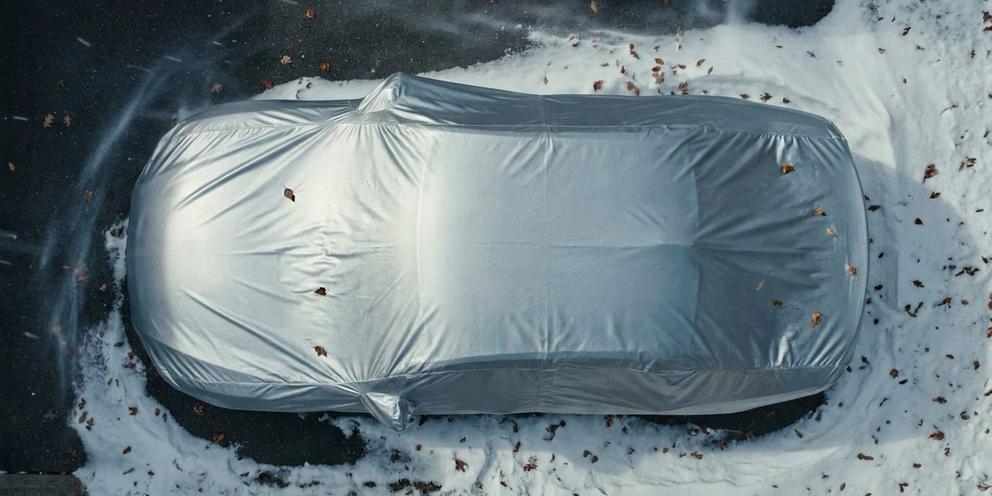
Leave a Mazda3 outside for a season and you'll find out fast whether your cover was built for the job or just sold as one. Rain finds the gaps. Sun finds the paint. And a cheap universal cover usually finds a way to fail at both. If you're comparing an outdoor car cover for Mazda3 ownership against the realities of street parking or an open driveway, the details that matter aren't color or price tag, they're waterproofing method, UV treatment, and fit. Let's get into what actually holds up.
Why Your Mazda3 Needs More Than a Basic Cover Outdoors
Mazda's KODO design language gives the Mazda3 those long, curved body lines, and the factory clear coat on colors like Soul Red Crystal and Machine Gray metallic looks great right up until months of direct sun start dulling it. Oxidation doesn't announce itself. It just shows up one day as a flat, chalky patch you swear wasn't there before.
Body style matters here too. The sedan's trunk lid sheds water differently than the hatchback's liftgate, and that difference changes where a poorly fitted cover starts leaking first. Water doesn't care about your cover's marketing copy, it pools wherever the fabric sags, and on a Mazda3 that's often right at the rear glass line.
This is exactly why Mazda3 owners without a garage end up searching for outdoor-specific protection instead of grabbing whatever indoor cover is cheapest. Street parking, driveway storage, no carport, no real other option. So before you buy anything, you need a buying framework: waterproofing method, UV-blocking material, fit accuracy, and layered protection against wind, tree sap, and bird droppings. Everything below walks through those four in order.
What 'Waterproof' Actually Means in a Car Cover

Here's the thing: "waterproof" on a product listing can mean two very different constructions. A water-resistant coating is a surface treatment, it beads up light rain for a while and then wears thin after repeated soakings. A true multi-layer waterproof laminate is built differently, with taped or sealed seams that keep water from working through the stitching itself, which is where water resistant fabrics usually fail first.
Breathability is the part people skip. A fully sealed, non-breathable cover traps moisture underneath, and on a Mazda3 parked outside for days that trapped condensation can sit against the clear coat and invite mildew. You want waterproof on the outside, breathable enough to let trapped moisture escape on the inside. Both, not one.
Seam placement matters more than most buyers realize. The Mazda3's rear hatch or trunk area is a common failure point for generic covers, so check specifically whether a cover is seam-sealed at the rear and at the mirror pockets, since those are the two spots water pressure finds fastest. For a deeper breakdown of fabric weights and construction, this guide to waterproof fabrics is worth a read before you buy. Look for polypropylene or multi-layer fabric blends rated for sustained rain, not just a light drizzle. There's a real difference between "survives a passing shower" and "survives a week of Pacific Northwest weather," and the product description usually tells you which one you're getting if you read past the headline claim.
UV Protection: Stopping Paint Fade and Interior Cracking
UV damage is slower than water damage, but it's more permanent. A UV-resistant fabric treatment blocks the sun from oxidizing the clear coat, and that's especially visible on darker Mazda3 finishes like Jet Black and Machine Gray, where fading shows up as uneven, cloudy patches instead of a clean fade.
It's not just about the paint. Heat builds up fast under a cover with no UV rating, and that heat gets trapped against the windshield and dash even with the cover on. Dashboard plastic and seat material crack under sustained heat cycling, cover or no cover, so a UV-rated outdoor car cover for Mazda3 owners is protecting the interior as much as the body panels.
When you're reading a listing, look for language that names an actual UV-resistant fabric treatment, not just "sun protection" as a bullet point with nothing behind it. Vague marketing language is a red flag, specific fabric claims are what you're actually paying for.
And don't split the difference. A cover that handles rain well but skips UV treatment still leaves your Mazda3 exposed on every clear day in between storms, which in most climates is most days. You want both properties built into the same fabric layer, not one or the other. This outdoor cover usage guide covers how waterproofing and UV resistance work together in more detail if you want the full picture.
Getting the Right Fit for Your Mazda3
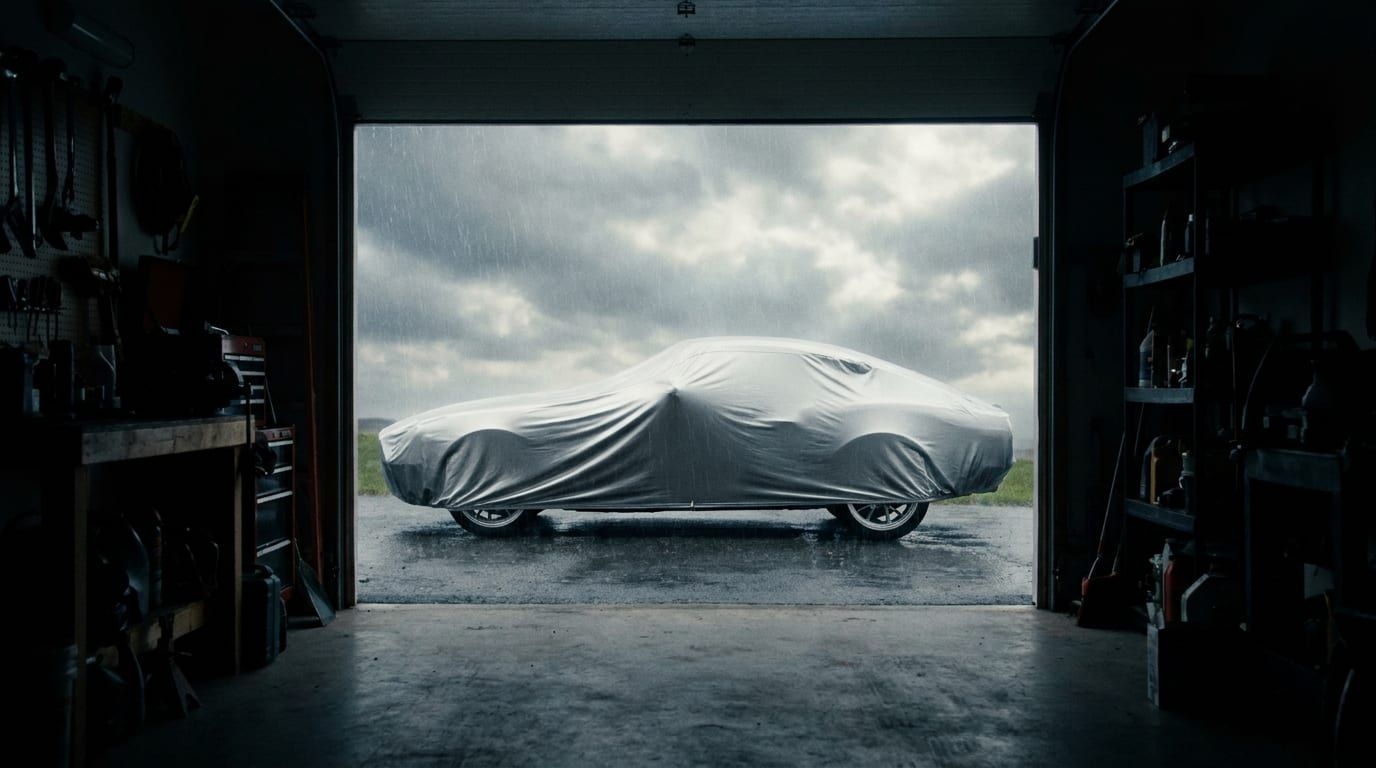
A universal-fit cover is a compromise by design, it's cut to roughly fit a size category, not your car. On a Mazda3 that usually means slack around the lower bumper and loose fabric at the mirrors, and that slack is exactly where wind gets a grip and rain gets underneath.
Custom-fit covers follow the Mazda3's actual body lines, so the waterproof seams stay aligned with the factory panel gaps instead of shifting around in the wind. Less flapping, less wear, fewer gaps for water to find.
Before you buy, confirm your exact model year and whether you're covering the sedan or the hatchback, since the two body styles are shaped differently enough that one cover won't fit both well. Mazda's own cover lineup page is a good starting point for narrowing down what's actually built for your configuration, and this sizing guide walks through how to double check fit before checkout.
A few features worth checking while you're at it: elastic hems that actually cinch snug rather than just sitting loose, grommets positioned for a cable lock, and an antenna patch if your Mazda3 still has a mast antenna. Small details, but they're the difference between a cover that stays put and one you're re-adjusting every morning.
Comparing Outdoor Cover Tiers for the Mazda3
Not every Mazda3 owner needs the same level of protection, and tier really should track how much weather your car actually sits through.
| Tier | Fabric weight | UV treatment | Best for |
| Basic | Lighter-weight waterproof fabric | Decent UV resistance | Mild climates, occasional outdoor parking |
| Mid-tier (deluxe) | Heavier multi-layer fabric | Stronger UV treatment | Daily street parking, added wind straps and grommets |
| Premium (platinum) | Maximum waterproofing, reinforced seams | Highest UV rating | Year-round outdoor exposure, storms and heavy sun |
The basic tier is fine if your Mazda3 only sits outside occasionally and your climate doesn't swing hard between extremes. It's lighter, easier to fold and store, and it covers the basics.
Mid-tier makes sense for the daily street-parking crowd, which is probably most people reading this. Heavier fabric, better UV treatment, and the wind strap or grommet points that keep the cover from working itself loose overnight.
Premium is for owners dealing with real storm exposure or brutal sun, think desert Southwest or hurricane-prone coastlines. Reinforced seams and the highest UV rating cost more, but if your Mazda3 lives outside twelve months a year, that's where the money's actually protecting something. The simple rule: match the tier to how many days a week the car sits outside and what your local climate actually throws at it, not to what looks nicest in photos. Browse the full range of outdoor car covers to compare tiers side by side.
Installation and Care Tips to Make It Last

Install front to back. Secure the elastic hem fully before you clip any wind straps, otherwise you're putting uneven stress on seams that are supposed to last years, not weeks. This installation guide walks through the process step by step if you want to get it right the first time.
If a serious wind warning comes through and you're not using cable locks or straps, just take the cover off. Flapping fabric is the single biggest cause of premature wear, more than rain, more than sun. A cover whipping around in 40 mph gusts is sanding itself down against your paint.
Rinse off dirt, sap, and bird droppings before folding the cover for storage. Folding a dirty cover grinds debris into the fabric and degrades the waterproof coating faster than normal wear would. The cover care guide covers cleaning schedules and what to avoid (skip the harsh detergents).
And check what warranty backs the cover before you buy. A real warranty on materials and workmanship is your safeguard if the waterproofing or UV treatment fails earlier than it should, which matters more outdoors than it does for a cover that only sees garage duty.
Outdoor Cover vs. Tarp or Garage Storage: Making the Final Call
The tarp question comes up a lot, and it's worth answering directly: a generic tarp isn't a substitute. Tarps aren't UV-treated for automotive paint, they don't fit a Mazda3's curves, and that loose fit is exactly what lets wind and water in around the edges. This comparison breaks down why a tarp falls short in more detail.
If you don't have covered parking, an outdoor-rated cover is the realistic middle ground, built for sun and rain exposure in a way that indoor covers, which assume garage storage and lighter dust protection, simply aren't. If your Mazda3 is parked under trees, tree sap and wooded-area exposure adds its own wrinkle to the waterproofing question, since sap can bond to a cheap coating in ways plain rain never would.
Before you compare price or color, confirm two things: verified waterproofing and UV-rated fabric. Everything else is a nice-to-have.
Ready to Protect Your Mazda3 Outdoors
Run through the checklist one more time: waterproof seams (not just a water-resistant coating), UV-rated fabric that protects paint and interior alike, a fit that matches your exact sedan or hatchback body style, and a warranty backing the materials.
If you're ready to stop guessing and start comparing actual options, it's worth browsing car covers built for your exact vehicle before you commit to a tier. And if you want more guides like this one as you figure out what your Mazda3 actually needs, stick around the blog, it's worth the bookmark.
Match the cover tier to your climate and how often the car sits outside, confirm the fit for your model year, and check the waterproofing and UV claims one more time before checkout. That's really all there is to it.
Updated