


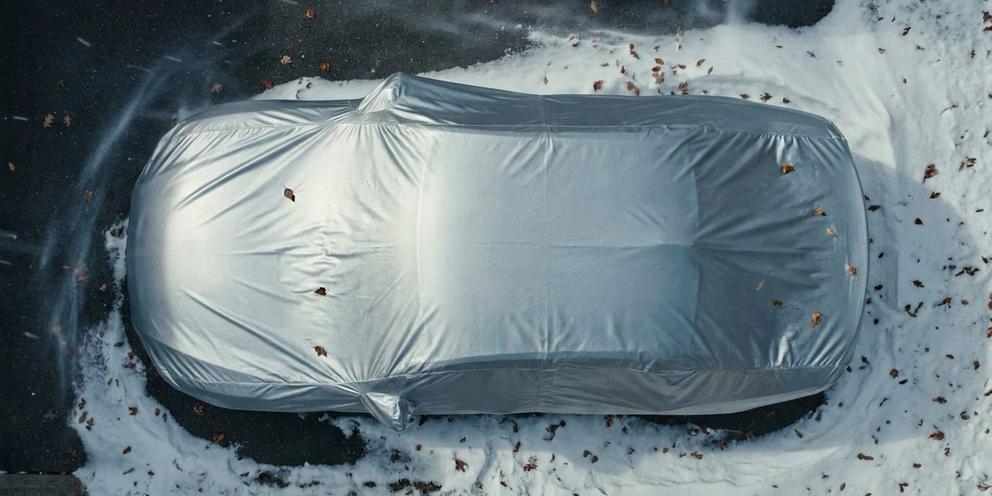
Best Outdoor Car Cover for Mini Cooper: Waterproofing & UV Protection Guide
Mini Coopers get treated like toys, and that's part of the problem. People park them on the street, tuck them in a driveway corner, or leave them sitting through a full New England winter without thinking twice, because they're small and feel tougher than they are. They're not. Choosing the right outdoor car cover for Mini Cooper ownership means understanding how water, sun, and grime actually interact with this particular shape of car, not just grabbing whatever fits a "compact car" label at the auto parts store.
Why Your Mini Cooper Needs an Outdoor-Specific Cover
A Mini sits low. Real low, compared to the sedans and crossovers most generic covers are designed around. That changes how rain behaves once it hits the car. Runoff pools differently around tight panel gaps and rocker panels, and it doesn't always drain the way it would on a taller vehicle with more ground clearance. Water finds the path of least resistance, and on a Mini that path often runs right along seams a thin cover won't seal.
If you've got a convertible or soft-top Mini, the stakes go up. Canvas seams are a weak point for water intrusion even when the top's in good condition, and an outdoor car cover for Mini Cooper convertibles needs to account for that fold height and seam pattern specifically.
And this isn't just a convertible problem. Daily-driven hardtops and weekend-only Minis both sit under direct sun for hours, and UV doesn't care if you drive the car every day or once a month. It fades paint and bakes the dash through the glass either way. At this point you already know you need a cover, this is about picking the right one. Start by looking at what's actually built for outdoor use rather than an indoor dust cover pressed into a job it wasn't designed for. If you want a baseline for what fits a Mini specifically, the Mini cover lineup is a reasonable place to start comparing options.
What Happens to a Mini Cooper Left Outdoors Without a Quality Cover
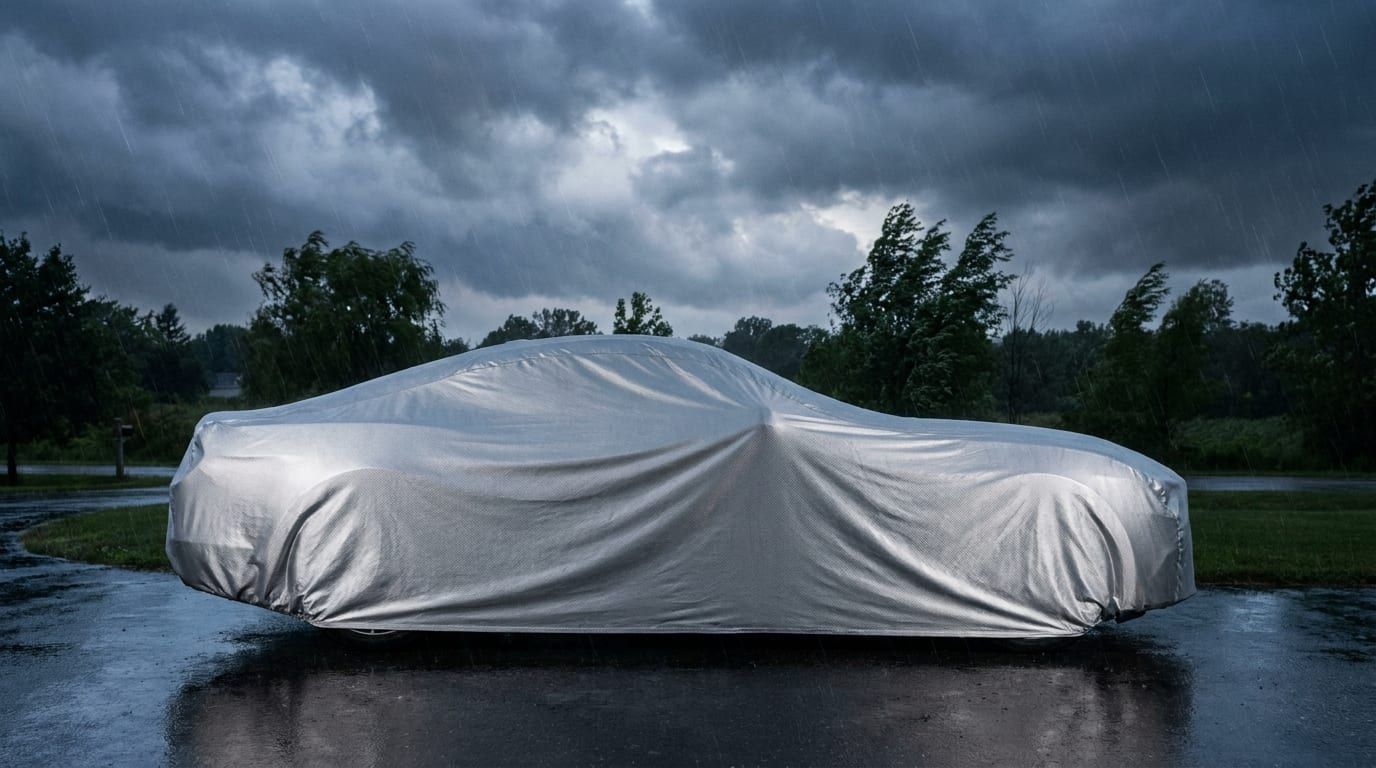
Leave a Mini uncovered for a season and the paint tells on you. Bold colors show it fastest. British Racing Green and the brighter yellows and reds Mini loves to offer are gorgeous when new, but they also show clear coat oxidation and fading sooner than a muted silver or black would. The pigment breaks down under UV exposure, and once that fade sets in, it's not coming back with a polish.
Water does its own damage, quieter but just as real. It creeps in around door seals and, on convertibles, through soft-top seams, and once moisture is trapped inside a closed-up car it doesn't leave on its own. Mildew sets in. The musty smell that follows is hard to get out of upholstery once it's there.
Then there's everything falling from above. Tree sap, bird droppings, pollen, all of it sits on paint and, given enough time and enough sun to bake it in, starts etching into the clear coat. One season is honestly enough. Rubber trim and seals dry out faster too under direct sun exposure, and tires parked in the same spot for months start cracking at the sidewall sooner than they should.
Waterproofing: What Actually Matters in an Outdoor Cover

Here's where a lot of buyers get confused: "waterproof" and "water-resistant" aren't the same claim, and the difference matters. A fully waterproof, non-breathable fabric blocks water completely, but it also traps moisture and heat underneath if there's no ventilation built in. That trapped condensation can do nearly as much damage as rain would have. Breathable, water-resistant fabric lets vapor escape while still shedding rain, which is usually the better trade-off for day-to-day outdoor parking.
Honestly, the fabric itself usually isn't where cheap covers fail. It's the seams. Seam-sealing and reinforced stitching are the actual point of failure on budget covers, cheap stitching lets water wick through at every seam line even when the base material is rated well. Check that before you check the fabric spec.
Climate matters more than most buyers plan for. A cover rated for occasional light rain is not the same product as one built for sustained storms or year-round coastal humidity, and treating them as interchangeable is how people end up disappointed in month two. Read the waterproof car cover specs closely, and match the rating to where the car actually lives, not where you wish it lived. Reinforced grommets and drainage points matter too, especially on a low-profile car like a Mini where water can pool on the hood or roofline instead of running off. For a deeper breakdown of how wind, rain, and UV all interact outdoors, the guide to using a car cover outdoors covers it in more detail than I can fit here.
UV Protection: Comparing Fabric Layers and Coverage Levels
Not all cover fabric is built the same, and this is the category where single-layer tarps fall apart fastest, literally. A proper outdoor cover uses a UV-resistant outer shell over a soft inner layer, so the harsh part faces the sun and the gentle part faces your paint. A cheap tarp has no such division. It degrades under UV exposure and, worse, can scratch clear coat as it flaps against the body in wind.
Coverage tiers generally break down into three buckets. Entry-level outdoor covers handle basic sun exposure and light rain, fine for someone with partial garage access who just needs backup protection. Mid-tier covers add real rain and snow resistance for climates with actual weather. Premium covers are built for full-time outdoor exposure, meaning intense UV, wind, and precipitation all year. The material comparison guide is worth a read if you're trying to figure out which fabric actually lines up with your climate instead of guessing.
Match the tier to where the car lives, not an average. A driveway with afternoon shade has very different UV demands than a carport-free lot baking all day. And a properly fitted cover does double duty here: it blocks UV from hitting the glass and cooking your dash and upholstery from the inside, which matters more in summer than people expect. There's more on that angle in this piece on keeping a car cool in summer heat.
Getting the Right Fit for Your Mini Cooper Model
Mini's lineup isn't one shape. The hardtop 2-door, 4-door, Clubman, Countryman, and convertible all have different rooflines, overhangs, and proportions, and a universal cover is going to bunch up somewhere on all of them. Usually right at the short front and rear overhangs that make a Mini a Mini in the first place.
A custom-fit cover tracks those body lines tighter, which isn't just about looks. Loose fabric flaps in wind, and repeated flapping abrades clear coat over time, the exact problem a good cover is supposed to prevent. If you drive a convertible, double check that the cover accommodates the folded soft-top height without stretching fabric thin over that highest point, a cover that's slightly undersized there will wear through first.
Before you buy anything, run your Mini's measurements against a proper sizing guide or use a cover finder tool to confirm the match. It takes five minutes and saves you a return/exchange cycle that's annoying for everyone involved.
Outdoor Cover vs. a Tarp or DIY Cover for a Mini Cooper
I get why a tarp looks tempting. It's cheap, it's at the hardware store, and it technically covers the car. But tarp fabric isn't UV-stabilized, so it breaks down fast outdoors, and that same stiff material scratches clear coat every time wind catches an edge and drags it across the panel.
Tarps also don't know what a Mini looks like. They're flat sheets draped over a curved body, which means loose fabric collects water in low spots instead of shedding it the way a shaped cover does. That pooled water just sits there, defeating the entire point.
A purpose-built outdoor car cover for Mini Cooper models comes with elastic hems that cinch to the body, strap systems that hold it in place, and sometimes cable lock points a tarp setup simply can't replicate. For anyone still on the fence between a cheap tarp and a real cover, this comparison lays out the case in more detail. If you've already got a tarp in the trunk right now, that's your sign to upgrade.
Installing and Caring for Your Mini Cooper's Outdoor Cover

Fit is only half the job. Installation matters just as much, especially for Minis parked in open driveways or windy regions where a loose cover will shift overnight and expose a panel by morning. Gust straps are cheap insurance against that.
Before you cover the car for the first time, wash it. Trapping grit and road dust under the fabric is a quiet way to scratch clear coat without ever noticing it's happening, the cover rubs the grit into the paint every time wind moves it even slightly.
The cover itself needs care too. A waterproof coating doesn't last forever if it's never cleaned, dirt and grime break it down faster than expected. Set an actual cleaning schedule, and follow the cover care guide rather than just hosing it off. And if a defect does show up, proper installation and care matters for your warranty claim too. Skipping basic maintenance steps is one of the more common reasons a legitimate claim gets questioned.
Choosing and Buying Your Mini Cooper Outdoor Cover
Boil it down and the decision checklist is short: how exposed is your parking spot, are you covering a hardtop or a convertible, and what protection tier actually matches your budget and climate. Get those three right and you've eliminated most of the bad options already.
If you're stuck between two covers with similar specs, let warranty coverage break the tie. It's one of the few things that's genuinely comparable side by side. And don't skip the sizing step, confirming the right fit before checkout saves you the hassle of a return later, and a cover that doesn't track your Mini's lines won't protect it the way it should.
If you're still weighing options or want to see what else holds up outdoors, poke around the rest of our car cover guides. It's worth a few extra minutes before you commit to one sitting in your driveway through every season ahead.
Updated