


Best Waterproof Car Cover for Chevrolet Suburban: Climate-Specific Protection Guide
A Suburban isn't a small car with extra doors bolted on. It's got a roof the size of a small table, panel lengths that stretch nearly nineteen feet, and a driving pattern that puts it outdoors more than most passenger cars ever see. If you're shopping for a waterproof car cover for Chevrolet Suburban ownership, the generic "waterproof" label on a box doesn't tell you much. What matters is whether that cover actually holds up against the specific weather hitting your driveway, week after week.
Why a Full-Size SUV Like the Suburban Needs Real Waterproofing
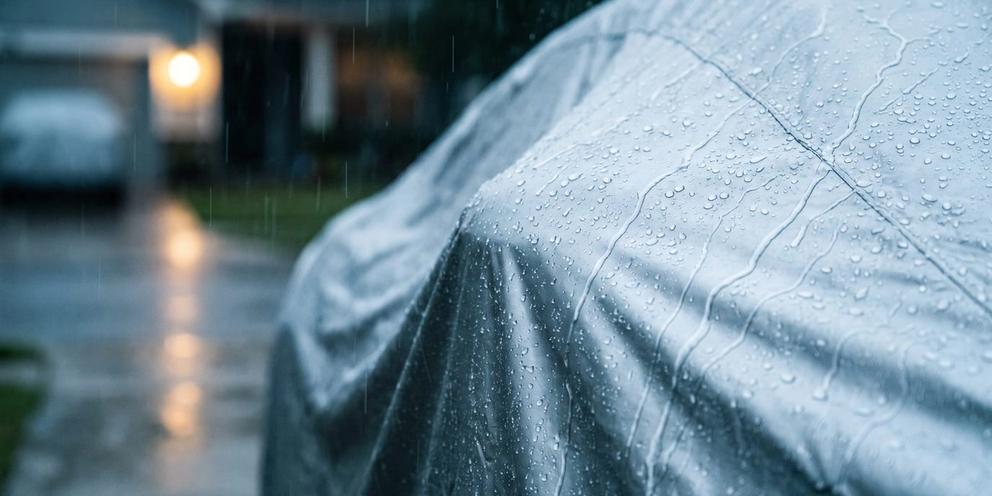
That flat roof is the first problem. On a sedan, rain runs off in seconds. On a Suburban, water pools across the roof panel and along the long, mostly flat stretches of the doors and quarter panels before it finds a way down. Any weak seam or thin patch in the fabric sits directly under that standing water for hours, not minutes. Cheap covers that "mostly" work on smaller cars often fail right where the Suburban's roofline goes flat.
Then there's how these vehicles actually get used. A Suburban is a family hauler, a tow vehicle, a job-site truck. It's parked in driveways, at campgrounds, on gravel lots, and rarely tucked into a garage overnight. That means more freeze-thaw cycles, more sun exposure, more nights of condensation, all adding up faster than they would on a car that's garaged five nights a week.
So the goal here isn't just "find a waterproof cover." It's matching the waterproofing level and feature set to your actual climate, since a cover built for Arizona sun does a different job than one built for Michigan snow load.
What 'Waterproof' Actually Means in a Car Cover
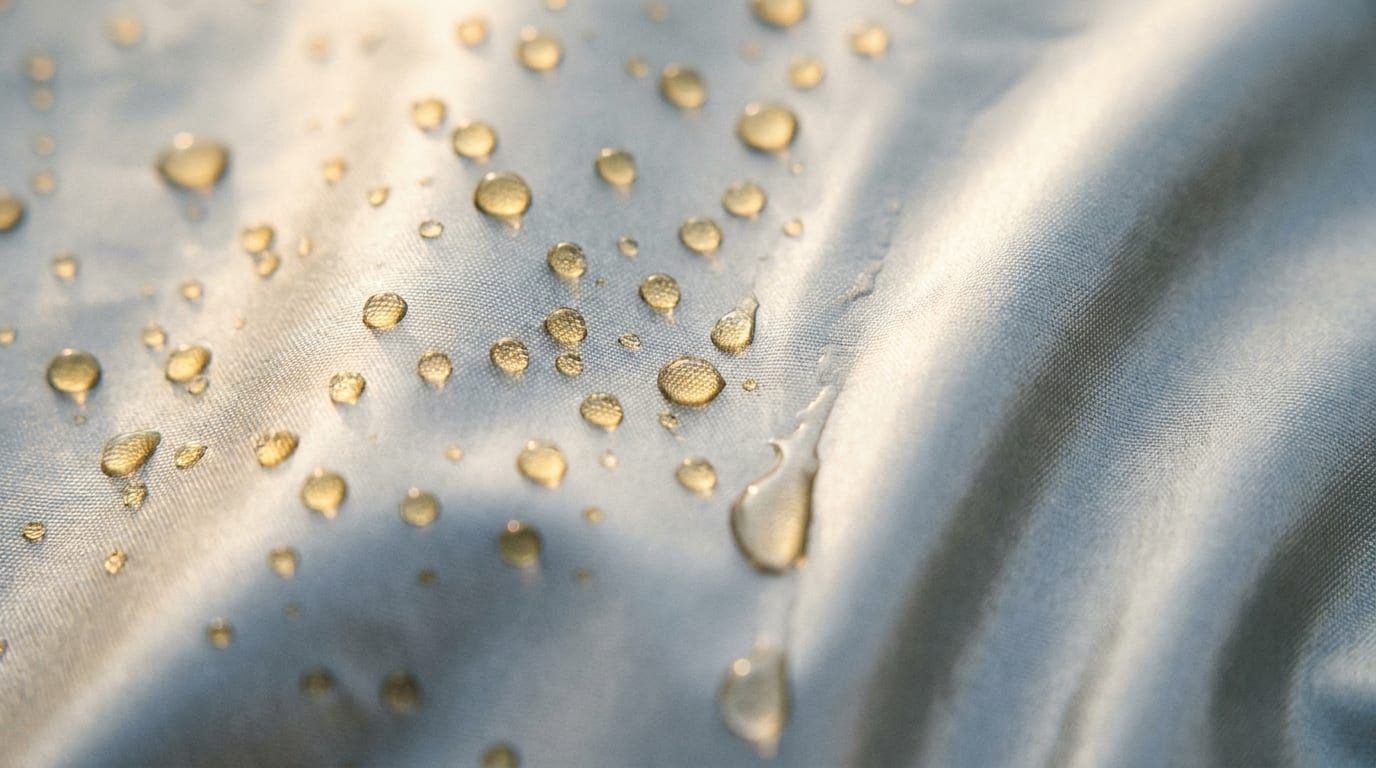
Here's where a lot of buyers get tripped up. Water-resistant and waterproof are not the same thing, even though the product listings blur the line constantly. Water-resistant fabric usually has a DWR (durable water repellent) finish, fine for light drizzle, but it wets out under sustained rain. Truly waterproof means a PU-coated or laminated fabric layer, paired with taped or sealed seams so water can't sneak through the stitching.
But full waterproofing without breathability creates its own problem. If moisture from the ground or from a wet vehicle gets trapped underneath, it has nowhere to go. That trapped moisture condenses on the Suburban's paint and trim overnight, and over weeks that's how you get mildew spots and clouded clear coat. The best covers balance a waterproof outer shell with an inner layer that still lets vapor escape.
Small details decide whether this all works in practice. Grommets need to be placed for actual tie-down points, not decoration. Elastic hems need enough tension to stay snug through wind gusts without pulling free. Reinforced seams matter most exactly where the Suburban's roof meets its pillars, because that's where water pressure concentrates during a sustained downpour or fast snowmelt. If you want the deeper technical rundown on coatings, layering, and seam construction, the waterproof car covers buying guide covers it in more detail than we need to repeat here.
Matching Your Suburban's Cover to Your Climate
This is the part most buying guides skip, and it's the part that actually determines whether you're happy with the cover six months from now.
If you're in a heavy-rain or humid region, like the Gulf Coast or the Pacific Northwest, prioritize multi-layer waterproof shells with sealed seams and strong UV inhibitors baked into the outer layer. Humidity plus trapped moisture is exactly how mildew takes hold, and it happens faster than people expect on a vehicle parked outside most of the week.
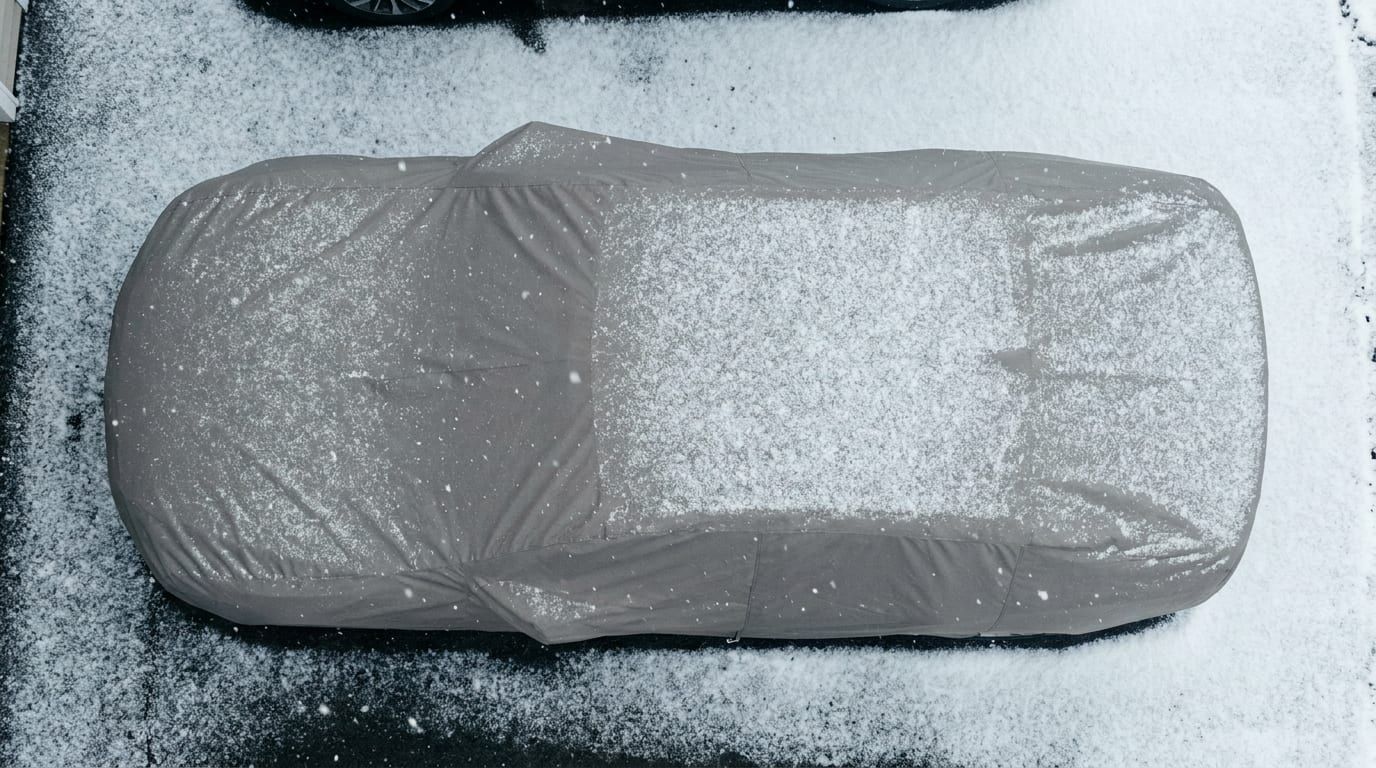
Snow and ice regions need something different. Look for fabric that resists cracking in freezing temperatures, since some cheaper waterproof coatings turn brittle below freezing and split at the folds. You also want a cover that sheds snow load rather than sagging into it, because a Suburban's long roof can hold a surprising amount of accumulated snow before it starts stressing the fabric.
Hot, dry, high-UV climates flip the priority list. Rain might barely be a factor in Phoenix or Vegas, but sun damage is a daily fact of life. UV-resistant outer layers and reflective materials matter more here than seam sealing does, and they also cut down interior heat buildup, which protects the dash and seats.
Coastal and salt-air regions bring their own wear pattern. Salt residue corrodes cheap hardware fast, so check that grommets and buckles are corrosion-resistant, and look for a moisture-wicking inner layer that won't hold salt-laden condensation against the paint.
Whatever climate you're in, the guide to using a car cover outdoors against wind, UV, and rain walks through setup specifics worth reading before you buy.
Getting the Fit Right for a Vehicle This Size
Here's the thing nobody tells you: the best waterproof fabric in the world doesn't matter if the cover doesn't fit. Gaps around the mirrors, the front bumper, or the roofline give water a direct path in, no matter how good the coating is. A loose cover also flaps in the wind, which wears down the waterproof coating from the inside out through repeated friction.
For a vehicle the size of a Suburban, you're choosing between custom-fit and semi-custom options. Custom-fit covers are cut to the Suburban's exact dimensions, mirrors, and trim lines, so they hug the body and leave nothing exposed. That precision costs more, but it's worth it if the vehicle sits outside most of the time. Semi-custom covers are more affordable and still reasonably snug, and they can work fine if you're mainly dealing with occasional overnight exposure rather than constant outdoor storage.
Before you buy either, confirm your measurements. Suburbans vary in length and height across model years, and roof racks or antennas change what you actually need to cover. The sizing guide for car covers walks through exactly how to measure so you're not guessing. It's also worth checking the Chevrolet SUV cover lineup directly, since Suburban-specific options are built around these exact dimensions rather than a generic full-size SUV template.
Storm-Proofing the Setup: Straps, Locks, and Accessories
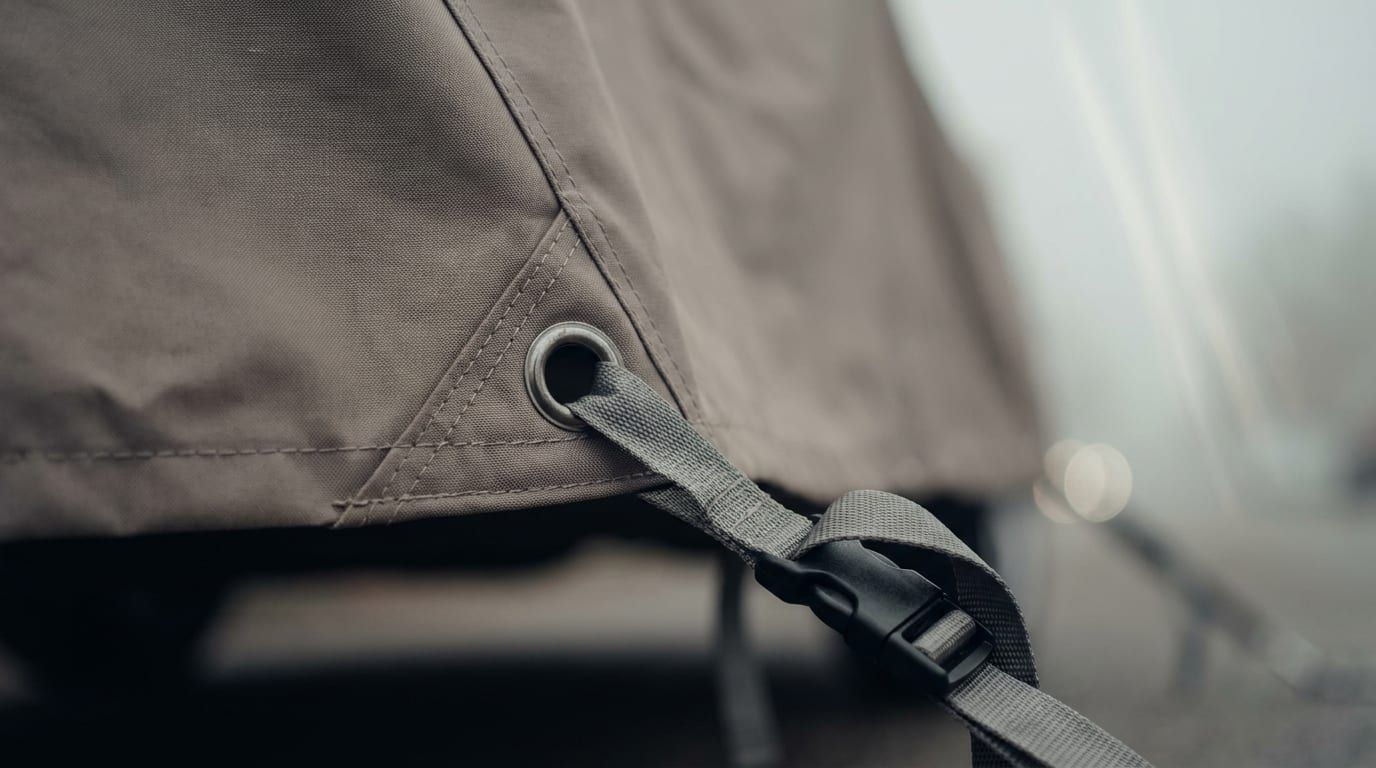
A waterproof cover that isn't secured is a liability, not protection. Wind gets under a loose edge, lifts the cover, and suddenly rain or hail is hitting paint the cover was supposed to block. This happens most often during the exact storms you bought the cover for in the first place.
If you're in a windy region, gust straps are a cheap fix for a real problem. They cinch under the vehicle and keep the cover pinned down even when gusts pick up. The gust strap installation guide shows the setup, and it takes only a few extra minutes once you know the routing.
For Suburbans parked in driveways or shared lots overnight, a cable lock is worth adding too. It won't stop everything, but it deters casual tampering and keeps the cover from walking off in high wind or getting pulled loose by curious hands.
And if you're in the Midwest or the Plains, hail is a bigger threat than rain most seasons. Standard waterproof covers aren't built to absorb hail impact the way a dedicated hail protection cover is, so it's worth checking that category separately if hail is a regular concern where you live.
Maintaining Waterproofing Over Time
Dirt is quietly the enemy here. Road grime and dust settle into the fabric's weave and break down the water-repellent coating faster than most owners expect, especially on a vehicle that's driven daily and picking up new grime every week. A cover that was fully waterproof at purchase can start letting moisture through within a season if it's never cleaned.
The fix isn't complicated. Rinse off loose dirt regularly, and do a proper wash every few weeks with a mild, non-detergent soap, not whatever's under the kitchen sink. Harsh detergents and high-heat drying strip the waterproof coating right along with the dirt. The cover cleaning guide has the specific steps and product recommendations if you want to get it right the first time.
Installation habits matter just as much as cleaning. Secure the hem first before you pull the rest of the cover into place, and never drag it across pavement getting it on or off. That dragging is one of the fastest ways to wear through a seam that was sealed at the factory. The general installation guide covers the full process if you want a refresher.
Choosing the Right Option and Buying with Confidence
The decision framework here isn't complicated, even if the product pages make it feel that way. Start with your climate, then nail down the fit, then layer on accessories like straps or a lock if your situation calls for them. Skipping straight to whatever's the most expensive option on the page doesn't guarantee it's right for a Suburban parked outside in Minnesota versus one parked outside in Miami.
Before you commit, check the warranty. Waterproofing failure, seams letting water through, coating wearing thin, is the single most common reason covers get returned or claimed against. A lifetime warranty on car covers worth having should actually spell out what's covered if the waterproofing underperforms, not just the stitching.
If you're still narrowing things down, it's worth browsing current options built specifically for the Suburban's dimensions rather than settling for a generic full-size SUV fit. And if you found this rundown useful, stick around the site. There's more climate-specific cover advice worth digging into before you make the call.
Updated