


Car Cover for BMW 3 Series: Custom-Fit Sizing, Materials & Buying Guide
A BMW 3 Series has worn a lot of different shapes since 1999. Sedan, wagon, coupe, convertible, Gran Turismo, five generations, and a roofline that's changed more than once along the way. If you're shopping for a car cover for BMW 3 Series ownership, that variety is exactly why the generic option in the auto parts aisle rarely fits right. This guide walks through matching your specific 3 Series to the correct cut, picking a protection level for your climate, and knowing what features actually matter before you check out.
Why a Universal Cover Won't Cut It for a BMW 3 Series
Five generations, one nameplate. The E46 (1999-2006), E90/E91/E92/E93 (2006-2013), F30/F31/F34 (2012-2019), and G20/G21 (2019-present) all carry the 3 Series badge, but they don't share a silhouette. Sedan, wagon, coupe, convertible, Gran Turismo: each body style has its own length, roofline pitch, and rear fascia curve. A cover cut for one won't drape correctly over another.
That's the core problem with universal or "semi-custom" covers. They're built to a size range, not a shape, so they leave slack. Slack flaps in wind. Flapping wears a groove into your clear coat over months of parking. Slack also pools water on the roof or trunk instead of shedding it, which is the opposite of what a cover is supposed to do.
A custom-fit car cover for BMW 3 Series models solves this directly. It's patterned to the actual body, with mirror pockets positioned where your mirrors actually sit, a hem that ends where the rocker panel ends, and a fit snug enough that you're not out there with clothespins and bungee cords trying to make a one-size-fits-all cover behave. The rest of this guide is about helping you land on the exact custom-fit car cover built for your generation and trim, so that when you land on the BMW cover page, you already know what you're looking for.
BMW 3 Series Cover Fit & Size Table by Generation
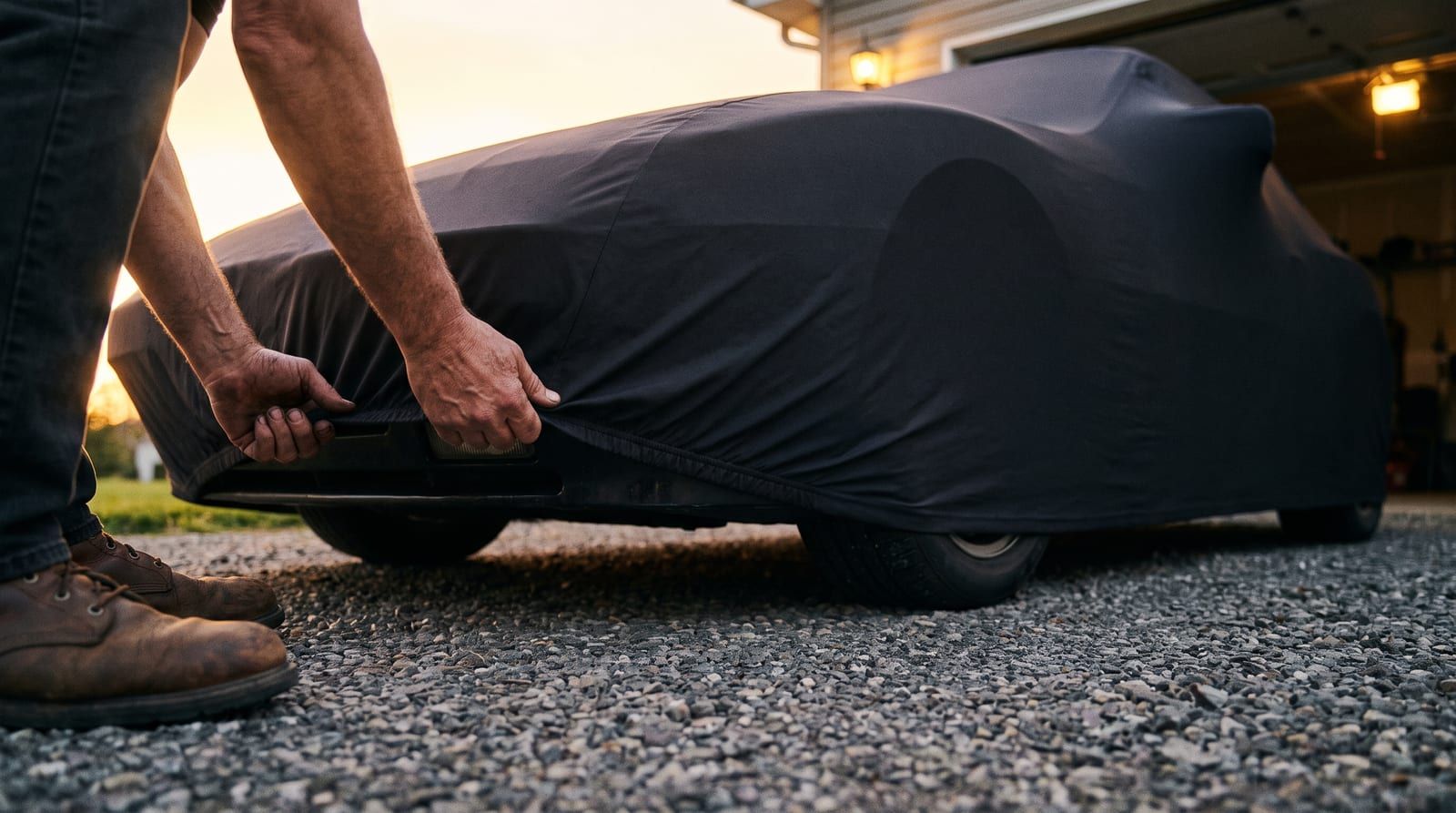
Generation is the starting point, but it's not the whole story. Here's how the fit differs across the model's history.
E46 (1999-2006)
- Body styles: Sedan, coupe, wagon, convertible
- Approximate length range: 174 to 177 inches depending on body style
- Fit notes: Shorter overall length than later generations, plus a more rounded rear fascia that changes how the hem needs to be cut at the bumper line
E90/E91/E92/E93 (2006-2013)
- Body styles: Sedan, wagon, coupe, convertible
- Approximate length range: 178 to 182 inches
- Fit notes: The coupe and convertible use a lower, more sloped roofline than the sedan and wagon, so they need a different pattern entirely, not just a shorter or longer version of the same cover
F30/F31/F34 (2012-2019)
- Body styles: Sedan, wagon, Gran Turismo
- Approximate length range: 182 to 194 inches, with the GT running longest
- Fit notes: The Gran Turismo's hatchback profile and stretched rear overhang mean it can't borrow the sedan's pattern. It needs its own cut from the C-pillar back
G20/G21 (2019-present)
- Body styles: Sedan, wagon
- Approximate length range: 185 to 189 inches
- Fit notes: Newer trims run wider mirrors and larger wheel arches than earlier generations, which affects how snug the mirror pockets and wheel-well elastic need to be
Trim matters too. If your 3 Series has an aero kit, a rear lip spoiler, or a roof antenna added after the fact, those can all change what cutouts you actually need. Don't guess off the generation alone. Confirm your exact trim and, if you have it, your VIN against the sizing guide for your vehicle before you order.
Choosing the Right Protection Tier for Your Climate
Where you park is the real question here, not just what generation you drive.
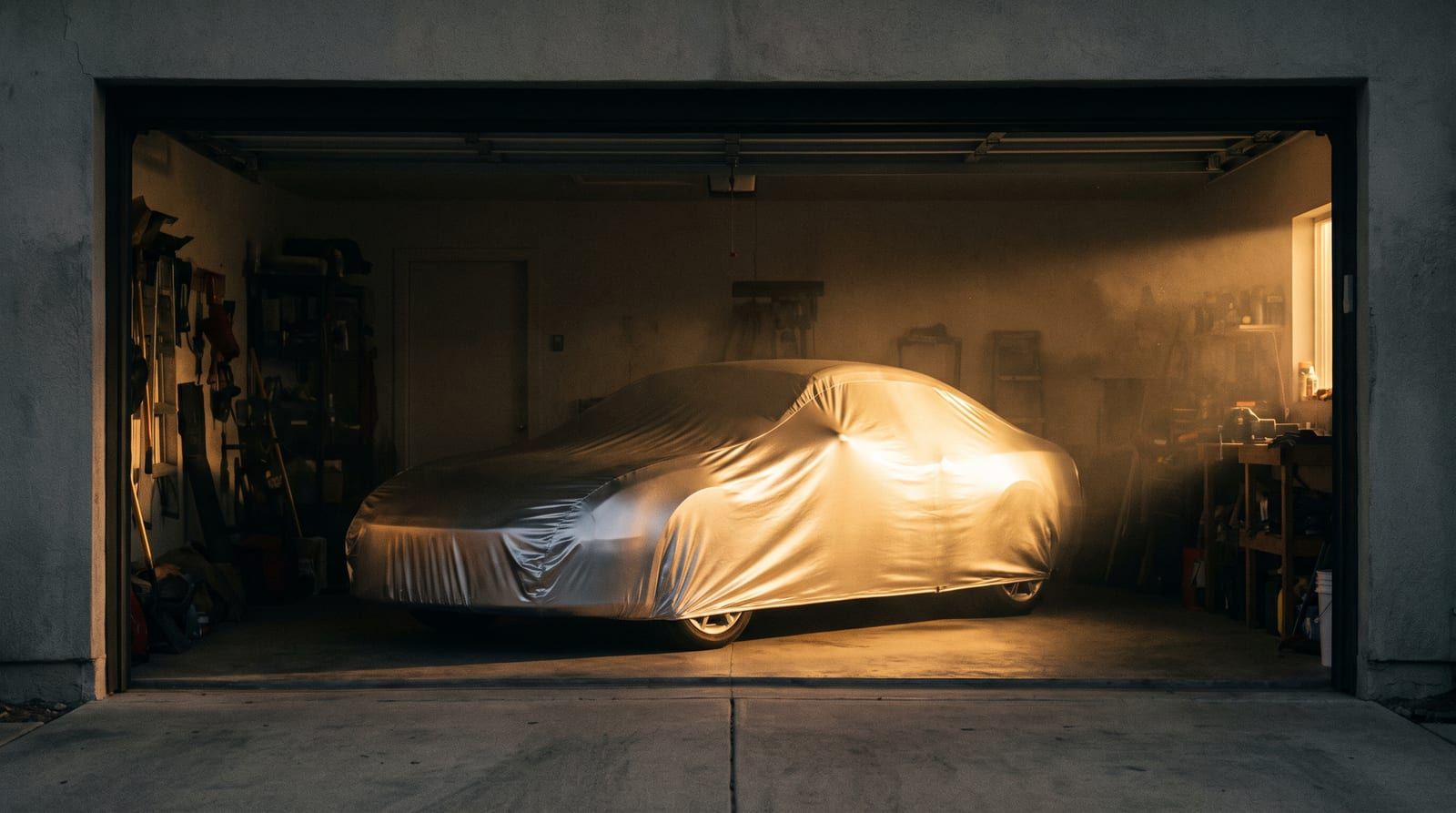
If your 3 Series lives in a garage, you don't need a cover built to survive a hailstorm. You need something soft that keeps dust off the paint and won't scratch it during the daily drape-and-remove routine. An indoor cover with a satin-style interior is built for exactly that: light, breathable, gentle on clear coat.
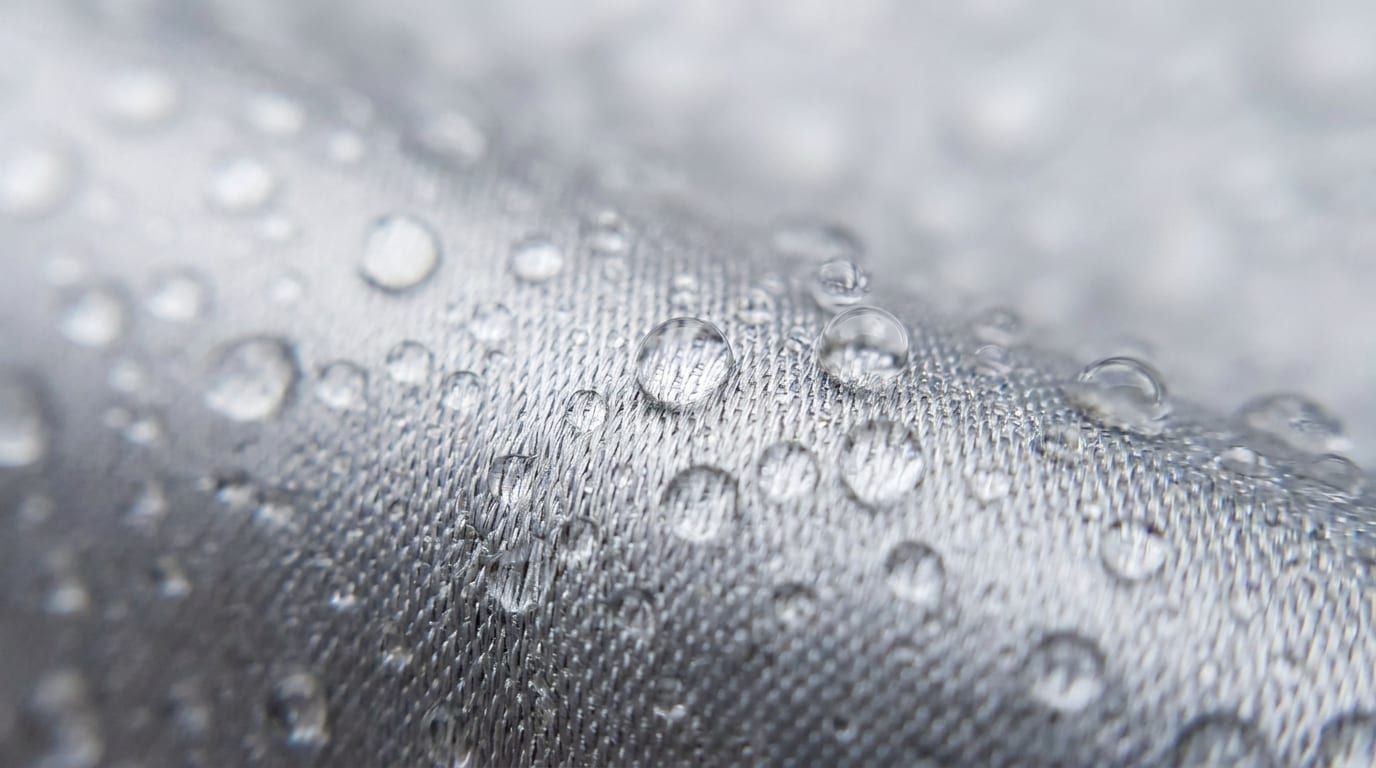
Parked outside changes the math completely. Sun, rain, road grime, tree sap: an outdoor cover needs to actually block UV and shed water, not just look like it does. Mid-tier options use a breathable woven fabric that keeps light rain out and resists mildew during weeks of continuous outdoor storage, which matters if your 3 Series doesn't move much in the winter. Look at waterproof car covers if rain and humidity are your main concern, or outdoor car covers more broadly if you want the full rundown of what outdoor-rated actually means.
At the top end, there's the padded, thicker platinum-tier option built for hail-prone regions or covered parking near falling debris (think overhanging trees, construction sites, or carports under power lines). If you're in Texas, Oklahoma, or anywhere else hail shows up on the forecast a few times a year, a hail-rated cover is worth the extra thickness.
Here's the simple version: garage-kept owners should prioritize softness and breathability. Daily-outdoor owners should prioritize waterproofing and UV rating over how plush the lining feels. And if you drive a coupe or convertible, weigh UV protection a little heavier than a sedan owner would. Those body styles show more painted surface with fewer trim breaks, so sun fade shows up faster and more visibly.
Features to Check Before You Buy
Generation and protection tier get you most of the way there. These details are what separate a good fit from an annoying one.
Mirror pockets are the first thing to check. A cover that has generic slits instead of pockets sized for factory BMW mirrors will either pull at the fabric or leave the mirrors exposed. Neither is acceptable on a car with mirror-mounted turn signals and cameras.
Antenna cutouts matter more for older cars. E46 and early E90 models often ran a mast antenna, which needs a patch or slit in the cover. Newer 3 Series generations moved to shark-fin antennas, which sit flush and usually don't need a dedicated cutout at all. If your cover doesn't account for whichever antenna style you have, you'll be forcing fabric around it every time you install it.
Elastic hems and buckle straps keep the cover pinned down under the rocker panels instead of ballooning in a stiff wind, which matters more than people expect if you park anywhere near a highway or an open driveway. Grommets that accept a cable lock are worth having too, especially for street parking or a shared garage where you can't fully control who's near the car.
Last thing: check the stitching. Reinforced seams and double-stitched panels are a real durability signal, particularly if you plan to leave the cover on for weeks at a stretch rather than putting it on and off daily. Materials and stitching quality vary a lot between covers that look similar in a product photo. Our breakdown on what makes a good car cover material covers this in more depth if you want to compare fabric types side by side.
Installing and Caring for Your 3 Series Cover
Fitting the cover is the easy part once you've got the right pattern. Drape it front to back, work the elastic hem around all four wheel wells so it seats against the rocker panels, then cinch any included straps underneath the chassis. Three steps, a couple minutes, done.
Coupe and convertible owners should pay extra attention to roofline tension. Those lower, sloped rooflines can let a loosely fitted cover sag into the windshield gap, which traps water right where you don't want it. Snug it down at the A-pillar before you walk away. If you want the full walkthrough with more detail than a three-step summary gives you, our installation guides cover it model by model.
Before you fold the cover away for storage, wash it and let it dry completely. Folding a damp cover into a bag is basically how mildew gets started, and once it sets in, it's hard to fully get rid of. Our guide on storing a car cover properly walks through the drying and folding process if you're not sure what "completely dry" actually means in practice.
Regular cleaning isn't just about the cover, either. A cover that's been sitting outside for weeks traps grit against the paint, and every time it shifts in the wind, that grit acts like sandpaper. Cleaning the cover on a schedule protects the BMW underneath it just as much as it protects the cover itself. Here's how to clean a car cover the right way, without damaging the fabric's water resistance.
Warranty and Purchase Confidence
A lifetime warranty on stitching and material defects means exactly that: if a seam fails or the material itself is defective, you're covered. It doesn't mean the cover is immune to normal wear from years of sun exposure or the occasional scrape against a rough panel, and no honest warranty claims otherwise.
For anyone this deep into researching a fit-specific purchase, the warranty is really about risk reduction. You're ordering a cover for a car you can't bring into a fitting room. A documented lifetime warranty means that if something's genuinely wrong with the material or the stitching, you're not stuck with it. And if the fit itself is off, generation mismatch, wrong trim, whatever, a straightforward return process means you can exchange it rather than eating the cost of a guess that didn't pan out.
Get the Right Cover for Your BMW 3 Series
The path here is short: confirm your generation and body style, decide how much weather protection your parking situation actually demands, check the feature list against what your specific car needs (mirror pockets, antenna type, strap style), then match the size chart to your VIN or trim before you buy.
Once you've got those four things sorted, the product page is where it comes together. A properly matched car cover for BMW 3 Series ownership isn't a big purchase, but it protects paint, interior trim, and resale value for years, which makes it one of the cheaper ways to keep the car looking like you actually care about it. Worth getting the fit right the first time.
If you're still narrowing down which generation or protection tier fits your situation, browse our other car cover guides for more on materials, climates, and fit before you commit.
Updated