


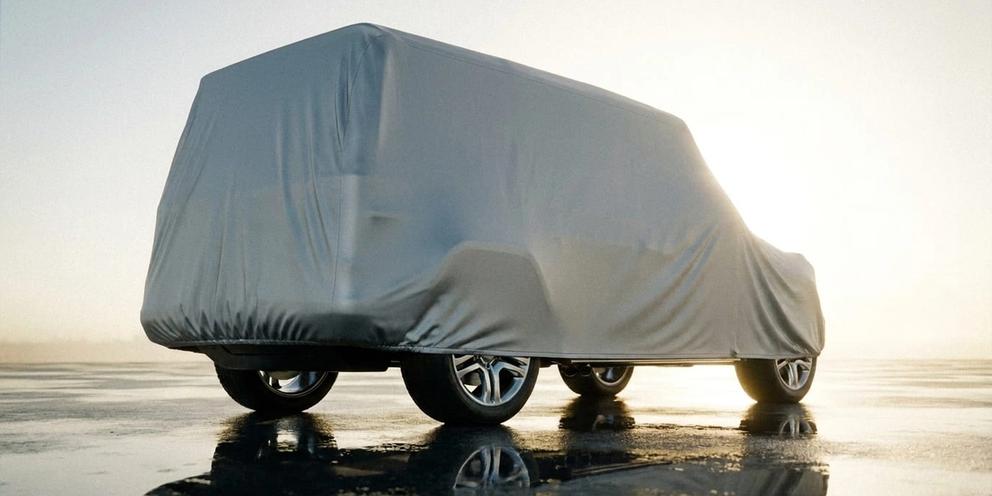
Custom-Fit vs. Universal Car Cover for a Ford Escape: Which One Actually Protects Your SUV?
Your Ford Escape sits outside more than most vehicles in the household. It's the errand-runner, the school pickup line regular, the one that gets left in the driveway while the "good car" goes in the garage. So the cover you put on it matters, and the choice between a custom fit car cover for Ford Escape and a generic universal one isn't as trivial as it looks on a product page. One protects the vehicle you actually own. The other protects a rough approximation of it.
Why This Decision Matters More Than It Seems for the Escape
The Escape isn't one shape. It's four.
The 2001-2007 first generation, the 2008-2012 refresh, the 2013-2019 third generation, and the 2020-present model all have different roofline heights, mirror housings, spoiler setups, and roof rail configurations. A cover pattern built for a boxier early Escape isn't going to sit right on the more rounded, lower-slung current generation. So "one cover fits all Escapes" is already false before you even get to the universal-vs-custom question.
That's really the core question here: is it worth paying more for a cover patterned to your specific Escape, or does a cheaper universal cover get the job done? The rest of this article compares the two head to head, on the factors that actually affect an Escape owner, not car covers as some abstract category.
What 'Custom-Fit' Actually Means for a Ford Escape
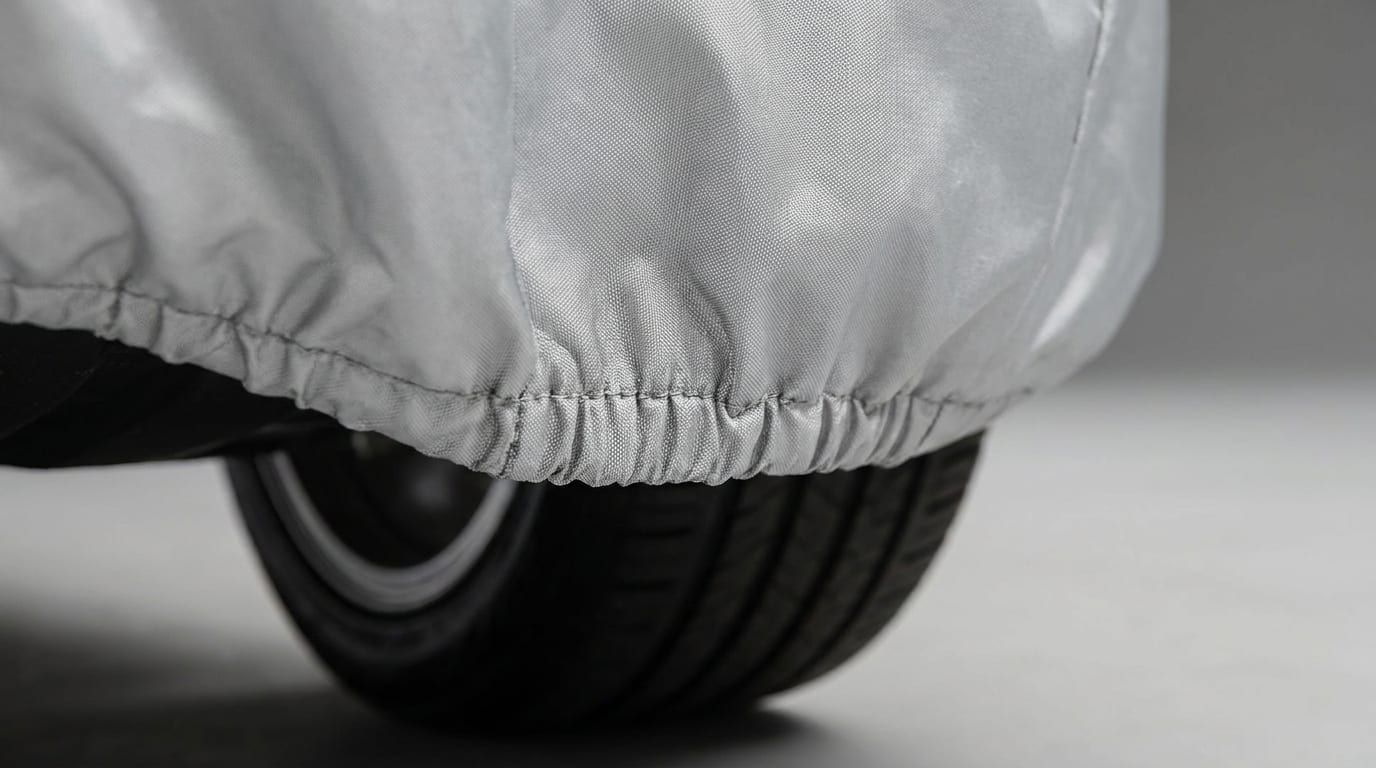
A true custom-fit cover is patterned to your Escape's exact year and trim, bumper to bumper. That means the roofline curve, the mirror pockets, and any rear spoiler cutout are all built into the pattern, not guessed at.
This matters more on the Escape than you'd think, because trims aren't identical under the skin. An SEL or Titanium with factory roof rack rails needs different clearance than a base S trim without them. Hybrid and PHEV variants can carry slightly different badging and trim pieces too. None of these are dramatic differences, but they're enough to change how snug and clean a genuinely custom pattern sits.
Worth flagging here: "semi-custom" is a real middle tier, and it gets confused with true custom-fit constantly. Semi-custom covers are sized by broad vehicle category (compact SUV, mid-size SUV) with some adjustable elements like elastic hems or straps, but they aren't patterned to your Escape's specific year and trim. If you're comparing options and see "semi-custom" on the label, treat it as its own category, closer to universal than to a real custom-fit car cover.
Custom-Fit vs. Universal: The Direct Comparison for the Escape
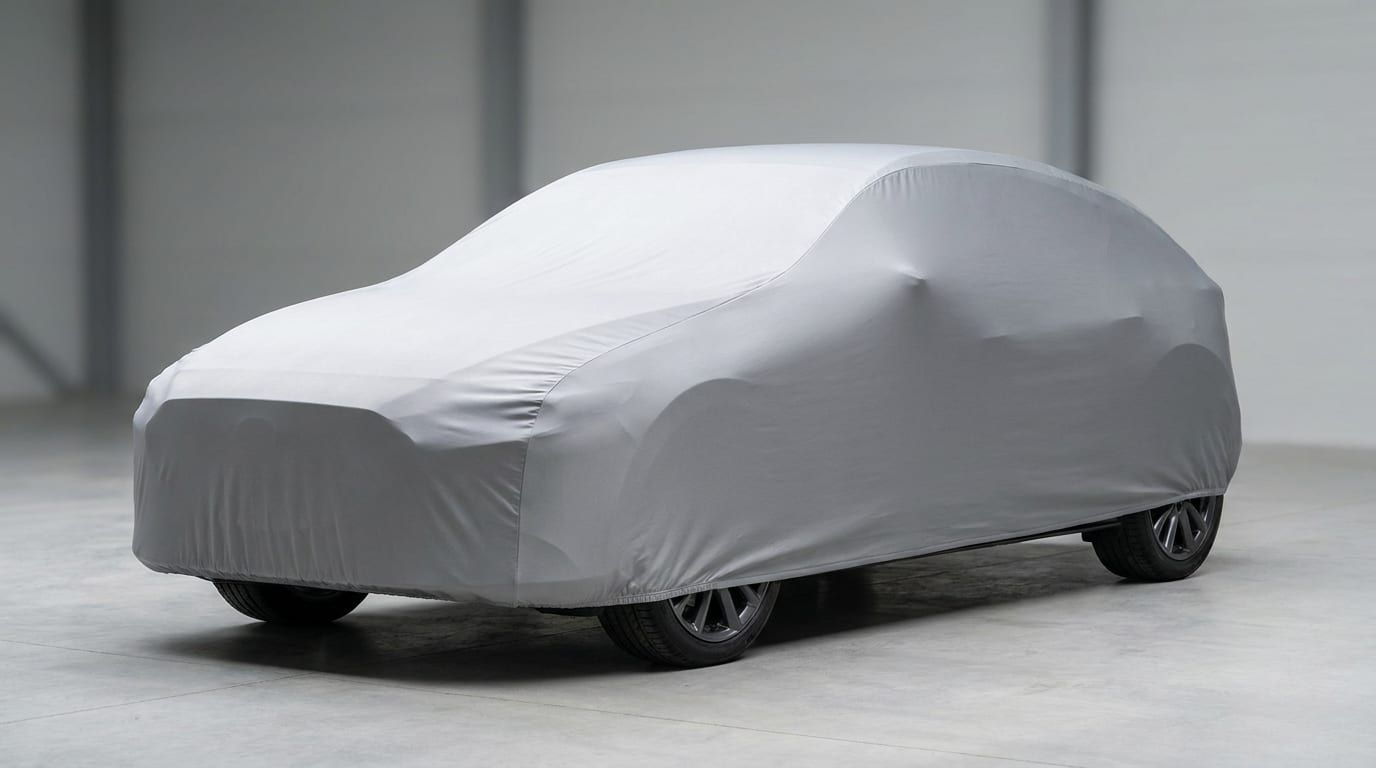
Here's where the differences actually show up in daily use.
Fit precision
- Custom-fit: Patterned to the Escape's body lines, with contoured hems that follow the bumper and roofline
- Universal: Sized to a generic range like "mid-size SUV," with slack fabric that gaps at the bumpers and roof
Wind performance
- Custom-fit: Snug hem and mirror pockets keep the cover seated, resisting flapping and edge lift
- Universal: Looser fit means more flapping, more rubbing against the paint, and a higher chance the cover shifts out of position overnight
Weather sealing
- Custom-fit: Tailored seams and elastic hem keep water and debris from working in at the gaps
- Universal: Excess fabric pools water or lets wind-driven rain sneak in at the loose points
Paint and finish protection
- Custom-fit: Stays put, so there's minimal friction against the clear coat
- Universal: Loose fabric moves with the wind, and that movement is what causes swirl marks over time
Installation time
- Custom-fit: Goes on in one motion, since the panels are already shaped to the Escape
- Universal: Usually takes more tugging, adjusting, and strap cinching to make up for extra material that doesn't belong
Price point
- Custom-fit: Costs more upfront, because of the model-specific patterning
- Universal: Cheaper at checkout, but the fit-related wear tends to shorten its usable life
Resale or reuse value
- Custom-fit: Tied to the Escape specifically, not something you'd carry over to a new vehicle
- Universal: Can be reused on a different vehicle within the same size range if you trade the Escape in later
Look at that list and the pattern is pretty clear: almost every functional advantage runs in one direction. Universal only wins on upfront price and on the narrow case of reusing it later. Everything about how the cover actually performs on the Escape, in wind, rain, and daily handling, favors the fitted option. If you're trying to figure out what size car cover fits your vehicle before deciding, that sizing question alone tends to push people toward custom-fit once they see how loose "universal SUV" sizing really is.
Are There Cases Where a Universal Cover Is the Right Call for an Escape Owner?
Sure, there are situations where fit precision matters less.
If you're covering the Escape for a few weeks during a move, or bridging a gap in a garage renovation, you mostly just need something to keep dust and pollen off. A universal cover handles that fine. Same goes for budget-first buyers who go in understanding the tradeoff: they know a looser cover wears faster and they're planning to replace it anyway.
But for daily outdoor parking, long-term storage, or anyone actually trying to protect the Escape's paint and trim over years rather than weeks, universal is the weaker choice. Not because it's a bad product category, just because it's the wrong tool for that particular job.
What to Check Before Buying a Custom-Fit Cover for Your Escape
A few things separate a good purchase from a frustrating one.
Confirm your exact model year and trim before ordering. Roof rails, spoilers, and mirror styles changed across the four Escape generations, and the pattern is built around those details. Ordering by "Ford Escape" alone without specifying the year is how people end up with a cover that almost fits.
Match the cover tier to how you actually park. Indoor storage, occasional outdoor exposure, and full-time outdoor exposure with sun, rain, and snow all call for different material weights. A cover built for indoor dust protection isn't going to hold up to a Midwest winter, and you'd be overpaying for weatherproofing if the Escape lives in a garage. If your Escape sits outside year-round, it's worth reading up on outdoor car covers and waterproof car covers specifically before you buy, since those two categories aren't interchangeable.
Check whether the listing accounts for an antenna patch, mirror pockets, and the grommet or strap points relevant to the Escape's body style. These sound like small details until you're standing in the driveway realizing the cover doesn't have a cutout for your antenna.
And look at what's bundled in. A storage bag, a cable and lock, or a basic care kit changes the real value math versus a bare-bones universal purchase that comes with none of it. If your Escape has any add-on parts or aftermarket changes, it's also worth a quick look at fit modifications to see how that affects cover selection.
Installing and Maintaining a Custom-Fit Escape Cover
Even a well-patterned cover benefits from backup. If you're in a windy region, a gust strap keeps the cover seated overnight instead of letting it work loose at the edges.
Basic care matters regardless of which tier you buy. Grit that sits on the fabric grinds into the paint under pressure, so cleaning the cover regularly isn't optional maintenance, it's the thing that actually protects the paint job you bought the cover for in the first place. And installation itself is worth doing right rather than rushing. A quick read of how to install a car cover will save you from the common mistake of dragging a cover across the hood instead of laying it on.
Fit precision reduces how much babysitting the cover needs. It doesn't eliminate it. Even the best-patterned cover on the Escape still needs to be cleaned, still needs to be seated properly, still benefits from a strap in bad weather.
Bottom Line: Custom-Fit Wins for Most Escape Owners
Universal makes sense for short stretches and low stakes. Custom-fit is the better long-term investment if you actually care about the Escape's paint, trim, and resale condition, which, if you're reading an article this deep into the comparison, you probably do.
The straightforward next step is to pull up your exact Escape year and trim through a vehicle cover finder and see what tiers are actually available for it, or browse SUV covers more broadly if you're still weighing options across vehicles. Ford-specific listings are also worth a look if you want to compare across the Ford SUV lineup.
One more reason to treat a custom-fit cover as a real investment rather than a disposable purchase: it's typically backed by a lifetime warranty, so you're not gambling on it falling apart in year two. Worth keeping in mind if you're still on the fence, and worth subscribing to this blog if you want more straight answers like this one before you buy.
Updated