


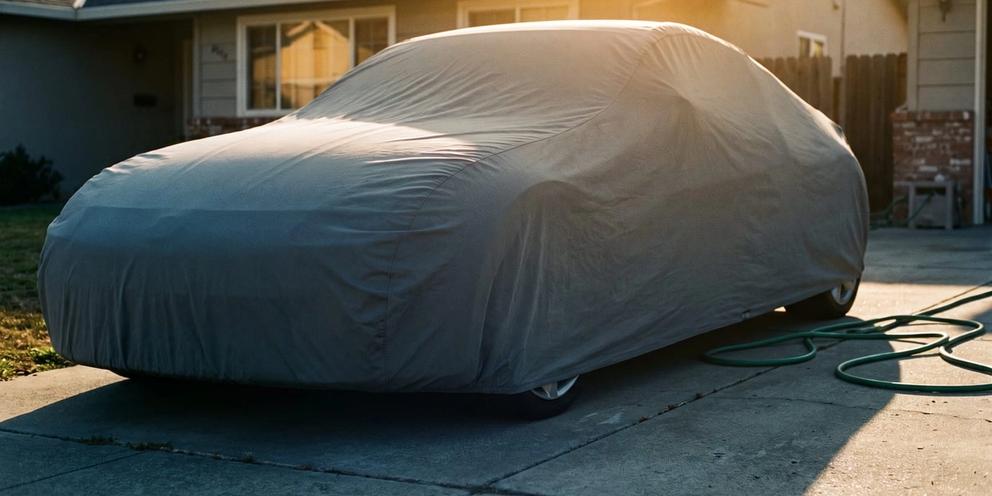
Does a Car Cover Keep a Car Cooler in Summer?
Does a Car Cover Keep a Car Cooler in Summer?
Yes. A car cover blocks direct sunlight and reflects UV rays, which cuts down how much heat builds up inside the cabin. The dashboard, seats, and steering wheel end up noticeably cooler to the touch than they would on an uncovered car parked in the same spot.
Worth being clear about what that means, though. A cover isn't refrigeration. Your car will still be warm sitting in a parking lot in July, cover or not. What changes is the degree. Instead of a steering wheel that burns your hands and a dashboard that's cracking by August, you get surfaces you can actually touch and materials that age slower.
So does a car cover keep a car cooler in summer enough to matter? For most owners parked outside daily, yes, meaningfully. The rest of this article gets into how much cooler, which materials actually make a difference, and how to use a cover so you get the full benefit instead of a half measure. If you're still weighing whether a cover is worth adding to your routine at all, why buy a car cover covers that decision in more depth.
How Does a Car Cover Block Heat and UV Rays?
The basic trick is distance. A cover creates a shaded air gap between the fabric and your car's paint instead of the sun hitting metal and glass directly. That gap matters more than people expect. Direct contact means direct heat transfer. A layer of fabric floating an inch or so above the hood breaks that transfer almost entirely.
Material matters here too. UV-resistant, reflective fabrics bounce sunlight back off the surface rather than soaking it in, the way dark painted metal does. A black hood left uncovered will happily absorb heat all afternoon. A reflective cover shrugs most of it off.
Breathability is the part people overlook. A cover that can't breathe traps heat and moisture underneath it, which sort of defeats the purpose, you're just moving the oven a few inches away instead of removing it. A good outdoor cover is woven to let air move while still keeping UV rays and rain out. For a fuller rundown of what outdoor covers need to handle (heat, wind, moisture, all of it), the guide to using a car cover outdoors is worth a read.
How Much Cooler Can a Car Cover Actually Make the Interior?
On a hot day, an uncovered dashboard or steering wheel can hit 150 to 190 degrees Fahrenheit in direct sun. That's genuinely painful to touch, and it's what accelerates cracking and fading over time. A cover cuts that surface temperature down substantially by keeping direct sun off those materials in the first place.
The cabin air itself is still going to be hot. Physics doesn't fully care about a cover. But there's a real difference between "hot car" and "surfaces that hurt to touch and are visibly degrading." A cover keeps you in the first category instead of the second, and upholstery holds up better for it.
The effect is strongest with light-colored or reflective covers. A thin, dark universal cover will still shade the car, but it absorbs more heat itself and passes some of it through. Pairing a cover with shade, parking under a tree or against a building, stacks the benefit further. A thicker, outdoor-rated cover like a waterproof car cover adds a layer of insulation against radiant heat on top of blocking rain, so it's doing double duty in summer.
Does the Color or Material of the Cover Matter for Heat Reduction?
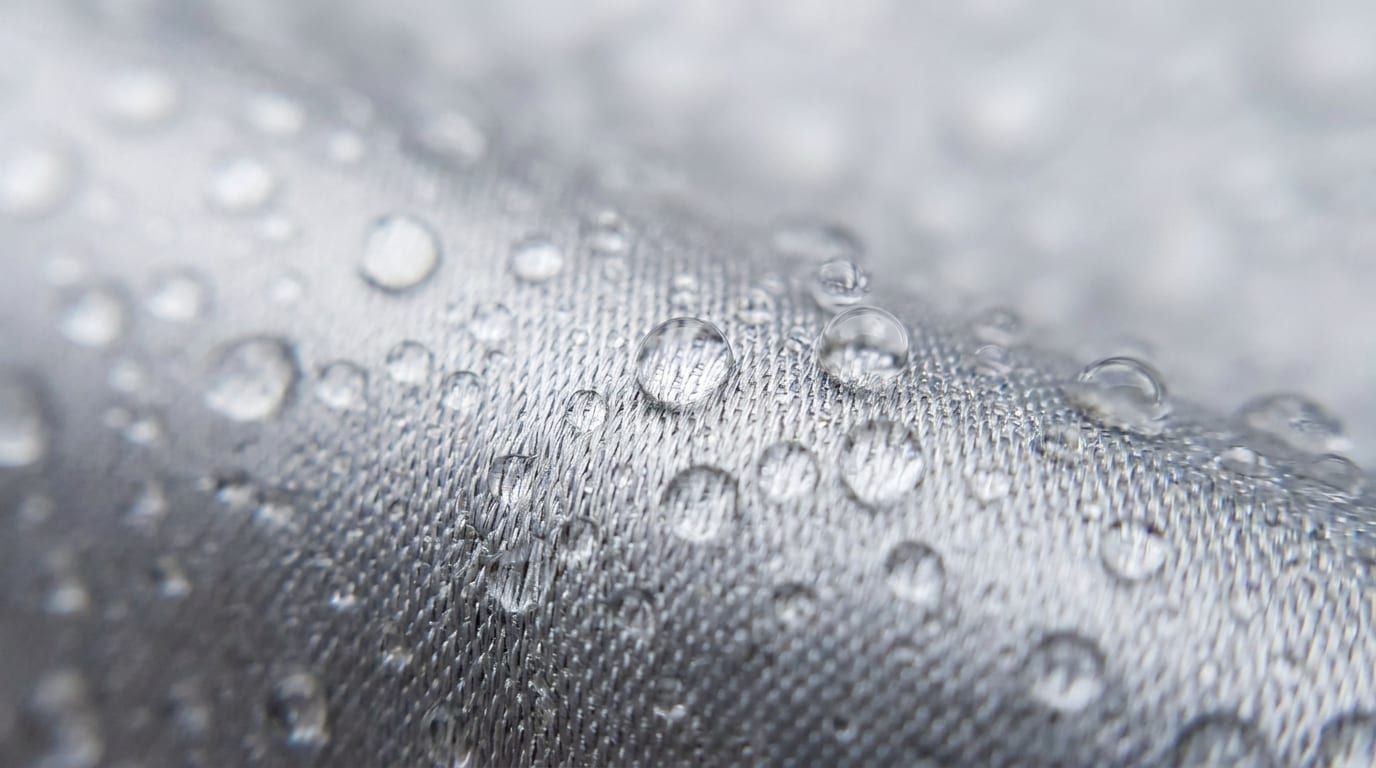
It does, more than most people assume when they're just grabbing whatever cover is cheapest.
Light or reflective covers
- Heat rejection: Bounce sunlight rather than absorb it
- Best for: Daily outdoor parking in hot, sunny climates
- Trade-off: None really, other than showing dirt more visibly
Dark or thin universal covers
- Heat rejection: Absorb more heat, some of which transfers through the fabric
- Best for: Occasional use, milder climates, indoor storage
- Trade-off: Less effective at cutting surface temperatures in direct sun
Breathable, multi-layer fabrics also outperform non-breathable plastic tarps here. A tarp traps heat and moisture against the paint, which can actually make things worse than no cover at all in the wrong conditions. For a full comparison of what covers are made from and how each performs, what's the best car cover material breaks it down further.
Can a Car Cover Prevent Sun Damage to Paint and Interior?
Sun does real, permanent damage over time. UV exposure fades paint, cracks dashboards, and dries out leather and vinyl until it's stiff and prone to tearing. None of that reverses.
A cover blocks direct UV rays, which slows oxidation and fading considerably. This matters most for cars parked outside every day, since the damage is cumulative. A car left uncovered in a sunny driveway for five years looks noticeably older than one that's been shaded that whole time. For more on protecting paint specifically from sun and heat exposure, car paint care has the details.
One honest caveat: a cover isn't a substitute for washing and waxing. It's a supplement. Wax already protects paint from UV and oxidation on its own, a cover just adds another layer on top of that, especially during the hours the car isn't moving.
Do Reflective or UV-Resistant Covers Work Better in Summer?
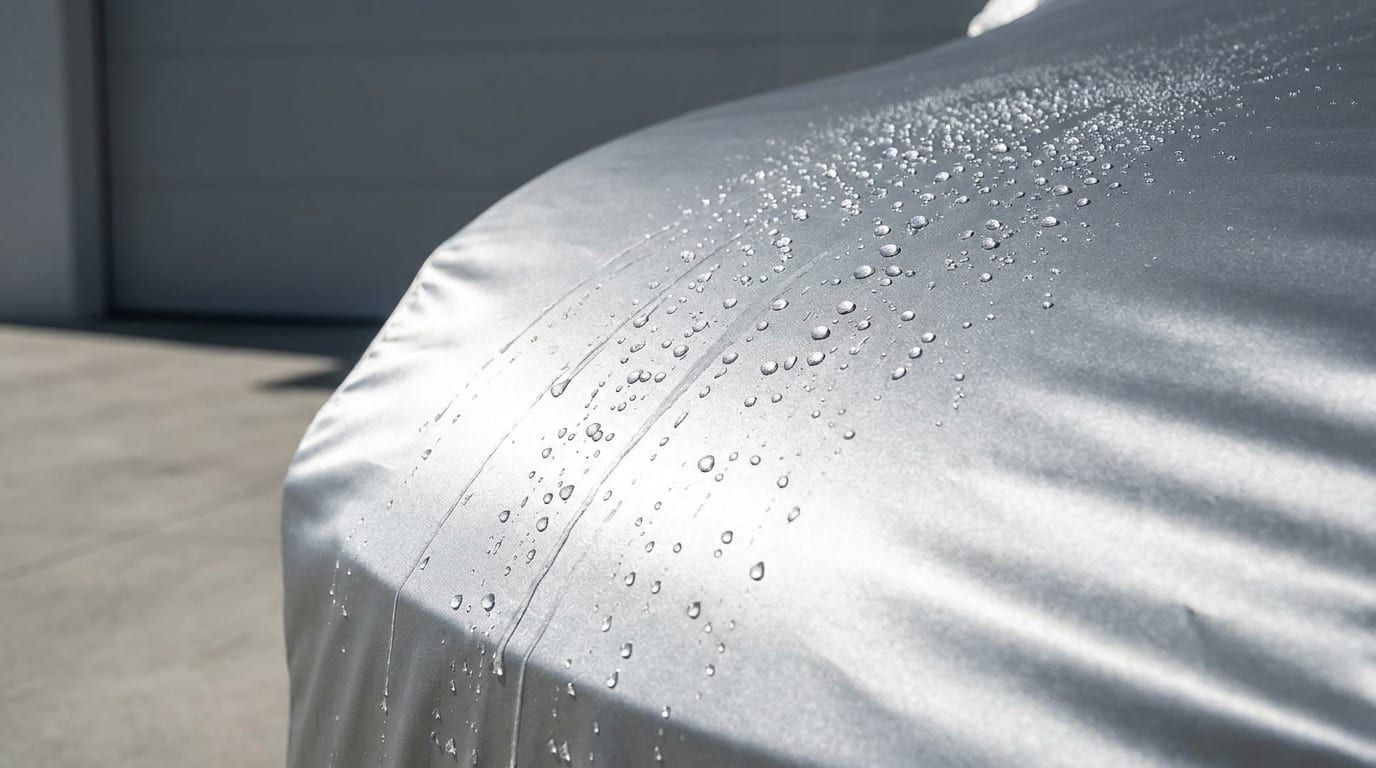
Yes, and this is where cover choice actually matters, not just as a nice-to-have but as the difference between a cover that works in summer and one that just sits there looking like it's helping.
Reflective, silver-toned outdoor covers are built specifically to bounce sunlight instead of absorbing it. That's their whole job. They're also built to handle being outside all day, every day, holding up against UV breakdown themselves instead of degrading after one season.
Indoor covers are a different animal entirely. They're built for dust and scratch protection in a garage, not for direct sun. Put an indoor cover on a car parked outside in July and you're not getting the reflective benefit, and the fabric itself may not hold up to constant UV exposure. If you're deciding between the two, outdoor car covers is the right starting point for anything parked in the sun regularly, while indoor car covers makes more sense if the car's actually garaged and you're protecting against dust rather than heat.
Tips for Using a Car Cover to Keep Your Car Cooler
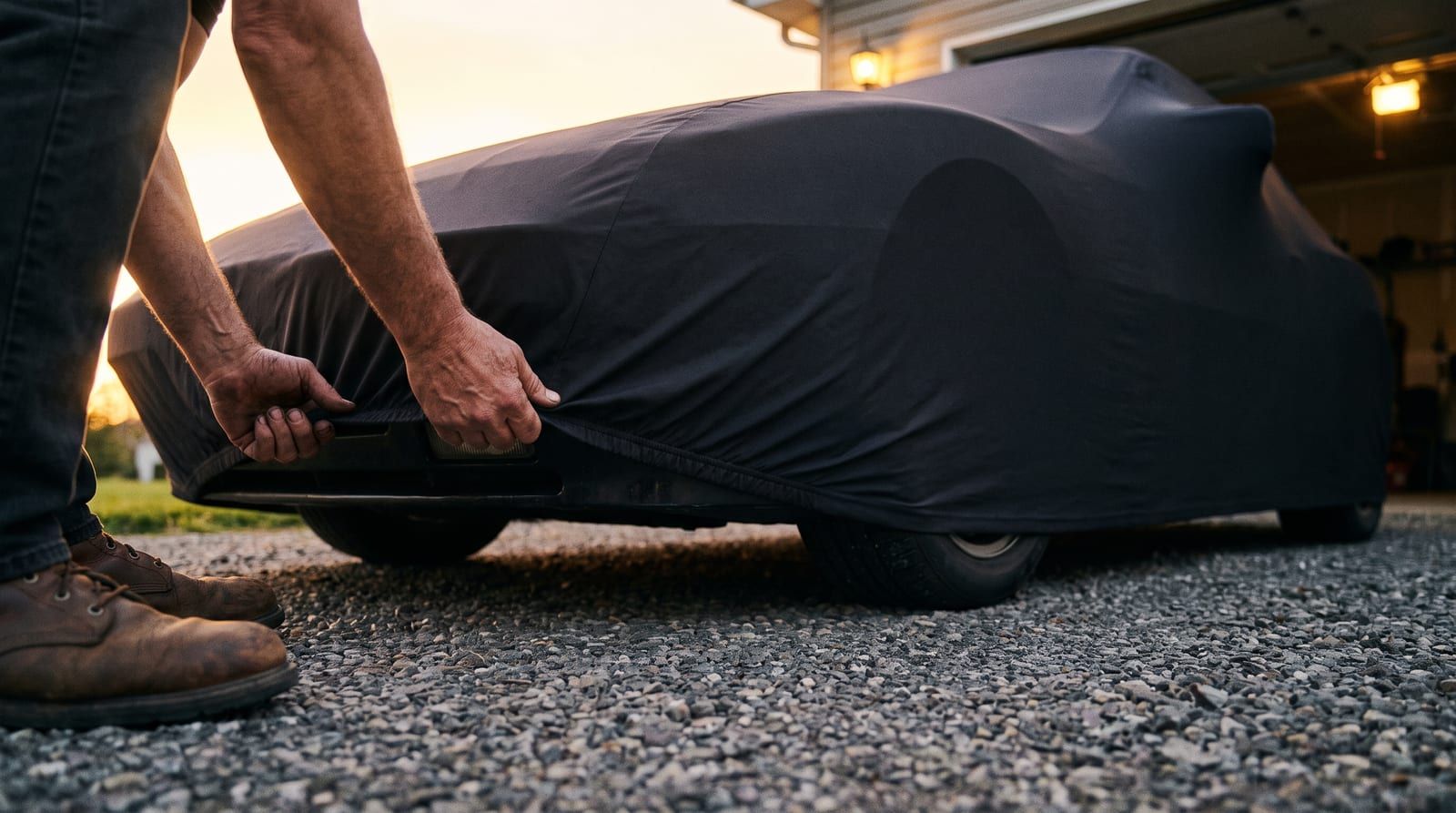
A cover only works as well as its fit. A loose, flapping cover lets sunlight sneak in through gaps and doesn't hold its shaded air pocket the way a snug one does. Get the sizing right using what size car cover fits my vehicle before you assume any cover will do.
A few other things that actually move the needle:
- Park in shade or against a building when you can. The cover does more work when it's not fighting full, direct sun all day.
- Crack the windows slightly, if it's safe and legal where you live, before covering the car. Trapped hot air needs somewhere to go.
- Wipe the car down before covering it on especially hot days. Surface heat that's already baked into the paint will just sit there under the fabric otherwise.
- Keep up with regular car care basics like washing, since a clean surface holds less heat and grime than a dusty one.
None of these are complicated. They're just the difference between a cover that's doing its full job and one that's technically on the car but not really helping.
Keep Your Car Cooler All Summer
A car cover won't make your car cold. It's not trying to. But it does cut down UV-driven heat buildup, protect paint and interior materials from sun damage, and keep the parts you actually touch a lot more bearable. Over a full summer, that adds up to less fading, less cracking, and a car that's just easier to get into.
If you're parking outside regularly and want a cover built for that job specifically, browse car covers built for outdoor sun and heat protection.
Updated