


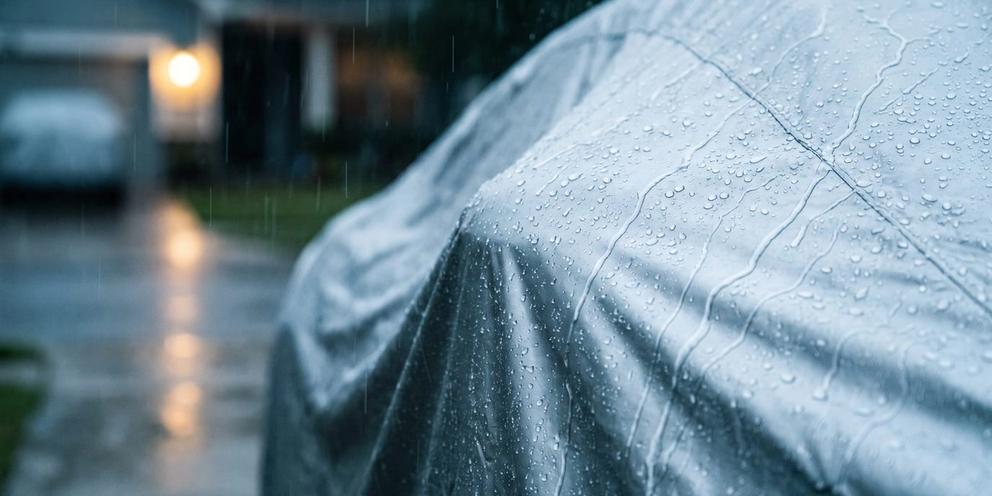
Does a Car Cover Prevent Rust? What It Can (and Can't) Do
Does a car cover prevent rust? Yes, when you use a breathable, properly fitted one. A good cover blocks the rain, snow, dew, road salt, and bird droppings that sit on paint and metal and slowly eat through them. It's not a rust guarantee, though. Cover a dirty or wet car, or use the wrong material, and you can trap moisture underneath and make things worse.
That's the honest, short version. The rest of this comes down to how you cover your car, not just whether you do it.
Does a car cover prevent rust?
Short answer above, but here's the fuller picture. A cover works as a physical barrier between your paint and the stuff that causes corrosion: standing water, road salt spray, tree sap, bird droppings, and the daily condensation that forms on cold metal. Keep that barrier dry and breathable, and it's doing its job every night your car sits outside.
The catch is that a cover isn't magic. It's fabric sitting on top of your car. If moisture gets between the cover and the paint and has nowhere to go, you've built a little greenhouse for corrosion instead of stopping it. So the question "does a car cover prevent rust" really has two parts: does the cover material breathe, and are you putting it on a clean, dry vehicle. Get both right and you're genuinely reducing rust risk. Get either wrong and the cover can work against you.
How does rust actually form on a car?
Rust is just iron oxide. Bare steel meets oxygen and water, and it starts converting to that reddish-brown flake you see eating away at wheel wells and rocker panels. It's slow at first, then it isn't.
A few things speed it up. Road salt in winter climates is probably the biggest one. It doesn't just sit on the surface, it works into seams, wheel wells, and the undercarriage where you can't see it. Coastal air is its own version of the same problem: salt suspended in humidity, settling on every panel day after day. Bird droppings and tree sap are more localized but nastier, they're acidic enough to burn through clear coat faster than plain rainwater ever would. And then there's plain old sitting water, the kind that pools in door seams and wheel wells and just never fully dries.
Your factory paint and clear coat are the actual first line of defense here, not the cover. A cover is a supporting layer. Rust usually starts at a chip or scratch where bare metal is already exposed, which is why a stone chip you ignore for a year is more dangerous than you'd think. And the vehicles at the highest risk are the ones parked outside long-term, driveways, street parking, storage lots. That's exactly the scenario where a cover starts to matter.
Can a car cover cause rust if used incorrectly?
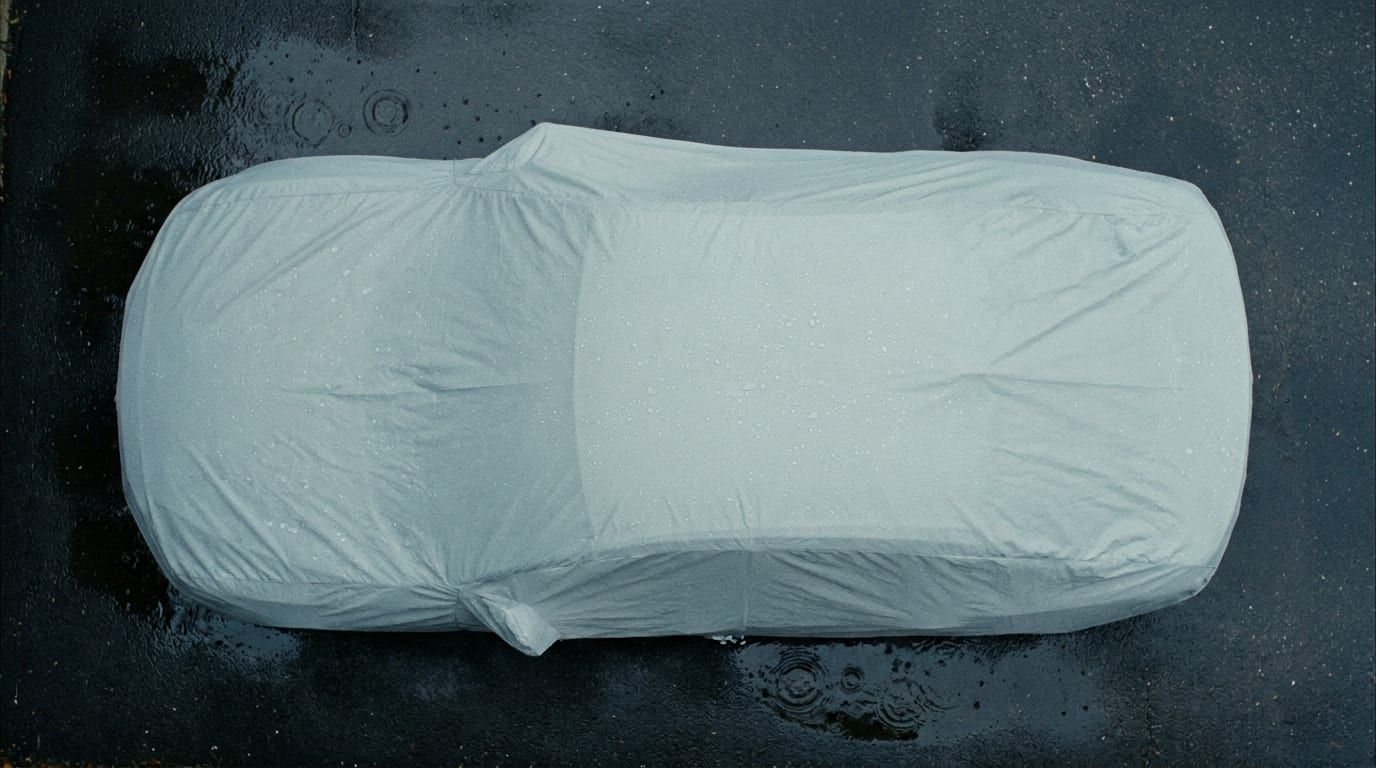
Yes, and this is the part people searching "does a car cover prevent rust" often skip past. A cover thrown over a wet or dirty car doesn't dry that moisture out, it seals it in. Add some road grit or dust to the mix and now you've got damp abrasive material sitting against your clear coat all night. That's not protection, that's a slow sanding job with a corrosion problem attached.
The most common version of this mistake is reaching for a tarp instead of an actual car cover. Tarps are made to keep water off lumber piles, not to manage condensation on a curved painted surface. They trap humidity against the paint with zero breathability, which is close to the worst thing you can do. We've written more on why a tarp isn't a substitute for a car cover if you want the specifics.
The fix is almost embarrassingly simple: wash the car and let it dry completely before you cover it. Not "mostly dry", actually dry, including the door jambs and mirrors where water hides. It takes five extra minutes and it's the difference between a cover that prevents rust and one that quietly causes it.
What type of car cover best protects against rust-causing moisture?
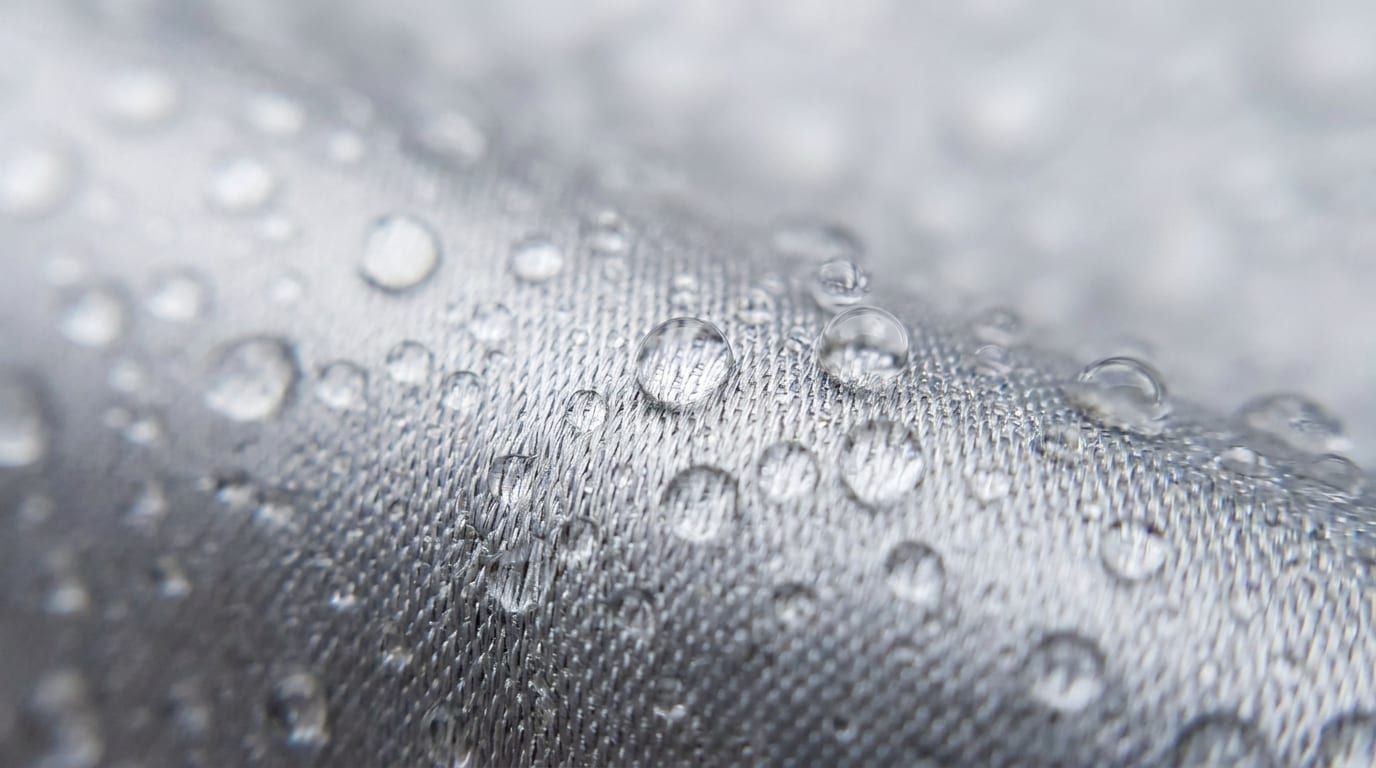
This is where "waterproof" and "good for rust prevention" actually diverge, and it trips people up. A fully waterproof, non-breathable shell keeps rain out, sure, but it also keeps condensation in. Your car's surface temperature swings through the day, and that creates moisture from the inside even if nothing outside ever touches the paint. A cover that can't breathe just holds that moisture against the surface.
What you actually want is a breathable, water-resistant fabric, something engineered to block rain and snow from soaking through while still letting trapped vapor escape. Think of it less like a raincoat and more like a good outdoor jacket. That distinction matters more for rust prevention than raw waterproof ratings do. Our waterproof car cover guide breaks down which fabrics handle this balance well, and our material comparison article goes deeper on the specific fabric types if you want to compare options before buying.
Fit matters here too. A loose, generic cover flaps around in wind and leaves gaps where water can pool against a panel or wick in at the seams. A custom or semi-custom fit keeps the material close to the body of the car, so there's less room for water to sit and less flapping to wear through the fabric itself over time.
Does an indoor car cover help prevent rust too?
People assume a garaged car is safe from all this, and it mostly is, but not entirely. Garages still have dust, temperature swings, and humidity, especially unheated ones. Cold metal in a humid garage will condense moisture on its surface just like a cold glass of water does on a summer day, and that thin film of condensation sitting on bare paint or an exposed chip is enough to slowly start something.
A lightweight indoor cover isn't fighting rain, it's fighting dust and minor scratches mostly. But it also gives that condensation somewhere to land besides your paint, which is a real, if smaller, benefit. Check our indoor car cover options and the guide to using a cover inside for how to set one up properly. This matters a lot more if you're in a humid region or storing a car in an unheated garage through winter. If you're in a dry, temperate climate with a heated garage, honestly, it's a smaller concern.
What else can you do to prevent rust besides using a car cover?
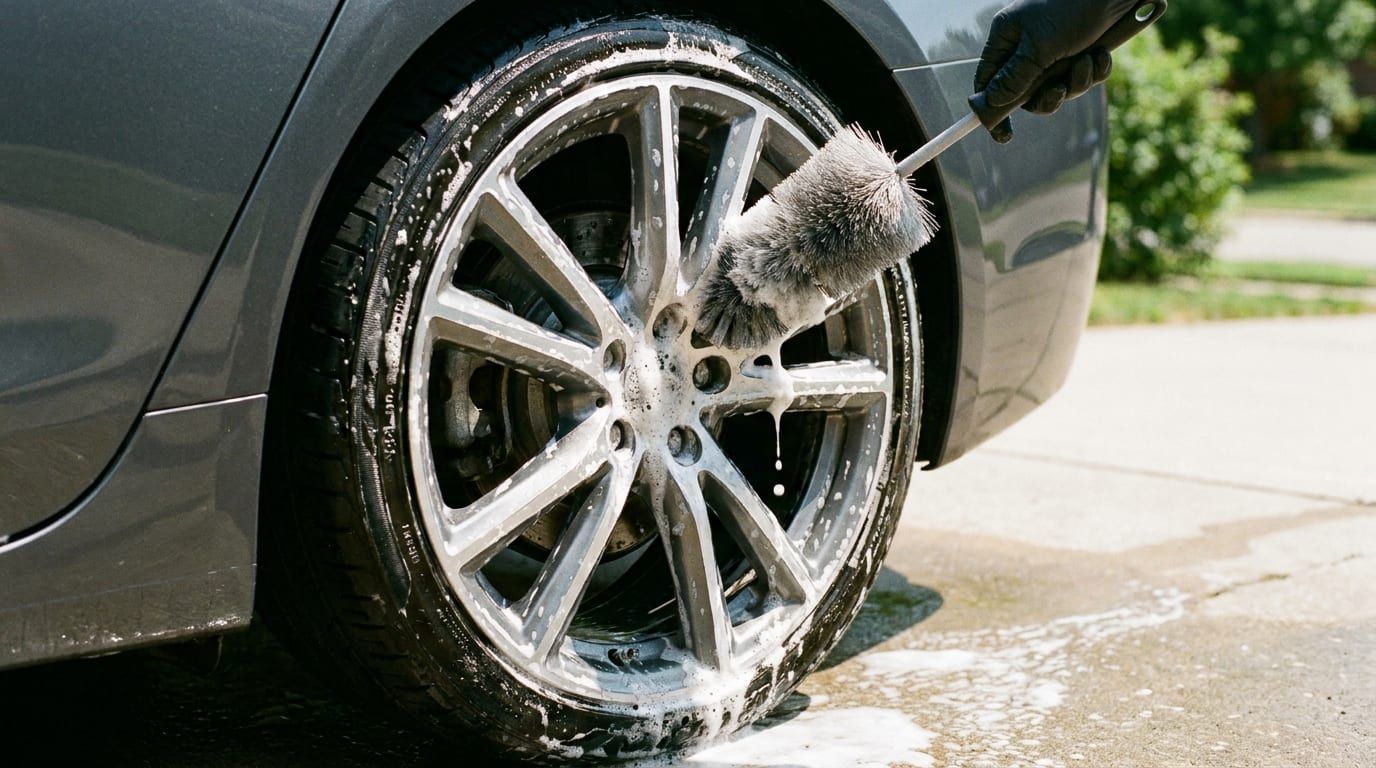
A cover is one layer, not the whole strategy. Rinse off road salt and grime regularly through winter, and don't skip the undercarriage, that's where salt does its worst work and where you'll never see it happening. Touch up chips and scratches as soon as you notice them. Bare metal exposed to air and water for weeks is exactly how rust gets its foothold, and a ten-dollar touch-up pen now beats a bodywork bill later.
Wax or seal your paint periodically too. It reinforces the same protective barrier the clear coat is already providing. And where you park matters more than people think: sprinklers, sap-dropping trees, and low spots that collect standing water are all avoidable if you're paying attention.
For the broader routine, our car care hub and paint care guide cover the maintenance side in more depth. And don't forget the cover itself needs upkeep, a dirty or mildewed cover can become its own moisture problem, so cleaning it properly keeps it doing its job instead of undoing it.
Bottom line: cover your car the right way to fight rust
So, does a car cover prevent rust? It reduces the risk substantially, but only under the right conditions: breathable material, a fit that hugs the car, and a clean, fully dry vehicle underneath it every time. Skip any one of those and you're rolling the dice.
If you're shopping around, it's worth comparing fit and material options rather than grabbing whatever's cheapest at the hardware store. Take a look at what's built for outdoor use if your car lives in the driveway, or browse by vehicle to find the right fit. And if you want more on keeping a car in good shape year-round, our articles section has the rest of the seasonal and maintenance guides worth reading.
Updated