
How Do Professional Car Detailers Recommend Protecting a Car Between Details?
Published

The Quick Answer: What Detailers Actually Recommend
How do professional car detailers recommend protecting a car between details? Most will tell you the same three things: rinse or wash weekly, apply a quick spray sealant every 2 to 4 weeks to top off UV and water protection, and use a breathable cover any time the car sits outside. That's it. No secret product, no weekend-long ritual.
The reasoning behind it is simple. Between-detail protection is about blocking UV rays, bird droppings, tree sap, dust, and moisture before they bond to the clear coat. It's not about redoing the detail itself. You're buying time, not redoing work.
This advice holds whether your last appointment was a full paint correction, a ceramic coating application, or a basic wash-and-wax. The product on your paint changes the specifics slightly, but the habits that protect it don't.
Keep Up a Simple Wash Routine Between Full Details
Detailers generally recommend a weekly rinse to knock off loose dirt and road grime, with a full two-bucket hand wash every one to two weeks depending on exposure. A car parked on the street under trees needs more frequent attention than one tucked into a garage every night. Pollen season, coastal salt air, construction dust nearby: all of it shortens the interval.
The two-bucket method itself is straightforward. One bucket holds soapy water, the other is for rinsing the mitt before it goes back into the suds. Skip this and you're just dragging grit across the paint with every pass, which is how swirl marks show up a few months after a perfectly good detail.
Drying matters just as much as the wash. Letting water air-dry in the sun leaves mineral spots baked into the clear coat. A microfiber drying towel or an air blower gets the water off before it has a chance to etch anything in.
Here's the part owners underestimate: skipping washes between details is one of the fastest ways contaminants bond permanently to the finish. All that detailing work, the correction, the coating, the wax, gets undone by three weeks of neglect and a few rounds of bird droppings baking in the sun.
Use a Spray Sealant or Detailer Spray to Extend UV and Water Protection
A full wax or ceramic application isn't something you repeat every couple of weeks. But a quick spray sealant is, and that's exactly what detailers lean on to stretch the life of whatever protection is already on the paint. Applied every 2 to 4 weeks, it tops off UV resistance and keeps water beading the way it should.
The appeal is how little time it takes. Spray it on a clean panel, buff it off, done in under 15 minutes for most vehicles. That's realistic for an owner to handle on a Saturday morning between professional visits, unlike a full correction.
This step specifically targets sun fade and oxidation, which is one of the biggest reasons paint looks dull a few months after a detail even when nothing visibly happened to it. UV damage is cumulative and invisible until it isn't. If you're trying to figure out which sealant, wax, or coating actually fits your situation, this comparison of paint protection options breaks down the realistic choices.
Park Under Cover or Use a Breathable Car Cover Outdoors
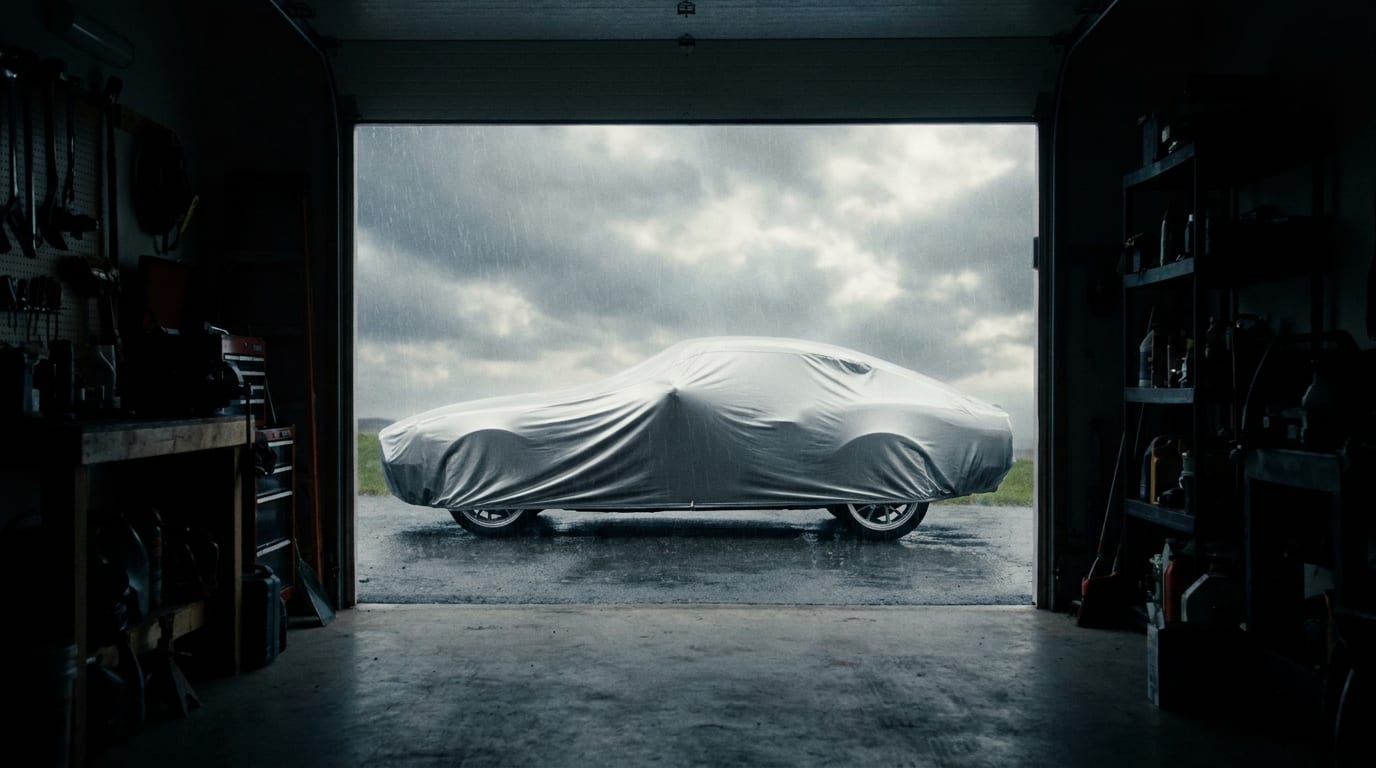
Detailers see this one play out constantly: a car gets a full correction and ceramic coating, then sits in direct sun on the street for six months, and the owner wonders why it needs correction work again already. UV exposure and airborne contaminants do more cumulative damage between details than almost anything else. Shade matters more than most people assume, and when shade isn't available, a cover is the next best thing.
Not all covers are equal. A breathable cover vents moisture out while still blocking UV, bird droppings, tree sap, and dust. A cheap tarp does the opposite: it traps moisture against the paint, which is a direct path to swirl marks and even mold on the fabric itself. Material quality is the whole difference here.
The practical rule is simple. If the car is parked outside daily, you want an outdoor-rated car cover built to handle sun and weather directly. If the car lives in a garage, a lighter indoor car cover is enough to block dust between details without the bulk of a weatherproof layer you don't need. For anyone using a cover outside regularly, this guide to using a car cover outdoors covers wind, waterproofing, and UV specifics worth knowing before you buy one.
Address Contaminants Immediately, Not at the Next Detail Appointment
This is the section most owners skip, and it's the one detailers care about most. Certain contaminants don't wait for your next appointment. Bird droppings are acidic enough to etch paint within hours in hot weather. Tree sap hardens fast and pulls at the clear coat when you finally try to scrape it off weeks later. Bug splatter and road tar aren't quite as urgent, but they still get harder to remove the longer they sit.
The fix is low effort: keep a quick-detailer spray and a microfiber towel in the car or garage. When something lands on the hood, spot-clean it that day instead of letting it wait for the next wash. A thirty-second wipe now saves a correction step later.
There's a less obvious threat too, especially for cars parked near trees or in rural and suburban driveways: animals and pests. Scratches, nesting material, claw marks on a soft top or hood, it happens more than people expect. A properly fitted cover helps here as well, and if that's a recurring issue where you park, this guide on protecting a car from cat and animal scratches is worth a look.
Don't Neglect the Interior Between Details
Paint gets all the attention, but the interior takes a beating between details too. A quick weekly reset goes a long way: vacuum the floor mats, wipe down the high-touch surfaces (wheel, shifter, door handles), and crack the windows for a few minutes on hot days to let trapped heat out. That heat buildup is what stresses dash plastics and upholstery over time, not just one hot afternoon but the repetition of it.
UV-blocking windshield sunshades and seat covers are a low-effort way to buy extra protection between full interior details. They're cheap, they take seconds to use, and they directly address the one thing that fades and cracks interior materials faster than anything else: direct sun.
Floor mats are worth calling out specifically. Worn, stained mats are one of the fastest ways a car looks neglected, and that's true for resale value as much as day-to-day comfort. Keeping a clean set of floor mats in place protects the factory carpet underneath and keeps the whole cabin looking kept-up between detail visits.
How Cover Care Fits Into the Routine
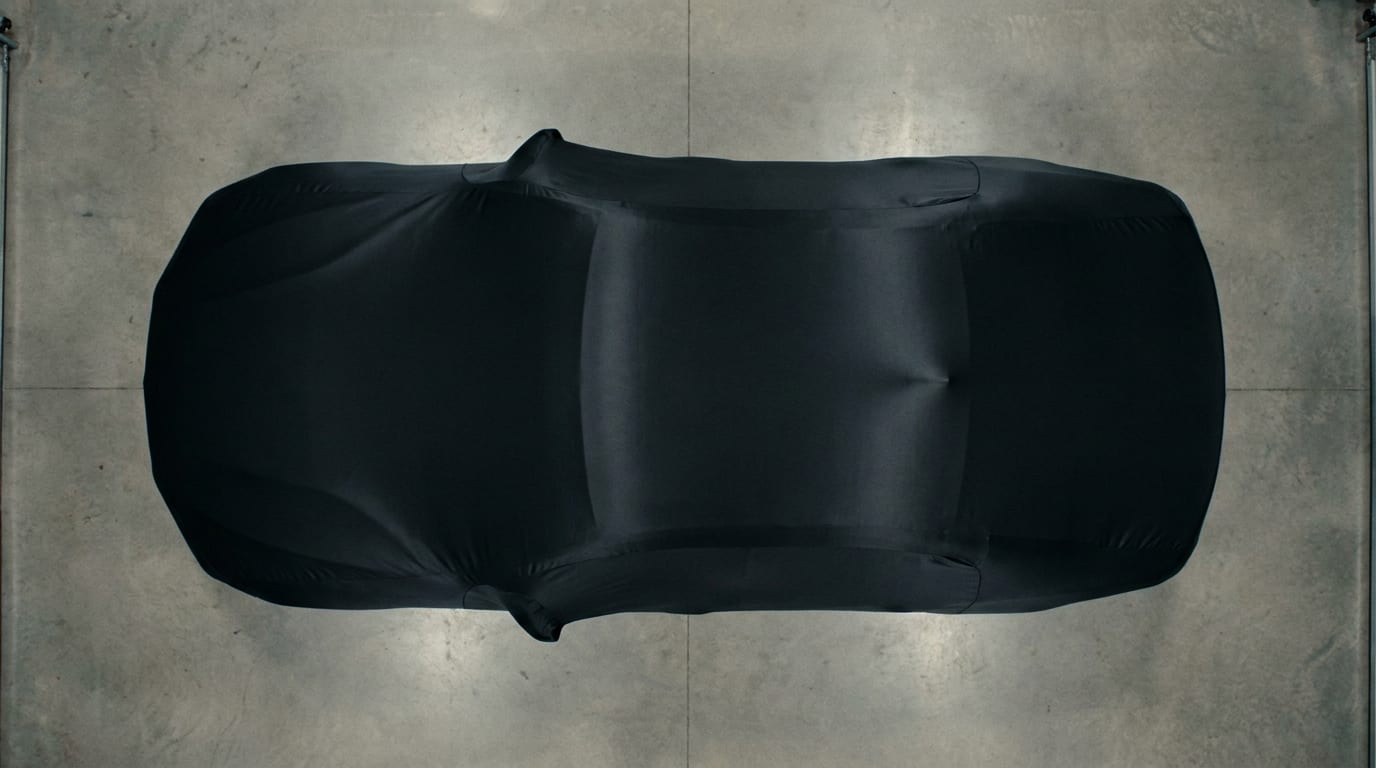
Here's something that trips people up: a car cover only protects paint if the cover itself is clean. A cover caked in dust and grit gets dragged across the surface every time it's put on or taken off, which can scratch the exact paint it's supposed to protect.
The fix is just maintenance on the maintenance tool. Shake the cover out before each use, and wash it periodically following the manufacturer's instructions, especially after pollen season or a road trip through dusty or muddy conditions. This isn't a weekly chore, just a periodic check-in. For the actual process, this step-by-step guide to cleaning a car cover and this cover care guide walk through it in more detail.
Build a Between-Details Protection Kit

So how do professional car detailers recommend protecting a car between details, boiled down to a checklist? Weekly rinse. Spray sealant every 2 to 4 weeks. Contaminants removed the day they land, not the week they're noticed. A properly fitted cover whenever the car sits outside. None of it replaces a full detail, but together it's what keeps the time between details from undoing the last one.
If you're putting this routine together, browsing custom-fit car covers and the rest of the car care and detailing supplies is a reasonable next step. And if you want more of this kind of practical, no-fluff maintenance advice, it's worth poking around the rest of our car care articles while you're at it.






