How Do You Choose the Right Car Cover for Your Climate? A 6-Step Guide
Published
Pick a car cover based on what your region throws at a windshield, not what's cheapest on page one of search results. That's really the short version of how do you choose the right car cover for your climate: match the fabric and features to your actual weather, not a generic "fits most vehicles" label. Get that wrong and you'll be replacing a cover in a year instead of five. Below is a six-step process for narrowing it down, whether your car lives in a driveway year-round or just gets stored for a few months each winter. For a broader look at what's out there, the car covers category is a good place to start once you know what you're shopping for.
Why Climate Should Drive Your Car Cover Decision
A cover built for the wrong climate doesn't just underperform, it fails outright. UV-heavy sun belts crack and bleach fabric that wasn't rated for it. Humid coastal regions trap moisture under a cover that can't breathe, and you end up with mildew spots baked into the paint. High-wind corridors shred a cover that isn't anchored properly, sometimes within a single storm season.
This is why "universal" or "one size fits all" covers tend to disappoint. Sun, rain, snow, and wind each put different demands on a fabric, and a material optimized for one often does a mediocre job against the others. A cover that blocks UV well might not handle a downpour. One that's waterproof enough for monsoon season might trap heat in a desert driveway.
The six steps below walk through how do you choose the right car cover for your climate, starting with identifying your actual weather risks and ending with planning for the seasons ahead. None of this changes much whether your vehicle sits outside every day or only gets covered during off-season storage. The climate assessment comes first either way.
Step 1: Identify the Primary Weather Threats in Your Area
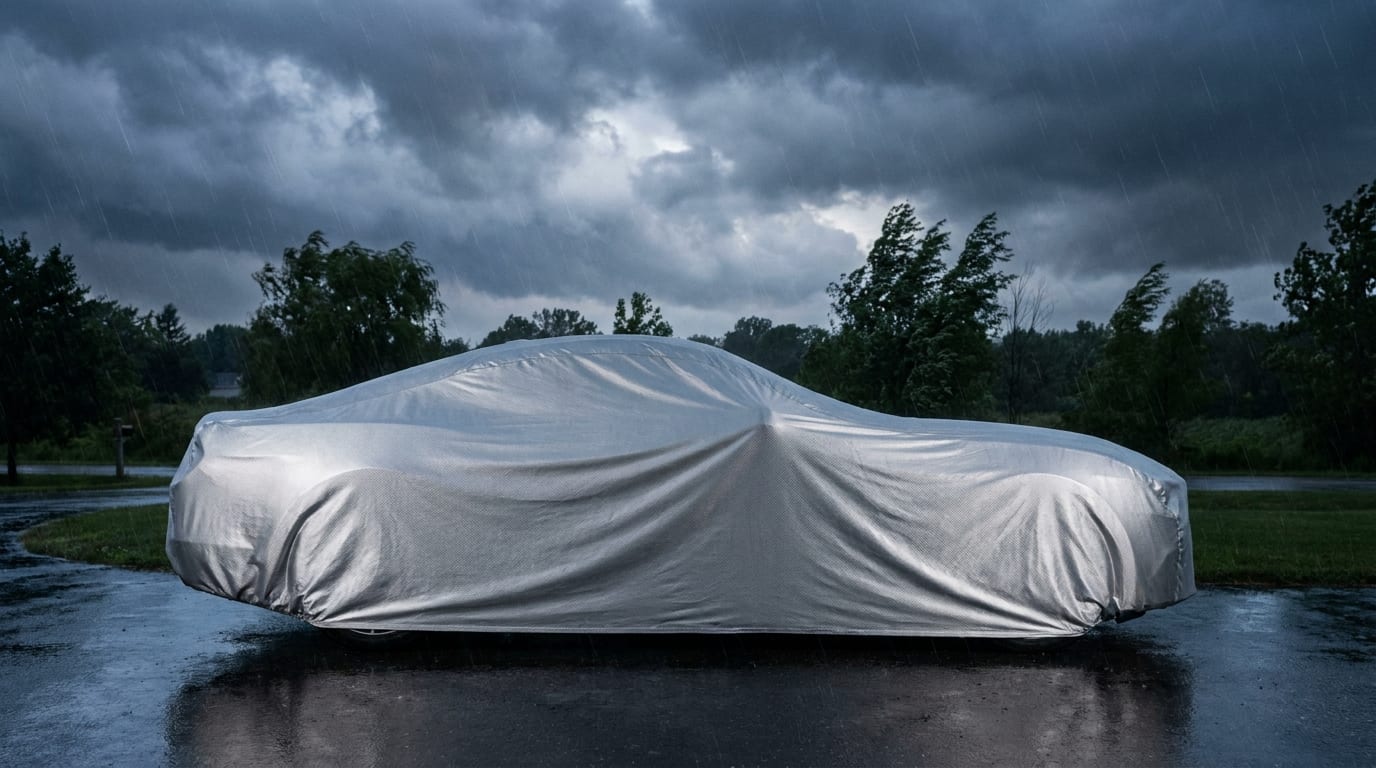
Start by being honest about what your car actually deals with. Most climates fall into a few overlapping categories:
- Intense sun and UV exposure
- Heavy or frequent rain
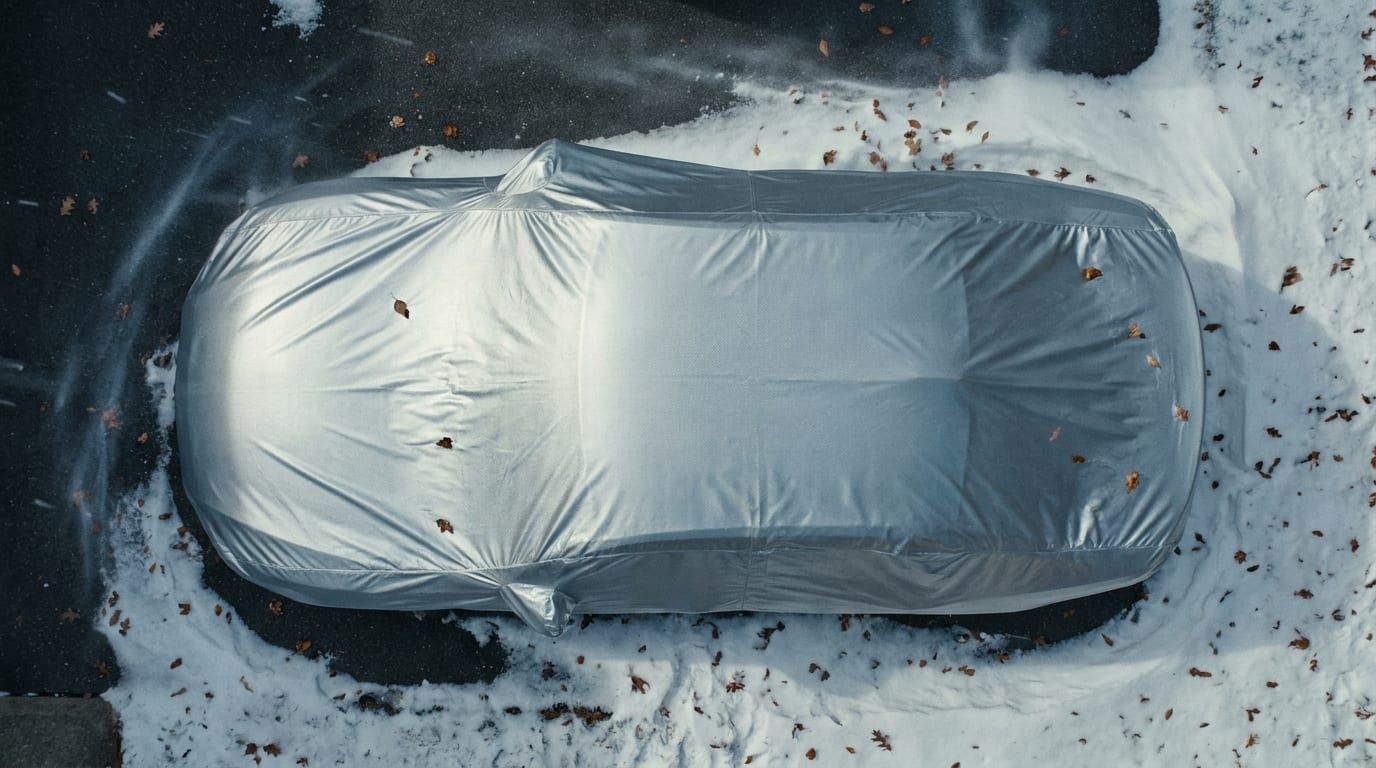
- Snow and ice accumulation
- High humidity
- Coastal salt air
- Hailstorms
- High-wind corridors
Plenty of regions aren't just one of these. Denver gets scorching, high-UV summers and brutal winter snow in the same year. A cover rated for sun alone won't cut it there, and neither will one built only for snow. If your area has that kind of split personality, you need a cover rated for multiple conditions, not the best-reviewed option for just one of them.
Hail deserves its own mention, because the damage potential is on a different scale than rain or sun. If you're in a region prone to severe storms, it's worth skimming through the 22 worst hailstorms in US history to get a sense of how bad hail risk can actually get in parts of the country people don't always associate with it. If your city shows up anywhere near that list, hail resistance should weigh heavily in your decision.
For a more precise read, look up your area's average annual sun exposure hours and yearly precipitation totals. Most weather sites have this data, and it turns "it rains a lot here" into something you can actually shop against.
Step 2: Match the Fabric to Your Dominant Condition
Once you know your threats, the fabric choice gets a lot easier.
Hot, dry, sun-heavy climates do best with breathable, multi-layer fabrics. Breathability matters here because trapped moisture under a non-breathable cover, even in a dry climate, leads to mildew and paint staining. UV resistance matters because unprotected fabric (and the paint underneath it) degrades fast under constant sun.
Regions with frequent rain or snow need waterproof materials with sealed seams. Not just water-resistant, which only buys you so much in a sustained downpour, but genuinely waterproof construction. The weave and coating type make a real difference here. The waterproof fabrics article breaks down how different treatments and weaves affect how much water actually gets through, which is worth a read before you assume "waterproof" on a label means the same thing across brands.
Hail-prone or high-debris areas call for thicker, reinforced fabric that can absorb impact without puncturing.
Here's where people overcorrect, though: heavier isn't automatically better. A thick, hail-rated fabric thrown on a car in Phoenix is going to trap heat and moisture it has no business trapping. Match the fabric to the dominant condition, not the worst-case scenario from a climate you don't live in.
Step 3: Decide Between Indoor, Outdoor, or All-Weather Protection
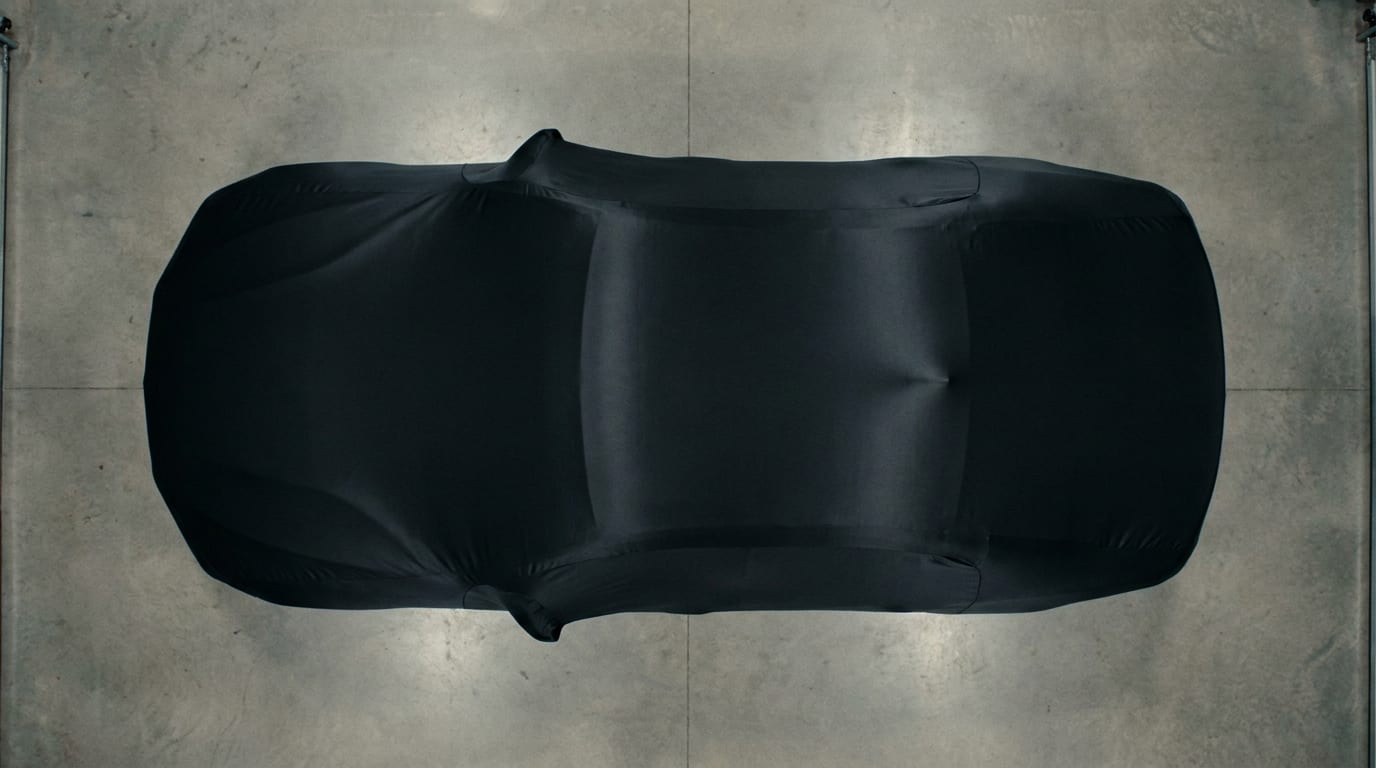
This step is really about where the car spends its time, layered on top of what you learned in steps 1 and 2.
Indoor covers are lighter and softer, built for garages where the job is blocking dust, light scratches, and the occasional scuff from a stray tool. They're not designed to handle weather at all, because they're not supposed to see any. If your car lives in a garage, there's no reason to pay for UV coating or waterproofing it'll never need. The indoor car covers guide covers material options for that use case.
Outdoor covers are a different animal entirely. They need UV resistance, waterproofing, and breathability all working together, because an outdoor cover faces the full range of whatever your climate throws at it, often all in the same week. The outdoor car covers guide goes deeper on the layered materials that make this work.
All-weather or heavy-duty covers sit in between, built for climates with wide seasonal swings, hot summers into freezing winters, dry spells into monsoon season. If your region doesn't let you settle into one weather pattern for more than a few months, this category is probably your answer.
Step 4: Check for Climate-Specific Features

Fabric is the foundation, but the features are what actually hold up against specific conditions.
For sun-heavy regions, look for a UV-resistant coating. Without it, fabric fades and breaks down faster than the warranty period, and that breakdown extends to your paint underneath. For rain and snow regions, waterproof sealed seams and underbody flaps matter more than people expect. A seam that isn't sealed is just a built-in leak point.
Storm-prone areas need reinforced panels or materials specifically rated for hail. The hail car covers guide covers what separates a genuinely hail-rated cover from one that just claims to be tough. And for anywhere with real wind, the straps, grommets, and cable lock setup matter as much as the fabric itself. A great waterproof cover that blows off in a windstorm protects nothing.
The waterproof car covers guide and the guide to using a car cover outdoors both go further into wind, UV, and water handling specifically, if you want the deeper mechanics before buying.
Step 5: Get the Fit Right for Full Climate Protection
A cover can have exactly the right fabric and every feature on your checklist and still fail, if it doesn't fit.
Loose or "universal fit" covers leave gaps at the wheel wells, mirrors, and undercarriage. Wind gets in through those gaps. So does rain, and in winter, so does blown snow. Once water or wind finds a gap, the rest of the cover's weatherproofing is working at half capacity.
Custom-fit covers seal against the body of the vehicle far more tightly, which is really where a lot of the weather resistance comes from in practice, not just the fabric spec sheet. Before buying anything, it's worth confirming sizing against the sizing guide and reading through the custom-fit cover guide to understand what "custom fit" actually means for coverage.
If you'd rather skip the manual lookup, the CoverFinder tool matches cover size and type to your specific vehicle, which takes most of the guesswork out of this step.
Step 6: Plan for Seasonal Transitions
If your climate has genuinely distinct seasons, hot dry summers and cold wet winters, for instance, decide up front whether one all-weather cover makes more sense than switching between two season-specific covers. All-weather is simpler. Two covers, swapped seasonally, usually perform better in each individual condition, since neither one is compromising to handle the other season too.
Humidity and temperature swings also affect maintenance frequency. A cover in a humid climate needs to come off and air out more often than one in a dry one, or you're inviting mildew regardless of how good the fabric is. Cleaning schedules matter here too, and general car care resources are worth bookmarking if you're trying to keep a cover (and the paint under it) in good shape across a full year of weather changes.
Reassess your cover's condition once a year, ideally at a season change. Catching fraying seams or a cracked UV coating early is a lot cheaper than catching it after it's let water sit against your paint for a month.
Putting It Together: Choosing Your Climate-Matched Cover
Run through it once more: identify your region's real weather threats, match the fabric to the dominant one, decide between indoor, outdoor, or all-weather protection, confirm the features line up with your specific risks, get the fit right, and plan for how the seasons will change your needs over the year.
That's the full answer to how do you choose the right car cover for your climate, and it's really just a process of elimination rather than a guessing game. If you want to skip some of the back-and-forth, the CoverFinder tool will narrow things down fast once it knows your vehicle and location. From there, it's just a matter of comparing materials and features until one fits what you actually need.
Getting this right before you buy saves you from the alternative: a cover that degrades in a year, or worse, a paint job that didn't get the protection it needed. Worth the extra fifteen minutes of research now. If you want more guides like this as you figure out the rest of your car care routine, it's worth sticking around and exploring what else is here.