A quality car cover should last somewhere between 3 and 10 years, depending on the material, how much weather it eats, and how often you're pulling it on and off. That's a wide range, but it's not a dodge. The honest answer to how many years should a car cover last really does depend on which tier of cover you bought and where you park.
Here's a rough breakdown. Budget single-layer covers, the kind sold as universal "one size fits most" options, typically hold up for 1 to 3 years before the fabric thins out or the seams give way. Mid-range multi-layer covers, built with actual weatherproofing in mind, usually run 3 to 5 years. Premium outdoor covers and indoor/satin covers can push past 5 years and sometimes last a full decade with decent care.
None of this is a guarantee. A cover left outside year-round under direct sun or near salt air is going to break down faster than the same cover used occasionally on a car that spends most of its time in a garage. Treat these numbers as averages, not promises.
One useful shortcut: warranty length. Manufacturers generally set warranty terms to roughly match how long they expect the product to actually perform, so a longer warranty is often a decent proxy for expected lifespan, even if it's not a hard rule.
What Determines How Long a Car Cover Lasts

Material is the biggest factor. Thin polypropylene or single-layer fabrics break down faster than multi-layer woven covers or indoor satin materials, simply because there's less fabric and less engineering standing between your paint and the elements.
Sun exposure matters almost as much. UV rays don't just fade a cover's color, they break down the fibers themselves and strip away the water-resistant coating over time. A cover parked in full sun every day is aging faster than one that spends most of its life in shade or a garage.
Climate severity plays its own role. Coastal salt air, heavy snow and ice, and extreme heat all speed up wear compared to a mild, dry climate. If you live somewhere with real weather swings, read through this guide to using a car cover outdoors before you assume any cover will hold up the same way it would in a milder climate.
Frequency of use matters too, and it's easy to overlook. A cover that gets taken on and off every single day wears at the seams, elastic hem, and grommets faster than one left in place for a whole season. Daily friction adds up.
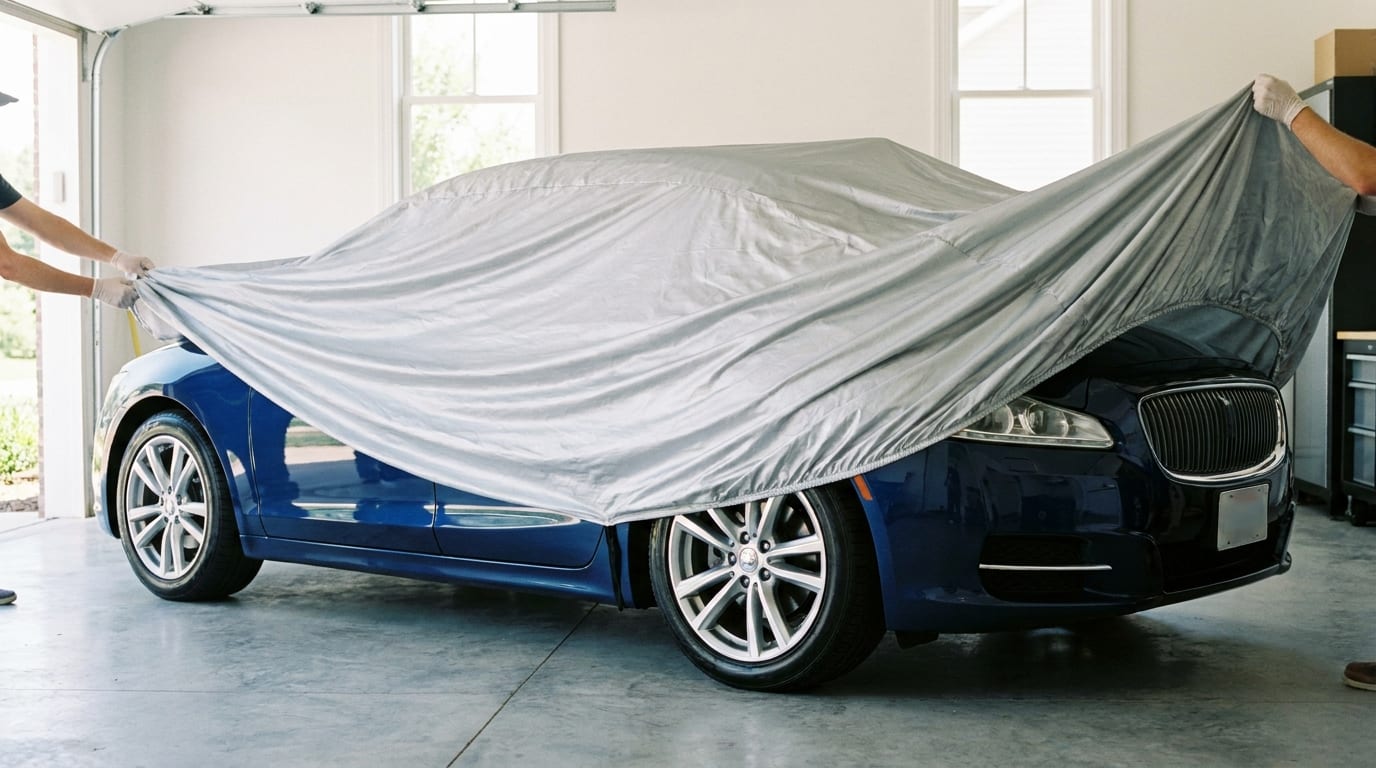
Fit rounds out the list, and it's a bigger deal than most people think. A cover that's too loose will flap in the wind and abrade against the paint, which wears out the fabric from the inside out while also risking scratches on the car underneath.
Average Lifespan by Cover Type
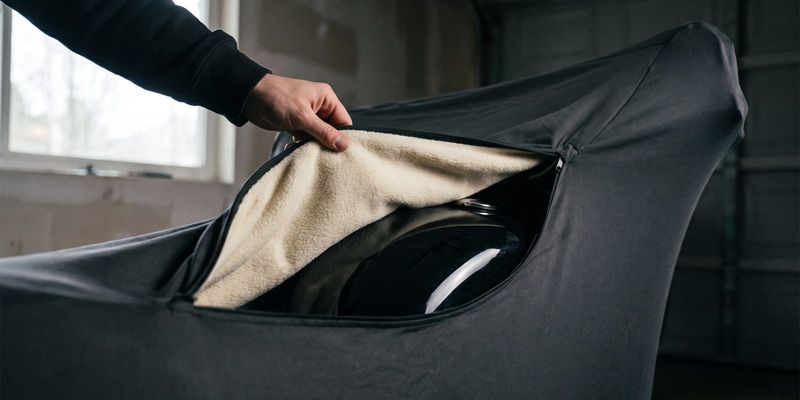
Indoor and satin covers have it easy. Minimal sun, no rain, no wind. With proper care, these often last 5 to 10 years or more, since the only real enemies are dust and the occasional spill. If your car lives in a garage, an indoor car cover is the longest-lasting option by a wide margin.
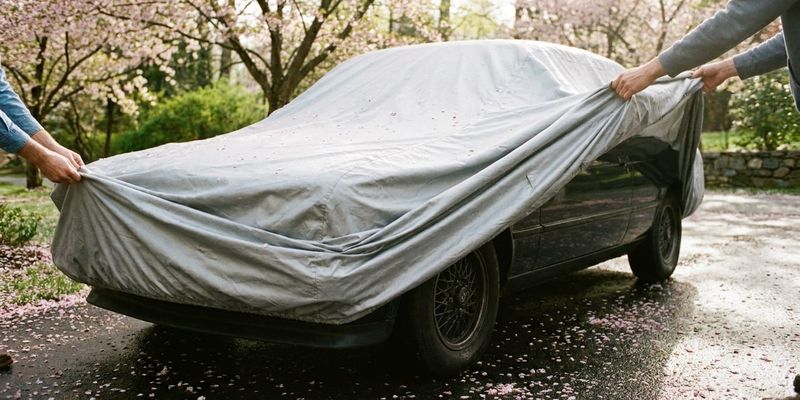
Outdoor all-weather multi-layer covers are built for the opposite scenario: sun, rain, wind, maybe snow. These typically last 3 to 7 years, with the exact number depending heavily on how harsh your local climate actually is. A good outdoor car cover earns its keep here, especially if it's also rated waterproof. Worth checking out a waterproof car cover if you're dealing with regular rain or humidity.
Budget universal-fit single-layer covers sit at the bottom of the pack. They're the cheapest option up front, but they're also the shortest-lived, often lasting just 1 to 3 years before the fabric thins, the coating wears off, or the seams start separating. If you're trying to figure out how many years should a car cover last on a tight budget, this is the tier where expectations need to be realistic.
Signs Your Car Cover Needs Replacing

A few tells are pretty unmistakable. Water stops beading on the surface and instead soaks straight through, which means the DWR (durable water repellent) coating has worn off and the fabric is no longer doing its job.
Look for visible thinning, fading, or small tears, especially around high-friction spots like mirror pockets and hems. These areas take the most abuse and tend to fail first.
Check the stitching, too. Loose seams or elastic hems that no longer hug the vehicle snugly are signs the cover has reached the end of its useful shelf life, not just a minor annoyance to live with.
A persistent mildew smell or dark staining that won't come out with cleaning is another red flag. Mildew isn't just unpleasant, it means moisture has been sitting against the fabric long enough to start breaking it down permanently.
And if the cover has stretched out of shape so it no longer fits snugly, that's a problem that compounds itself: a looser fit means more flapping, more flapping means more wear, and the cycle accelerates from there.
How to Make Your Car Cover Last Longer
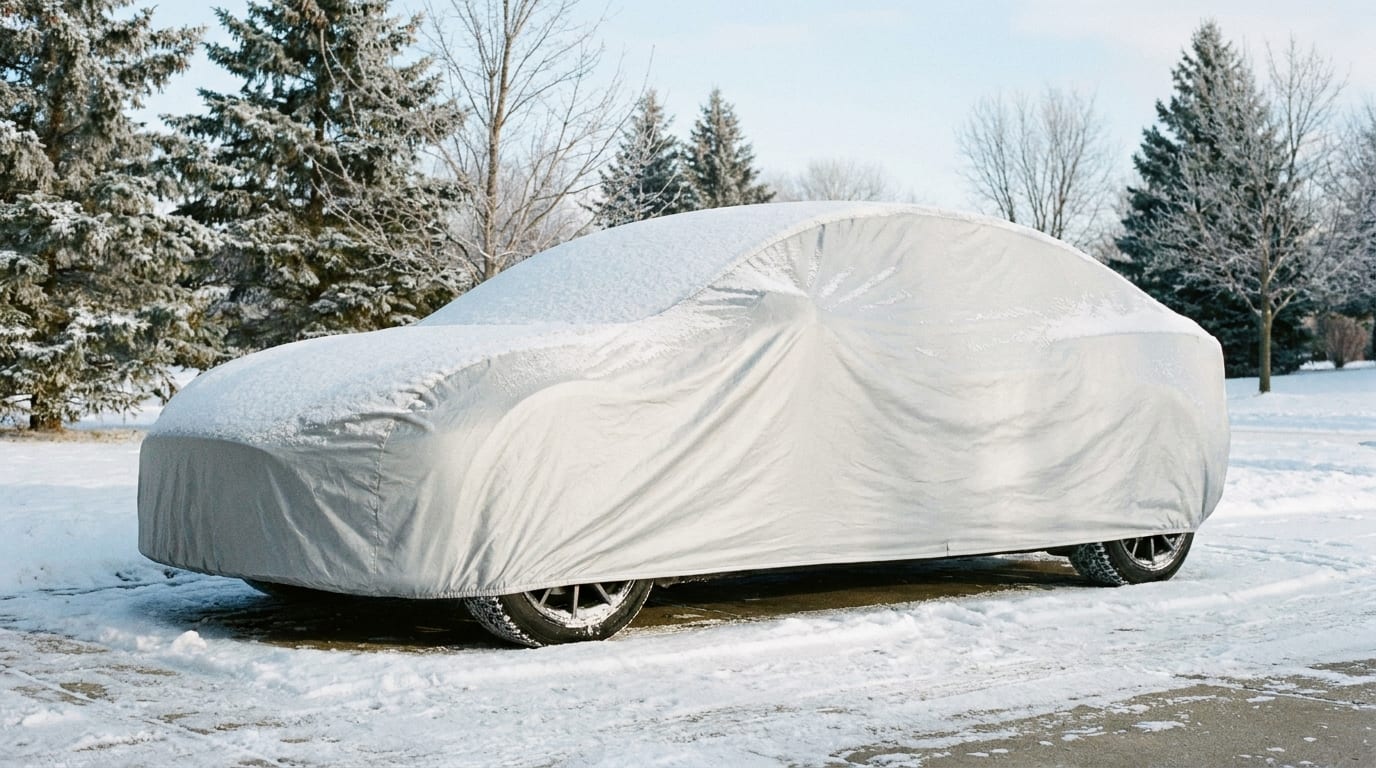
Clean it on a regular schedule, using the method appropriate for the fabric rather than whatever's fastest. A pressure washer or harsh detergent will strip the coating faster than normal wear ever would. This step-by-step guide to cleaning a car cover walks through the safer approach.
Skip the habit of tucking the cover into doors or mirrors to keep it from blowing around. It feels secure in the moment, but it puts constant stress on the fabric at exactly the wrong points. Gust straps or tie-downs do the same job without the stress tears, and installing wind straps takes about ten minutes.
When the cover isn't on the car, store it in its bag. Balling it up or leaving it on the garage floor invites dirt, moisture, and creases that weaken the fabric over time.
Fit still matters here, too. The right size keeps the fabric from rubbing or flapping excessively, which is one of the simplest ways to avoid early wear.
One more thing: never cover a hot engine or a wet vehicle. Trapping heat or moisture under the cover is basically inviting mildew to move in, and once it's established, it's hard to fully get rid of.
Does a Warranty Tell You How Long a Cover Should Last?
Pretty often, yes. Manufacturers tend to set warranty length to roughly match how long they expect the product to hold up under normal use, so it's a reasonable signal, not just marketing fluff.
Worth knowing what warranties actually cover, though. Most protect against manufacturing defects, things like faulty stitching or a coating that fails prematurely. They don't cover normal wear and tear, misuse, or damage from leaving the cover crumpled in a driveway for a month.
A lifetime warranty on certain cover lines is a confidence signal from the manufacturer, not an unlimited replacement policy. It tells you they expect the product to perform well for the long haul, not that you can wear it out and swap it indefinitely. Check the lifetime warranty terms or the general warranty page before buying. It's one of the fastest ways to gauge expected lifespan without having to guess.
Choosing a Cover Built to Last
So, how many years should a car cover last? Somewhere between 3 and 10, and where you land on that range comes down to matching the cover type and material to how and where you actually store your vehicle. An indoor cover on a garaged car and a budget single-layer cover left outside in salt air are living completely different lives.
Fit is the detail most people underestimate, and it's one of the biggest drivers of early wear. A cover that's slightly too big flaps, rubs, and ages faster than it should, no matter how good the fabric is. Running your vehicle through a cover fit finder takes the guesswork out of sizing before you buy.
If you want maximum lifespan rather than the cheapest option on the shelf, a custom-fit car cover is worth the extra cost. It fits the way it's supposed to from day one, which means less flapping, less abrasion, and more years out of the fabric.
If you're still weighing whether a cover makes sense for your situation at all, our piece on why buy a car cover lays out the case. And if you want more guides like this one as they come out, keep an eye on our articles section, it's worth the bookmark.