



How Much Is a Car Cover for a Toyota Prius? (2024 Price Guide)
A Toyota Prius car cover typically runs $40 to $250, and how much is a car cover for a Toyota Prius really depends on three things: how well it fits, what it's made of, and what's parked outside vs. tucked in a garage. Most Prius owners land somewhere between $70 and $150 for a semi-custom or custom-fit cover that holds up to daily use. Below that, you're often paying for a stretchy universal cover that fits "okay." Above it, you're buying a fully waterproof, multi-layer cover built to survive winters outdoors.
How Much Does a Toyota Prius Car Cover Cost?
Here's the range in plain terms: $40 to $250, with the sweet spot for most buyers sitting between $70 and $150 for a good semi-custom or custom-fit cover. Go cheaper and you're likely getting a universal fit and thin fabric. Go pricier and you're paying for exact-pattern sizing plus serious weatherproofing.
Three things drive that spread. Fit type matters most, universal covers are cut loose to fit a size range, semi-custom covers are shaped closer to a hatchback body, and custom-fit covers are patterned to your exact Prius model year. Material and weatherproofing come next: a thin indoor dust cover costs a fraction of what a fully waterproof, UV-blocking shell costs. Then there's hardware, straps, grommets, mirror pockets, a storage bag, all of which nudge the price up.
Generation matters too. A 2004-2009 Prius, a 2010-2015 Prius, and the current Prius Prime and liftback don't share the same roofline or dimensions, so the cover that fits one won't necessarily fit another. Get the year wrong and you'll pay twice: once for the wrong cover, once for the right one. The rest of this guide breaks down what you actually get at each price point, so you can spend based on where your Prius sleeps at night, not just what shows up first in a search.
What Actually Drives the Price of a Prius Cover
Fit type is the biggest lever. Universal covers ($30-$60) use stretch fabric sized loosely for "compact sedans" or "hatchbacks," which sounds fine until you realize a Prius's sloped rear glass and hatch don't match a generic compact shape. Semi-custom covers ($60-$120) are cut specifically for hatchback body styles and fit noticeably better. Custom-fit covers ($120-$250+) are patterned to your exact Prius model year, mirror bumps and all, and come closest to a shrink-wrapped look.
Material is the second lever. A lightweight indoor dust cover costs the least because it only has to block dust and light scuffs. A mid-tier water-resistant fabric costs more because it's handling occasional rain. A fully waterproof, UV-blocking, multi-layer fabric costs the most because it's designed to take years of sun, rain, and snow without breaking down. If you're not sure which category your driving and parking habits call for, the waterproof car cover guide walks through what "waterproof" actually means on a spec sheet versus what "water-resistant" quietly leaves out.
Then there's hardware. Grommets for a cable lock, wind straps that cinch under the car, mirror pockets, an antenna patch, these are small additions individually but they typically add $10 to $30 combined. Worth it if you park on the street. Less necessary if the Prius lives in a closed garage.
Finally, climate and use case. A cover meant to sit outside through sun, rain, and snow needs reinforced seams and heavier coated fabric, and that costs more than a cover meant to keep dust off a garaged car between drives.
Prius Cover Price Breakdown by Tier
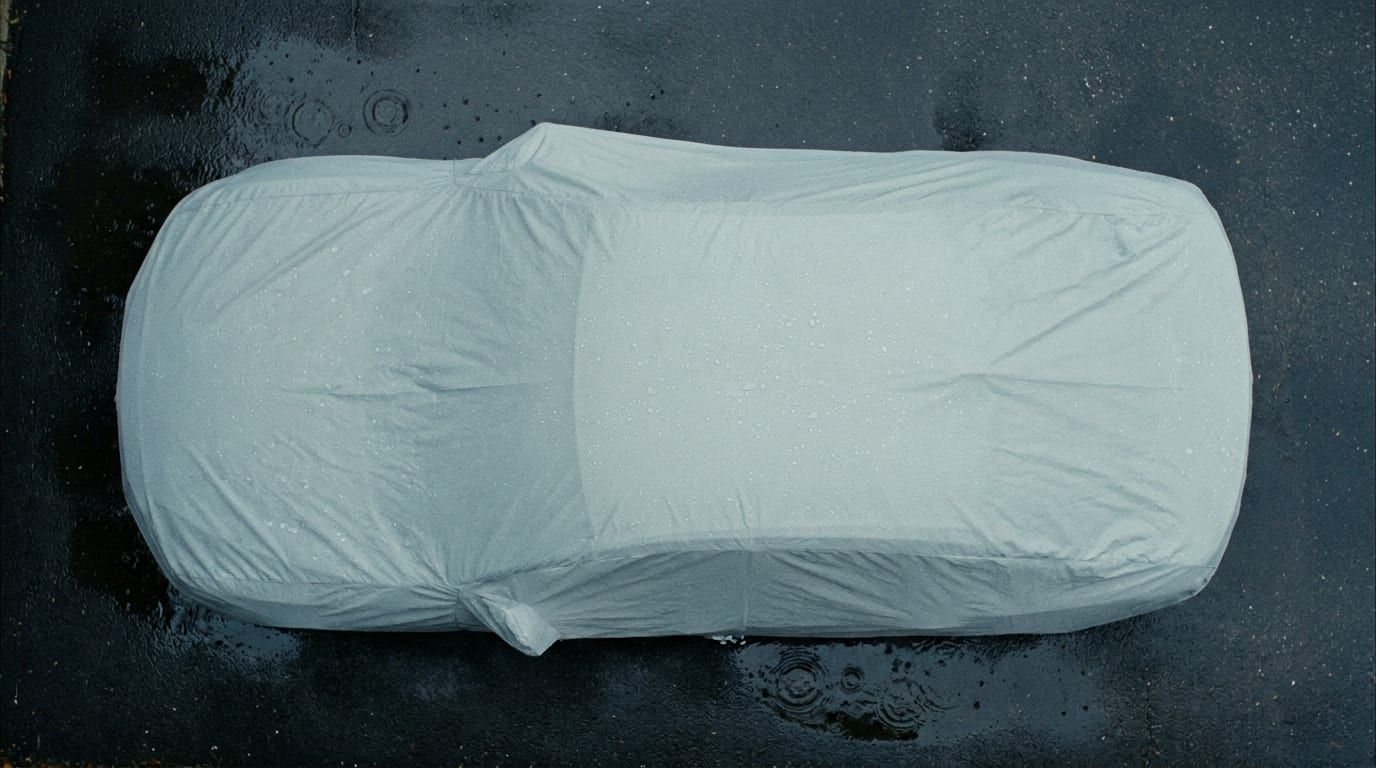
Breaking it into tiers makes the decision easier. Here's roughly what you get at each price point:
| Tier | Price Range | What You Get | Best For |
| Basic | $30-$60 | Universal or entry semi-custom fit, light rain/dust protection | Garage-kept Prius, mild climates |
| Deluxe | $80-$150 | Semi-custom or custom-fit sizing, water-resistant fabric, UV protection | Daily outdoor parking, moderate weather |
| Platinum/Premium | $150-$250+ | Custom-fit to exact model year, fully waterproof and UV-blocking multi-layer fabric | Year-round outdoor exposure, snow and hail |
Basic tier covers are fine if your Prius spends most of its life under a roof and only needs a cover for the occasional dusty storage stretch or a light drizzle on the way to the store. Don't expect them to hold up to a full season parked outside.
Deluxe tier is where most daily drivers land. Semi-custom or custom-fit sizing means less flapping in wind, and water-resistant fabric with UV protection handles moderate weather without you having to think about it. This is the range that best matches how most people actually use a car, parked outside some nights, in a garage others.
Platinum tier is built for cars that live outside, full stop. Custom-fit to your exact Prius model year, fully waterproof, UV-blocking, multi-layer fabric that's designed to take snow load and hail without tearing. If your Prius sits on a driveway through winter in a state that gets real weather, this is the tier that actually earns its price.
Quick rule of thumb: garage-kept car, go Basic or Deluxe. Outdoor car facing all four seasons, go Platinum. Anything in between, lean Deluxe and check the fabric spec before you buy.
Why Prius Fit Matters for Price
The Prius has a distinct hatchback roofline, sloped rear glass, and a rear liftback shape that doesn't match a generic sedan or compact. A universal cover sized for "small car" often sags across that sloped rear window, pools water there, and flaps loose at the hatch line in wind. Over time that sagging fabric rubs against paint, and a flapping cover in a storm can do more scratching than no cover at all.
Model year matters just as much as body style. The Prius Prime and the standard Prius liftback aren't the same length or shape, so a cover cut for one won't sit right on the other. Confirming your exact year and trim before buying is the single easiest way to avoid paying for a cover that technically fits "a Prius" but not yours. The custom-fit car cover options available for Toyota vehicles are built around this exact problem, matching the pattern to the model year instead of a size bracket. If you're unsure what you actually need, the sizing guide for finding your vehicle cover fit is worth five minutes before you check out.
A properly sized cover isn't just about looking neater in the driveway. It's part of the real cost equation: less sag means less rubbing, less flapping means less scratching, and a cover that actually stays put means you're not replacing it after one rough season.
Indoor vs. Outdoor Use: How It Changes What You'll Pay
Indoor covers are cheaper for a simple reason: they don't have to fight the weather. No UV coating, no waterproof membrane, no reinforced seams, just a soft layer that keeps dust and minor scuffs off a car that's already protected by four walls. The indoor car cover options reflect that lower price point because the job is genuinely easier.
Outdoor covers cost more because the job is harder. They need waterproofing that actually sheds rain instead of absorbing it, UV-resistant coatings that stop fabric from breaking down under sun exposure, and reinforced seams that won't split after months of wind. The outdoor car cover lineup is priced accordingly, and for good reason: that fabric is doing real work every day it's outside.
Before you pick a price tier, figure out honestly where the Prius parks most nights. If it's in a garage five or six nights a week, an outdoor-grade cover is overkill and you're paying for weatherproofing you rarely use. If it's parked on the street or driveway more often than not, skimping on an indoor-grade cover just means you'll be replacing it within a season.
Getting the Right Cover Without Overpaying
Start with your exact Prius year and trim. It's the single biggest factor in whether a cover fits right the first time, and skipping this step is the most common reason people end up buying twice. The Toyota-specific cover selection is a good starting point if you want to narrow things down by model before comparing fit types.
Warranty coverage is worth weighing against sticker price too. A cover backed by a solid warranty, including options with a lifetime warranty, can end up cheaper over time than a bargain cover you replace every year or two. Paying a bit more upfront for something that's actually covered if it fails is often the better math.
If you're still weighing options, it helps to browse the full range of car cover choices or run your specifics through the cover finder tool to see what actually matches your Prius, your budget, and where it parks most nights. And if you're curious how Toyota's engineering choices shaped the Prius's shape in the first place, the Toyota history article is worth a read while you're deciding.
Whatever you land on, take the ten minutes to match spend to actual use instead of guessing. Feel free to keep browsing our other car cover guides for more on fit, materials, and care before you buy.
Updated