


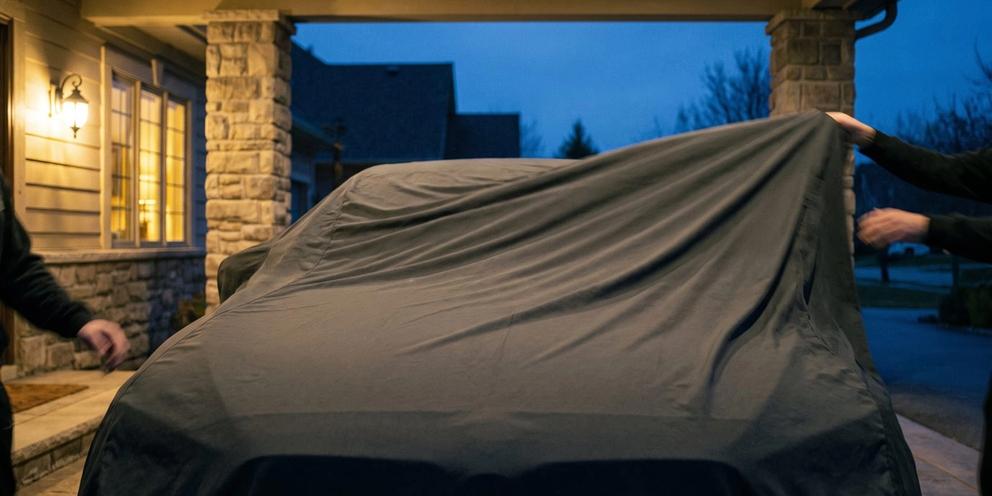
How to Store a Car Cover When Not in Use (So It Lasts Longer)
How Do You Store a Car Cover When It's Not in Use?
Clean it, dry it fully, and never shove it away damp or dirty. Fold or loosely roll the cover rather than compressing it, then keep it in a breathable storage bag somewhere cool, dry, and dark, like a garage shelf or closet. Skip the sealed plastic bin. That's how to store a car cover when not in use without inviting mildew, creases, or fabric breakdown before its time.
That's the short version. The rest of this guide walks through each step in more detail, because the difference between a cover that lasts five years and one that falls apart after one winter usually comes down to how it's handled between uses. And this applies no matter why the cover's coming off, whether it's headed for a wash, swapping out for a season change, or sitting idle while you drive the car daily for a few weeks.
Why Does Proper Storage Matter for a Car Cover?
A car cover only does its job if it's still in good shape the next time you pull it out. Store it wrong, and you're undoing a lot of what it's supposed to accomplish.
Trapped moisture is the biggest offender. Fold a damp cover into a bag and you've basically built a small greenhouse for mold and mildew. That musty smell doesn't stay in the fabric, either. It transfers straight back onto your paint the next time you drape the cover over the car.
Tight folding does its own kind of damage. Crease the same lines over and over and you get permanent creases, weakened seams, and coatings that start to crack right along those fold lines. Heat is a factor too. Leave a cover balled up in a hot trunk or a stuffy attic for months and the waterproof coating and elastic hems degrade faster than they would in a stable, temperate spot.
None of this is really about the cover itself. It's about protecting the paint underneath, which is the whole reason you bought the cover in the first place. Why buy a car cover covers that broader case, but the short of it is: a cover in bad shape can't protect anything.
Should You Clean a Car Cover Before Storing It?
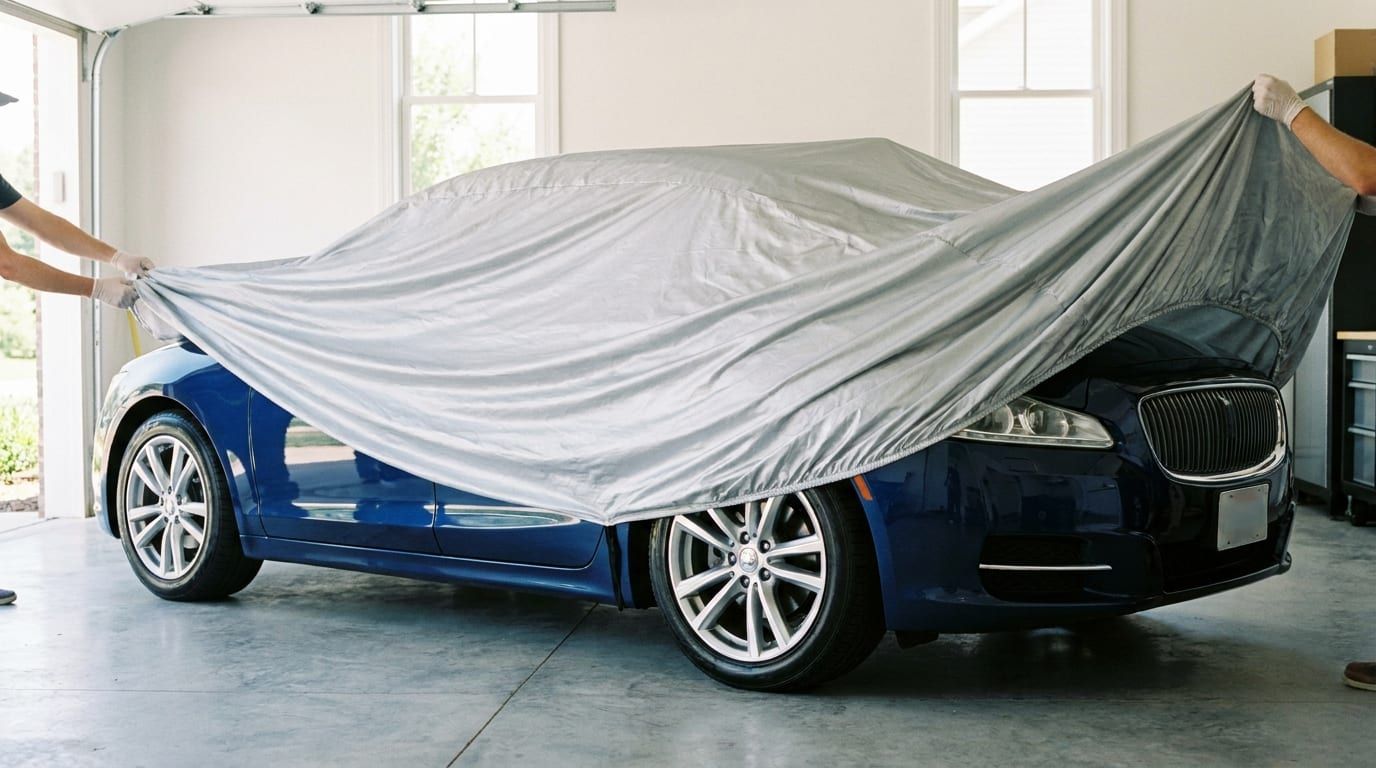
Yes, every time. Don't fold away a cover that's still got leaves, tree sap, bird droppings, or road grime stuck to it. All of that sits against the fabric while it's stored, and some of it (sap and droppings especially) can actually eat into the coating given enough time.
Cleaning doesn't need to be complicated. Shake off loose debris first, then hose it down or hand-wash with a mild soap. Skip harsh detergents and anything with bleach. They strip the water-repellent coating that makes the cover worth using in the first place. For a full walkthrough on washing and drying, our guide on cleaning a car cover covers it step by step.
While the cover's off the car, take two minutes to actually look at it. Check for small tears, worn-out grommets, or elastic that's lost its stretch. These are all things that are much easier to spot, and cheaper to fix, before they turn into a bigger problem down the line.
How Long Should a Cover Dry Before Being Folded and Stored?
All the way. Not "mostly dry." Air-dry it over a railing, a sawhorse, or a clothesline until there's no dampness left anywhere, including in the seams and along the elastic hem where water likes to hide.
Depending on the material and the humidity that day, this can take anywhere from a few hours to a full day. Thicker, multi-layer outdoor covers take longer than a light indoor satin cover.
Don't rush it with a dryer or hours of direct sun. Both can warp coatings over time. Indirect airflow, a shaded spot with a breeze, works better and won't stress the fabric. This part matters more than people think: store a cover even slightly damp once, and you can end up with a mildew smell that's genuinely hard to get rid of afterward. It's one of the easiest mistakes to make and one of the most annoying to undo, so when you're figuring out how to store a car cover when not in use, drying it fully is the step not to skip.
What's the Best Way to Fold or Roll a Car Cover for Storage?
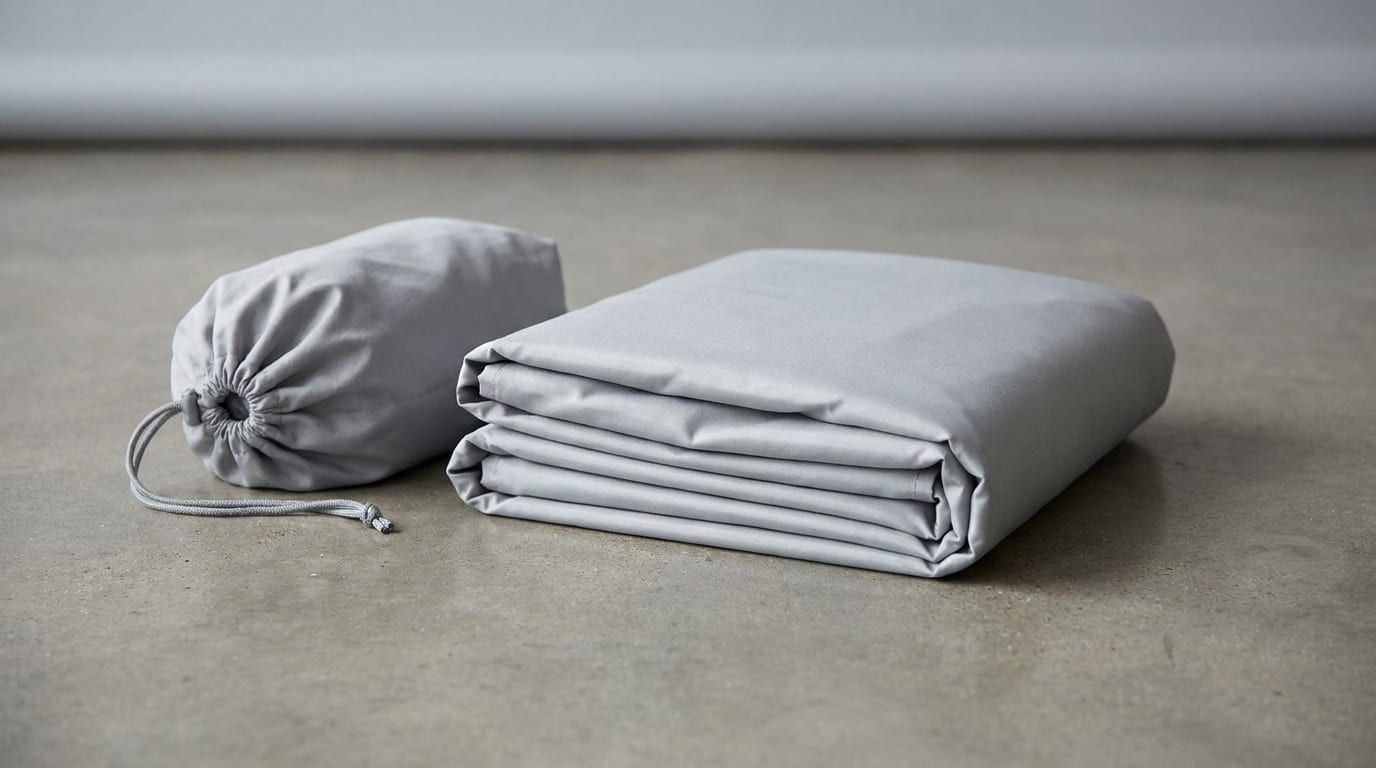
Rolling beats folding, generally speaking. A loose roll is gentler on the fabric and any waterproof coating than sharp, compressed folds, especially on heavier multi-layer covers where a hard crease can actually crack the coating over time.
If you do fold it, don't use the same fold lines every single time. Switch it up. Folding along identical creases repeatedly is how you end up with a permanent line worn into the fabric, sometimes even a weak spot that tears first.
Most covers come with their own storage bag, and it's worth using it. Those bags are sized to keep the cover loosely gathered rather than crushed flat, which is exactly what you want. And if the cover came with extras, a cable lock, straps, support poles, keep them in the bag with it. It's a small habit, but it's the difference between grabbing everything in one trip to the car and hunting around the garage for a strap you set down six months ago.
Where Should You Keep a Car Cover Between Uses?
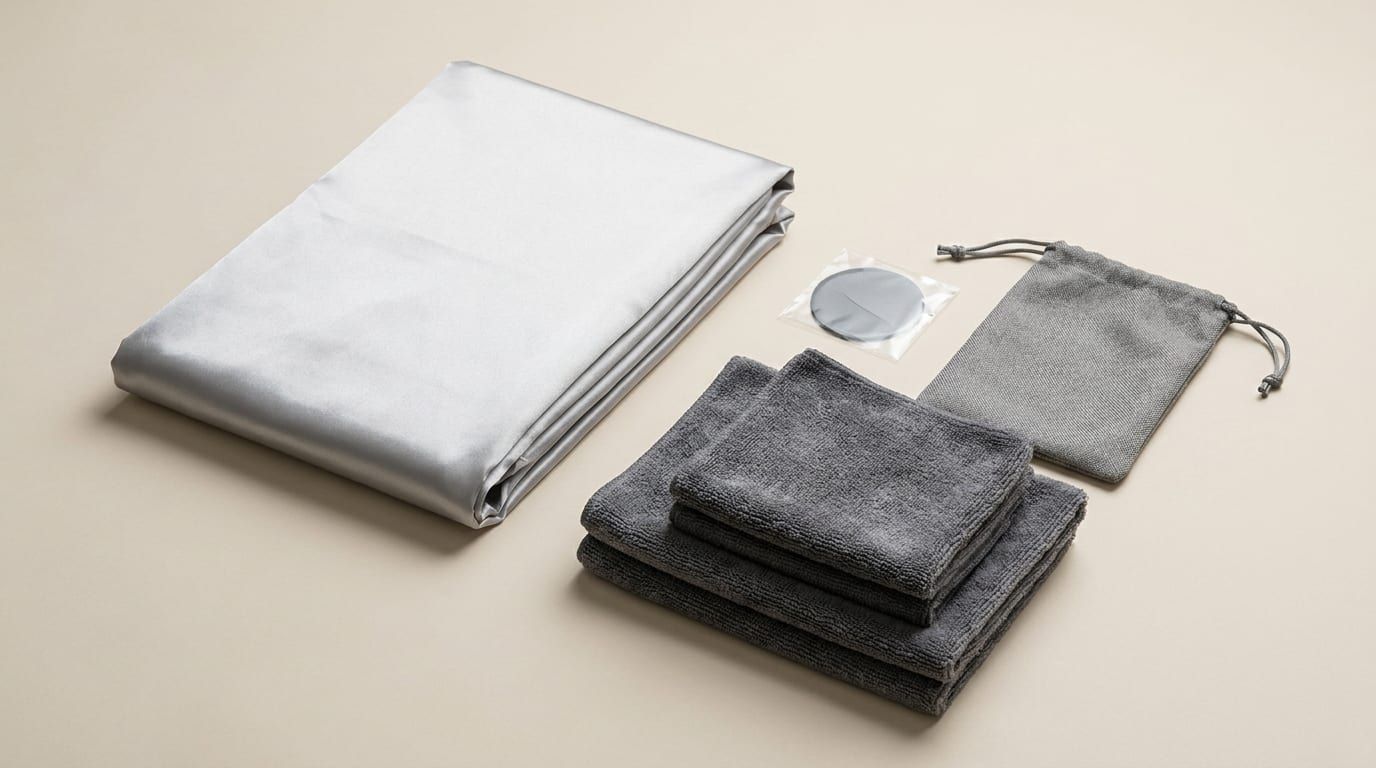
A garage shelf, a closet, a storage bin, anywhere cool, dry, and out of direct sunlight works well. Basically, anywhere with stable temperature and low humidity.
Skip sealed, airtight plastic bags or bins for anything beyond short-term storage. They feel like they'd protect the cover, but they actually trap whatever residual moisture is left in the fabric, even moisture you can't feel. A breathable bag, canvas or mesh, lets the cover keep releasing any trace dampness instead of stewing in it.
Attics get too hot. Basements and sheds get too humid, especially if they're prone to flooding or damp corners. Both are worse choices than they look.
It's also worth knowing that indoor and outdoor covers age differently in storage, since they're built from different materials. If you're using a lighter indoor cover, our guide to indoor car covers has more on handling that material specifically. For heavier-duty outdoor covers, the outdoor car cover guide walks through what changes when the material's built for weather exposure.
Does the Storage Advice Change by Cover Material?
A little, yes. Lighter indoor and satin covers snag easily, so keep them clear of sharp shelf edges, exposed screws, or tools stacked nearby. One small hook is all it takes to put a tear in soft satin fabric.
Heavier outdoor and waterproof covers are bulkier and harder to roll neatly, no way around that. But the rule doesn't change: don't compress them tight enough to crack the coating, even if a loose roll takes up more shelf space than you'd like.
For a broader look at how different fabrics hold up over months and years of use, what makes the best car cover material breaks down the common options. But regardless of what your cover's made from, the core idea stays the same: dry, ventilated, uncreased. That's the formula whether you're storing a $40 universal cover or a heavier custom-fit one.
Keep Your Cover Ready for Next Use
Clean it, dry it completely, fold or roll it loosely, and store it somewhere breathable and dry. That's the whole sequence, and it's worth repeating because skipping any one step is usually what leads to a musty, creased, or cracked cover a season or two down the road.
A cover that's been stored right goes on faster, comes off easier, and holds up through more seasons than one that's been balled up in a damp corner. It's a small habit that protects a bigger investment: your car's paint.
If you're looking for more upkeep tips, our car care hub has guides on keeping both your cover and your vehicle in shape, and our car care and detailing collection has cleaning supplies and storage bags if yours didn't come with one. And next time you put the cover back on, it's worth a quick check of our installation guides for a refresher on getting the fit right.
Updated