I Have an SUV in a Hailstorm-Prone Area — What Car Cover Should I Buy?
Published
The Quick Answer
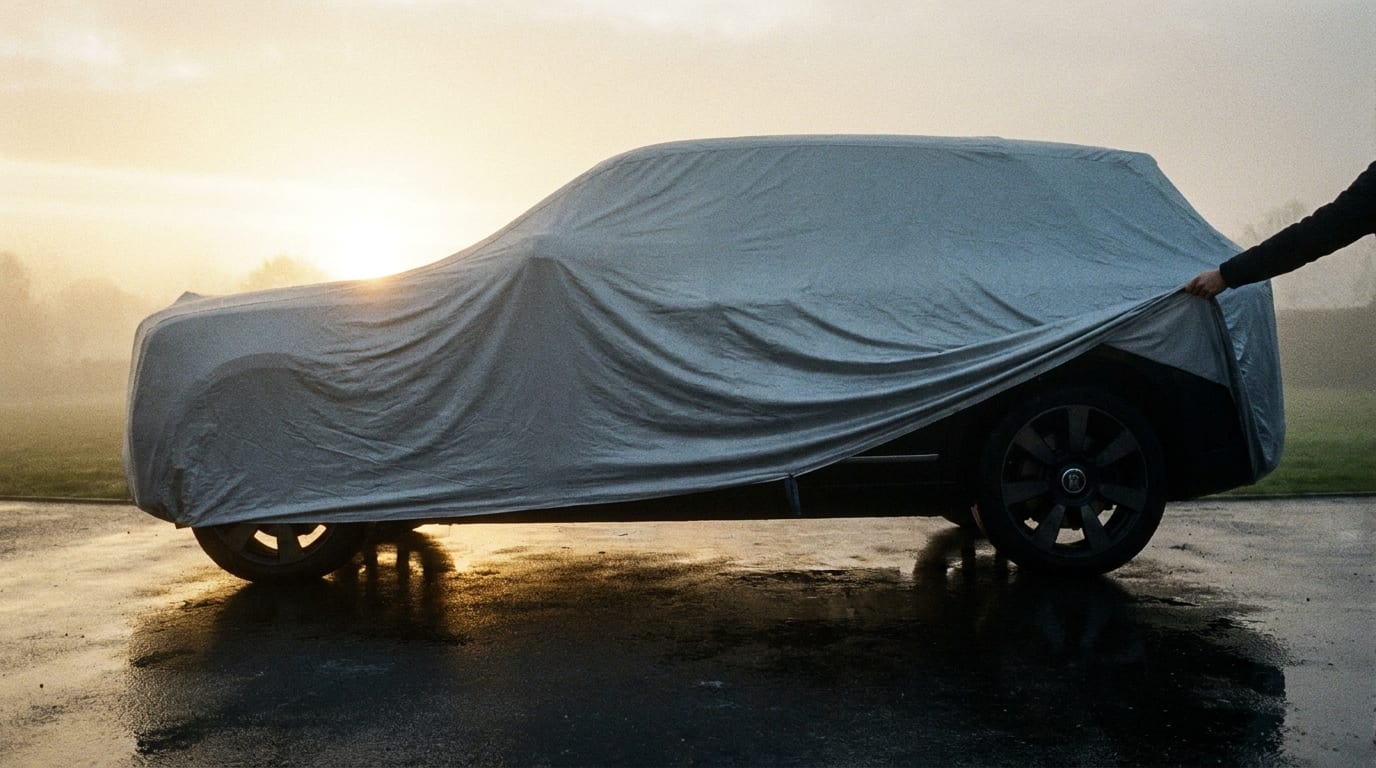
If you've got an SUV and live in an area with frequent hailstorms, skip the standard outdoor cover and go straight to a padded, multi-layer hail-rated cover. Look for thick quilted fabric that sits flush over the hood, roof, and rear hatch, and lean toward a custom fit so there's no slack where hail can hit exposed panel directly. The reason is simple: a flat, single-layer cover just lays against the metal and does almost nothing to absorb impact, while a padded multi-layer cover has a cushioning layer built in to soak up that energy before it reaches your paint.
Here's how the main options stack up:
| Cover Type | Hail Protection Level | Best For | Approx. Price Range |
|---|---|---|---|
| Standard outdoor cover | Low | Sun, dust, light rain, mild climates | $60 to $120 |
| Padded / quilted hail cover | High | Frequent hailstorms, SUVs parked outside | $150 to $280 |
| Custom-fit hail cover | Highest | Tall SUVs, trucks, 3-row vehicles | $250 to $450 |
Custom-fit hail covers cost more up front, but on a tall SUV body with a lot of flat roof and hood area, that tighter fit closes the gaps where a universal cover tends to sag. Less sag means fewer spots where hail can land a direct hit against bare metal.
Why Hail Is a Bigger Risk for SUVs Specifically
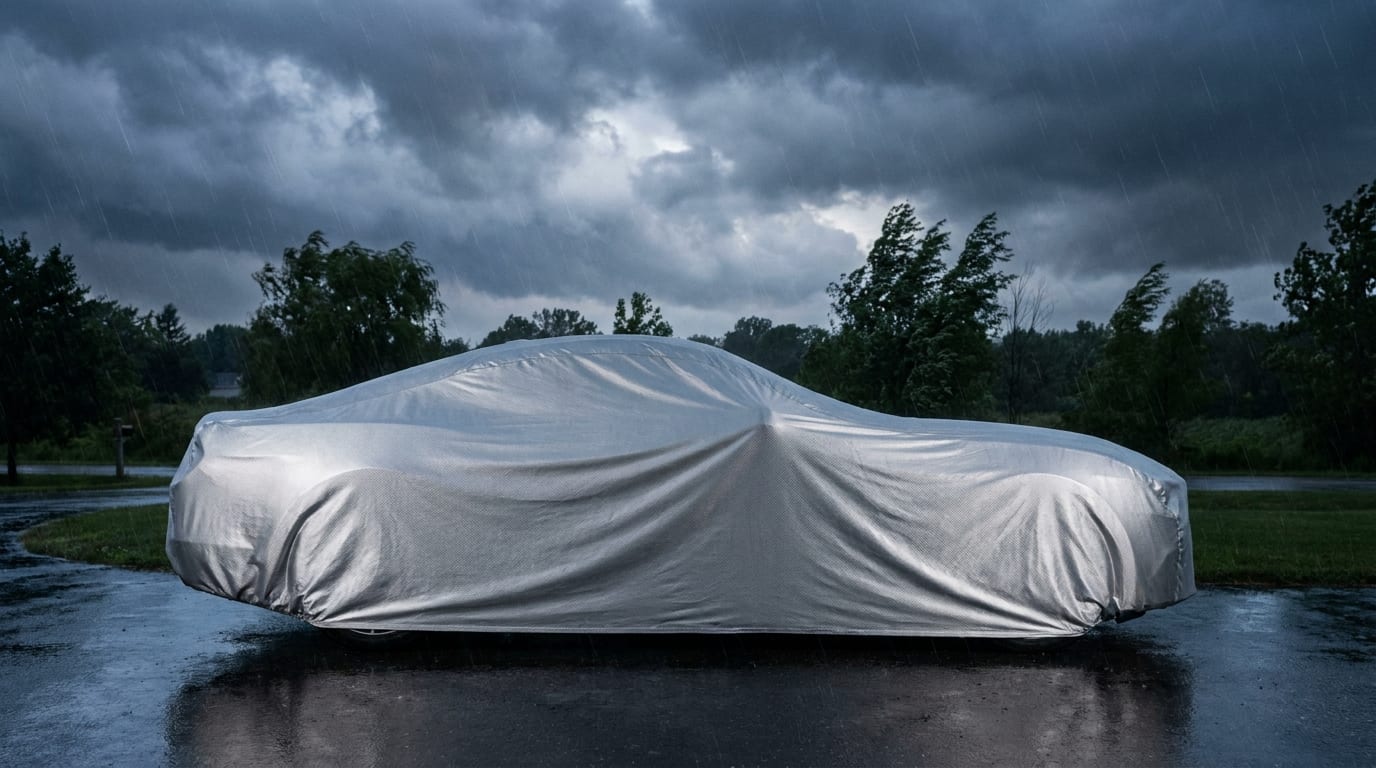
SUVs just have more to lose in a hailstorm than a sedan does. The roof is wider, the hood is longer, and the rear cargo area adds another flat horizontal surface that sits right in the line of fire when hail comes straight down. More flat area means more direct-impact zones, full stop.
Height works against SUV owners too. A low-slung sedan might tuck partway under a carport overhang or a tree line and catch a break. A tall SUV often doesn't fit under the same overhang, or it sticks out far enough that half the roof is still exposed. And SUV owners tend to park outside more often anyway, whether that's a driveway with no garage, a trailhead lot, or a campground site, which stacks the odds against you when a storm rolls in fast.
Hailstorms can turn severe with very little warning, and the damage from a bad one is well documented. If you want a sense of how destructive these storms can get, it's worth a look at some of the worst hailstorms in US history. That context is exactly why a dedicated SUV cover built for impact resistance is worth the investment over a basic one.
What Actually Makes a Cover Hail-Resistant
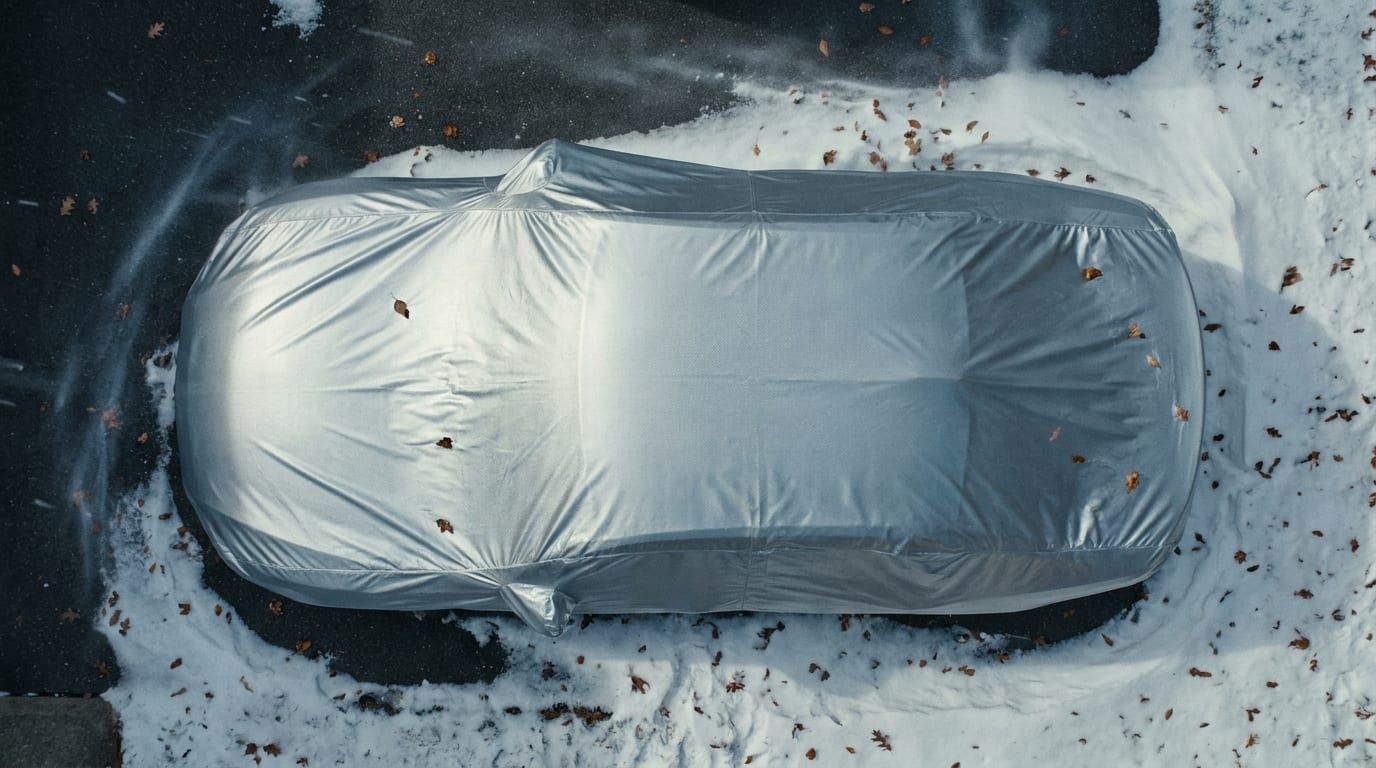
Not every thick-sounding cover actually protects against hail. What matters is construction: a true hail cover has multiple layers, usually an outer shell, a foam or fiber fill layer in the middle, and a soft inner lining. That middle layer is doing the real work. It's what absorbs the impact instead of transferring it straight to your paint and sheet metal.
Fabric weight is a decent shortcut for judging this. Heavier, layered fabrics hold up to impact better than a thin single-ply sheet, even if that thin sheet is marketed as "heavy duty." If a cover's spec sheet doesn't mention layers or padding, assume it's built for sun and rain, not hail.
One thing worth separating out: waterproofing and hail resistance aren't the same property. A cover can be fully waterproof and still offer almost no cushioning against impact, because waterproofing is about the outer shell's coating, not what's inside it. You want both, but don't assume one gets you the other.
Fit matters here too. Elastic hems, underbody straps, or a cable lock keep the cover anchored during wind-driven hail, which is common since hailstorms rarely show up without some wind behind them. A cover that shifts mid-storm exposes exactly the panels you were trying to protect. If you're not sure how to secure one properly, it's worth reading up on installing wind straps before the next storm hits.
Custom-Fit vs. Universal Covers for Hail Protection
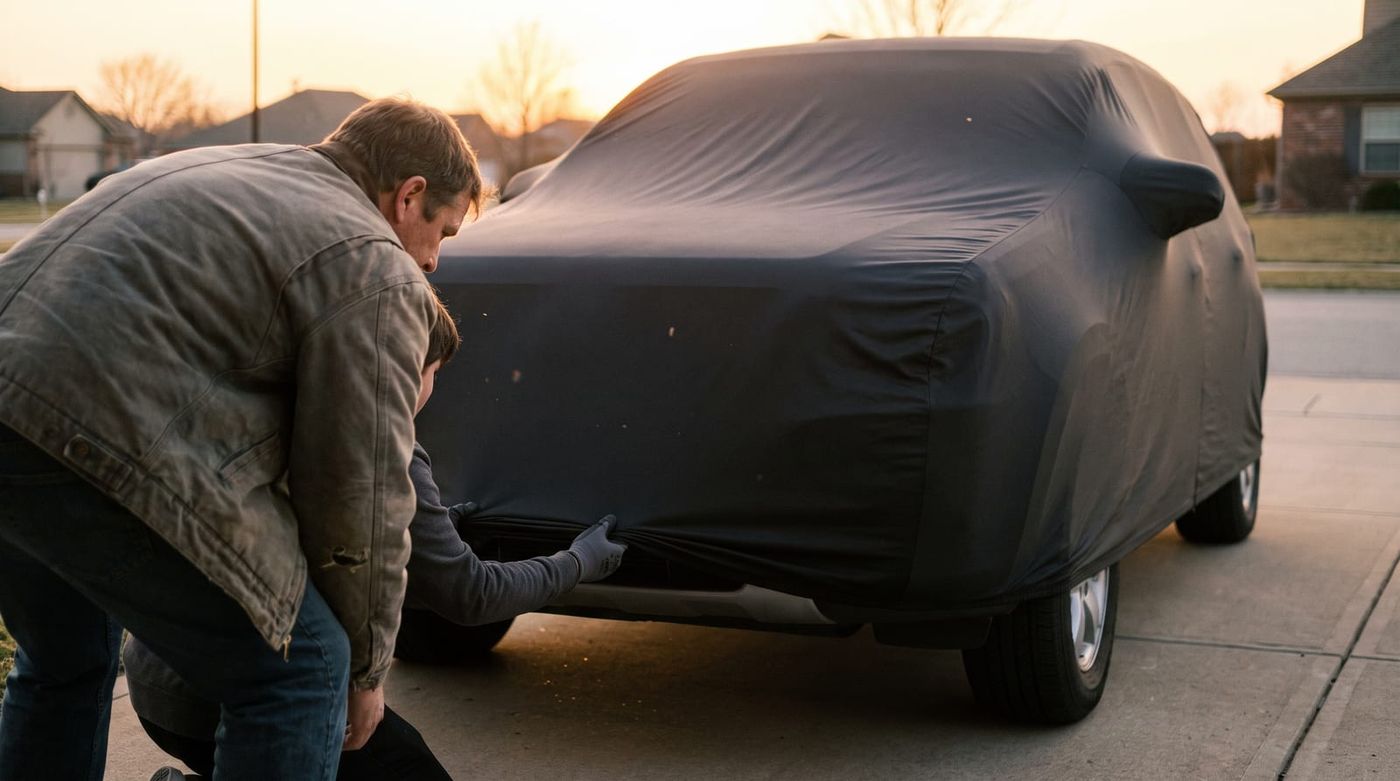
This is where SUVs really diverge from sedans. A sedan's roofline is lower and more rounded, so a universal cover tends to drape reasonably close to the body. An SUV's roof is flatter and sits higher, which means a universal cover often leaves slack across the top, exactly where hail hits first. That slack lets the padding shift or bunch up instead of staying put over the panel it's supposed to protect.
Universal covers aren't useless. They're a fine budget option if your storms are infrequent or mild. But in a region where hail is a regular event, that loose fit becomes the weak point in an otherwise good cover.
Custom-fit options are sized by SUV category, compact, mid-size, or full-size/3-row, which affects both coverage and cost. A 3-row SUV with a longer roofline needs more material and a different cut than a compact crossover, so don't assume one size covers both. The safest move is to check fit against your SUV's actual dimensions rather than guessing from its general class, since trim differences (roof rails, spoilers, running boards) can throw off a generic size chart. Tools like the car cover size guide exist specifically for this.
Features to Check Beyond Hail Protection
Hail resistance is the headline feature, but it's not the only one that matters if the SUV sits outside between storms too.
- UV resistance. Sun exposure between hailstorms will degrade a cheap fabric fast, fading both the cover and, eventually, your paint and interior if the cover stops doing its job.
- Waterproofing and breathability. Hail usually comes with rain, so you want a cover that sheds water without trapping moisture against the paint afterward. A fully sealed, non-breathable cover can actually cause more harm than good by holding condensation in.
- Wind strap or grommet compatibility. Hailstorms bring gusts. A cover that can't be cinched down is a cover that'll end up balled up against your bumper halfway through the storm.
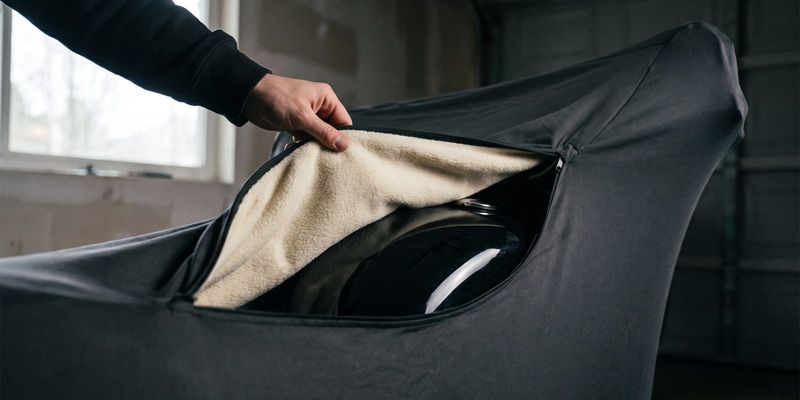
- Soft inner lining. The outer shell is doing the heavy lifting against impact, but a rough inner surface will scuff your clear coat every time you put the cover on or take it off. That's a slow, avoidable way to damage paint that has nothing to do with weather.
A cover with good outdoor-rated construction usually checks most of these boxes by default, since outdoor covers are built with the assumption they'll face sun, rain, and wind on a regular basis, not just the occasional storm.
Matching the Cover to How and Where You Park
If your SUV lives outside full-time in a hail-prone region, don't split the difference. Get the heaviest padded outdoor-rated cover you can find and fit properly. A lighter, indoor-style cover just isn't built to take repeated impact, and "repeated" is the operative word if storms are a seasonal pattern where you live.
If you've got occasional covered parking, a carport overnight, a garage most of the week, a mid-weight hail cover can be enough, especially if storms in your area tend to roll through during the day while the vehicle's elsewhere. The calculation changes based on how much exposed time the SUV actually has during storm season, not just whether storms happen at all.
Before buying anything, it's worth running your exact SUV make and model through a cover finder tool to confirm what kind of coverage and fit you're actually getting, rather than estimating from a size chart alone.
One honest caveat: no cover eliminates hail risk entirely. What a good hail cover does is reduce the severity of dents and paint damage, not guarantee a dent-free outcome in a severe storm. If you have the option of covered parking on top of a hail cover, use both. Belt and suspenders beats either one alone.
Bottom Line and Next Step
So, if you have an SUV and live in an area with frequent hailstorms, what car cover should you buy? A padded, multi-layer hail-rated cover, sized specifically for your SUV, secured with straps or a cable lock so it stays put when the wind picks up. That combination is what actually stands between your paint and a bad storm.
Take a few minutes to match your exact SUV model to the right cover before storm season catches you off guard, and browse the related guides while you're at it if you want to dig into fit, waterproofing, or installation details. It's also worth checking warranty terms before you buy, since a cover doing hail duty sees rougher use than one that just sits in a garage, and a solid warranty says something about how the manufacturer expects it to hold up.